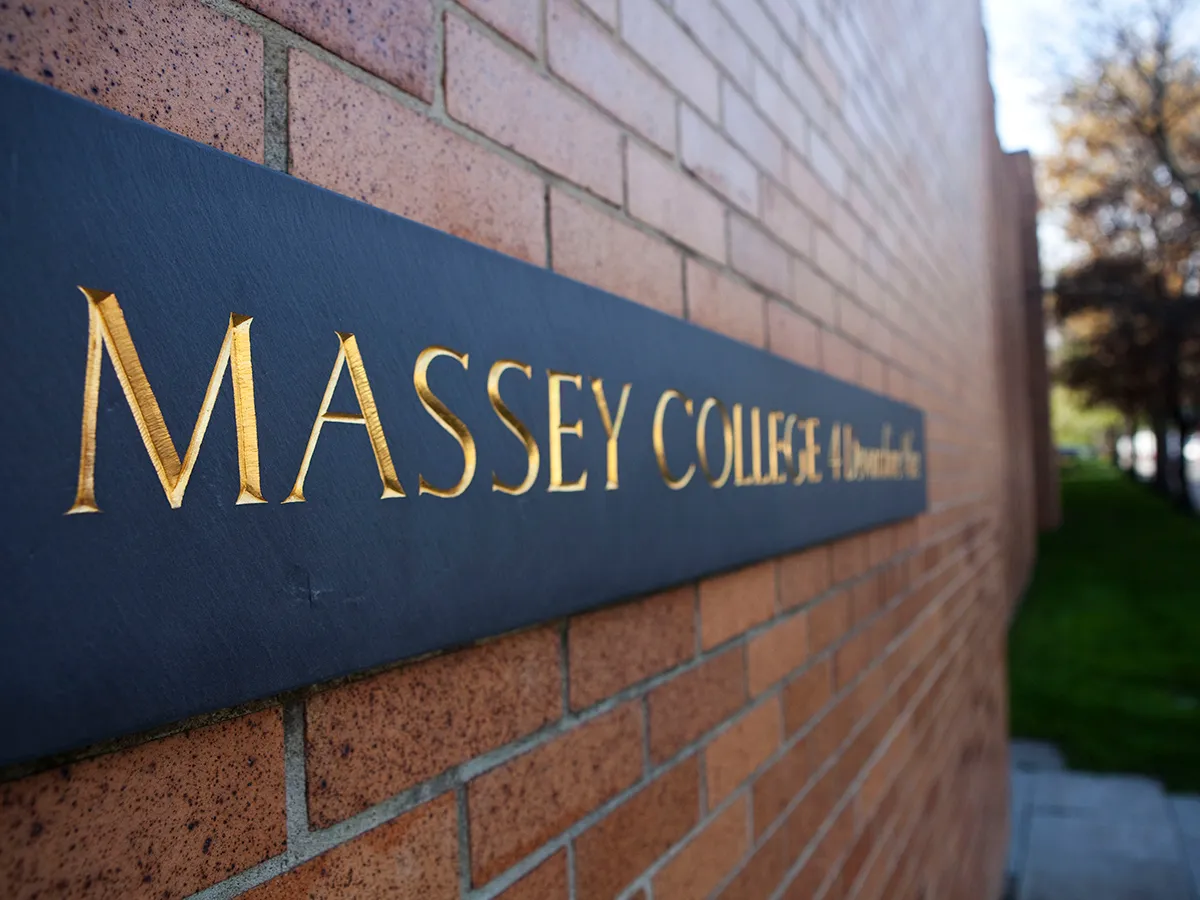
Skip to Content Subscribe Our Offers My Account Manage My Subscriptions FAQ Newsletters Canada Canadian True Crime Canadian Politics Health World Israel & Middle East Financial Post NP Comment Longreads Puzzmo Diversions Comics NP News Quiz New York Times Crossword Horoscopes Life Eating & Drinking Style Sponsored Play for Ontario Travel Travel Canada Travel USA Travel International Cruises Travel Essentials Culture Books Celebrity Movies Music Theatre Television Business Essentials Advice Lives Told Tails Told Shopping Buy Canadian Home Living Outdoor Living Tech Style & Beauty Kitchen & Dining Personal Care Entertainment & Hobbies Gift Guide Travel Guide Deals Savings National Post Store More Sports Hockey Baseball Basketball Football Soccer Golf Tennis Driving Vehicle Research Reviews News Gear Guide Obituaries Place an Obituary Place an In Memoriam Classifieds Place an Ad Celebrations Working Business Ads Archives Healthing Epaper Manage Print Subscription Profile Settings My Subscriptions Saved Articles My Offers Newsletters Customer Service FAQ Newsletters Canada World Financial Post NP Comment Longreads Puzzmo Diversions Life Shopping Epaper Manage Print Subscription HomeNewsCanadaIsrael & Middle EastMassey College fellow resigns after he says he was asked to let ‘advisory committee’ vet antisemitism conferenceCanadians are 'utterly oblivious to the fact that our current age represents the next great transmutation of jew-hatred,' says Peter BiroLast updated 17 minutes ago You can save this article by registering for free here. Or sign-in if you have an account.A sign on Massey College. Photo by Matthew Sherwood for National Post/FileUniversity of Toronto law professor Peter Biro has resigned his fellowship from Massey College after he says the institution wanted an “advisory committee” to vet an antisemitism conference he was organizing.Enjoy the latest local, national and international news.Exclusive articles by Conrad Black, Barbara Kay and others. Plus, special edition NP Platformed and First Reading newsletters and virtual events.Unlimited online access to National Post.National Post ePaper, an electronic replica of the print edition to view on any device, share and comment on.Daily puzzles including the New York Times Crossword.Support local journalism.Enjoy the latest local, national and international news.Exclusive articles by Conrad Black, Barbara Kay and others. Plus, special edition NP Platformed and First Reading newsletters and virtual events.Unlimited online access to National Post.National Post ePaper, an electronic replica of the print edition to view on any device, share and comment on.Daily puzzles including the New York Times Crossword.Support local journalism.Create an account or sign in to continue with your reading experience.Access articles from across Canada with one account.Share your thoughts and join the conversation in the comments.Enjoy additional articles per month.Get email updates from your favourite authors.Create an account or sign in to continue with your reading experience.Access articles from across Canada with one accountShare your thoughts and join the conversation in the commentsEnjoy additional articles per monthGet email updates from your favourite authorsSign In or Create an Accountor“A good portion of Canadian society is utterly oblivious to the fact that our current age represents the next great transmutation of jew-hatred in human history,” Biro wrote in his resignation letter dated May 31. “That only underscores the critical importance of this conference.”The one-day conference titled Antisemitism in Our ‘Free and Democratic Society’: A Canary’s Song was scheduled for Sept. 15 at Massey, a college affiliated with — but independent of — the University of Toronto. The event, according to Biro’s resignation letter, was set to feature Canada’s former special envoy on Holocaust remembrance and combatting antisemitism Deborah Lyons, Raoul Wallenberg Centre for Human Rights founder Irwin Cotler, as well as American Holocaust historian and diplomat Deborah Lipstadt.This is far longer than my typical post, but it tells an important story of what appears to be an attempt by leadership at Massey College to censor a major conference on antisemitism, leading to the resignation of one of its senior fellows.The disappointment that greeted Mark… pic.twitter.com/31D7bWPUUO— Michael Geist (@mgeist) June 3, 2026“Massey College accepts with regret the resignation of Mr. Biro. Massey College condemns antisemitism in any form and is committed to playing its role in addressing it,” Massey College Principal James Orbinski said in a written statement.Columnist Jesse Kline keeps you up to date with what’s happening in Israel and the effects of antisemitism on life here in Canada. Friday mornings.By signing up you consent to receive the above newsletter from Postmedia Network Inc.A welcome email is on its way. If you don't see it, please check your junk folder.The next issue of Channel Israel will soon be in your inbox.We encountered an issue signing you up. Please try againBiro wrote that Massey’s concerns stemmed from a lack of coordination with the college and questions surrounding the appropriateness of “partner organizations.” The conference was due to be co-hosted with the Raoul Wallenberg Centre for Human Rights.Biro dismissed the Massey College president’s concerns as “absolutely false,” writing that everything was developed with “full cooperation with and the full contemporaneous knowledge of the Principal, beginning in mid-January and continuing through to May 27.”He wrote that he had previously chaired and participated in other conferences at Massey without any issue.Orbinski said that he “cannot comment on prior processes” given that he only became principal of Massey College in 2024.“When Massey was first approached by Mr. Biro with his written draft conference proposal on antisemitism, after some conversation, I agreed to hold a programmed conference on antisemitism. I welcomed the initiative and told Mr. Biro that Massey would engage in a process of consultation about the proposed conference,” Orbinski said.Orbinski told National Post that he and Biro had “two meetings on the proposed conference,” during which he “particularly emphasized the centrality of consultation and collaboration in defining the agenda and speakers, and my responsibility as Principal to seek appropriate advice, and that I would do this.”“Unfortunately, Mr. Biro did not check back on the process of consultation,” he wrote. “I had begun that process of consultation with colleagues, when I was informed by email that all Mr. Biro’s proposed speakers had been invited, that the Prime Minister of Canada had been invited, and that a partnership with another organization had been established. Much of the necessary collaborative process was ignored. In a subsequent phone call with Mr. Biro, he informed me that the agenda was fixed, that he was moving the conference to another venue, and that he was resigning from the College.”Biro called Massey’s concern “one of substance rather than one of process” from “undisclosed senior members of the College about whether the subject of antisemitism is being curated in an appropriate fashion, (and) about whether the salient issues are being framed in a politically and socially appropriate way.”Orbinski said “no substantive concerns were identified” so far, given the “process of consultation was in process.”News of Biro’s resignation, and the uncertainty it cast over the future of the conference, provoked strong reactions from other professors. Michael Geist, a University of Ottawa law professor, called the incident “an important story of what appears to be an attempt by leadership at Massey College to censor a major conference on antisemitism.”“Massey College, much like Mark Carney, had a chance to lead, but both failed to meet the moment,” Geist wrote in an X post on Wednesday, referring to the prime minister’s recent visit to a Toronto synagogue to address antisemitism in Canada earlier this week. “The stain on Massey College will not come off as easily.”University of Toronto chemistry professor Dvira Segal commented on Geist’s post, saying, “Our academic institutions and government are willing to address antisemitism only insofar as the discussion sanitizes the connection between Judaism and the land of Israel.”“That clearly is the oversight they wanted, that the conference not touch the historical, cultural, and religious connections of Jews to the land of Israel, nor the extent to which the denial and politicized erasure of those ties has become a modern form of antisemitism,” Segal wrote.Biro said that life on campus at the University of Toronto, where he is an adjunct professor, has materially changed in recent years, particularly after the Hamas atrocities of October 7.“There’s been a radical change in the atmosphere and in the civic culture of campus,” he told the Post on Thursday. “But it’s a microcosm of what’s occurring in the broader society, accentuated significantly on campuses across the country. And U of T is no exception.”Biro said the changing spirit of academic life has been driven by higher education shifting “from being a research institution, particularly in the social sciences, to being a driver of social justice agendas.”“Activism has supplanted truth-seeking as the dominant spirit and driving force of much of the work, both on the research side, (and) even on the teaching side,” he said. “Israel vilification has become the currency, cornerstone and language of much of what transpires in the social sciences.”Our website is the place for the latest breaking news, exclusive scoops, longreads and provocative commentary. Please bookmark nationalpost.com and sign up for our daily newsletter, Posted, here. Join the Conversation This website uses cookies to personalize your content (including ads), and allows us to analyze our traffic. Read more about cookies here. By continuing to use our site, you agree to our Terms of Use and Privacy Policy.
Massey College fellow resigns after he says he was asked to let ‘advisory committee’ vet antisemitism conference
Canadians are 'utterly oblivious to the fact that our current age represents the next great transmutation of jew-hatred,' says Peter Biro
1,520 words~7 min read