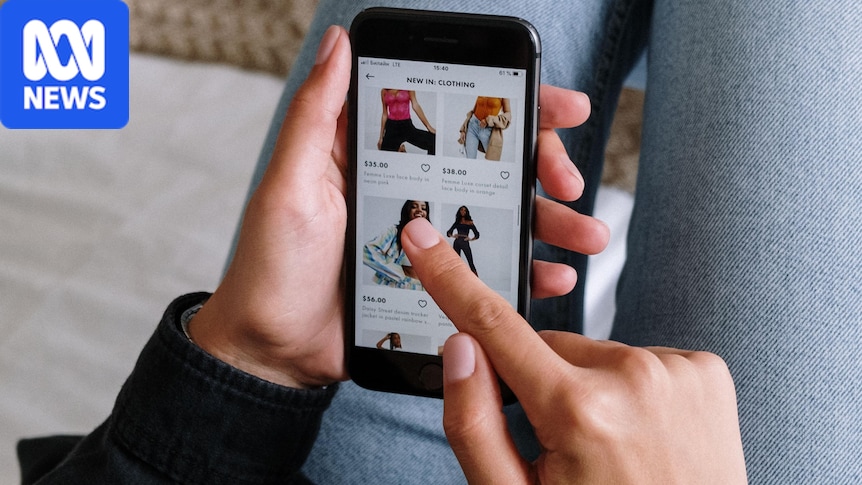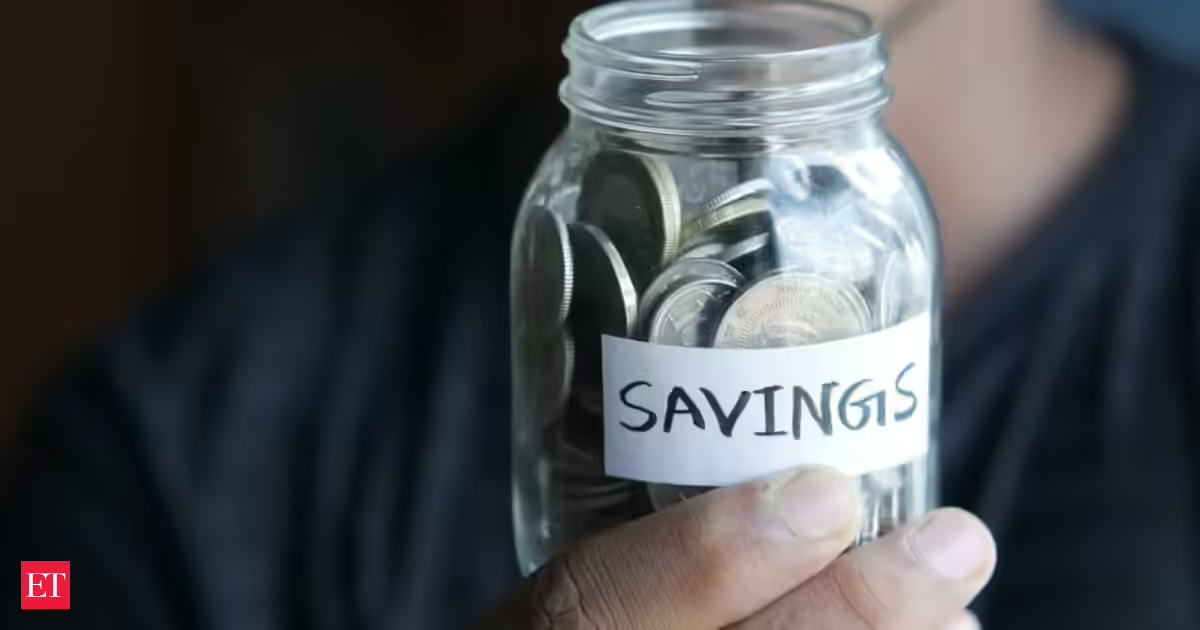
A new personal finance strategy is gaining traction, advising people to implement a 48-hour waiting period before committing to purchases. This simple yet effective hack aims to help people curb impulse spending by providing a window for reflection, allowing them to determine if an item is truly needed rather than merely desired.The approach addresses the common challenge of impulse buying, which personal finance expert Kara Gammell from MoneySuperMarket defines as acquiring something without prior planning. She explains: "Whether it was late at night or when you’re out and about, or it’s just something that hasn’t been particularly thought out beforehand, but you just act on the desire to do it in an instant." The rule offers a practical method for regaining control over financial decisions, Ms Gammell says.Waiting 48 hours before completing a purchase can help you stop burning through your hard-earned cash (Getty/iStock)The 48-hour rule, explainedMs Gammell describes the rule as “like a hack to prevent impulse spending”.She explains that we are all human and impulse spending isn’t a bad thing. “It becomes a problem if you’re doing it too often, spending more than you can afford, or if you regret the purchase,” she said.“There are a couple of hacks you can put into place to create a bit of a buffer for yourself and one of those is the 48-hour rule.“If you see something on social media or online, you might go and buy it right there and then. But the 48-hour rule is to wait, put it in your basket, give yourself 48 hours and if you still want it, then make the purchase. Once you start practising it, it does often work.”If you see something online, put it in your basket and wait 48 hours (Getty/iStock)The benefits of the 48-hour ruleThe hack helps save money instead of buying something that you don’t want, regret or need. Get a free fractional share worth up to £100.Capital at risk.Terms and conditions apply.Go to websiteADVERTISEMENTGet a free fractional share worth up to £100.Capital at risk.Terms and conditions apply.Go to websiteADVERTISEMENT“It pumps the brakes on your purchasing so it creates a bit of friction, slows you down, makes you think and maybe the next day or two later, you might think the purchase wasn’t really a good deal,” Ms Gammell says.“We all live in a consumer culture and oftentimes we may buy stuff that we already have or don’t have enough room for.”Matthew Sheeran, external relations manager at Money Wellness, adds: “People underestimate the positive impact that having control of your finances can have.“I think if you’re able to have more control of your impulse spending, not buying things immediately and being far more conscious of what you’re spending and why, it has in turn a positive effect on your psyche and mental health.“You’re able to feel more empowered about your finances and I think that in itself is a massive positive.”He also adds that as we live in a society when you can buy things with a single click, there is much more temptation. “It’s at least just worth trying and mentioning to be a bit more balanced. It’s all about budgeting really.“It shouldn’t be about deprivation – it’s about making conscious spenders choices that align with your financial goals. All of these tools help you achieve the things that you want to do long term, rather than being bogged down by impulse decisions that are giving you things in the here and now.”Are there alternatives to the 48-hour rule?Ms Gammell gives the example of the ‘stranger test’, as another option to help save money. “I’m trying it with my 13-year-old daughter when I’m trying to help her when she’s spending her birthday money.“I ask, if somebody said ‘here is money for a new perfume or trainers’, would you rather have that item or the money for it? The chances are you’ll take the money.“It’s a psychological thing that makes you think would you prefer the money or the product? If you pick the cash, you don’t want the item that much.”She adds it’s about starting to identity what you’re spending. Another option is the Emma app which analyses your spending.“It looks at all your spending and, for example, at the end of the month it might let you know you spend more at Boots than 80 per cent of the population or you spend more at Deliveroo. It pulls together a monthly snapshot of what you’re spending and it helps to reflect upon that.”
The simple hack that experts say can help you stop impulse spending
Here’s how to avoid uneccessarily burning through your hard-earned cash
746 words~3 min read