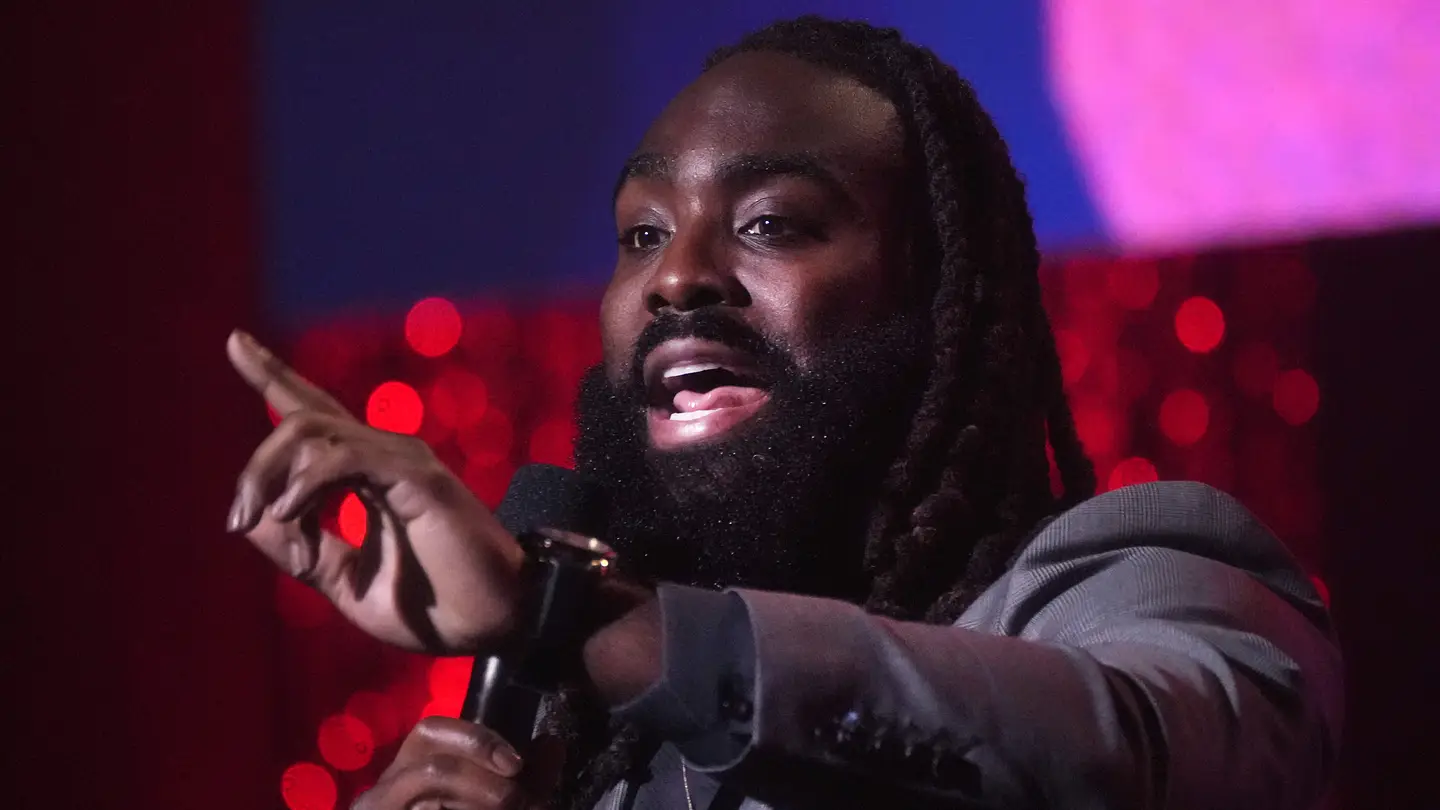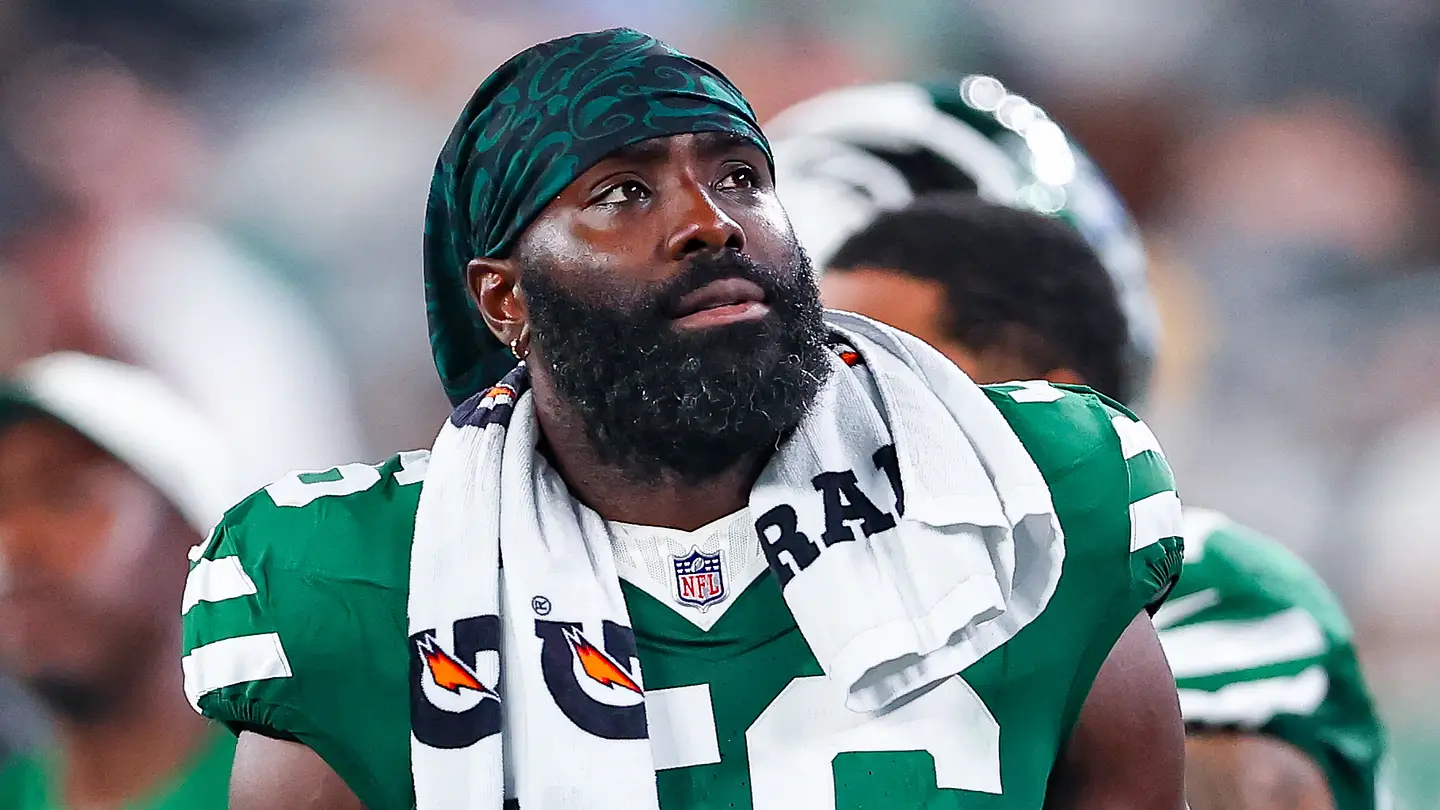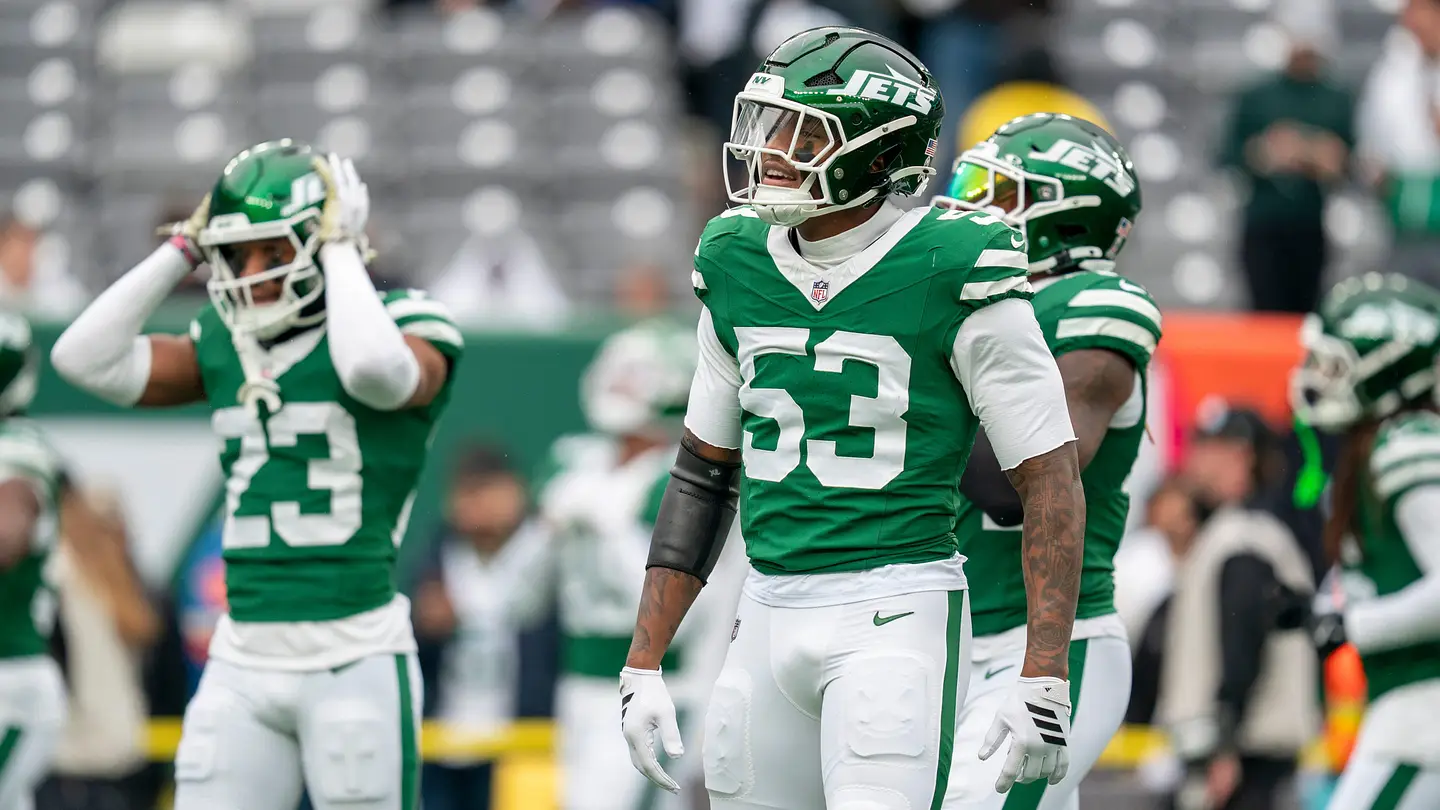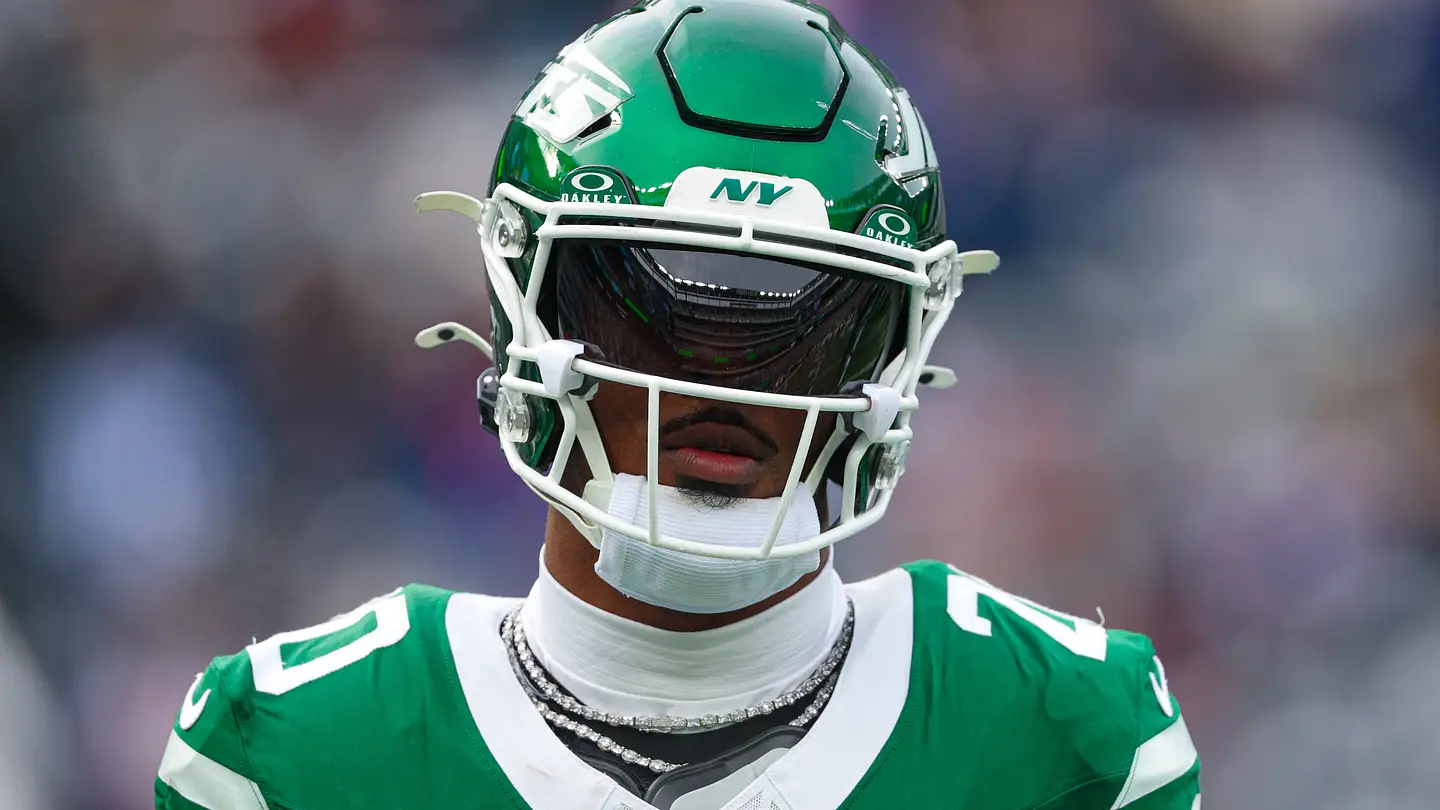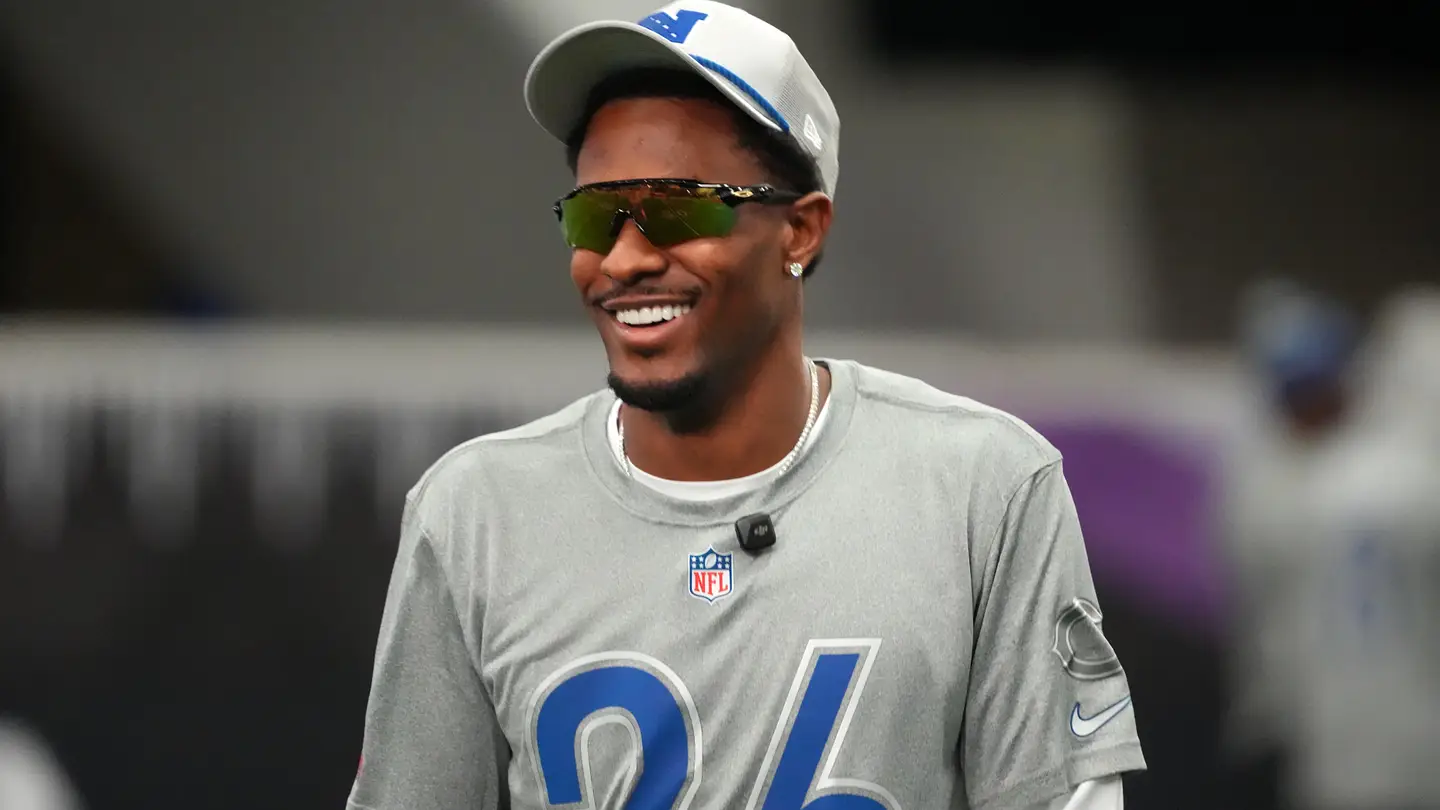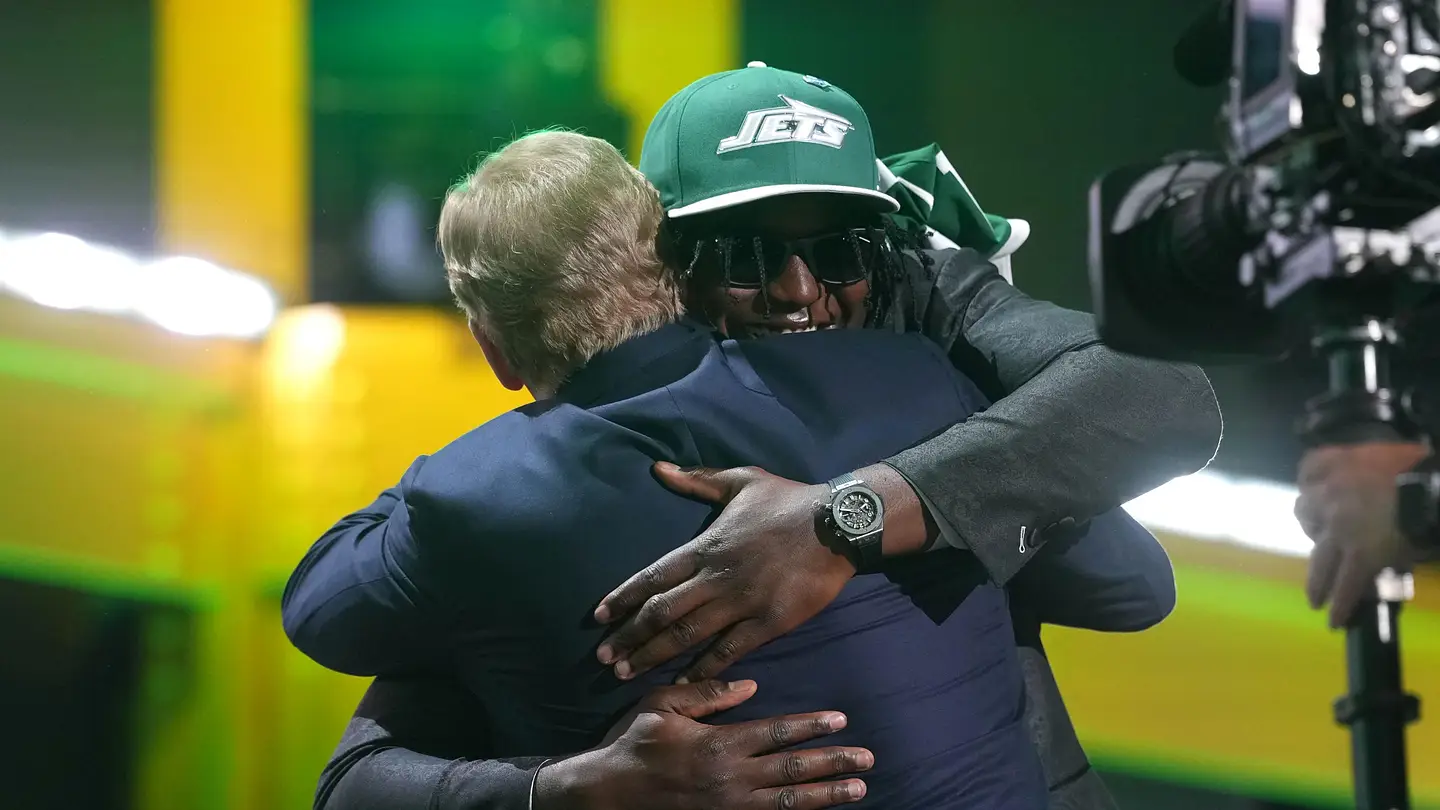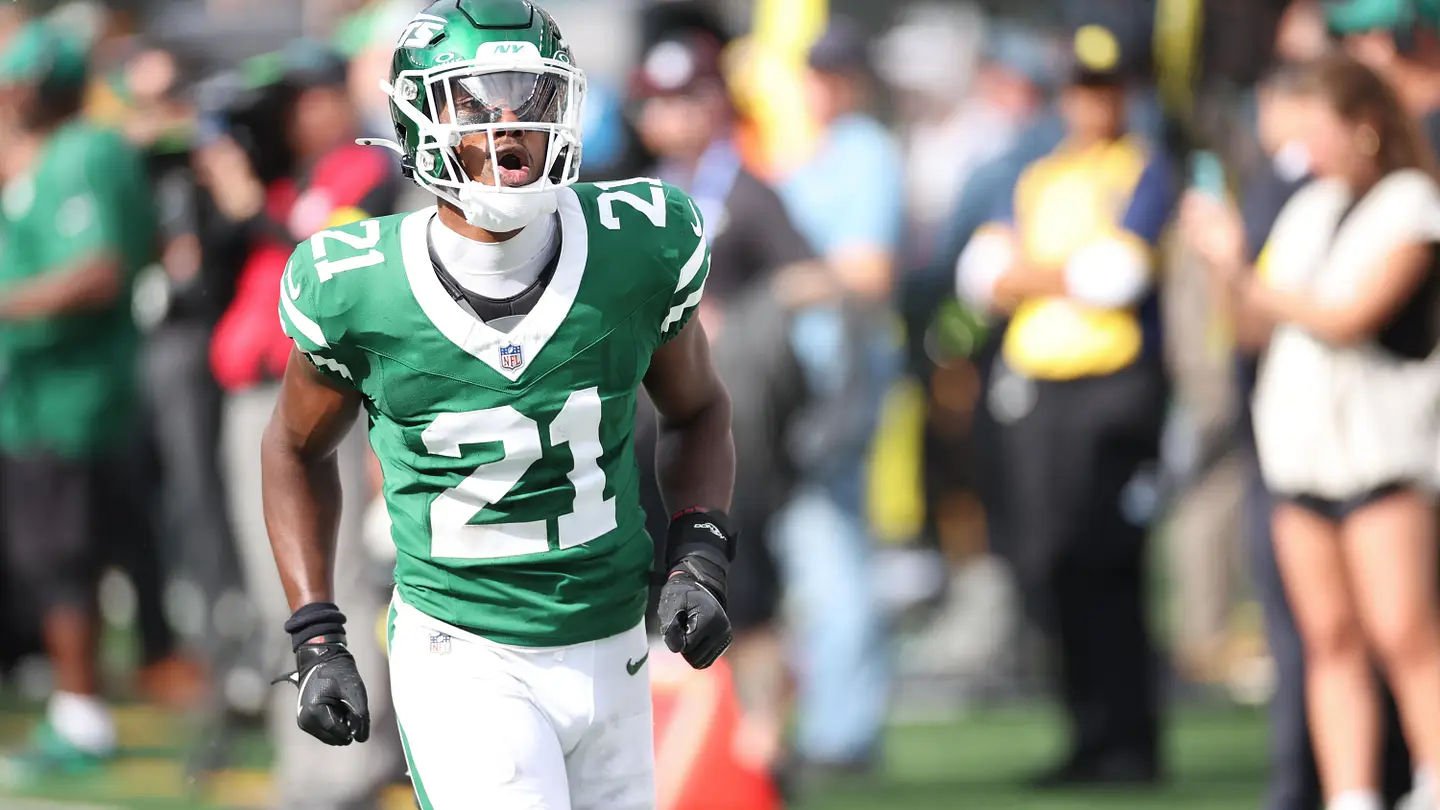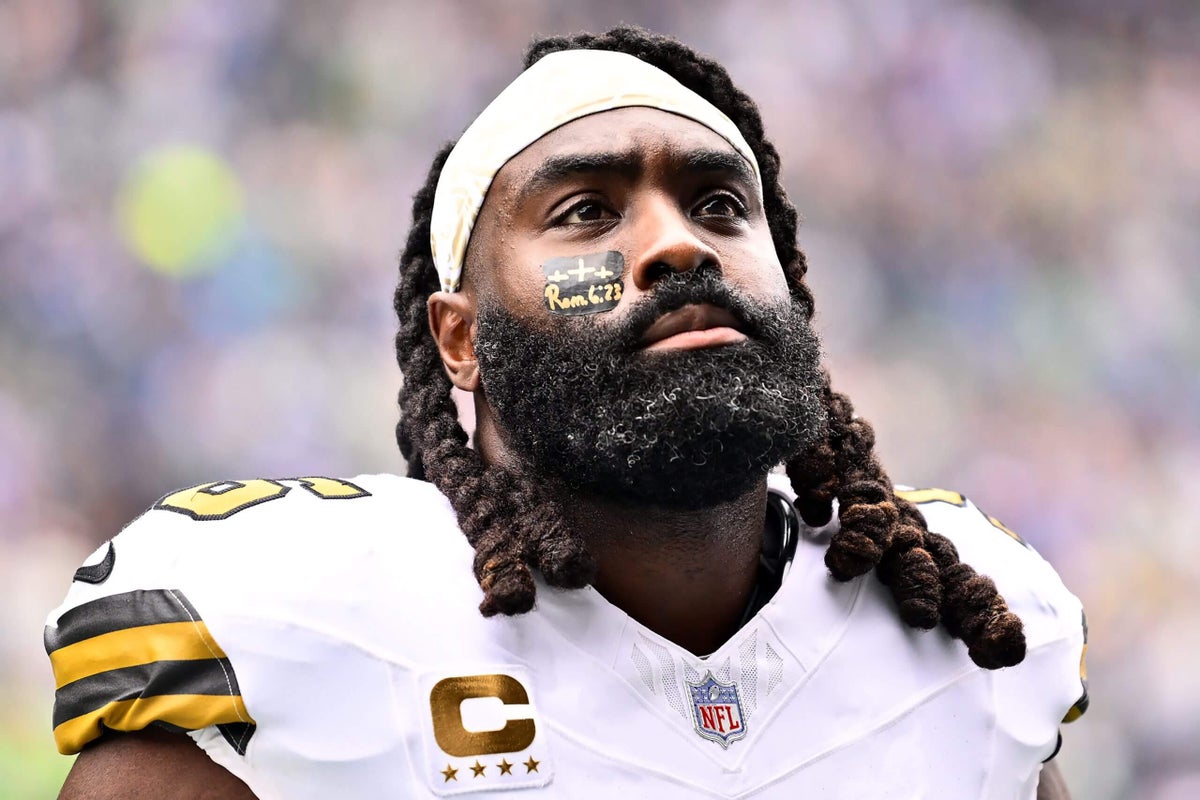
Harrison Phillips spent all of last offseason in an environment he loved in Minnesota, as part of a culture he understood, in a locker room filled with leaders and stars who he felt carried themselves the right way. He was part of a collective, not the head of one. Then, unexpectedly, he was shipped out just after training camp to a new organization, with a first-year coach and a collection of young players in desperate need of leadership.One week after Phillips was traded to the New York Jets last year, the team announced its captains. It included a quiet quarterback (Justin Fields), an offensive lineman who was lost for the season with an injury before it even started (Alijah Vera-Tucker), a 25-year-old wide receiver who wound up only playing in seven games (Garrett Wilson), a defensive tackle who was traded at midseason (Quinnen Williams), a 25-year-old linebacker coming off a breakout year (Jamien Sherwood), and a special teamer with 14 games of NFL experience (Marcelino McCrary-Ball).By the time Williams was traded, Phillips — by virtue of being a veteran with the comportment to speak up for his teammates — was catapulted into a role as a leader for the Jets. Maybe the leader.“It’s a very long season and whether you’re riding high and feeling yourself on a five-game winning streak or you’re down in the dumps on a five-game losing streak, we can lean in on different leaders,” Phillips said. “When you don’t have as many, it can feel like dictatorship because he’s the loud voice in the room and we hear him all the time. It’s not his team, his defense, it’s ours. When you have enough leaders it is our team.”That will not be the case in 2026. The Jets did their best to rectify their mistake, an aggressive youth movement at the detriment of experience and maturity. General manager Darren Mougey and head coach Aaron Glenn attacked this offseason with a plan to infuse the locker room with veterans who have been there before — and in a couple of instances, here before — and understand what it takes. Players willing and able to lead.That includes safety Minkah Fitzpatrick, defensive tackle David Onyemata and quarterback Geno Smith. Phillips is back and Garrett Wilson is healthy.But one addition in particular stands above them all. He is not above them, but his stature and experience stand out. So does the way he talks, the way he acts, the way he leads. He’s a coach on the field, the kind the Jets have been missing since C.J. Mosley walked away.He’s 37 years old. They call Demario Davis “Double-D.”Ask Davis the right question and you’ll get him talking for a while. His (re)introductory press conference in March lasted for 16 minutes, more than double the typical length. His answers are well-thought-out. His tone is rosy and warm, brimming with optimism. He sees the light, even here. He can’t believe he’s back with the Jets, the team that drafted him in 2012, and the team that let him go for the second time nine years ago. They didn’t value him then. They do now.
Demario Davis filled the Jets’ biggest need, and at age 37 he isn’t slowing down
The Jets made a mistake in their youth movement a year ago. Davis is the biggest part of the correction.
1,543 words~7 min read