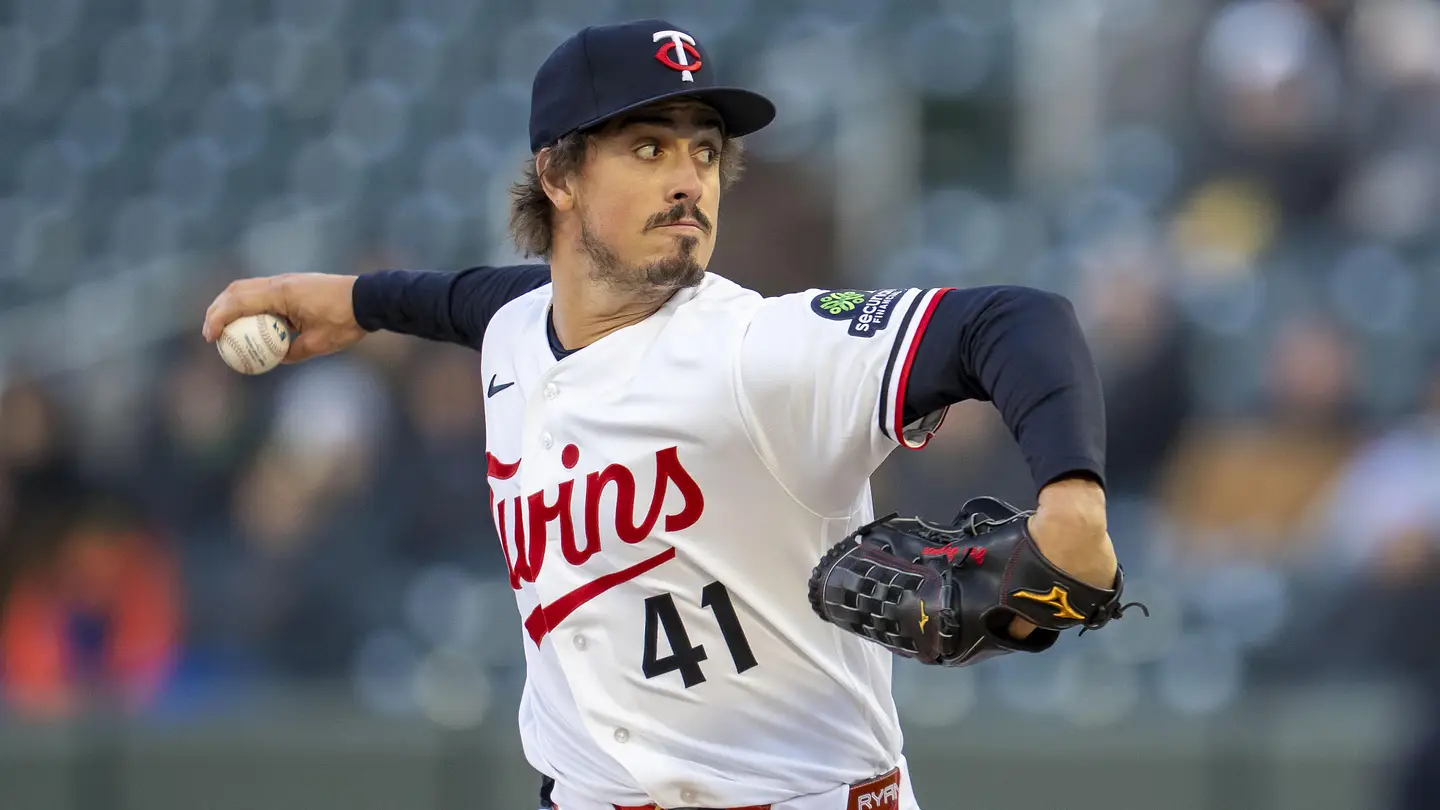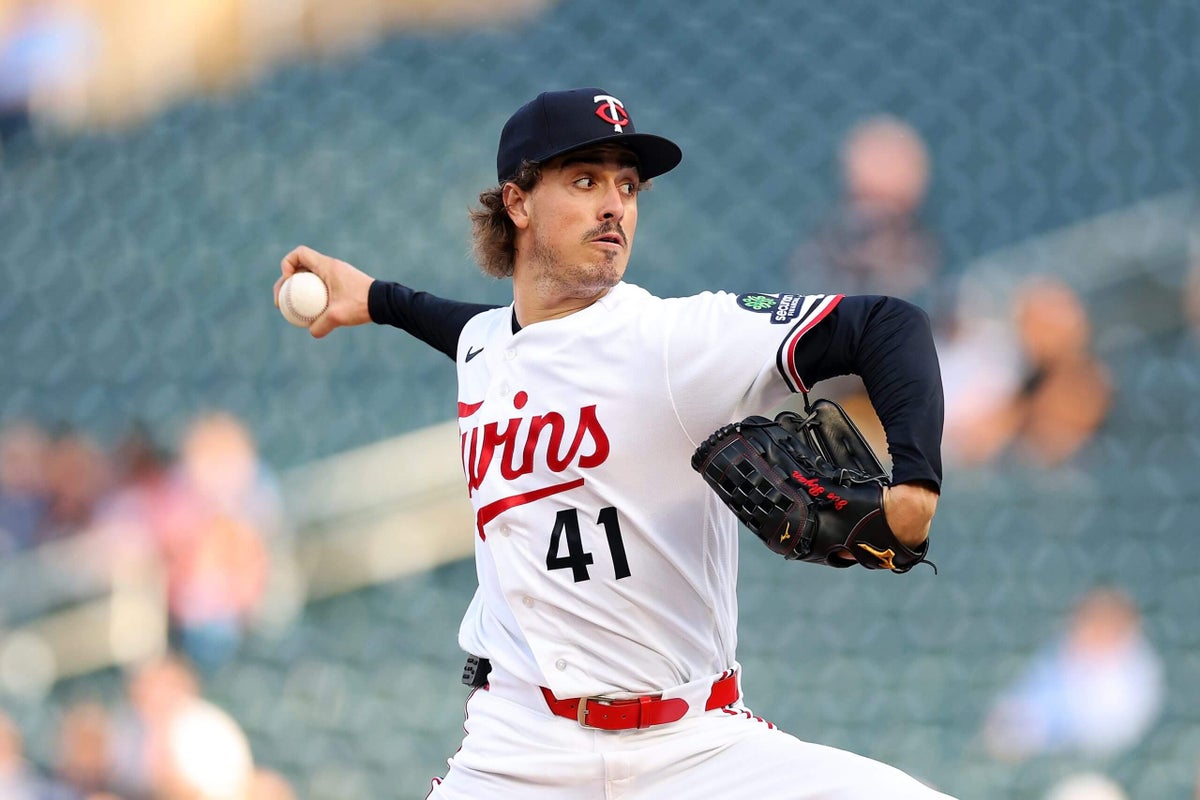
I can already picture the haggling, the leveraging, the bluster. Buyers at the trade deadline huffing and puffing to sellers about the possibility of an owners’ lockout canceling part or all of the 2027 season.Let’s use Minnesota Twins right-hander Joe Ryan, a top starting pitcher under club control through ’27, as a not-so-imaginary example.Says an interested executive to Twins general manager Jeremy Zoll: “I love Joe, but in calculating what I’ll offer, I’ve got to price in the risk of losing games to the lockout.”How I would fire back if I were Zoll: “History suggests we’re not going to lose an entire season. If we play only 60 games, 100, 140, someone will still hoist the World Series trophy at the end. And if you don’t want Joe, go trade for a rental!”I’ll say it right now: If the 29-35 Twins fall out of contention — and bless their faintly beating hearts, they’re only two games back in the bumbling competition known as the American League wild-card race — they’re going to trade Ryan, and not at a discount.How do I know?Because last offseason, two quality players under control through 2027 — utilityman Brendan Donovan and left-hander MacKenzie Gore — yielded significant returns.Donovan brought the St. Louis Cardinals three prospects in a three-team deal with the Seattle Mariners and Tampa Bay Rays. One of them was pitcher Jurrangelo Cijntje, the 15th pick in the 2024 MLB Draft. The Cardinals also obtained the Nos. 68 and 72 selections in next month’s draft.Gore brought the Washington Nationals five prospects from the Texas Rangers, including infielder Gavin Fien, whom The Athletic‘s Keith Law ranked No. 76 in his top 100.The prospect of missing games next season arose during the Donovan and Gore discussions, according to executives briefed on the conversations. But ultimately, the uncertainty about 2027 had little impact on the returns.All of the executives interviewed for this column spoke on condition of anonymity because the league prohibits them from commenting publicly on labor-related matters.So much is unknown about how the labor negotiations will play out. In many ways, front offices will be flying blind, and not just about the length of the 2027 season. The question of whether players would receive service time for canceled games is another potential area of dispute between owners and players.A loss of service time would delay eligibility for players in salary arbitration and free agency. The players who went on strike in 1994 and ’95 had their service time restored by the 1996 collective bargaining agreement, but not without a protracted fight.If anything, service time is more valuable to players now than it was then. Teams today use aging curves in their valuations and often view older veterans skeptically.
Why the threat of a work stoppage in 2027 shouldn’t impact this year’s MLB trade deadline
Twins starter Joe Ryan, under club control through 2027, will still have plenty of trade interest even with the potential of missed games.
1,395 words~6 min read