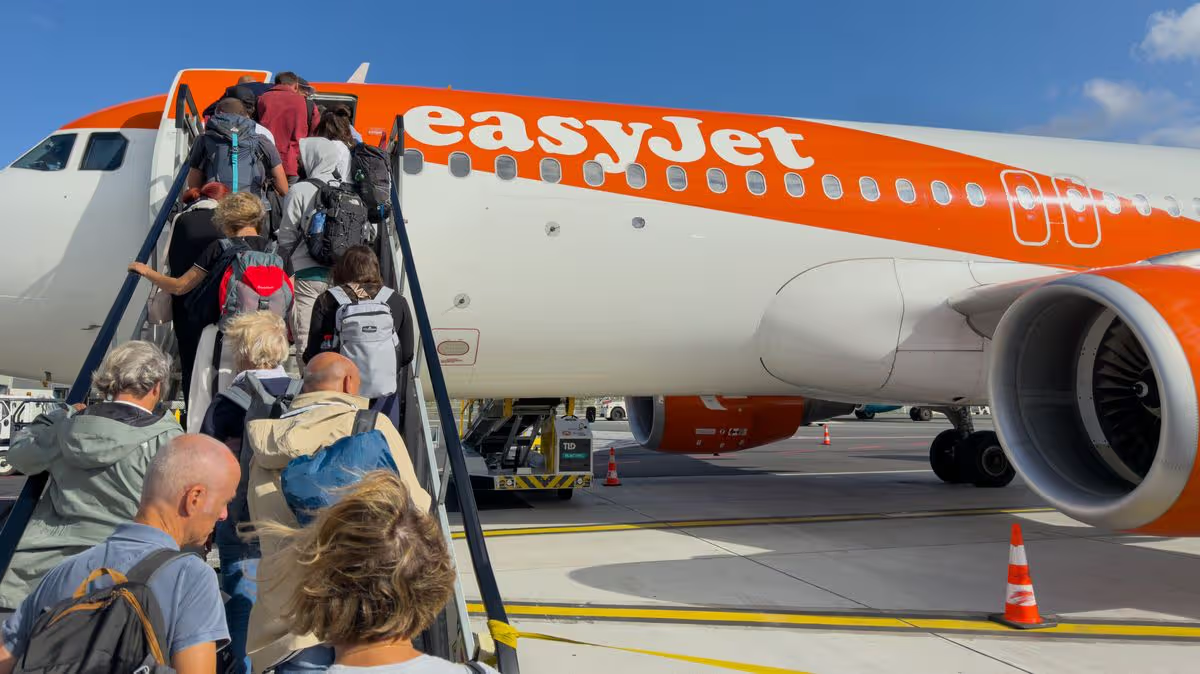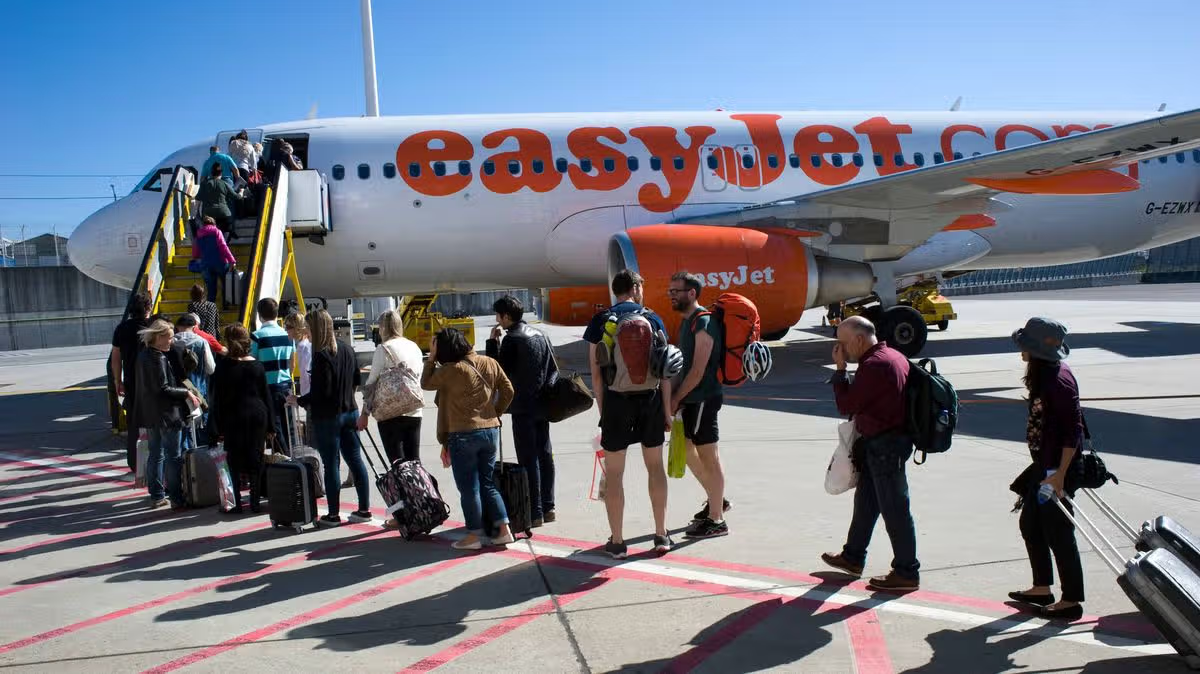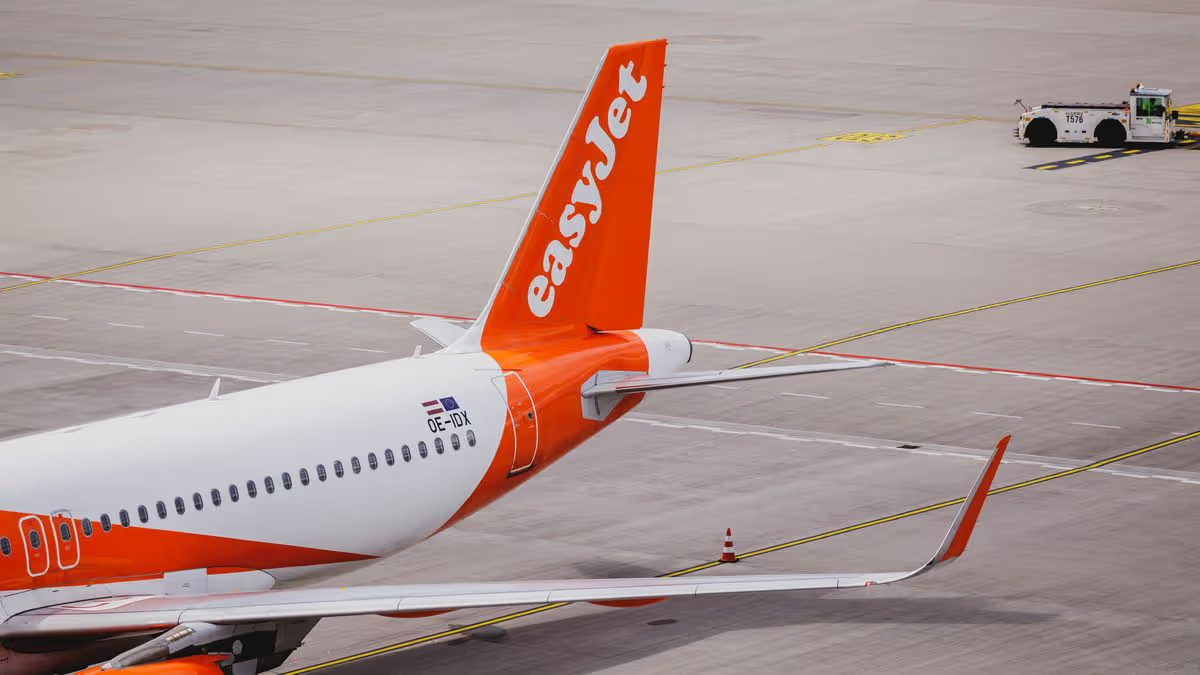
TravelEasyJetThe popular airline shared boarding advice for passengers on its website10:28, 05 Jun 2026easyJet has advised passengers to drink water before, during and after their flights. The airline posted the message on its website, as part of health advice shared to keep passengers safe.On a page about boarding and flying, the easyJet website raises awareness of DVT (deep vein thrombosis), which is a blood clot in a vein. Although rare, they can be fatal, The Royal Orthopaedic Hospital explains. According to the NHS hospital: "Deep vein thrombosis (DVT) is a blood clot (also known as a thrombosis) that forms in a deep vein, most commonly in your leg or pelvis which can cause pain and swelling."If a clot becomes dislodged and passes through your blood vessels it can reach your lungs, this is called a pulmonary embolism which can cause breathlessness." People who make long journeys face a higher risk of getting DVT.The Royal Orthopaedic Hospital said: "The risk of DVT within the general population is 1:1000. This risk is increased with long journeys (more than four hours), particularly flying. The evidence is less conclusive for shorter journeys and flights but if you are at high risk it would be worth taking precautions."easyJet shared similar advice on its website, along with tips for passengers. The airline said: "Sitting for long periods poses the greatest risk in developing DVT. Here are some useful tips:Drink plenty of water before, during and after the flightKeep mobile – walk around the cabin whenever you canMove about in your seat and change positionAvoid crossing your legsWear support tights."What does the NHS say about DVT?The NHS website said you have a higher chance of getting DVT if you go on a long journey of more than four hours, by train, plane, or car. The advice continued: "If you're travelling for four hours or more by plane, train or car, there are things you can do during the journey to lower your chances of getting DVT. These include:wearing loose clothingdrinking plenty of wateravoiding alcoholwalking around when possible."According to the NHS, DVT is more likely for some people, including people who are aged over 60, smoke, have varicose veins, or take certain contraceptives. The NHS added that sometimes DVT happens for no obvious reason.The health service said symptoms of DVT in the leg include throbbing pain in one leg, swelling in one leg, swollen veins, and red, blue or darkened skin around the painful area. The throbbing and swelling are usually felt in one leg.Article continues belowThe NHS said you should ask for an urgent GP appointment or contact NHS 111 if you think you have DVT. Call 999 or go to A&E if you have symptoms and feel short of breath or have chest pain.The NHS explained: "DVT can be very serious because blood clots can travel to your lungs. This is called a pulmonary embolism. A pulmonary embolism can be life-threatening and needs treatment straight away."Choose Daily Mirror as a 'Preferred Source' on Google News for quick access to the news you value.EasyJetTravelAir travelTravel TipsHealthy LifestyleHealthy LifeHealthy LivingGood HealthExpert AdviceNHSPlanes
easyJet tells passengers 'drink plenty of water' before flights
The popular airline shared boarding advice for passengers on its website
514 words~2 min read