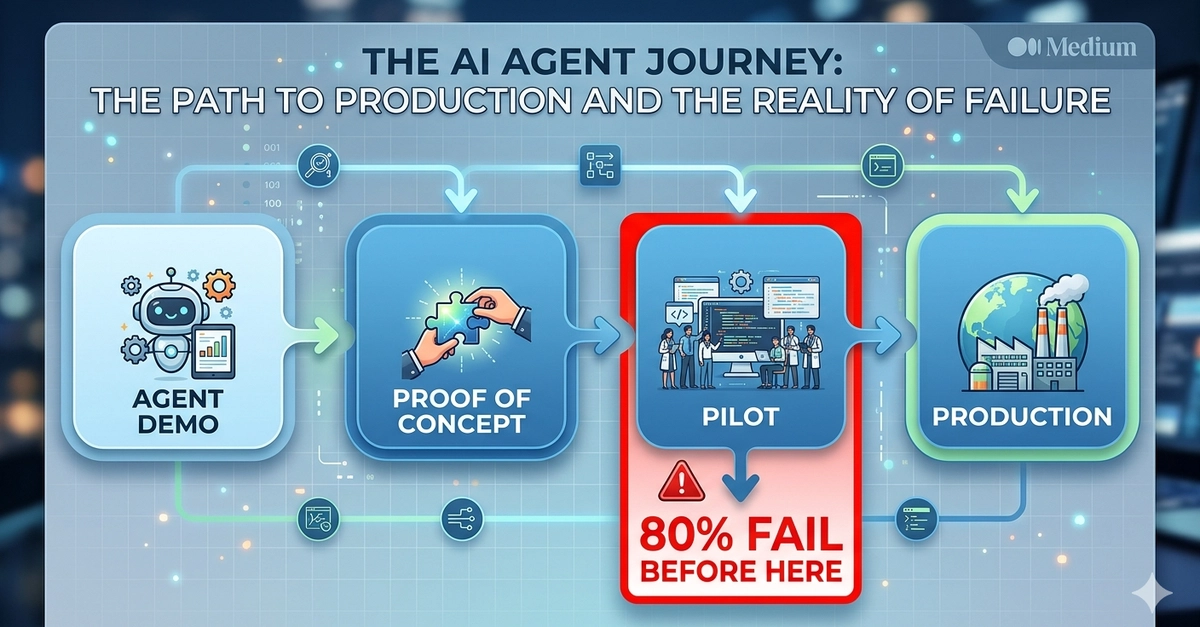
Agentic AI has moved from conference hype to a budget line item. This is where the conversation gets more interesting and more uncomfortable. Unlike traditional AI systems that respond to a single prompt, classify a document, recommend an action, or generate a summary, agentic AI systems are designed to pursue goals. They plan, call tools, inspect results, retry failed steps, consult memory, hand off tasks to other agents, and sometimes critique their own work before producing an answer or taking an action.
That extra autonomy is the value proposition. It also introduces the cost problem.
A single chatbot interaction may consume a few thousand tokens. A useful agentic workflow can consume hundreds of thousands or millions of tokens per day because it does more than answer a question. It decomposes the problem, retrieves context, reasons through options, invokes APIs, checks the output, and often runs multiple passes before reaching a result. Therefore, the economics need to be understood at the level of “agent instances,” not just model calls.
For the estimates below, I am using a blended token cost of $3 dollars per million tokens. This is not intended to reflect a single vendor’s list price. It is a blended planning figure that assumes a mix of input and output tokens, reasoning steps, retrieval-augmented generation, summarization, tool calls, memory updates, and occasional use of larger context windows. Some enterprises will pay less through volume discounts or by routing work to smaller models. Others will pay more by using premium models, long-context prompts, web browsing, large document ingestion, and repeated reasoning loops.