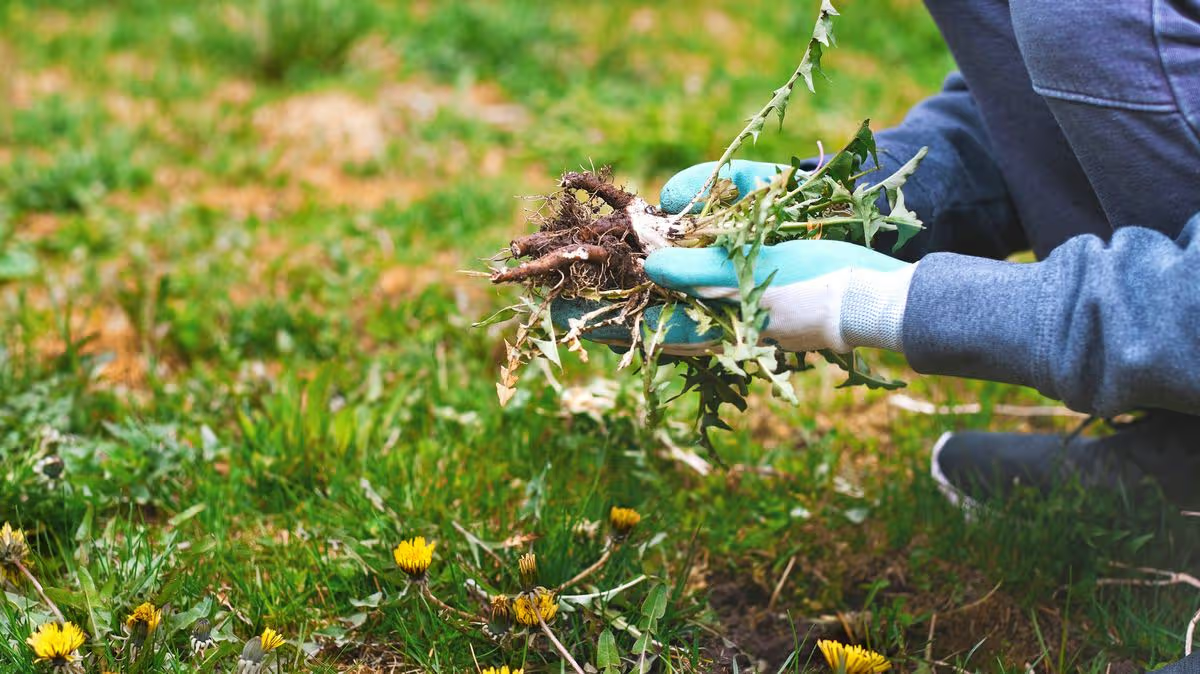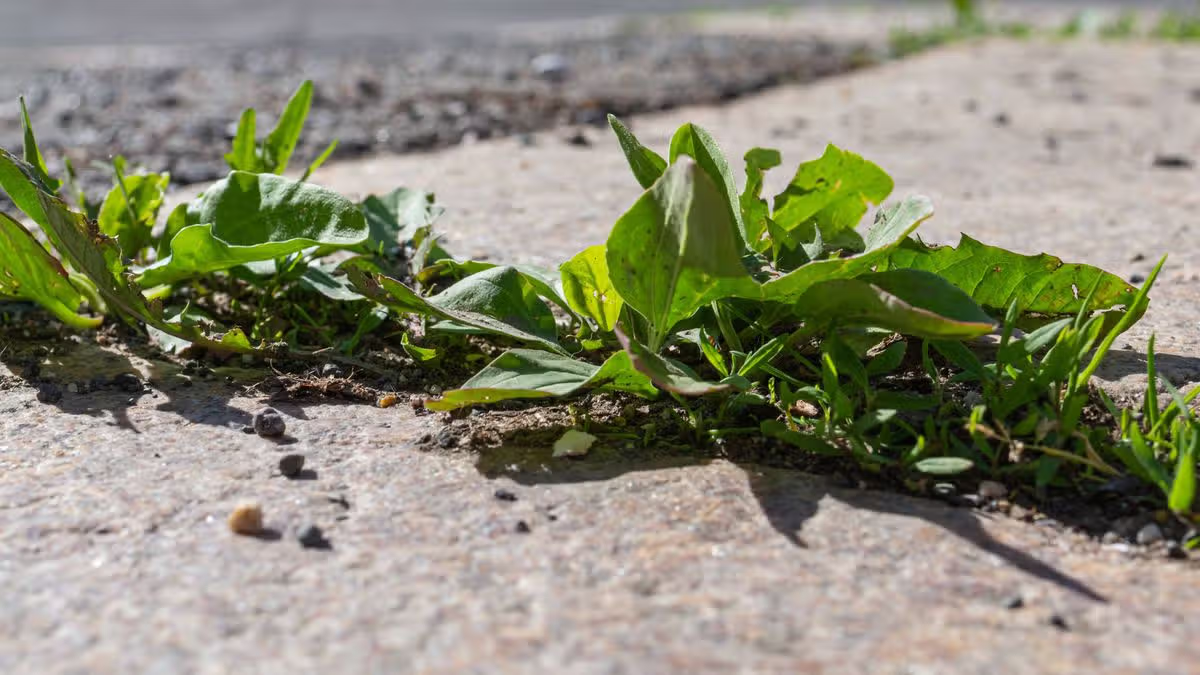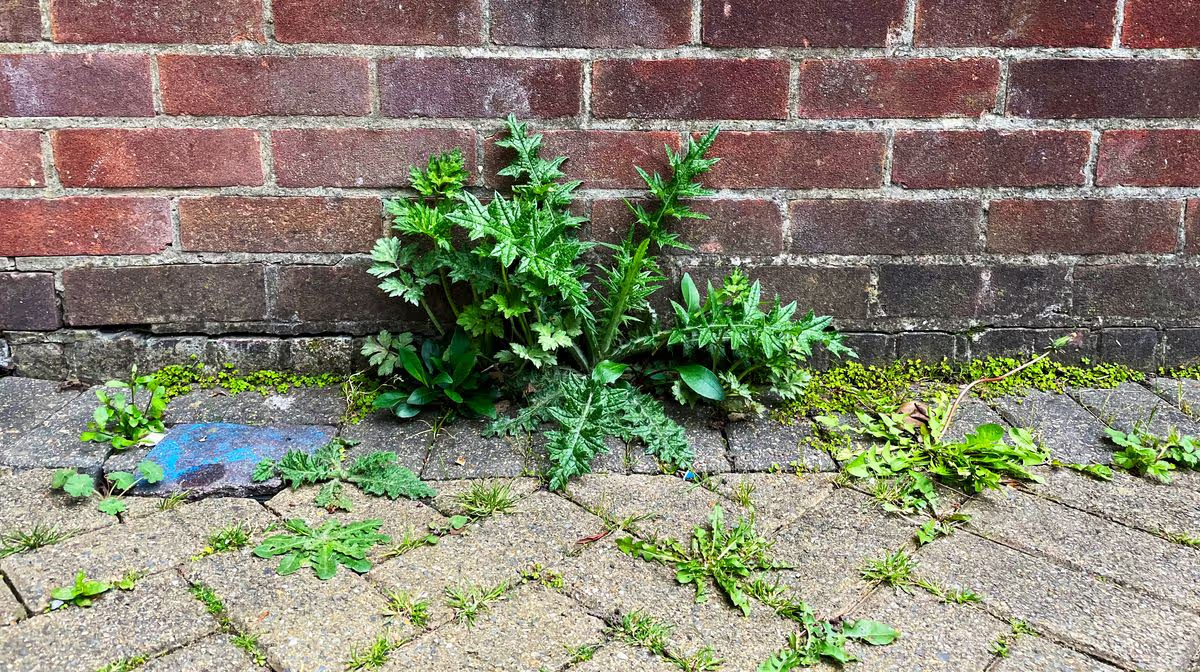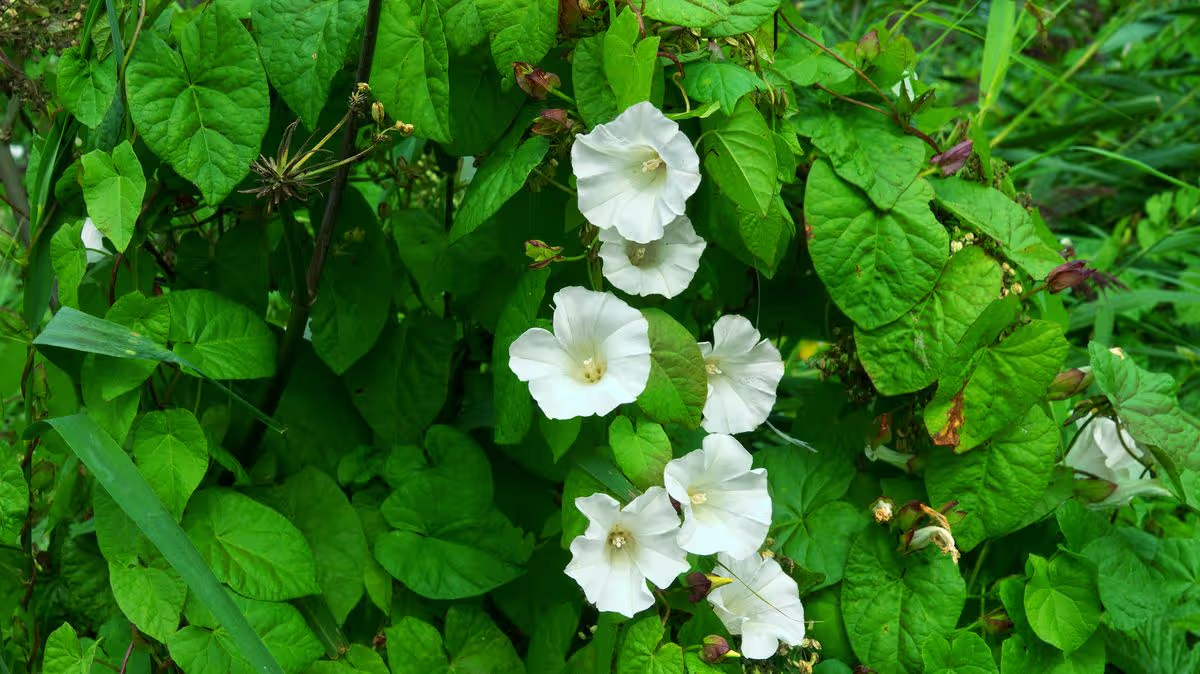
Weeds can keep growing back time and time again if not removed properly09:54, 05 Jun 2026Weeds can make a garden incredibly unsightly, and some can even be detrimental to the longevity and vitality of other plants. A Royal Horticultural Society expert recently shared that there’s one particular weed - bindweed - that keeps rearing its head, and how you can remove it without damaging the rest of your garden’s flora.Bindweed can be notoriously difficult to get rid of, and if it’s not removed properly, it can keep growing back time and time again. You can recognise bindweed by its long twining stems and large white trumpet flowers.It can grow to form a large collection of foliage, ultimately choking garden plants, reducing their growth or killing smaller plants entirely. Nick Turrell, an RHS adviser, said in a recent TikTok video: “Bindweed has been growing in the UK since the last Ice Age, and no matter how us humans have tried to kill it, it’s still here.”He recently shared five simple tips for getting rid of bindweed and stopping it from coming back and ruining your garden. One of the reasons that bindweed is so common in gardens is because it tries to compete with other plants for moisture, nutrients, space and light.The plant’s stem can even smother other plants thanks to their deep, extensive roots, which makes them particularly tricky to get rid of. Bindweed can spread throughout gardens when new plants or soil containing root fragments are introduced.Once bindweed fragments are introduced to soil, the roots can spread quickly. They can also be spread through composting the roots or accidentally chopping them when digging the plants up.To get rid of bindweed, gardeners need to be consistent and just as persistent as the weed itself. Nick explained that cutting back the weed is incredibly important.Content cannot be displayed without consentHe urged gardeners to “keep cutting it back”. He said: “Be persistent and be patient and eventually it might give up.”Simply use a pair of secateurs and snip away at the leaves and branches. When tackling the roots, you should fork out as many of them as possible, without breaking them.If possible, dig up all of the root system, leaving nothing behind. Nick said: “Fork out as many roots as possible, but try not to break them, because even a tiny little piece can regrow.”Article continues belowThe RHS also recommended deadheading the plants before it has a chance to produce seeds; fork out any seeds, which most likely appear in spring and autumn; or lift the border plants, clear the ground and replant.However, Nick explained that there is one scenario where you can leave bindweed alone. If you have a wildlife garden or a mature hedge, you can actually leave the bindweed where it is.The expert explained that bindweed is actually beneficial to a whole host of insects
Persistent weeds won't grow back if you do simple task every week
Weeds can keep growing back time and time again if not removed properly
476 words~2 min read