Georgia’s two largest utility proceedings of the year were settled last month between Georgia regulators and Georgia Power. Customers and utility advocates see mixed results in the outcome.
Georgia Power sought approval to recover costs tied to their operations and maintenance. The proceedings, which occur regularly every few years, will ultimately lower near-term costs for customers this cycle, largely due to declining fuel prices. But the filings also highlight how the utility’s cost-recovery structure allows it to pass along climate-driven expenses while still generating returns for their shareholders.
The first proceeding focused on fuel costs—the money Georgia Power spends to buy natural gas, coal and other fuels used to generate electricity. Utilities are allowed to periodically recover those expenses directly from customers through monthly bills.
Georgia Power initially sought to recover about $300 million through the proceeding, but staff with the Georgia Public Service Commission negotiated that amount down by roughly $13 million.
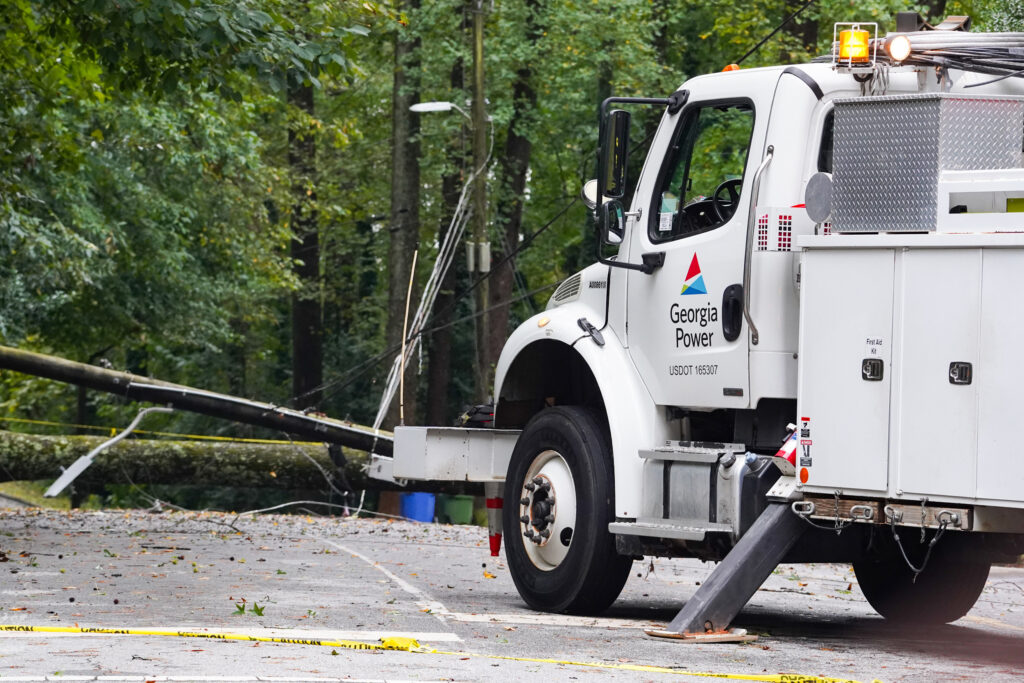
Even so, customer fuel charges this cycle will be lower than in the previous recovery period. The last fuel-cost cycle reflected unusually high gas prices following Russia’s invasion of Ukraine, which disrupted global energy markets and drove up electricity costs across the country. The second proceeding focused on storm recovery costs tied to major weather events and grid restoration. Georgia Power initially requested roughly $269 million in annual storm recovery charges to begin paying down more than $912 million in costs accumulated on the company’s books. Most of those expenses stem from Hurricane Helene, which caused more than $770 million in damage and restoration costs.