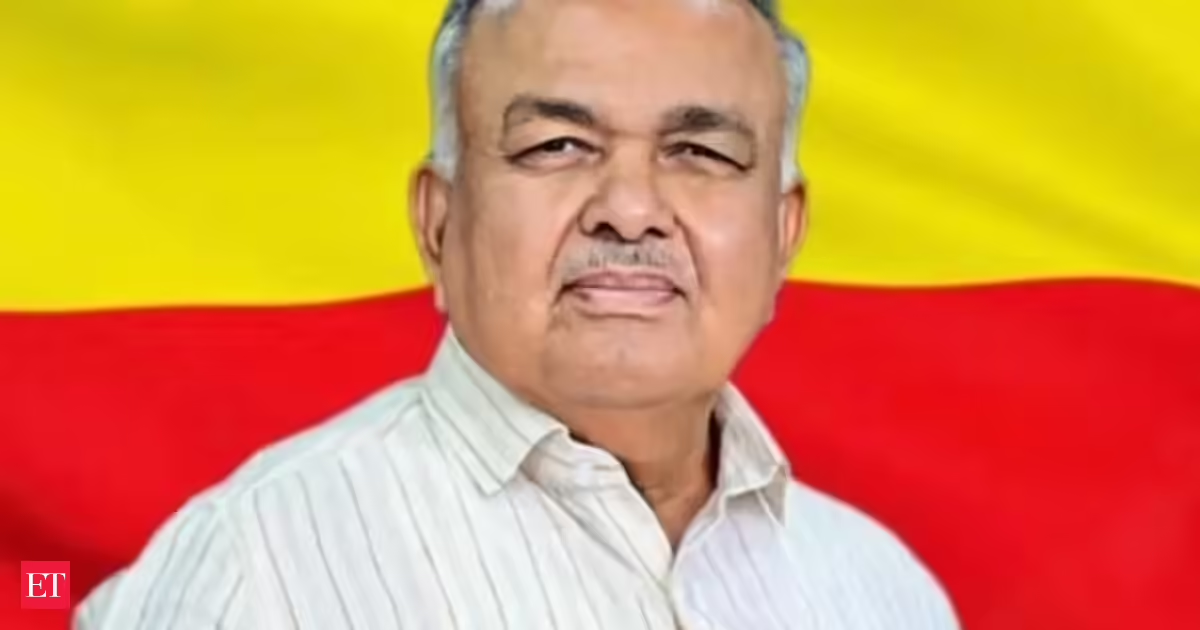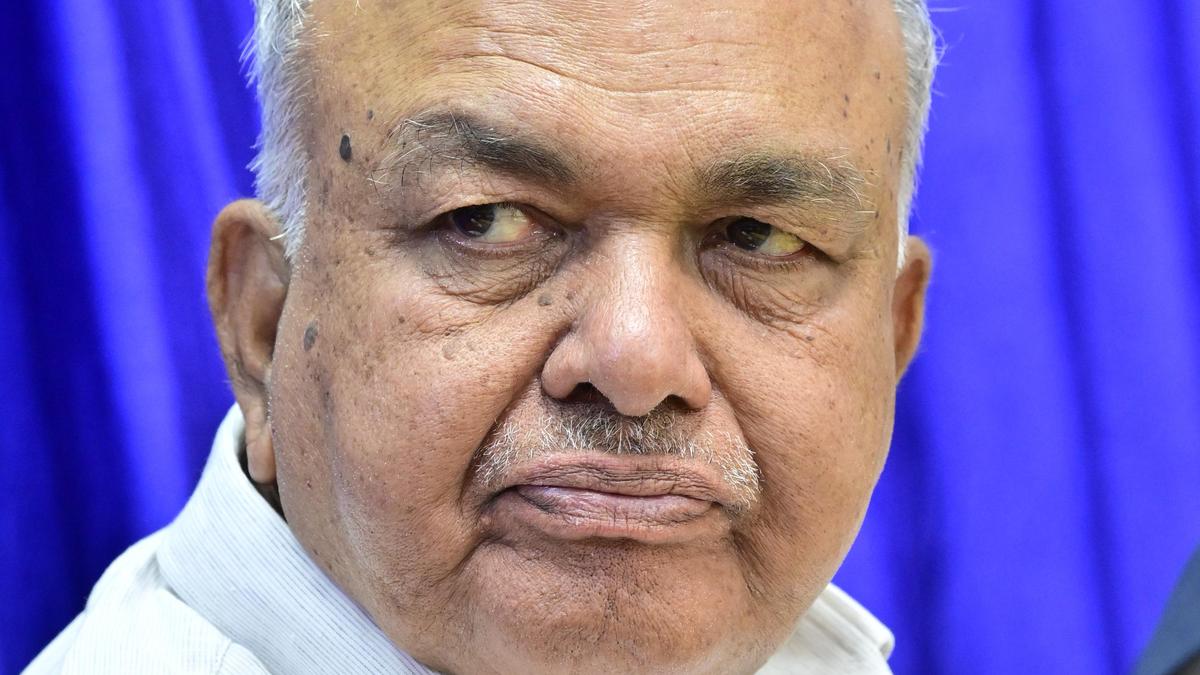
Ramalinga Reddy
| Photo Credit:
TH
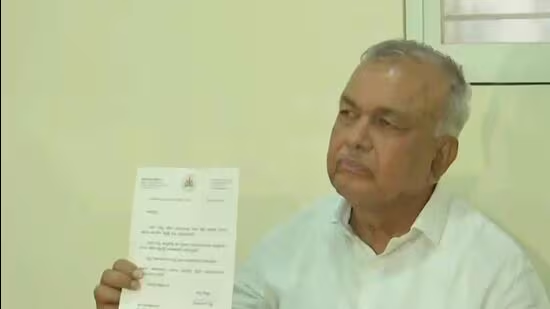
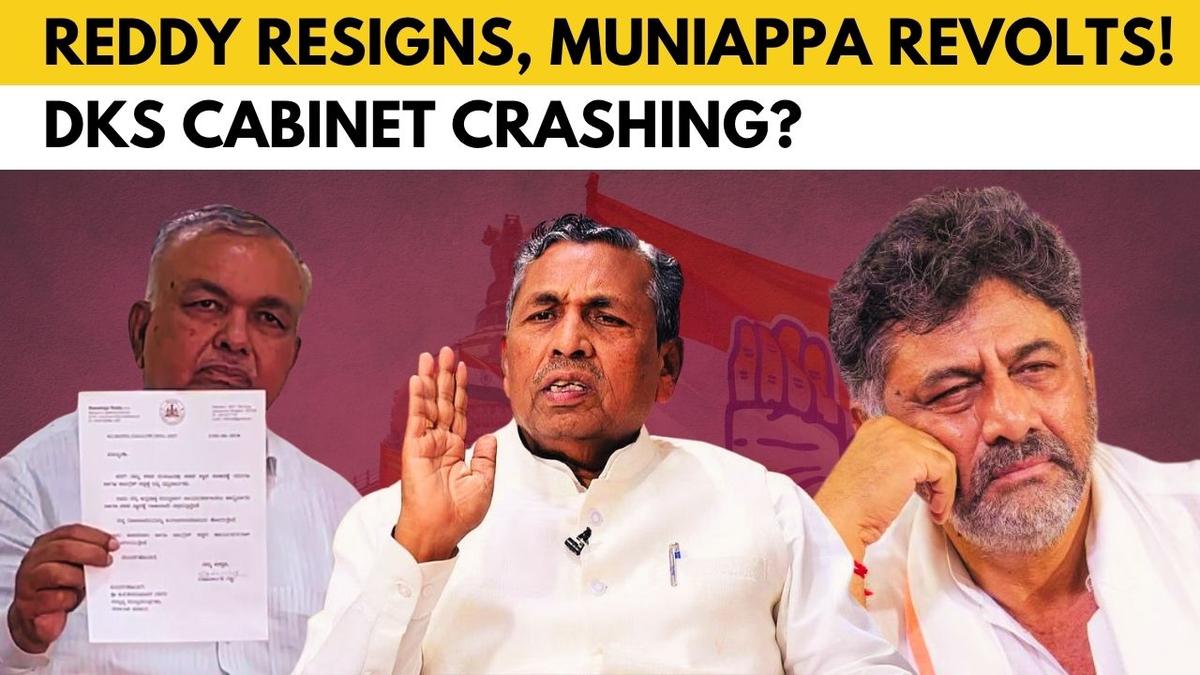
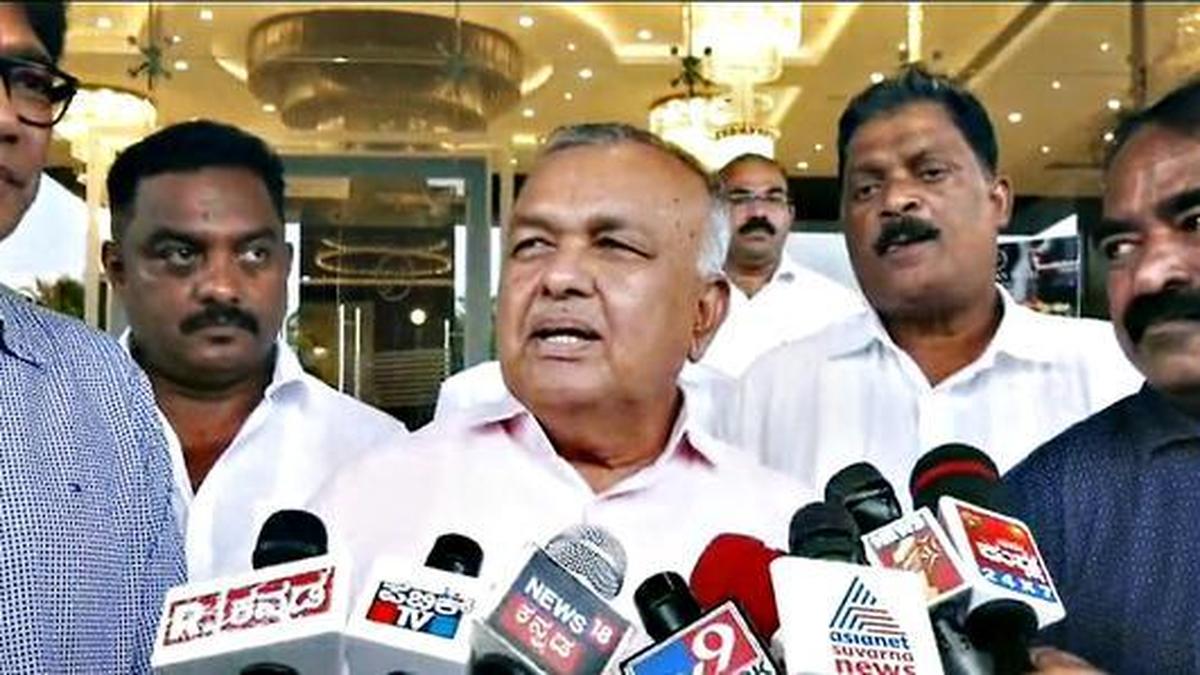
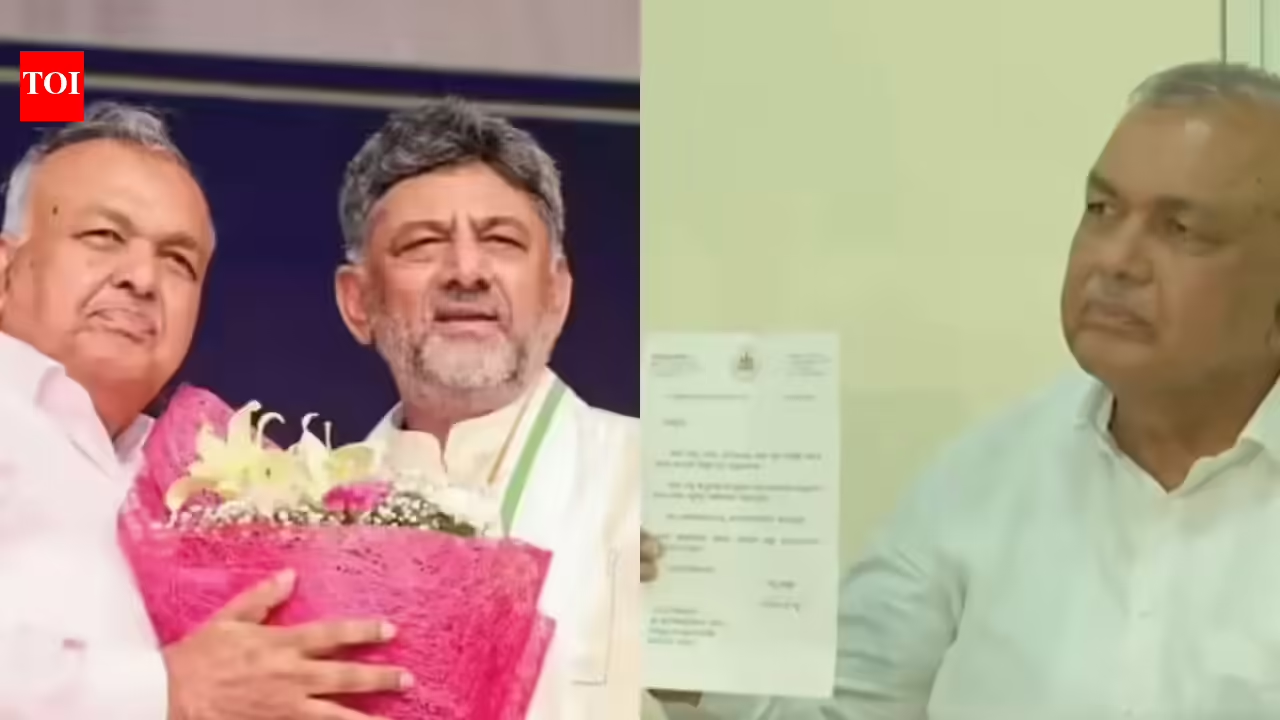
The Karnataka Cabinet is facing an internal challenge following the official allocation of portfolios by Chief Minister D.K. Shivakumar. The announcement has led to the resignation of senior Congress leader R. Ramalinga Reddy, who expressed dissatisfaction with his assigned role.Reddy, a veteran legislator, resigned after being allocated the Water Resources portfolio. He stated that he had previously been promised the Bengaluru Development portfolio, a key position that has now been given to Krishna Byre Gowda. While Reddy has stepped down from his cabinet post over the decision, he indicated that he intends to remain with the Congress party as a Member of the Legislative Assembly.In the wider cabinet distribution, Chief Minister DK Shivakumar retained control over core departments, including Finance, Cabinet Affairs, Intelligence and Personnel and Administrative Reforms. Several ministers retained their previous portfolios to ensure administrative continuity. Priyank Kharge remains the Minister for IT, K.H. Muniyappa continues with Food and Civil Supplies, M.B. Patil retains Large and Medium Industries, and Satish Jarkiholi stays with the Public Works Department.The reshuffle also introduced several changes in leadership roles and introduced new ministers to the cabinet. Eshwar Khandre, who previously managed Forest, Ecology and Environment, has been moved to Rural Development, while K.J. George took on Tourism as an additional portfolio. Dr. Sharan Prakash Patil transitioned to the Education ministry after previously overseeing Medical Education. Additionally, first-time minister Dr. Yathindra Siddaramaiah was assigned Urban Development and Byrathi Suresh was given charge of the Transport portfolio.The portfolio dispute has drawn varied reactions from within the political sphere. Supplying a defence for the leadership, Congress spokesperson Aishwarya Mahadev downplayed the friction, stating that the cabinet and portfolio allocation is an internal matter of the party and the government, and any concerns will be resolved through internal discussions.She added that they do not believe these discussions will have any impact on governance or the stability of the government, noting that Congress has always encouraged internal dialogue and that differing opinions should be seen as part of a healthy democratic process, not as a sign of instability. Conversely, the opposition criticised the internal disagreement, with a BJP spokesperson criticising the ruling party for focusing on internal portfolio disputes rather than public development, stating that the citizens of the state ultimately bear the cost of these political differences.(The writer is an intern with businessline)Published on June 5, 2026