How is your school rethinking teaching and learning so that students develop not only academic strength, but also adaptability, problem-solving abilities, and the confidence to navigate uncertainty?At PEA, everything we do starts with a simple, foundational question: What is truly best for our students? Academic excellence is a priority, but true education must nurture the whole student. If a student earns top marks but feels completely overwhelmed by an unexpected challenge, we haven't fully done our job.We are moving away from traditional, memorization-heavy learning and focusing on active problem-solving. We want our school to be a warm, supportive environment where students feel safe to ask questions, explore new ideas, and even make mistakes. That is how genuine confidence is built. By keeping student well-being at the center of our educational approach, we ensure our students grow into resilient individuals who know they are capable of handling whatever comes next. Many schools speak about future-ready learning, but translating that into the curriculum requires concrete change. How are you redesigning classroom experiences, subject integration, and assessment methods to ensure students are developing skills that remain relevant in a fast-changing global economy?It is easy to speak about the future, but the real impact happens in the daily classroom experience. We are redesigning our teaching to link subjects more naturally. For example, instead of keeping math and science strictly separate, our teachers design practical projects where students see how these subjects connect in the real world.Our assessment methods have also evolved to protect the integrity of learning while being fair to every student's unique talents. While traditional examinations remain an essential measure of academic rigor, they do not tell the whole story. We have integrated continuous practical assessments, like group projects, presentations, and research tasks. This allows us to see and support a student’s actual capability, teamwork, and communication skills, rather than just their ability to memorize a textbook. What specific initiatives has your school introduced to help students better understand emerging industries, evolving career opportunities, and the expectations of higher education institutions worldwide?As educators, it is our responsibility to open doors for our students and show them what is possible. We cannot afford to wait until a student’s final year to start talking about their future. We introduce our students to emerging fields, including artificial intelligence and technology, early in their journey but we do it in a way that feels accessible and inspiring, not overwhelming.We regularly host university fairs and invite industry professionals to speak directly with our classes, giving them a realistic look at the global landscape. Through hands-on STEM and coding activities, ourstudents don't just read about the future; they actively participate in it, ensuring they meet the high expectations of international universities. Career guidance is increasingly moving beyond university counselling into long-term life planning. How does your school support students in making decisions about higher education, career pathways, and skill development?Career guidance at PEA is deeply personal. It should never be a rigid checklist for university applications; it is a collaborative process of self-discovery. Our counselling program focuses heavily on sitting down with each student to understand their individual strengths, genuine interests, and long-term personal goals.Through close mentorship and practical life-skills workshops, we help them look at the bigger picture. We place an immense value on teaching emotional resilience, responsible decision-making, and effective communication. Our role is to guide them toward academic and career pathways that match both their personal potential and the real demands of the changing global economy. Extracurricular programs are now considered an integral part of student development. How are sports, arts, innovation programs, entrepreneurship initiatives, or leadership opportunities being designed to strengthen competencies that are valuable for future careers and real-world success?We teach our students to maintain a balance between school, home, friends, and social obligations since we want them to become complete global productive citizens. Extracurricular activities play a vital role in this balance, serving as the space where character and values truly come to life outside the traditional classroom.Whether on the sports field or within our school forums, students are encouraged to test and refine their life skills. Through our student council and various school-wide initiatives, we trust our young people with real responsibilities, like managing school events, leading peer groups, and resolving differences under pressure. This balanced approach ensures that our students graduate not only with a strong academic certificate, but as kind, grounded, and capable human beings ready to make a positive difference in the world.
Future-ready education at Pakistan Education Academy
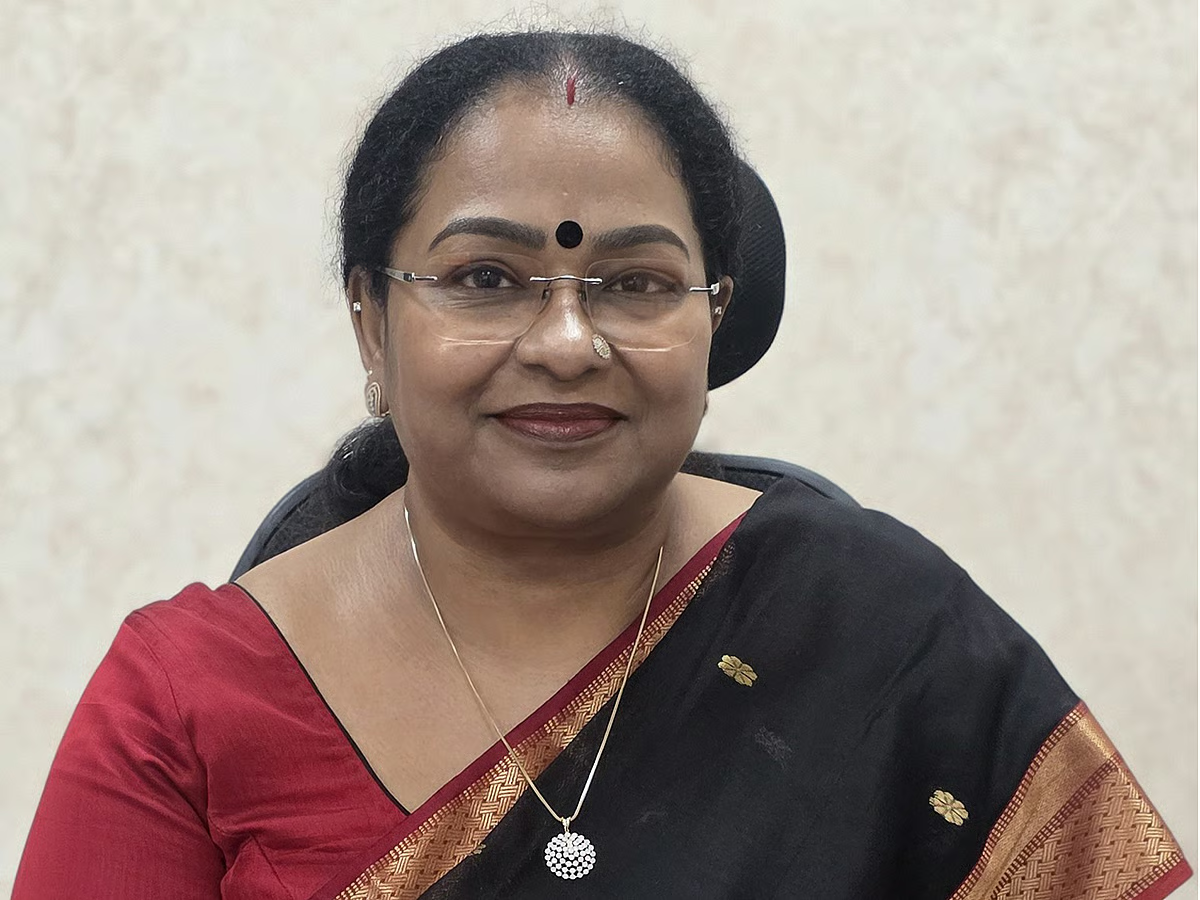
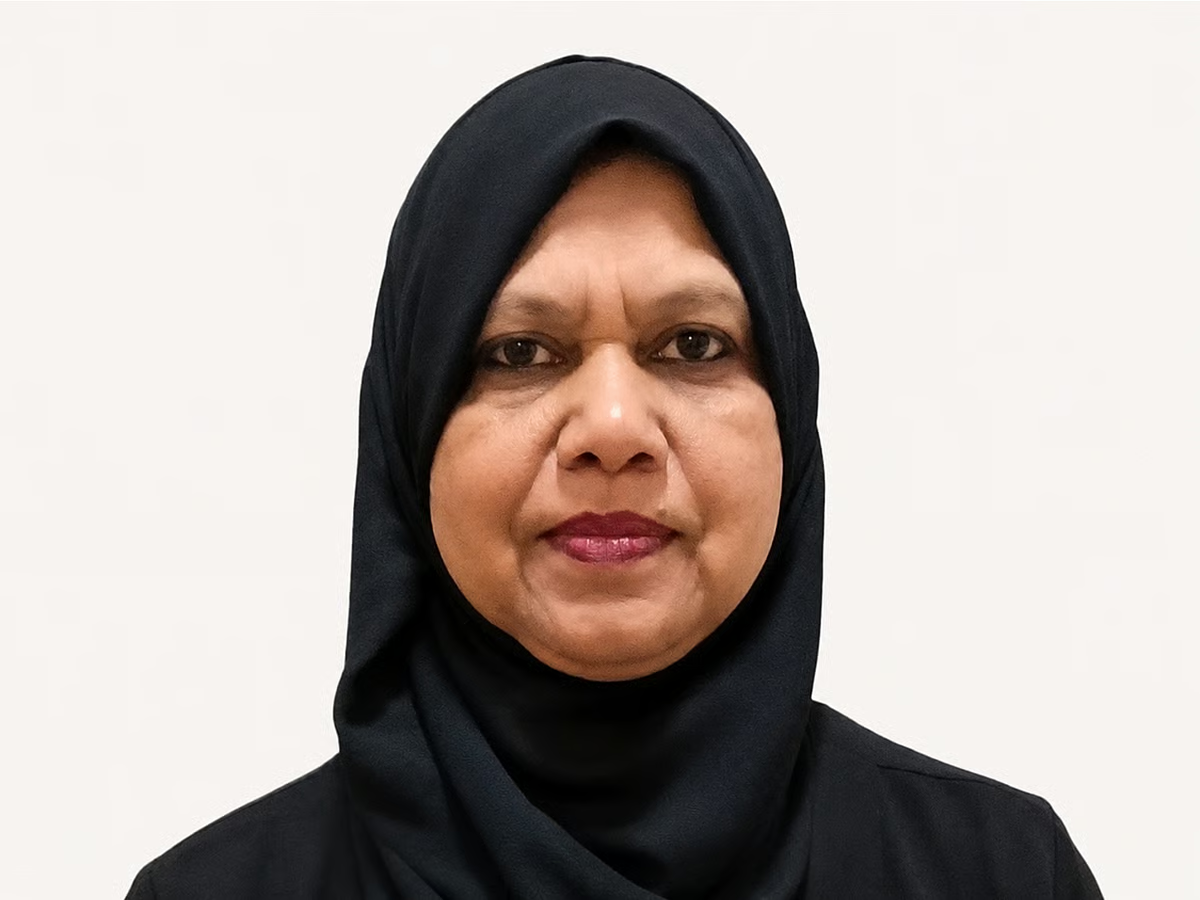
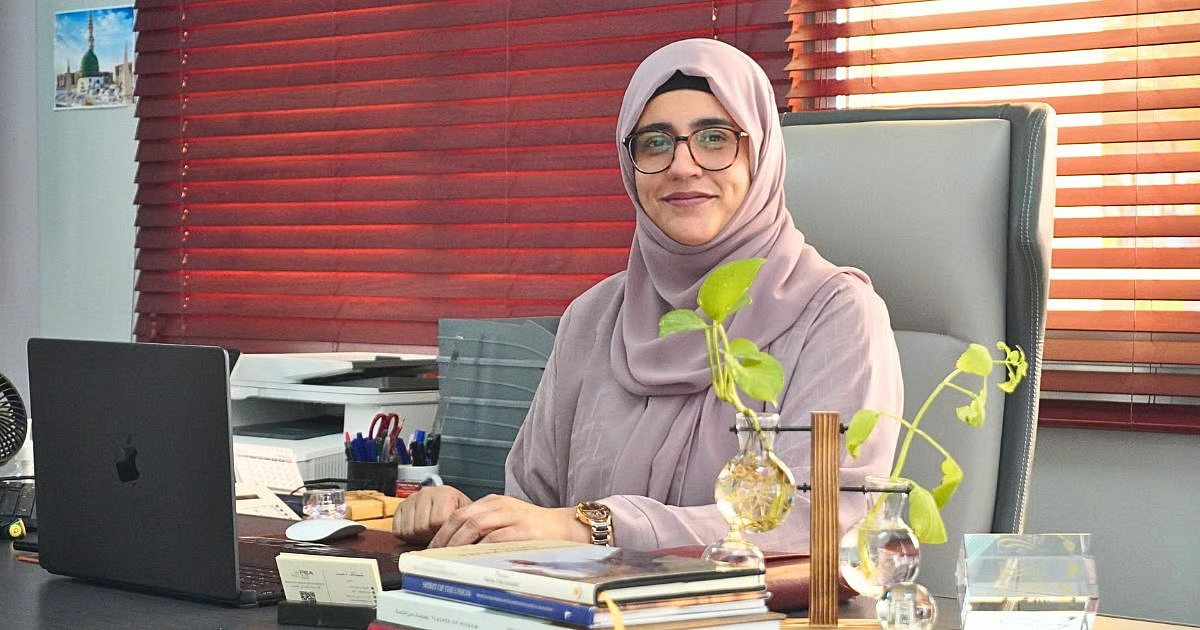
In conversation with Shamaela Ahmad, Principal, Pakistan Education Academy (PEA), Dubai
745 words~3 min read