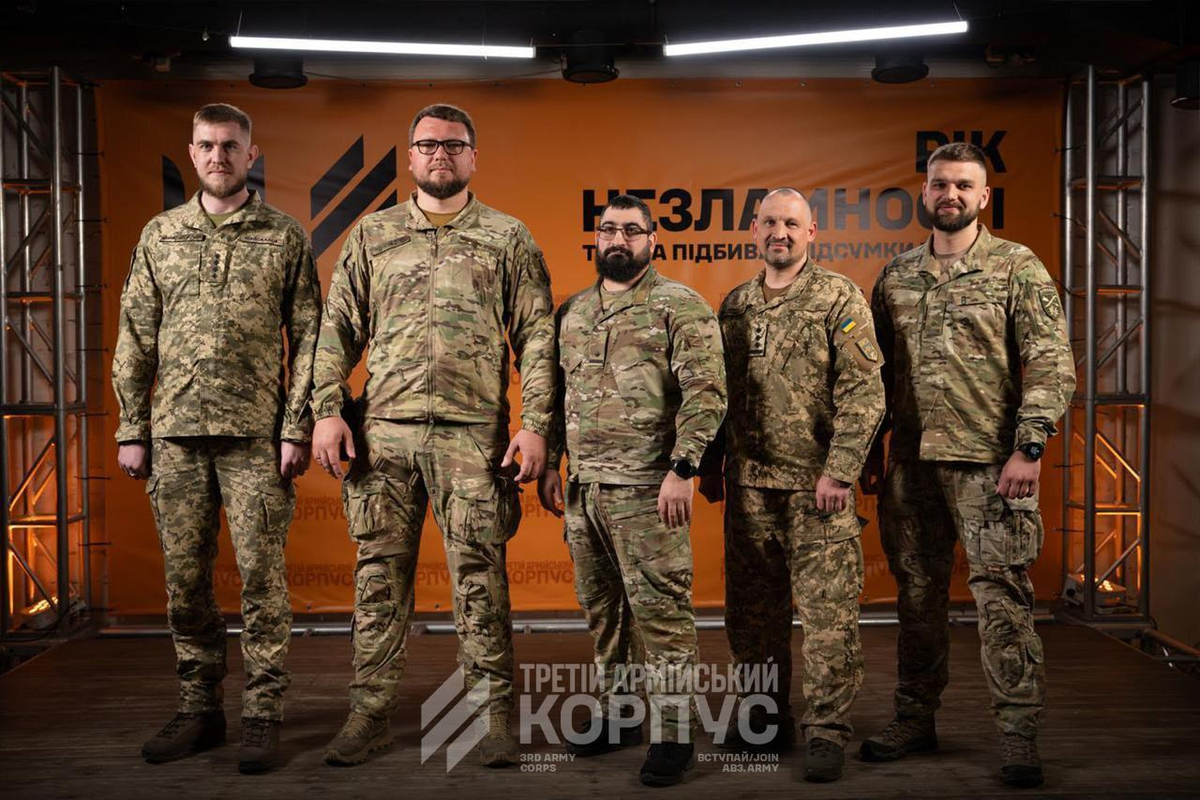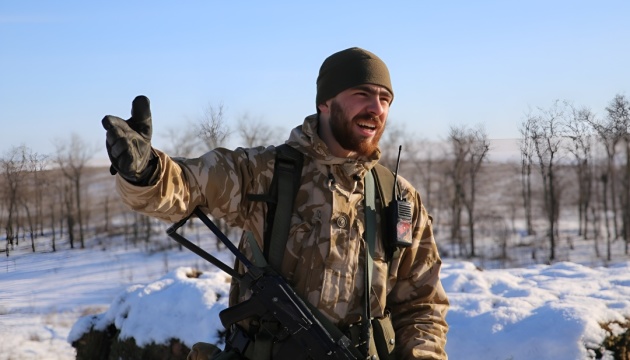
A year ago, the Third Army Corps became the first corps in the Armed Forces of Ukraine to take brigades under command and deploy them into combat formations. Today, it remains the only corps fighting with its own subordinate units within its designated sector, holding more than 150 kilometers of the front line—roughly 12 percent of the active line of contact. How was this achieved?
The answer lies in a systematic approach: reforms in command and control, training, and technology that the Third Corps has consistently implemented across both its organic brigades and attached units.
One of the key pillars of this effort is the non-commissioned officer (NCO) corps. In NATO militaries, NCOs form the backbone of combat effectiveness. In a mobilized army, where a corporate executive and a schoolteacher may end up sharing the same trench, the Soviet-era model of the sergeant as little more than a supervisor or disciplinarian simply does not work. Respect for rank alone cannot be taken for granted.
The corps is building a different model—one in which the sergeant serves as a leader and mentor whom soldiers follow because of proven competence and personal example. The principle is straightforward: "Do as I do." If a soldier is assigned a physical corrective exercise, the sergeant performs it alongside him.