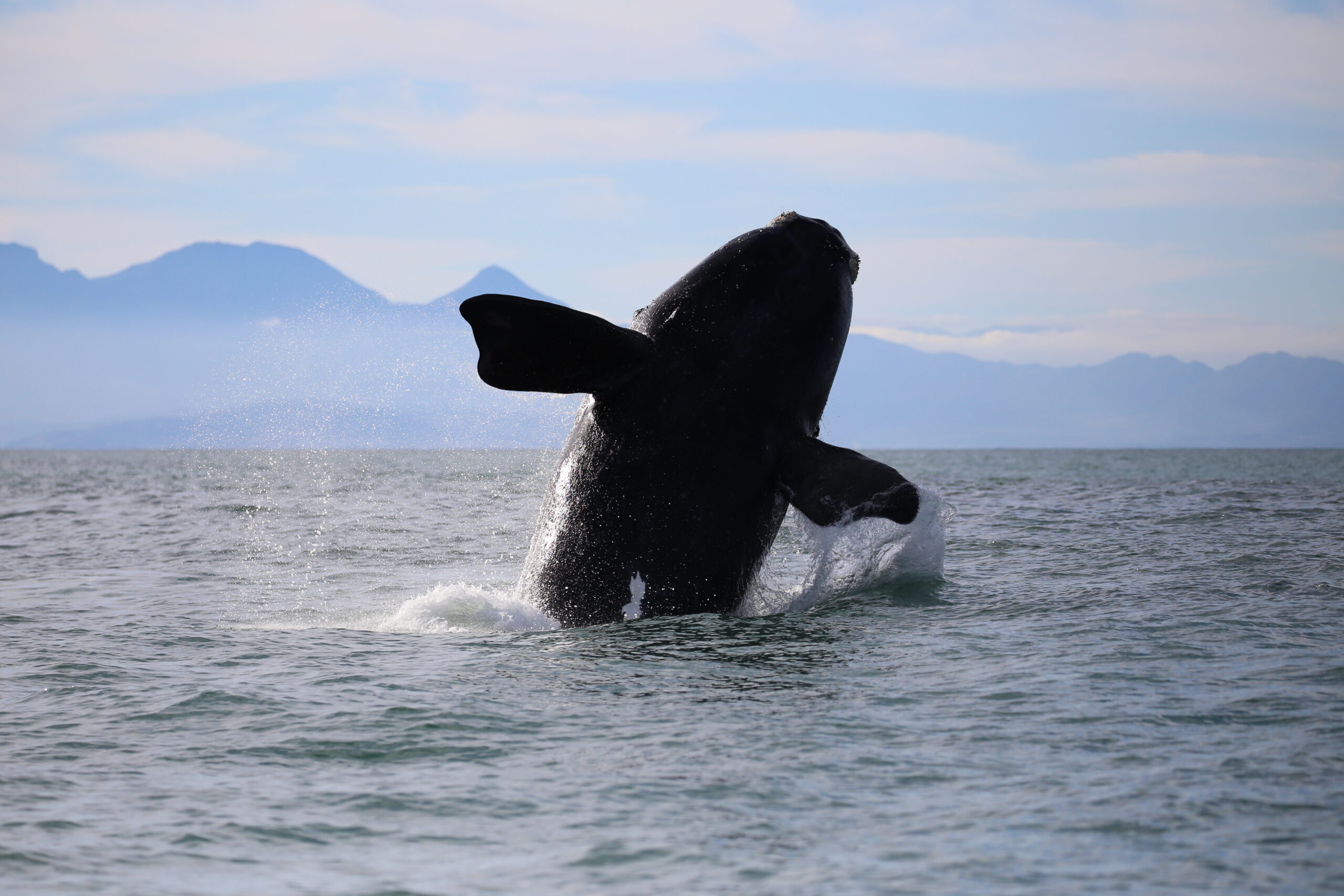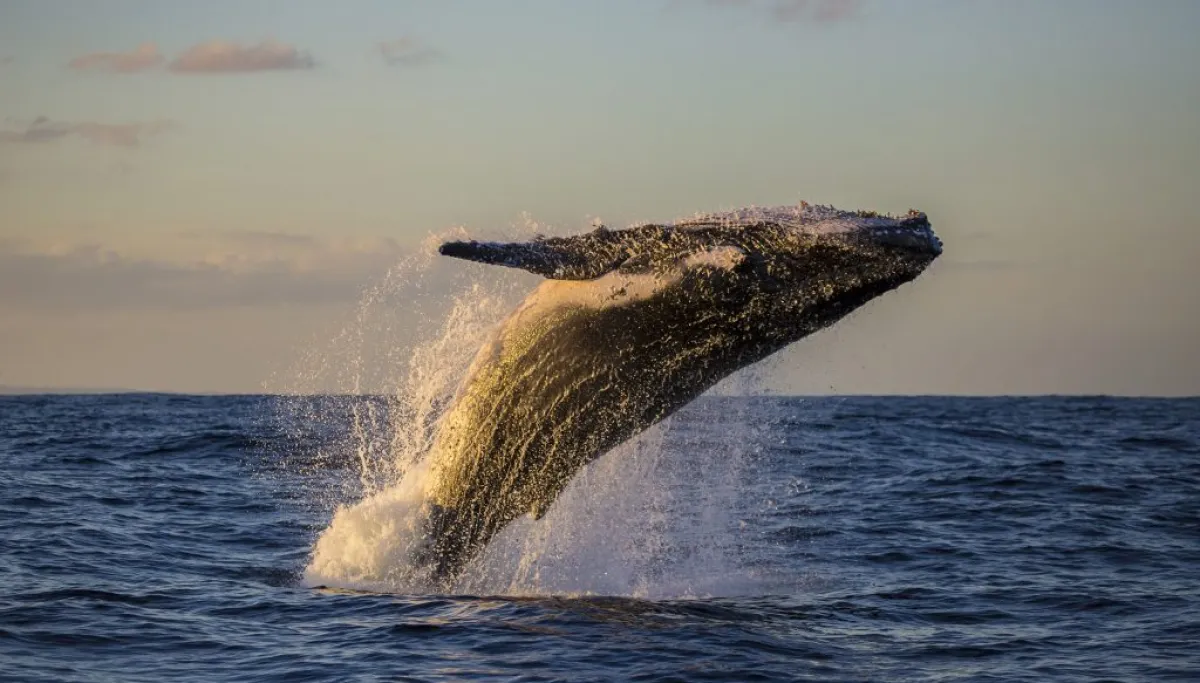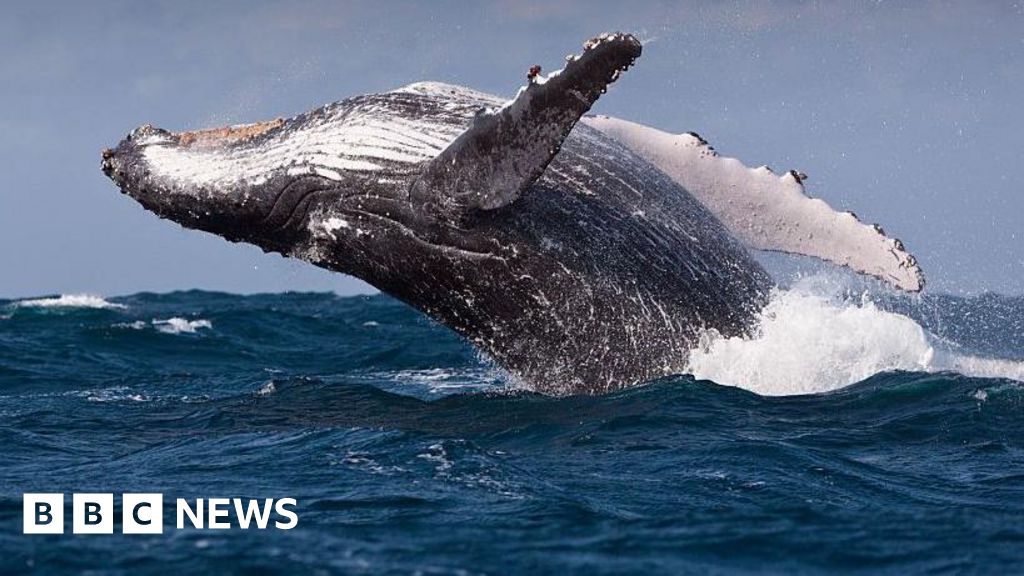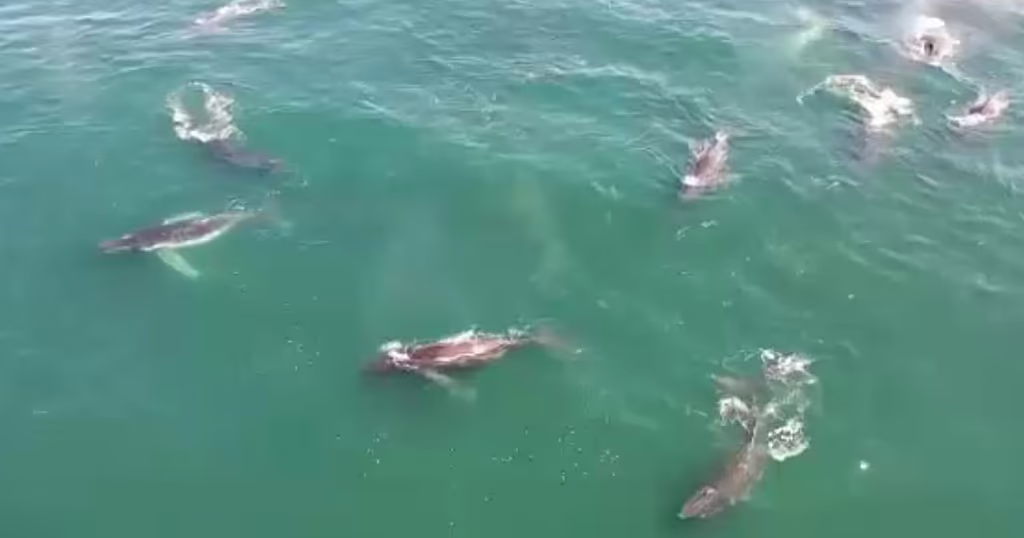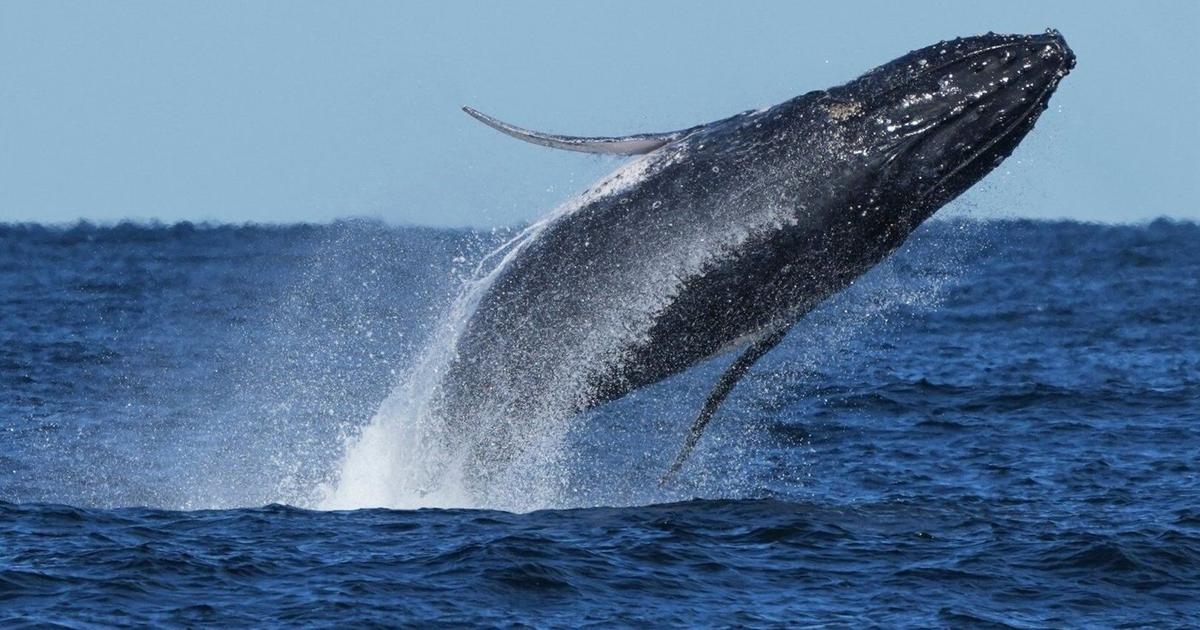
In a new study, researchers analyzed the link between increased shipping traffic in South African waters and collisions between whales and ships.The research covers six whale species occurring in near- and offshore waters and shows significant spatial overlap between whale habitats and shipping traffic, making action urgent.The South African government, the International Maritime Organization and scientists are working together to develop measures aimed at reducing whale strikes.Currently, rerouting vessel traffic is not possible as too much data are missing to map the spatial distribution of whales that occur farther offshore.
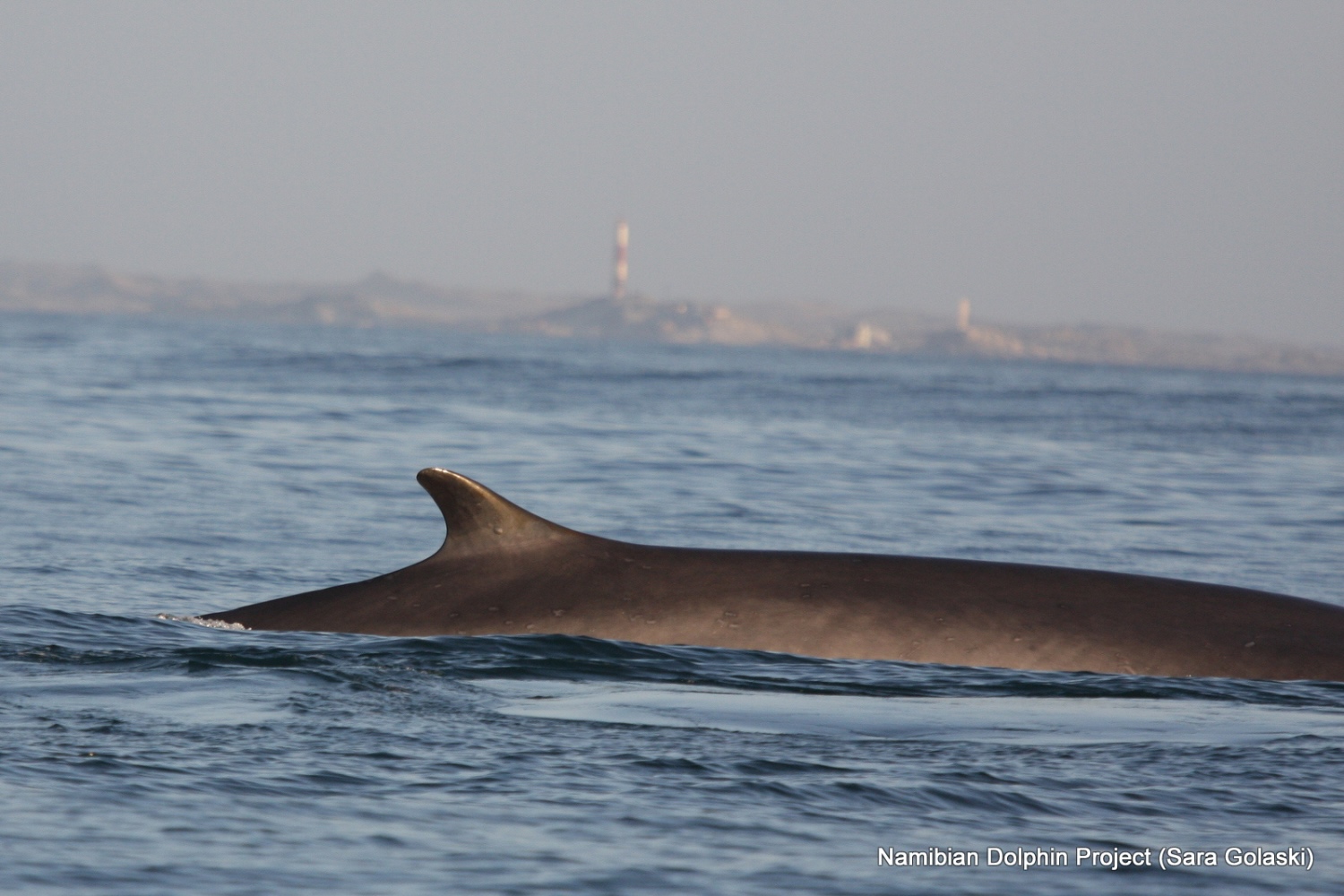
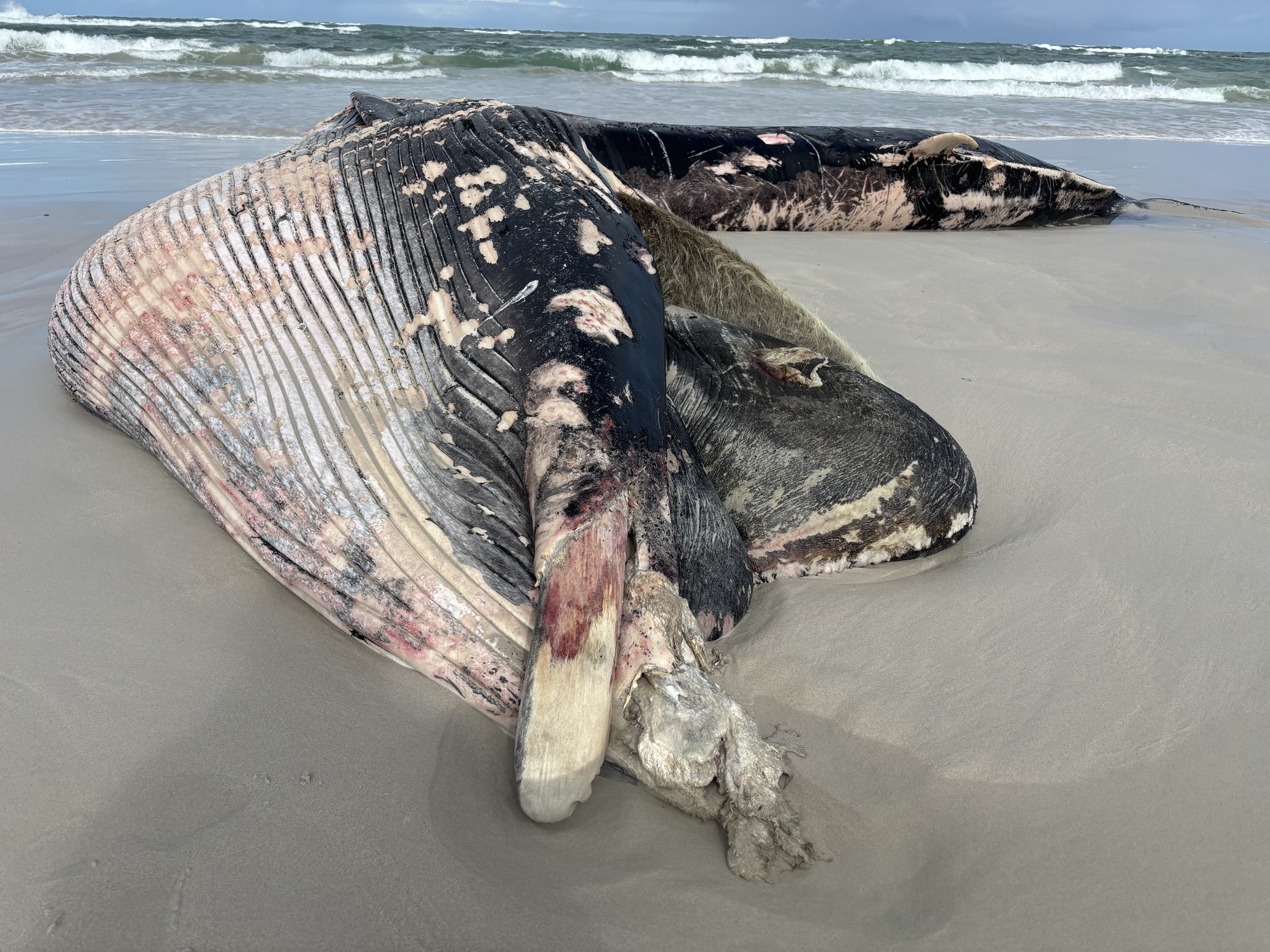
In April this year, two Bryde’s whales washed-up dead-on Dyer Island, a small nature reserve located a few kilometers off the coast of Gansbaai in South Africa’s Western Cape province. Both whales carried severe injuries; their vertebrae had been shattered.
“It was very clear that it was [vessel] strikes, because both those whales were snapped in half, and you can also see the propeller marks,” Loraine Shuttleworth, head of research at the Dyer Island Conservation Trust, told Mongabay.
Two whale strandings linked to ship strikes in one month alone is an unusually high number, Shuttleworth said. A new risk assessment has linked the increase in risk of ships striking whales to the rerouting of maritime traffic around South African coast.