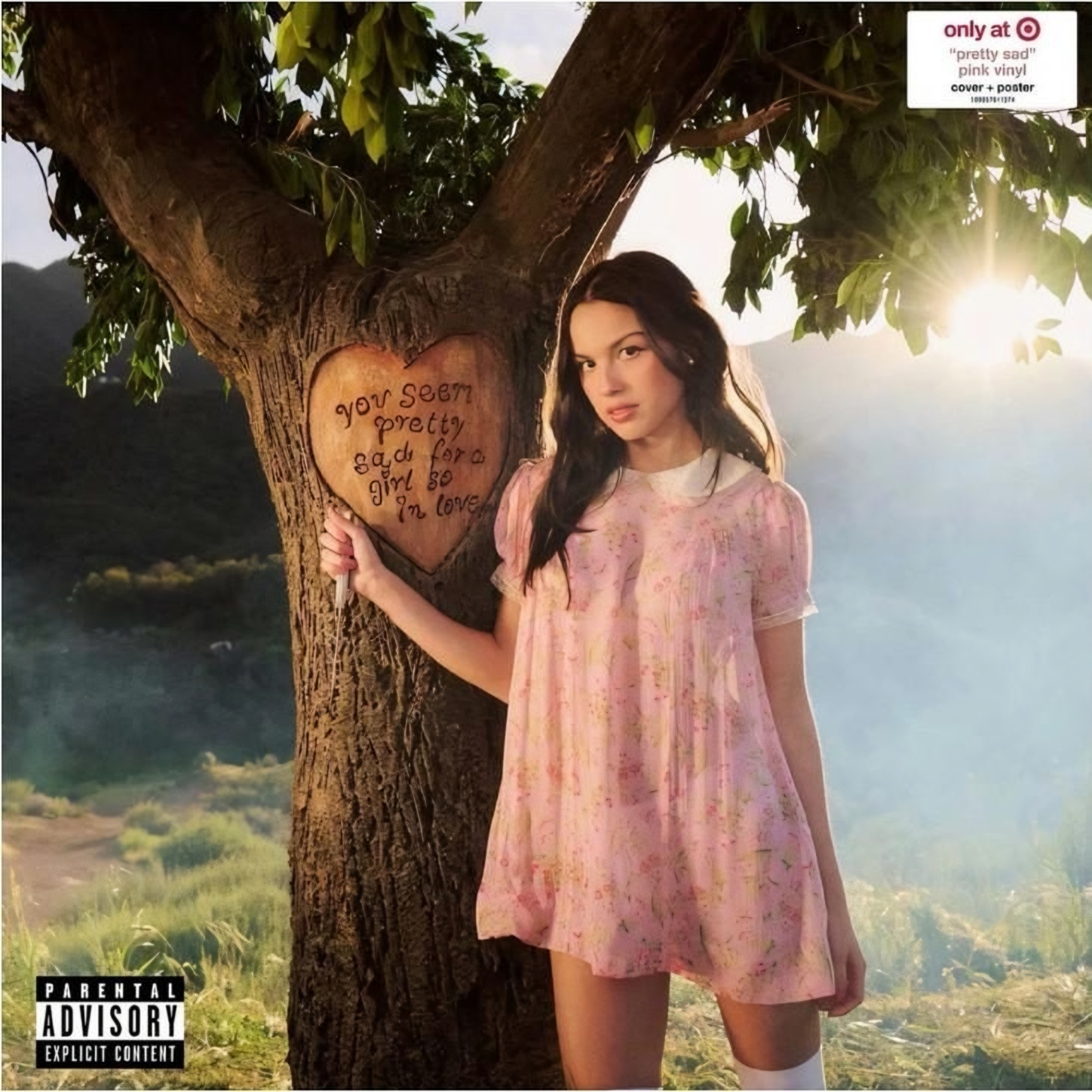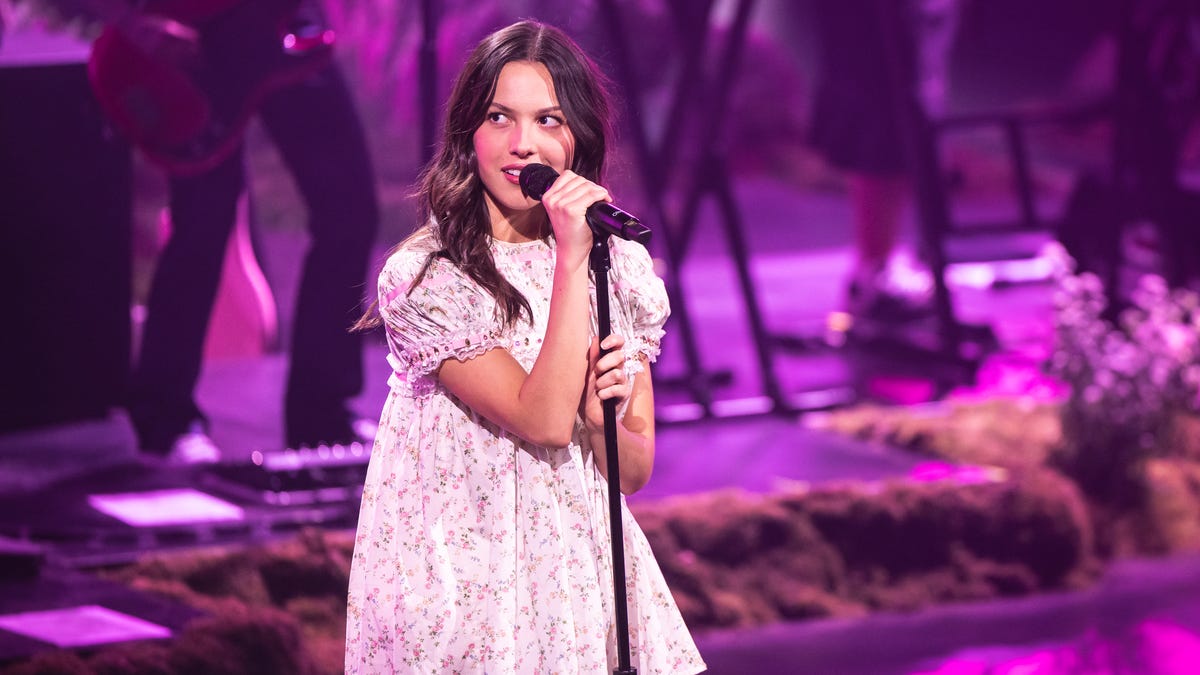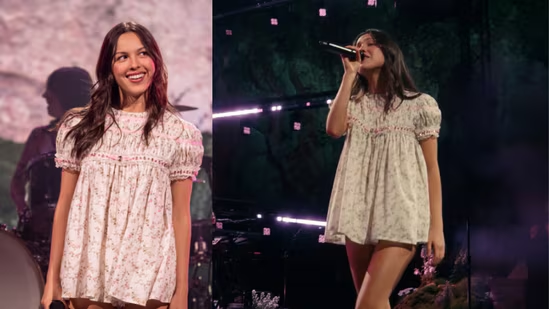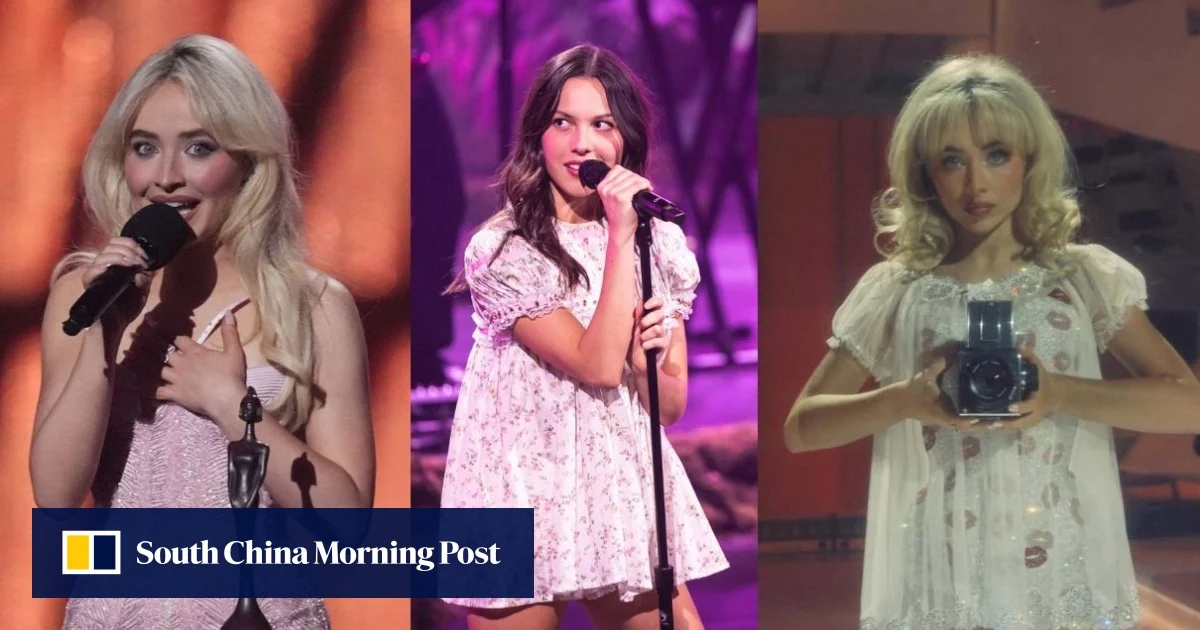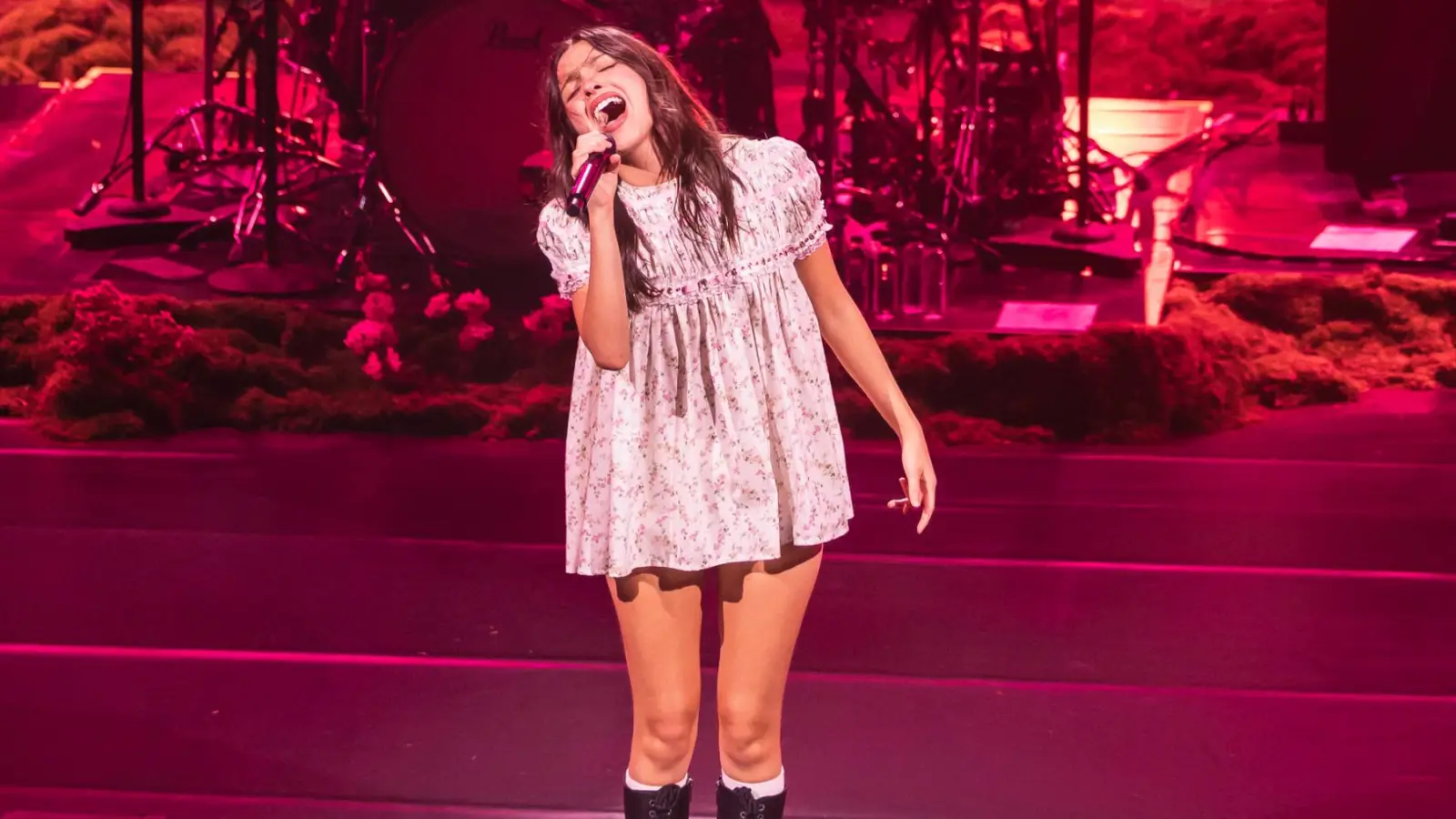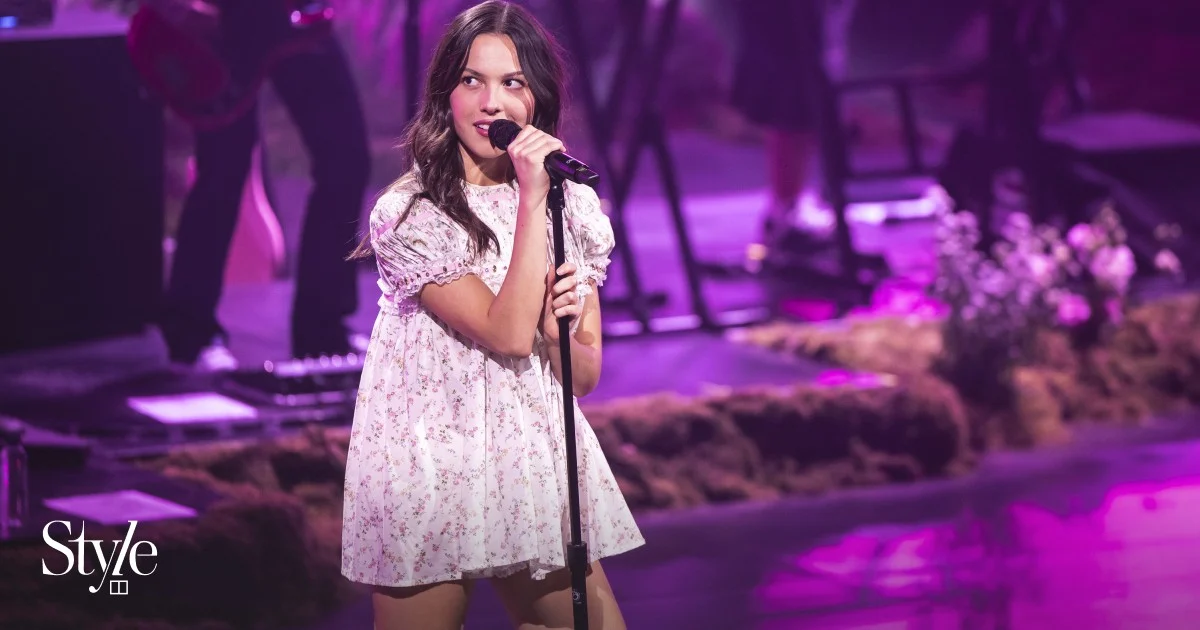
Olivia Rodrigo’s third studio album, You Seem Pretty Sad for a Girl So in Love, drops on June 12. The American pop princess has been teasing her new era for months, with a fresh aesthetic defined by bubblegum pink and babydoll dresses, a wardrobe choice some have deemed controversial and which has largely overshadowed any other discourse around the album.Rodrigo, 23, kicked off the next phase of her career by donning an off-the-shoulder blouse and matching bloomer shorts from Chloé’s pre-fall 2026 collection for the music video of the album’s lead single, “Drop Dead”, and unveiled a Target-exclusive version of the album cover in which she wears an Anna Sui babydoll dress.She wore a similar dress by French label Génération78 for her Spotify Billions Club live performance in Barcelona on May 8. Some social media users slammed her outfit choices as “inappropriate” and “problematic”, going so far as to claim she was presenting herself as a “sexualised child”.Rodrigo herself finally weighed in on the controversy, calling out her critics for the “weird” rhetoric in a recent episode of The New York Times’ pop culture podcast Popcast, adding, “It just shows how we really normalise paedophilia in our culture.” And for the record, Rodrigo isn’t the only young female star of the moment wearing babydoll dresses – fellow former Disney starlet Sabrina Carpenter is clearly a fan too.Contrary to popular belief, or what their name might suggest, babydoll dresses were never made for children to begin with. So where did the name come from and why are these dresses causing such a ruckus? We break down the dress trend – and ensuing controversy – below.What is a babydoll dress?Olivia Rodrigo wears an Anna Sui babydoll dress on the cover of her new album, You Seem Pretty Sad for a Girl So in Love. Photo: @annasui/InstagramAmerican lingerie designer Sylvia Pedlar is often credited with creating the babydoll style: a loose-fitting dress with a high waistline that usually falls to mid-thigh, with delicate feminine accents like puffed sleeves, often in lace or chiffon fabric. With widespread rationing in place during World War II, Pedlar intentionally shortened the nightgowns she was designing to save on fabric. The name of the dress came later, when the lead character in the 1956 film Baby Doll donned a similarly styled nightgown.Model Alexa Chung is a fan of the babydoll style. Photo: @alexachung/InstagramBy the 1960s, celebrities like Jane Birkin and Brigitte Bardot were popularising babydoll dresses, while legendary designers Cristóbal Balenciaga and Hubert de Givenchy incorporated the style in their high fashion collections.Later, in the 1990s, alt rock stars like Courtney Love popularised the style again, in an era of fashion that Rodrigo said, in an interview with Vogue, inspired her as a young teen.Why do people care?
Explainer: What are babydoll dresses and why are they controversial?
Olivia Rodrigo’s recent makeover sees her join the likes of Sabrina Carpenter as a fan of the style – but her choice met fierce pushback from critics.
460 words~2 min read