Comments
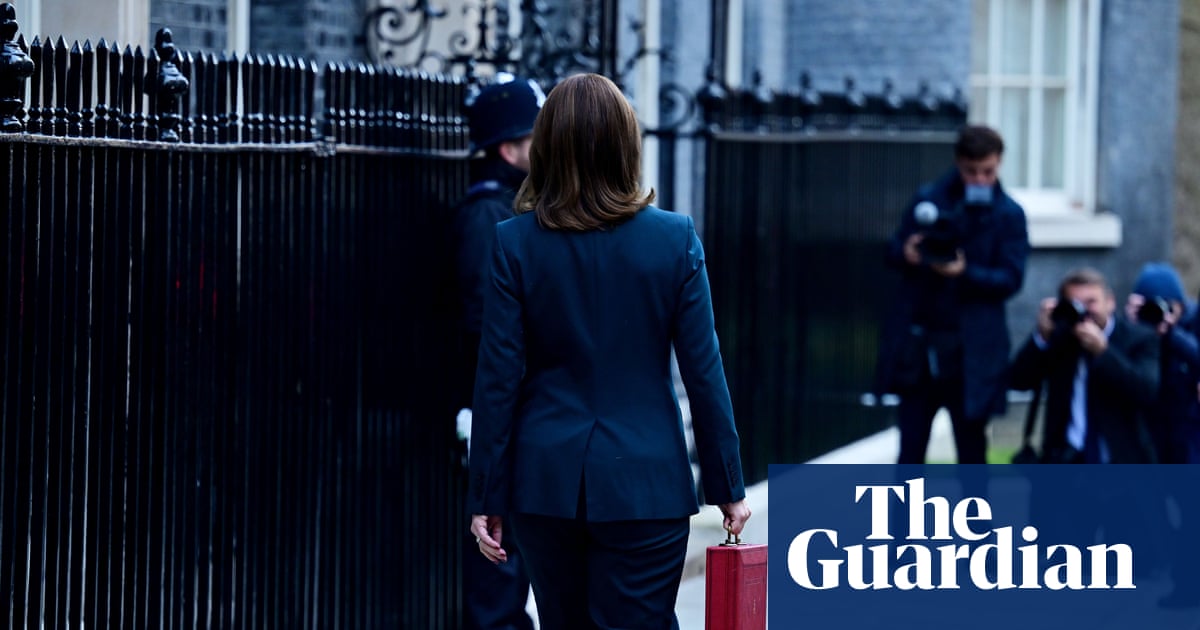
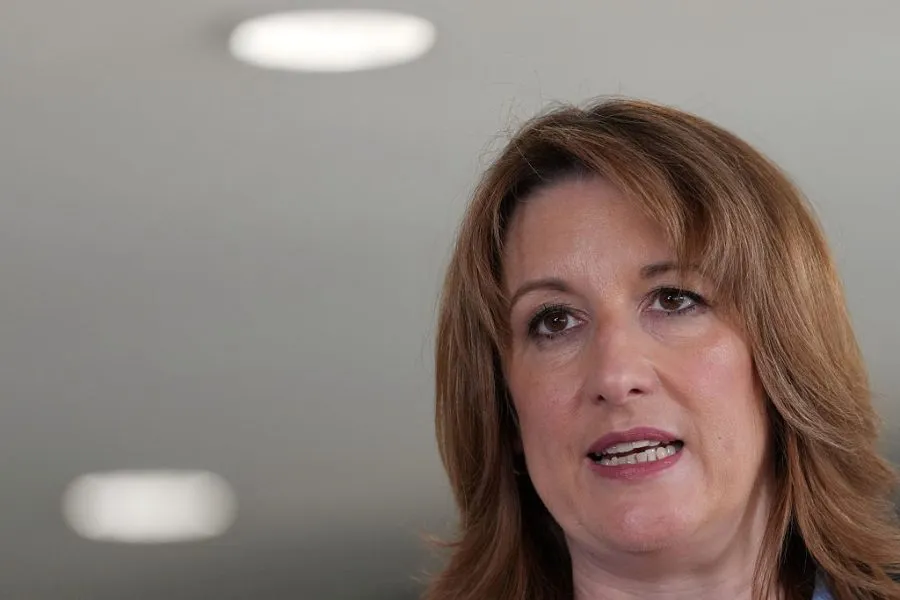
At the time of Rachel Reeves’s big-spending first Budget in 2024, the Office for Budget Responsibility (OBR) came under criticism from the left for its apparently overly pessimistic estimates of how much government spending increases economic output.
Earlier this week, the OBR published its annual Forecast Evaluation Report, which looked at estimates of these ‘fiscal multipliers’ over the short term. Bigger multipliers mean a larger economy – and a larger economy means more tax revenues. That’s why people say spending can pay for itself. The OBR has a range of multipliers it uses as starting points for different types of spending, dialling them up and down according to its judgements on the state of the economy (is there spare capacity to fill?) and the policy in question.
In the 2024 Budget, Reeves hiked spending by £60 billion and raised taxes by £25 billion in 2025-26. At the time, the OBR judged that the economy was close to capacity so more spending had limited scope to increase its size – but said the extra 1.2 per cent of GDP in borrowing would lift demand and GDP by 0.6 per cent in 2025-26, with the effect trailing off by 2030.
As the OBR observes, it’s hard to say definitively why GDP grew less than it expected