Why API Versioning is a Must
In mobile app development, API versioning is a critical issue that can be overlooked initially but directly impacts project health and your career over time. A few years ago, in a project where I worked on the mobile application for a large e-commerce site, the first version of the API was released in 2019. At that time, we designed the API in a flat manner and didn't implement a versioning mechanism. While this seemed to accelerate the initial process, we encountered serious problems a few years later when we started adding new features. Distributing new updates without breaking the existing user base became almost impossible. This situation was a concrete example of how technical debt can create a burden not only in lines of code but also in project management and even our individual careers.
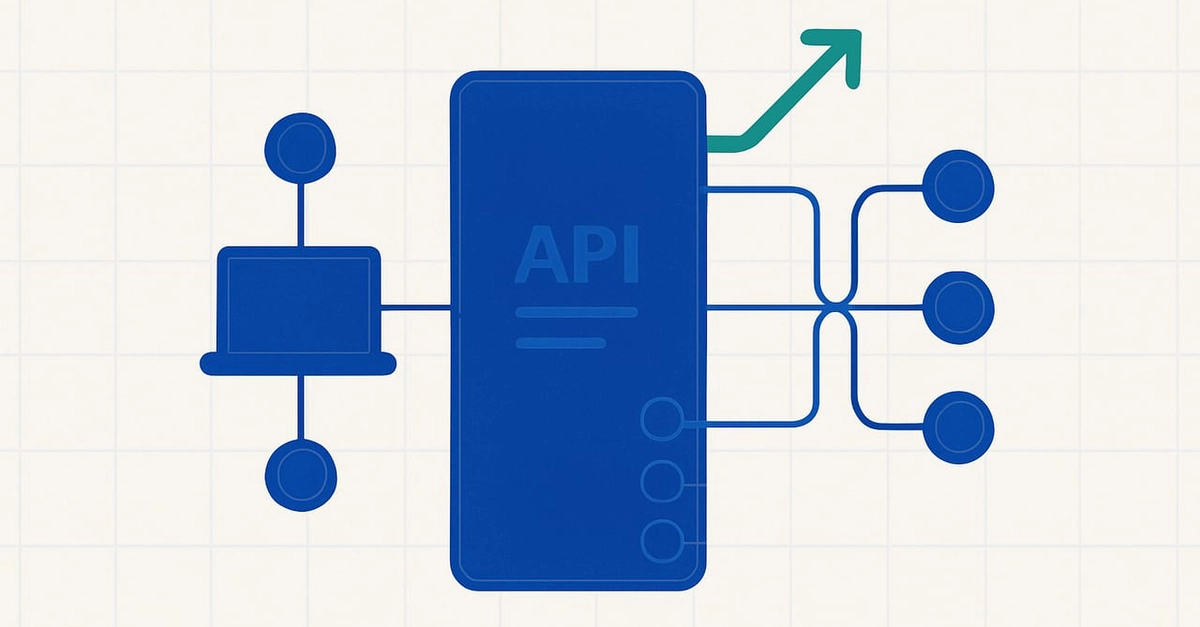
API versioning essentially provides a mechanism to adapt the API to changing needs over time while ensuring the uninterrupted operation of existing users and integrated systems. Changes you make to your API (e.g., removing a field, changing parameters, or restructuring an endpoint) can break backward compatibility. If you don't have a good versioning strategy, these changes can render existing mobile applications non-functional. This leads to user loss, revenue decline, and reputational damage. In short, API versioning is an insurance policy that guarantees the sustainability and scalability of your API throughout its lifecycle.