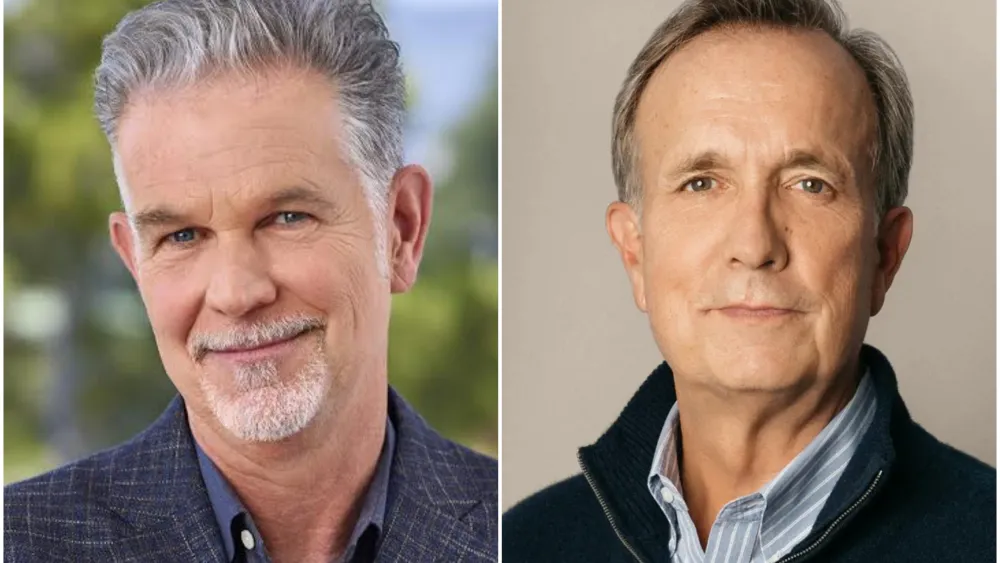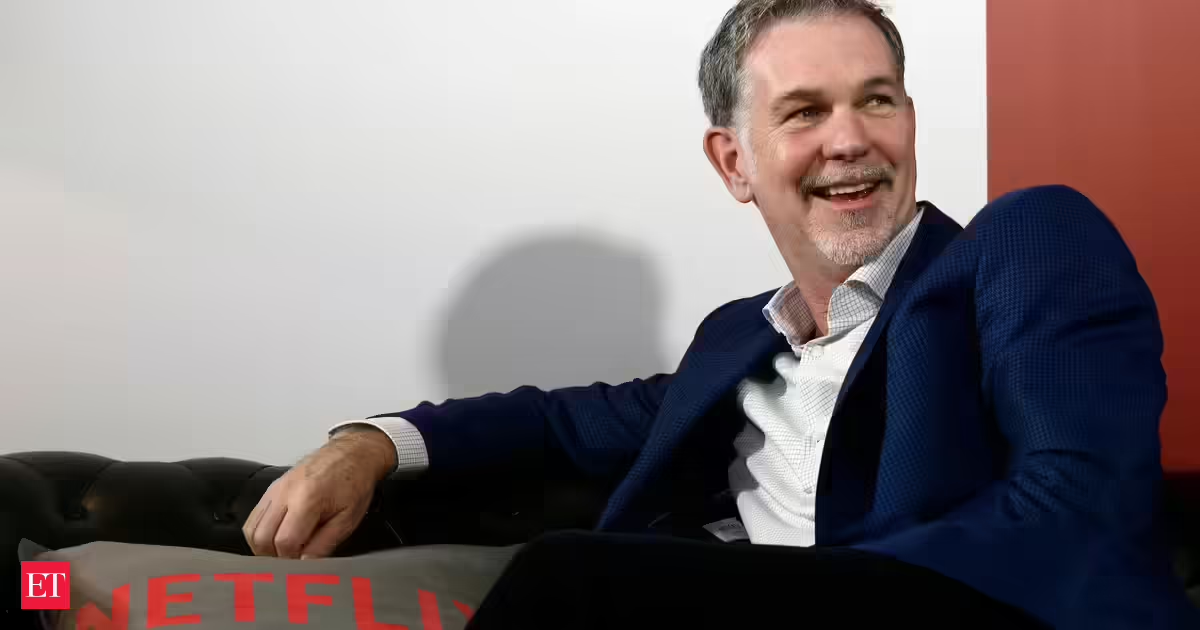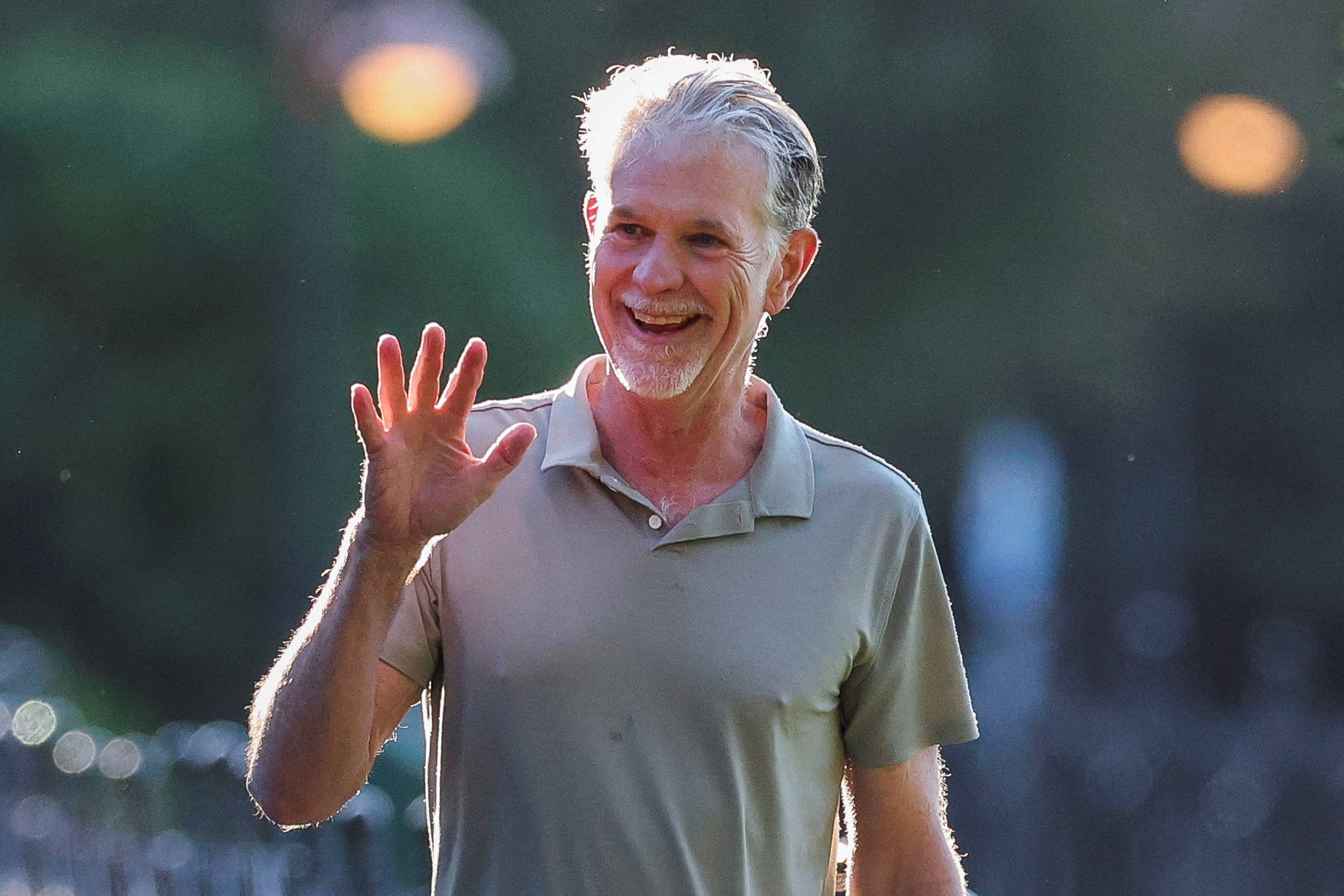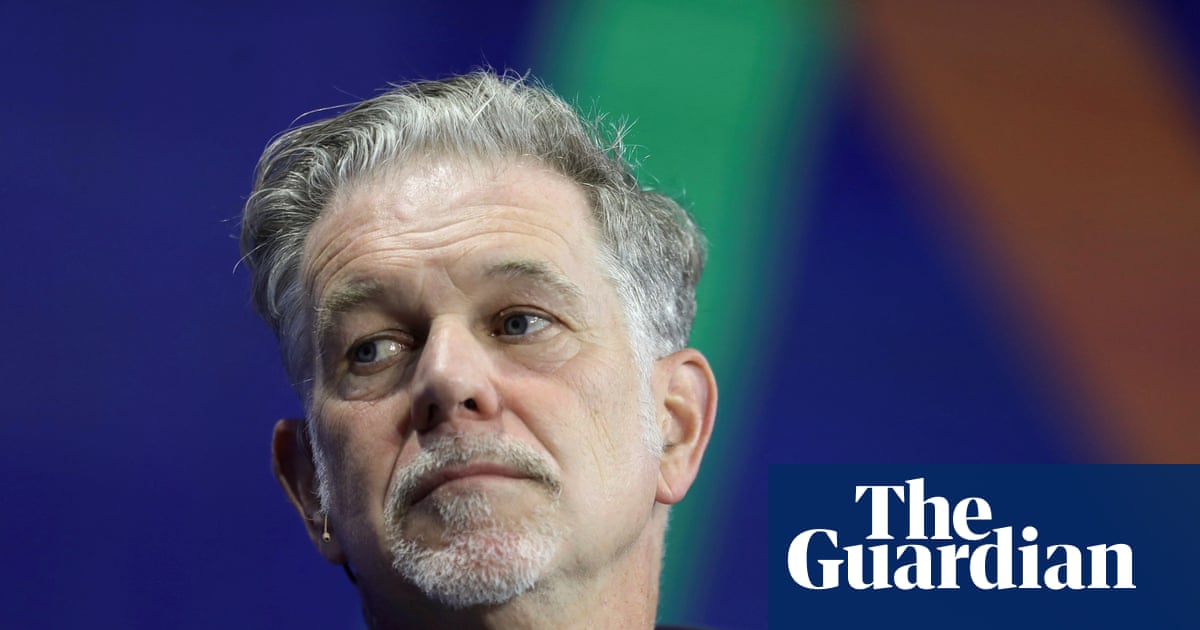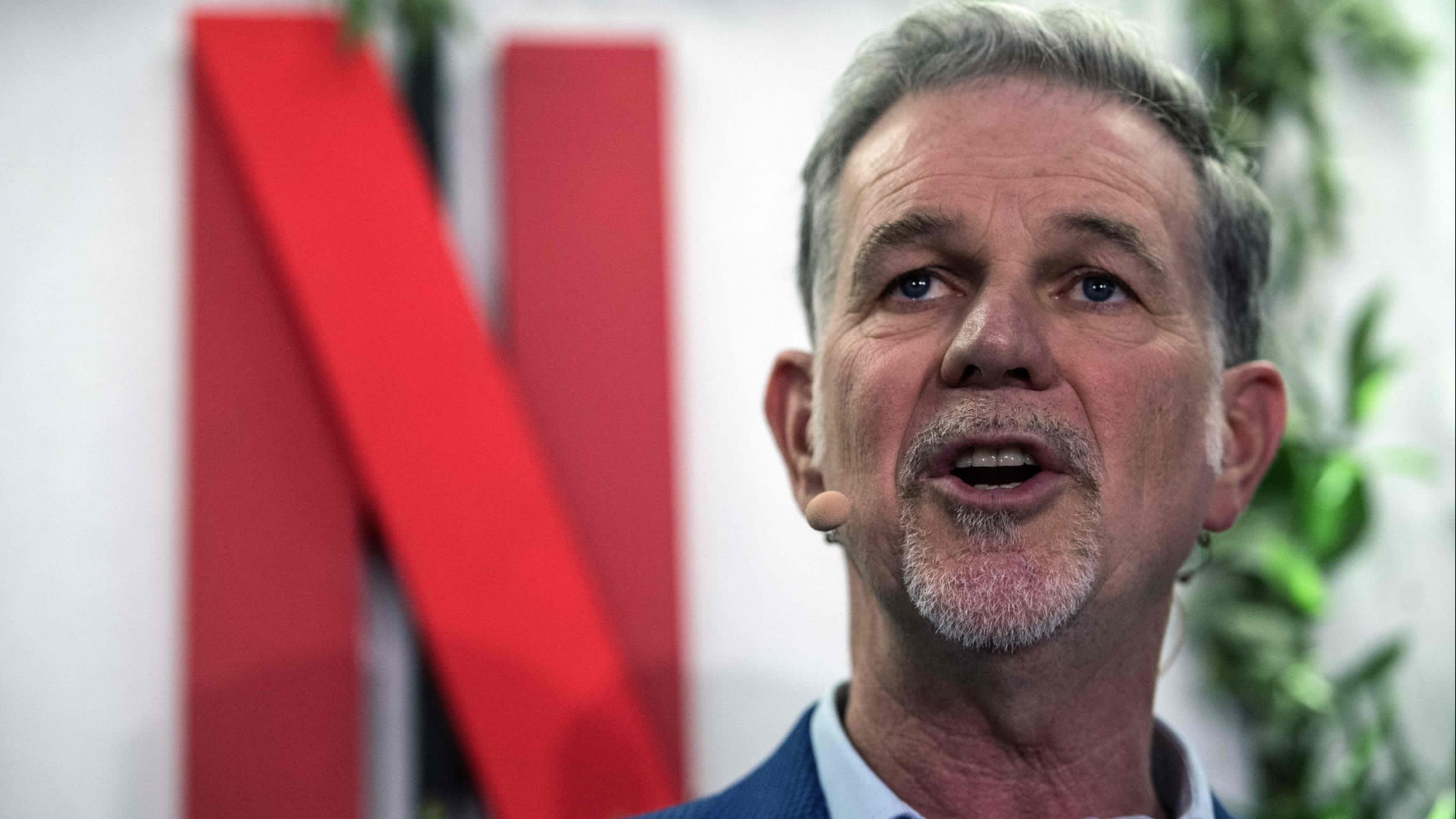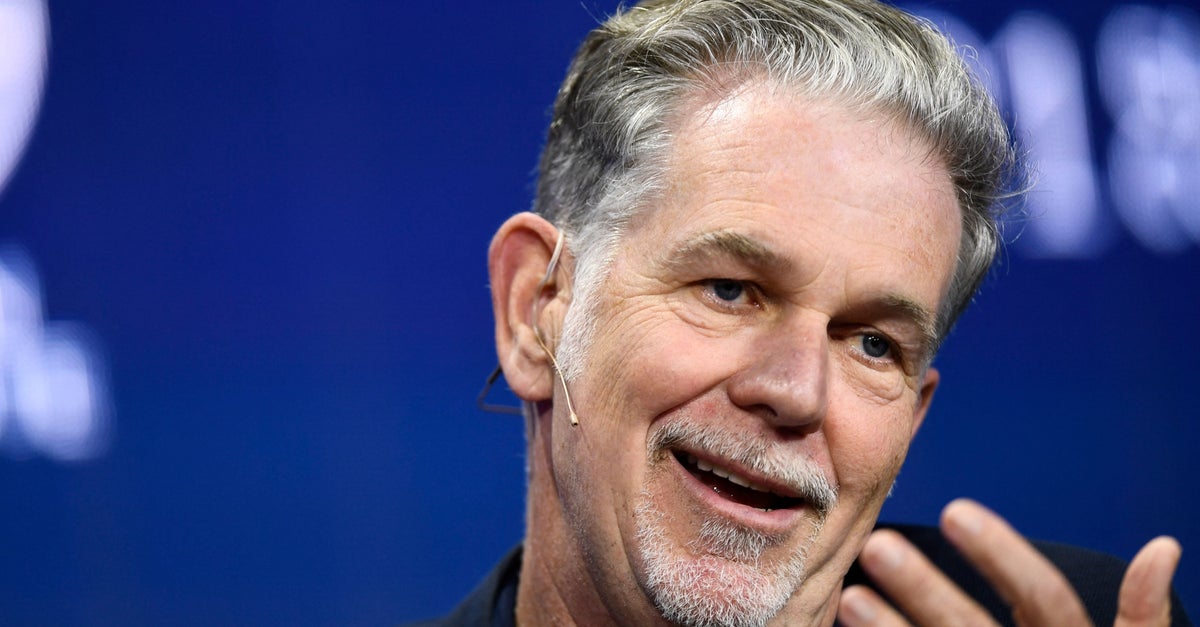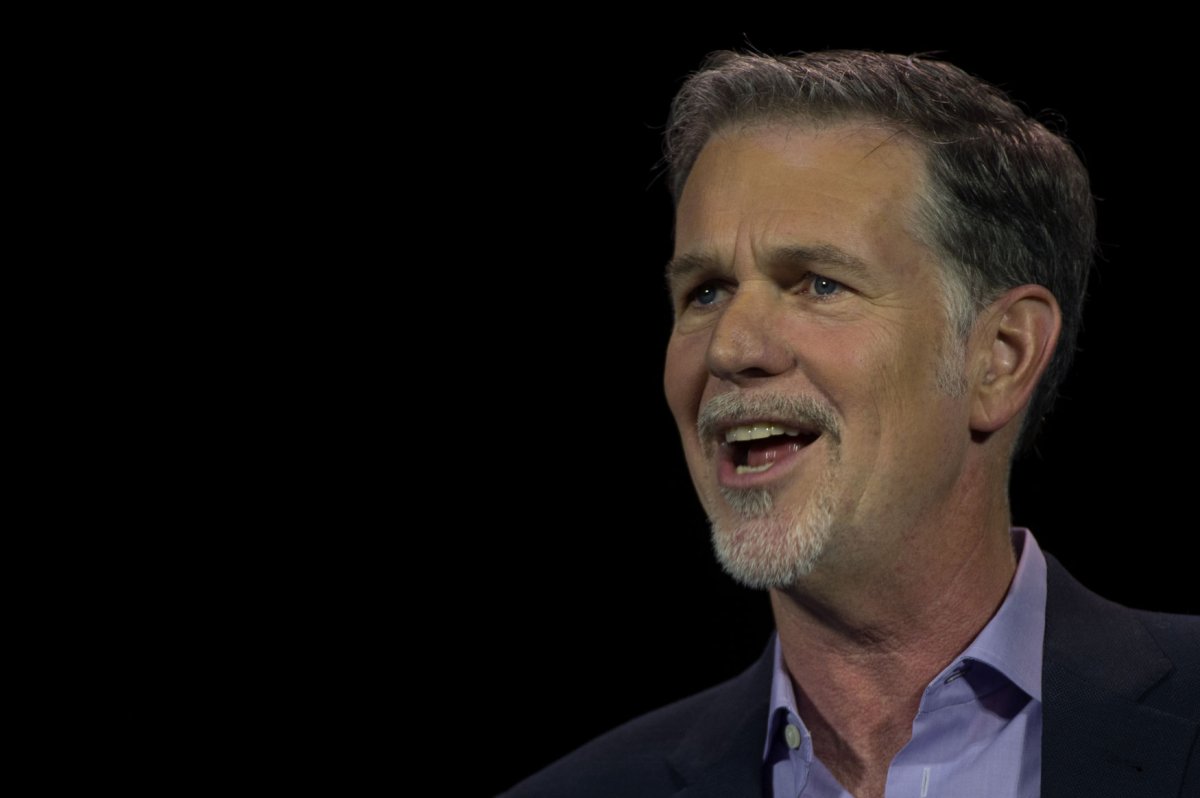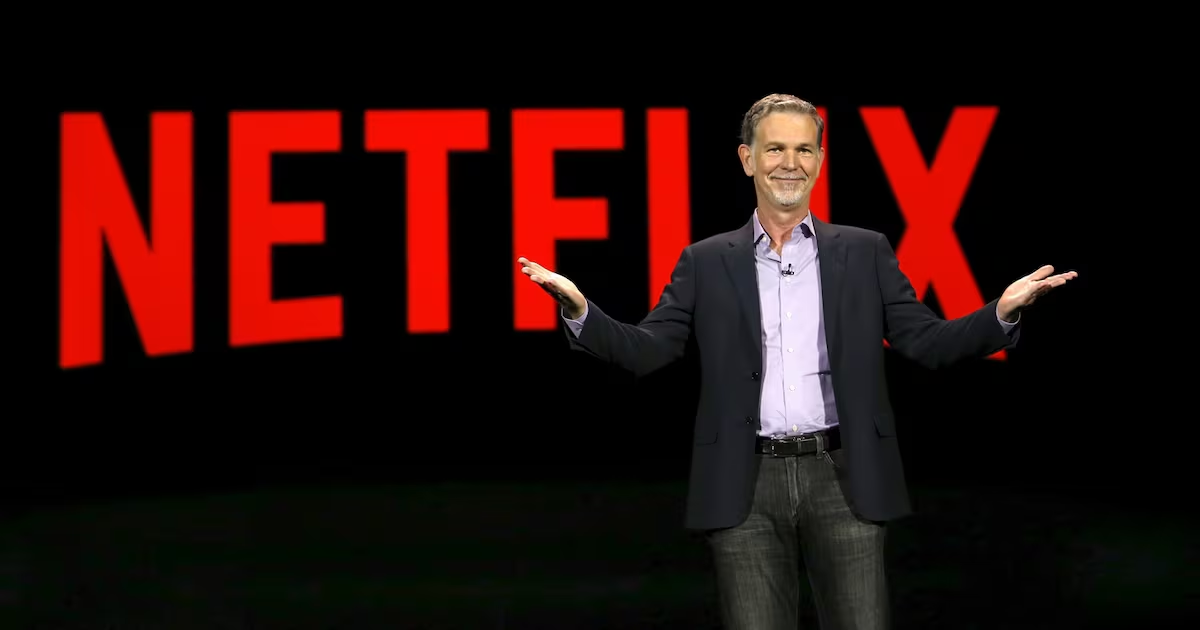
Streamer’s co-founder steps away as his progeny faces its biggest challengeReed Hastings is preparing to step down as chairman of Netflix, a company he co-founded in 1997. Photograph: Steve Marcus/Reuters Netflix chairman Reed Hastings (65) will take his final shareholders’ annual general meeting on Friday, having announced in April that he would step away from the role at a company he co-founded in 1997.What will his legacy be?While he had already stepped back from running the company (he was chief executive for 25 years), Hastings remains a symbol of what made Netflix great – and, to those who hope governance and profit go hand in hand, what made it deeply irritating.In the era of Meta Platforms, Snap, Tesla and Palantir, undemocratic corporate governance is practically the norm. Next to those companies, Netflix, founded as a DVD delivery service in 1997, seems positively conventional. It has no elite class of supervoting shares. A generous 10 of its 13 directors are deemed independent. It has conspicuously never shovelled billions of dollars into side projects that never got off the ground, Metaverse style.Even so, Hastings helped make the $410 billion (€353 billion) streamer a case study in bad governance. Over the years, the board he chairs repeatedly ignored shareholder votes asking to make directors more accountable. It introduced a “poison pill” mechanism to ward off activist Carl Icahn in 2012 without asking shareholders for permission. And when investors last year voted to eject lead director Jay Hoag, the company kept him anyway. Hoag has been on the board for 27 years; five of his “independent” colleagues have served for more than a decade.Gratingly for governance purists, Netflix has thrived despite all this. The term “FAANG stocks” – Facebook, Amazon, Apple, Netflix and Google – may no longer be in vogue, but an investor who put equal amounts in all five a decade ago would, until recently, have got their best returns from the US streaming giant. Netflix’s earnings should increase more than 40 per cent this year, Citigroup analysts estimate.David McRedmond: ‘O’Connell Street needs high density housing’ Listen | 50:36That outperformance undeniably owes much to Hastings’ unusual leadership. Notoriously intolerant of mediocrity, he champions “talent density” as a key metric for managers and argues innovative companies should run on the “edge of chaos”. Netflix early on ripped up the orthodoxies of old media – releasing entire series in one go, for instance, and eschewing traditional cinematic film release periods.Netflix has lately ironed out many of the kinks in its board. When investors voted against the company’s executive awards in 2022 and 2023, it made substantial changes to its pay practices. But it remains an organisational oddity. Hastings oversees two chief executives, Ted Sarandos and Greg Peters. The company is not the only one with three at the top: Spotify, Oracle, KKR and Salesforce all do too. Still, it’s not clear whether such title elevation achieves more than gratifying executives’ desire for status, or whether two chiefs are necessary at a company with one product.Hastings steps away as his progeny faces its biggest challenge: engaging with the world of user-generated content. Net promoter scores, which gauge a user’s likelihood of recommending a product, show Alphabet’s YouTube beating Netflix by 10 percentage points, according to survey firm HundredX. Paramount Skydance’s takeover of Warner Bros Discovery will make streaming even more competitive. Hastings for years proved good leadership can offset shonky governance, but it’s too early to conclude that he bent the rules and won. – Copyright The Financial Times Limited 2026IN THIS SECTION
Netflix’s Reed Hastings: An icon of good leadership and bad governance
Streamer’s co-founder steps away as his progeny faces its biggest challenge
588 words~3 min read