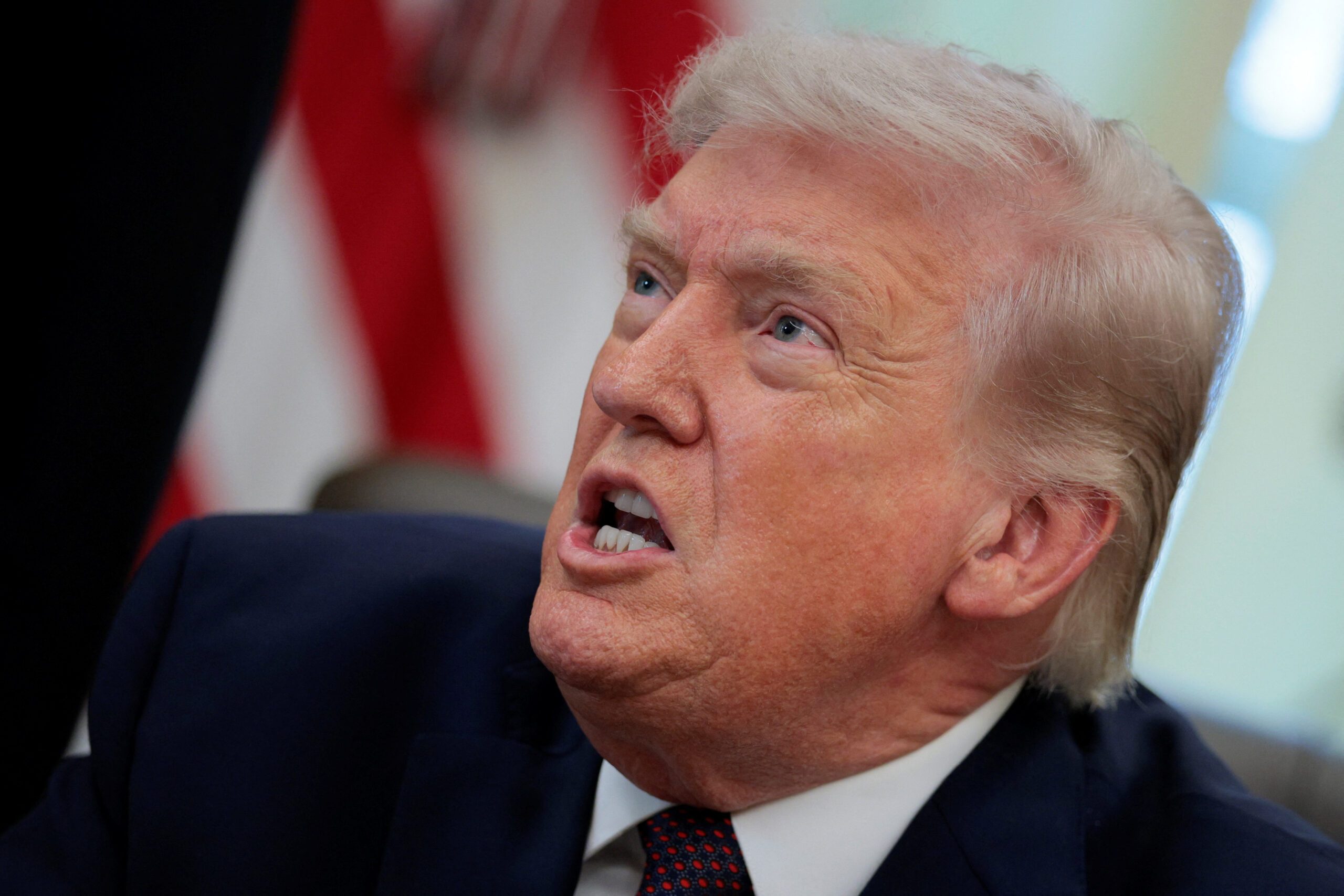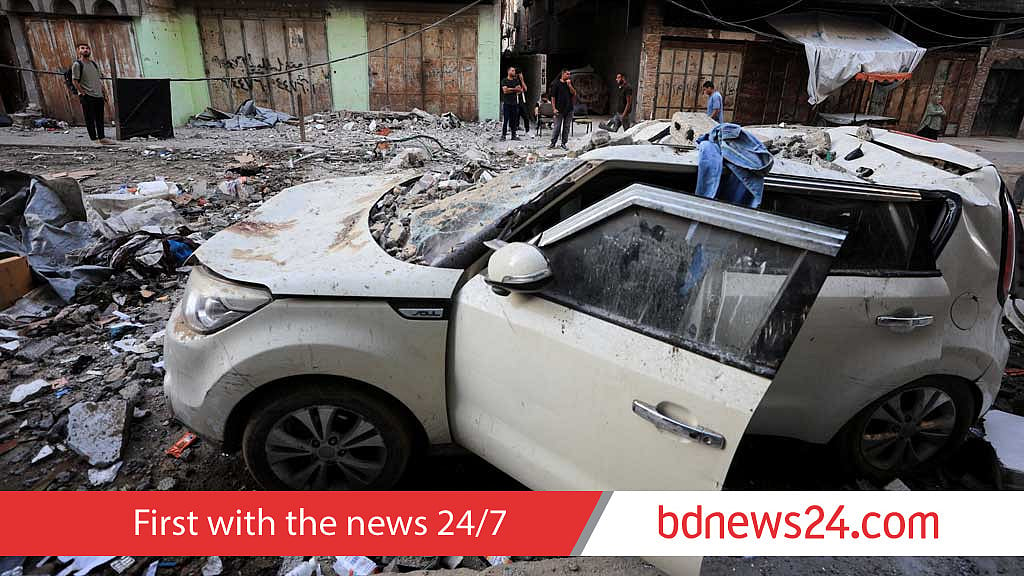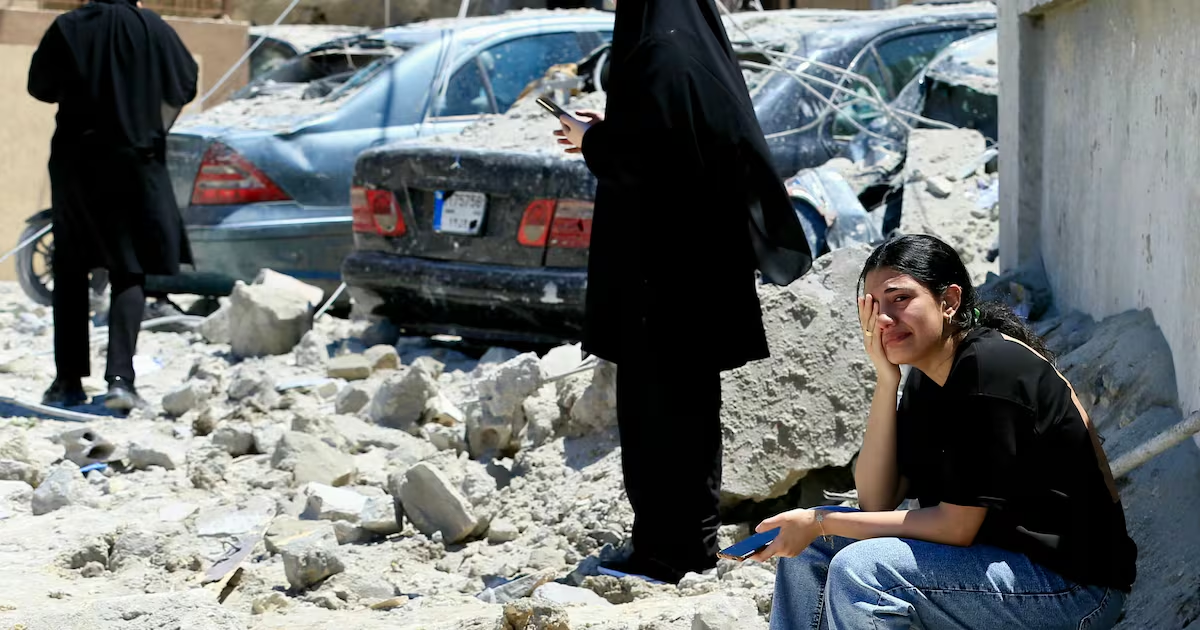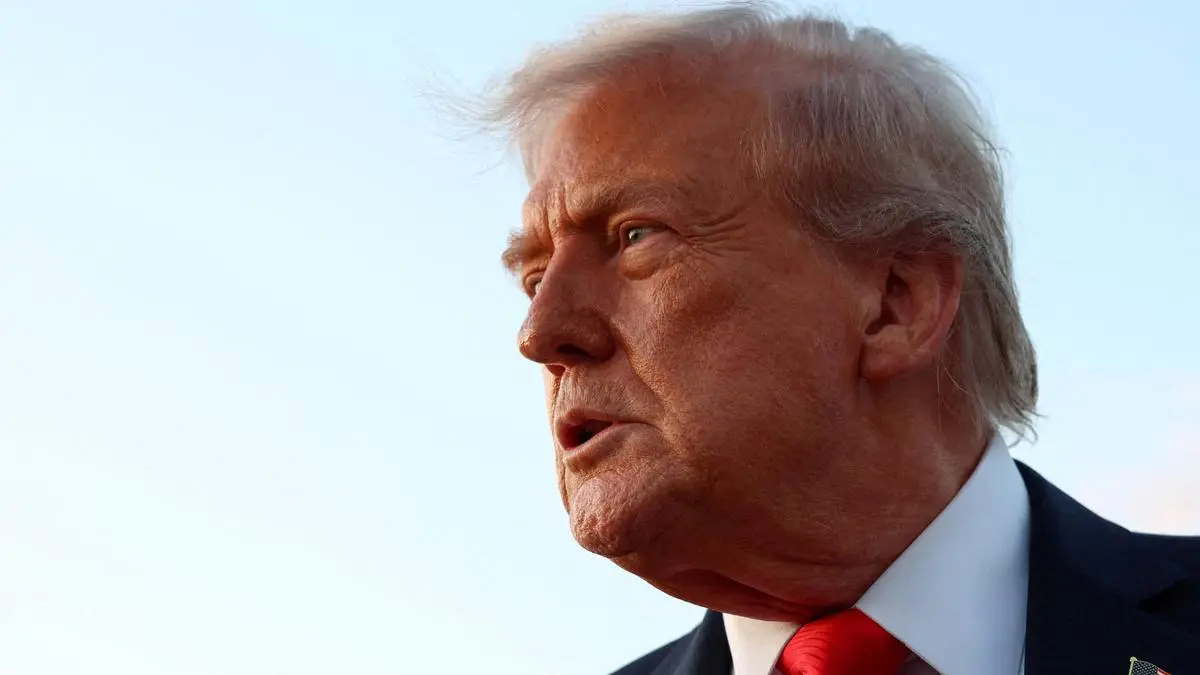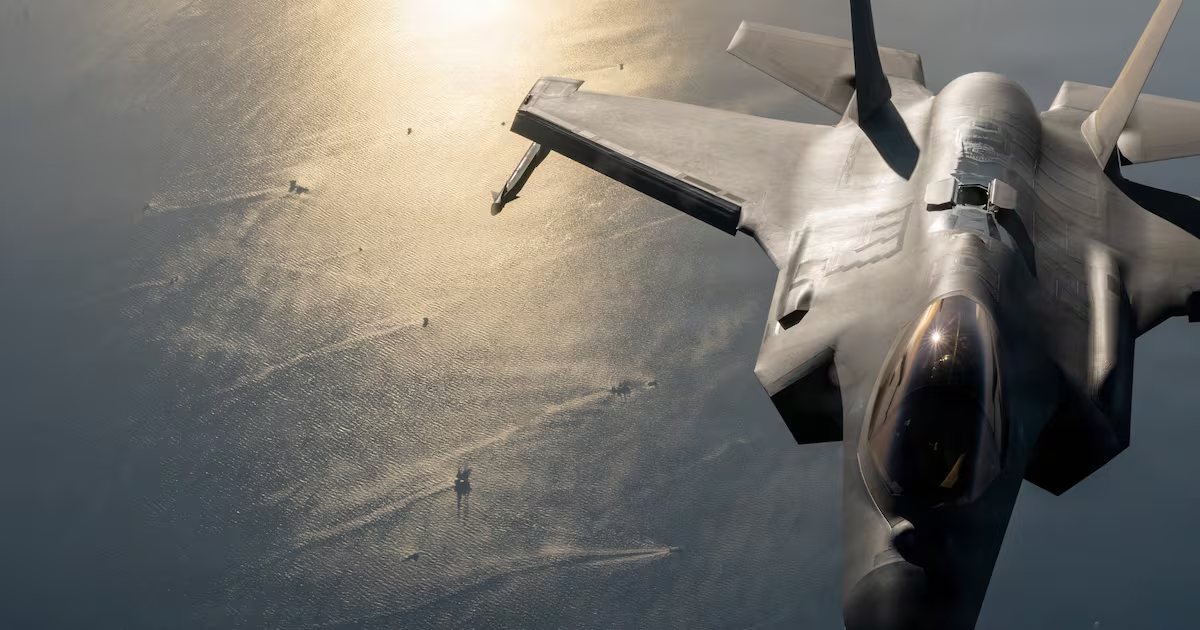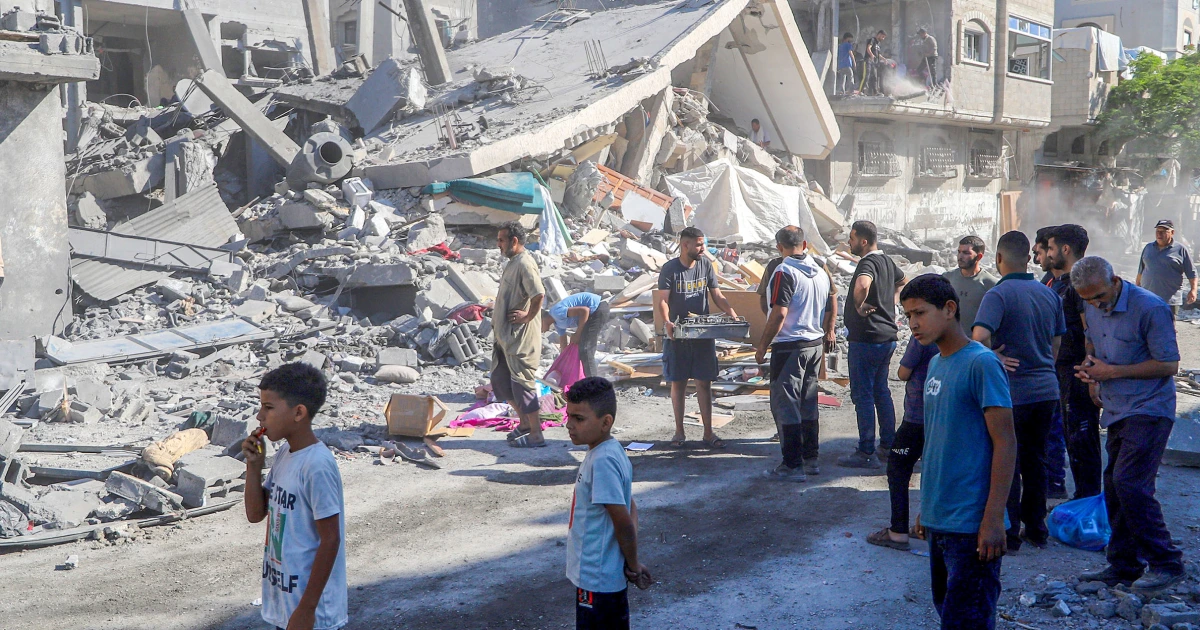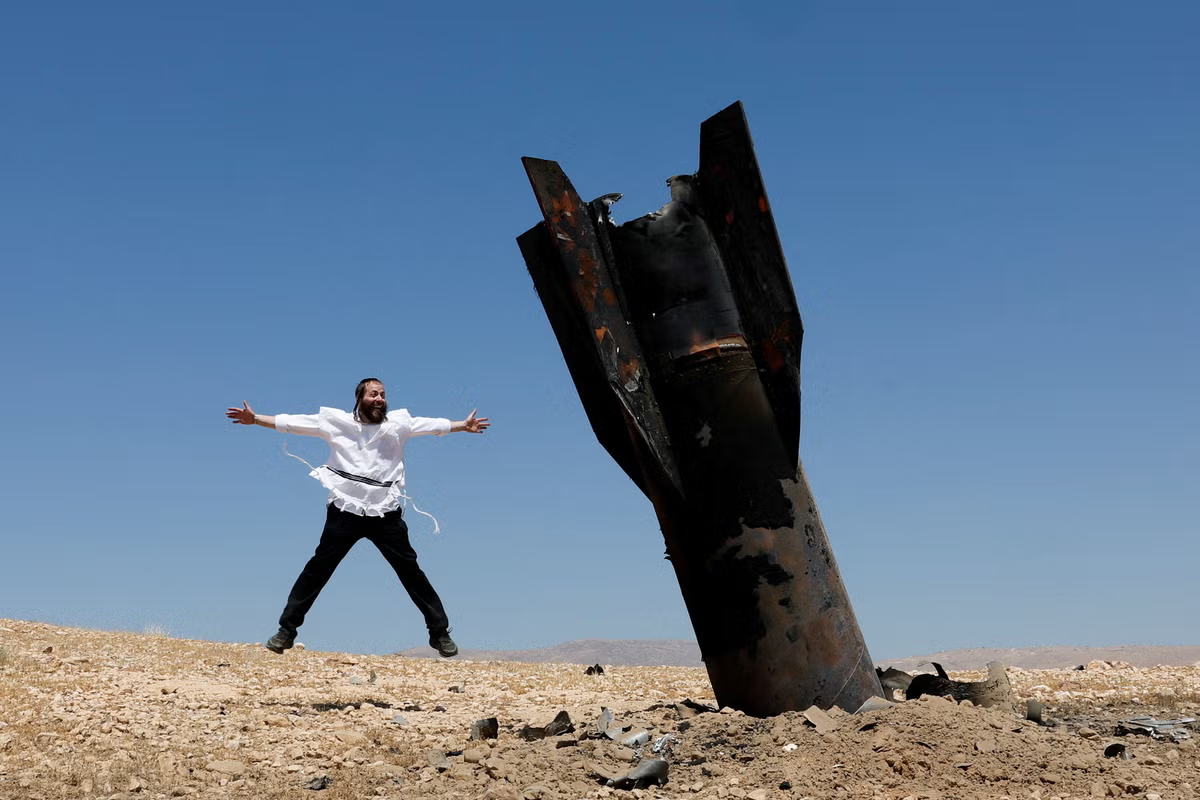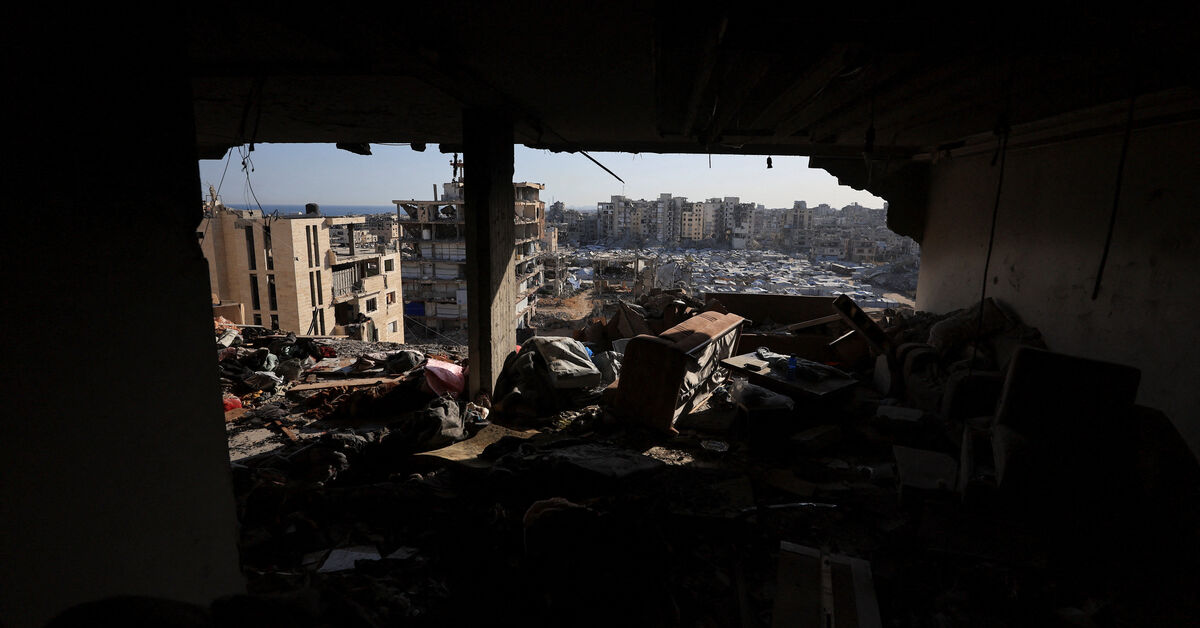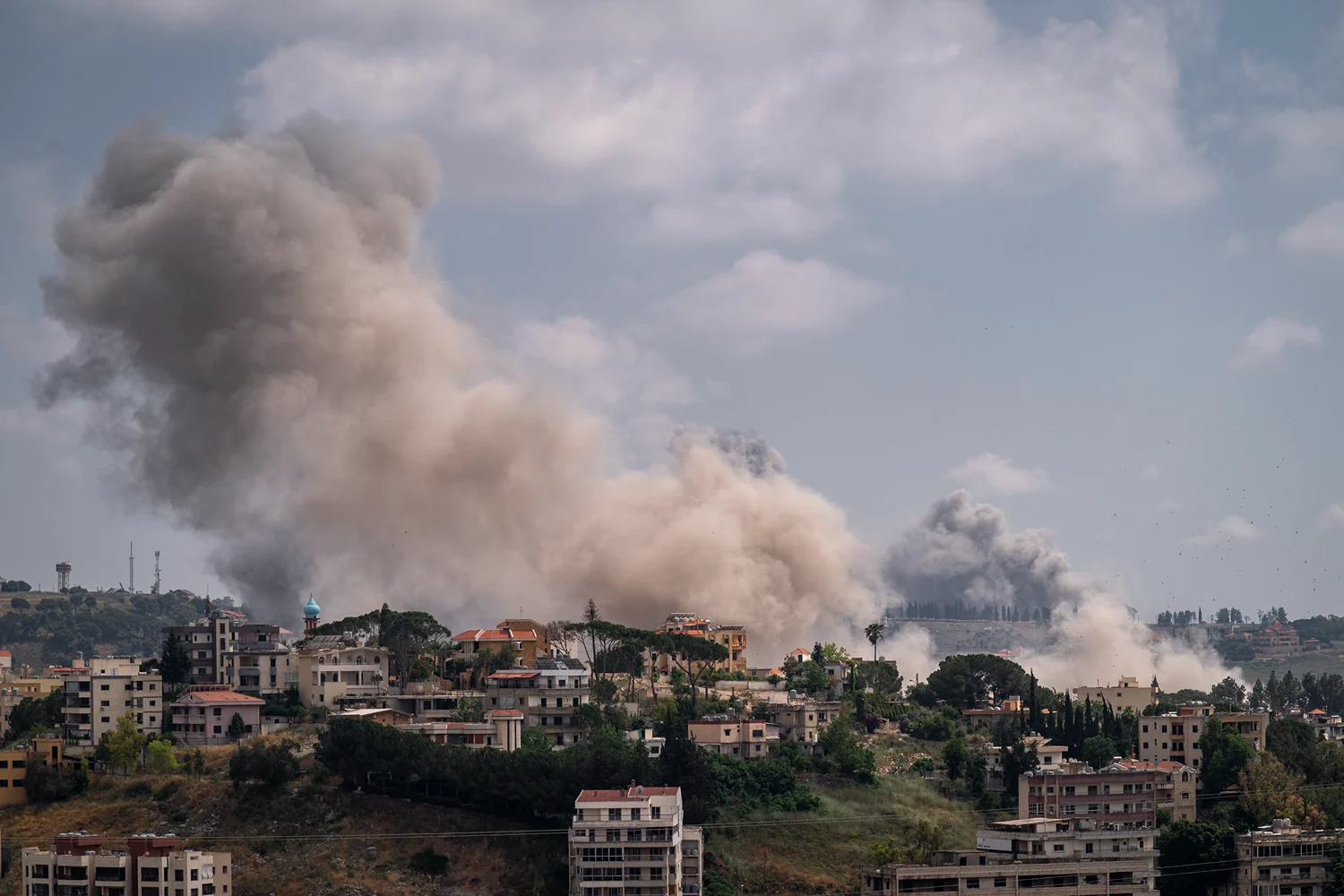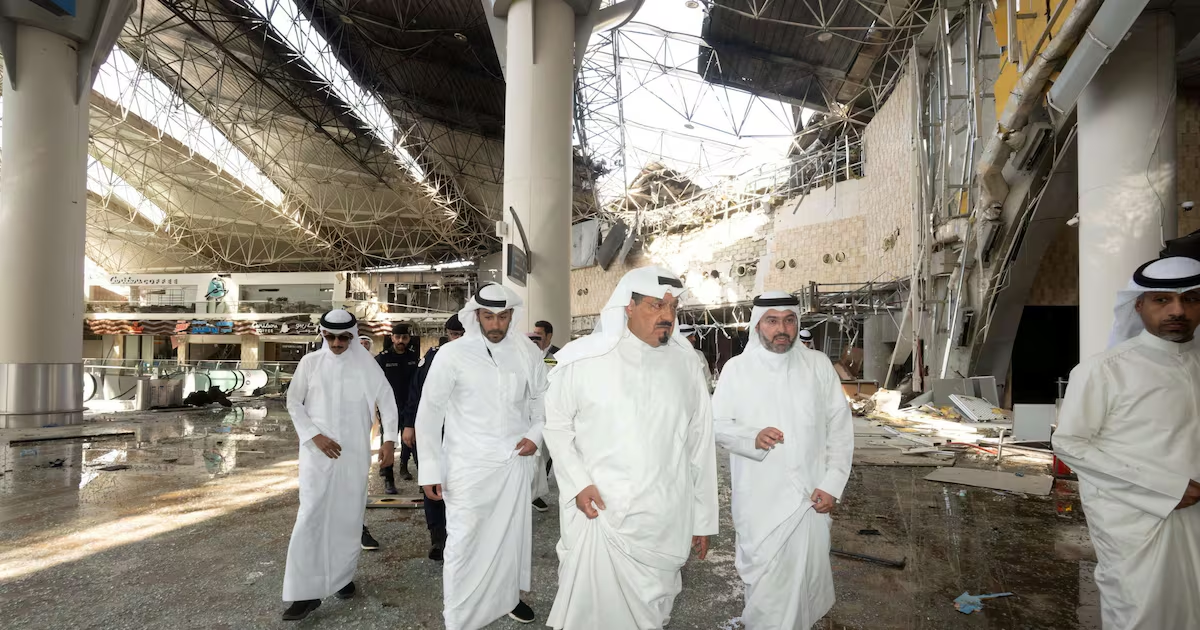
To the many Kuwaitis angered by Wednesday’s deadly Iranian attack on their country’s international airport, the notion that there is a credible ceasefire in the Iran war will seem unconvincing. Such doubts about the truce between Washington and Tehran will have been compounded by US President Donald Trump’s remark later the same day that a ceasefire in the Middle East meant only “shooting in a more moderate manner”.The idea of what a cessation of hostilities should entail was further eroded on Wednesday when the Israeli military warned residents of southern Lebanon not to travel south of the Zahrani River, saying operations against Hezbollah were continuing. This was only hours after Lebanon and Israel announced they had agreed to implement a ceasefire during talks in Washington.A lawless, cavalier attitude to ceasefires is taking hold in many parts of the Middle East. Another worrying example is how a months-long cessation in Gaza has been regularly punctuated by Israeli strikes accompanied by the increasing Israeli seizure of Palestinian territory.Play01:30Does 'ceasefire' have a different meaning in the Middle East?The repeated undermining of what a ceasefire is meant to be risks putting the Middle East on the slippery slope to a dangerous new normal. In this situation, cessation agreements are regarded as conditional, provisional frameworks. That some parties reserve the right to strike at will or carry on with military operations effectively hollows out the meaning of “ceasefire” itself.Security officials and analysts are reacting with concern. One, speaking to The National this week, said that “from Iran and its attacks on Gulf countries to Iraq, Yemen and Lebanon, the region is witnessing the emergence of a more flexible interpretation of ceasefire agreements”. In this situation, “limited strikes, targeted operations and ground incursions continue, yet agreements remain formally in place, with diplomatic efforts focused on preventing escalation rather than ending violence altogether”, they added.QuoteThe risk is not that ceasefires fail, as such, but that they are progressively redefined until failure becomes the normThe risk is not that ceasefires fail, as such, but that they are progressively redefined until failure becomes the norm, and violence is something to be managed or contained. Not only does this endanger lives and damage economies, it also sets a dangerous precedent that undermines the kinds of de-escalation strategies, monitoring mechanisms and accountability measures that have helped defuse other conflicts.This is not to dismiss the fact that many people across the Gulf are no longer living with the kind of daily missile alerts seen in the early stages of this conflict. No one would argue that a relative reduction in drone and missile attacks is not valuable. The condemnation of the attack on Kuwait by the UAE, Saudi Arabia, the GCC and others shows how much regional countries abhor strikes on civilian infrastructure. But allowing the Middle East to slide into a situation where the term “ceasefire” increasingly loses its meaning has troubling implications for the future. Breaking norms in one country risks contagion throughout the world.
Ceasefires should halt violence, not manage it | The National
A lawless, cavalier attitude to truces is taking hold in many parts of the Middle East
495 words~2 min read