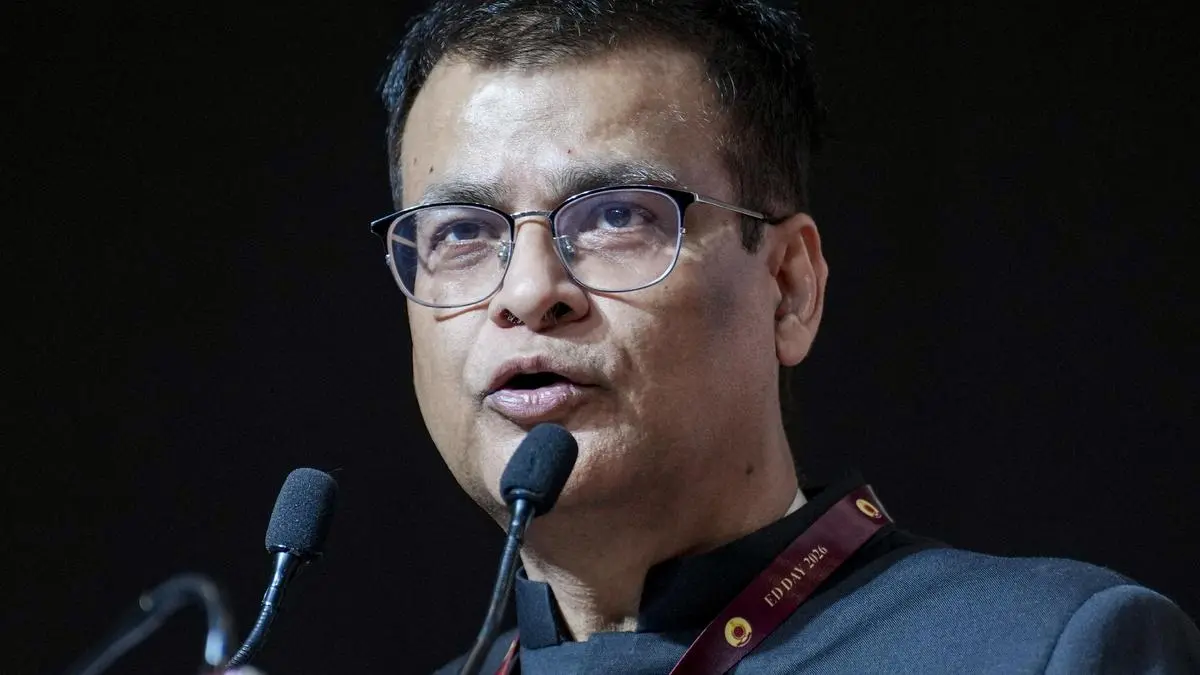
ED Director Rahul Navin has called for stronger international cooperation, information sharing and alignment with global anti-money laundering standards to trace and recover assets hidden across borders. (a file photo)
| Photo Credit:
Karma Bhutia
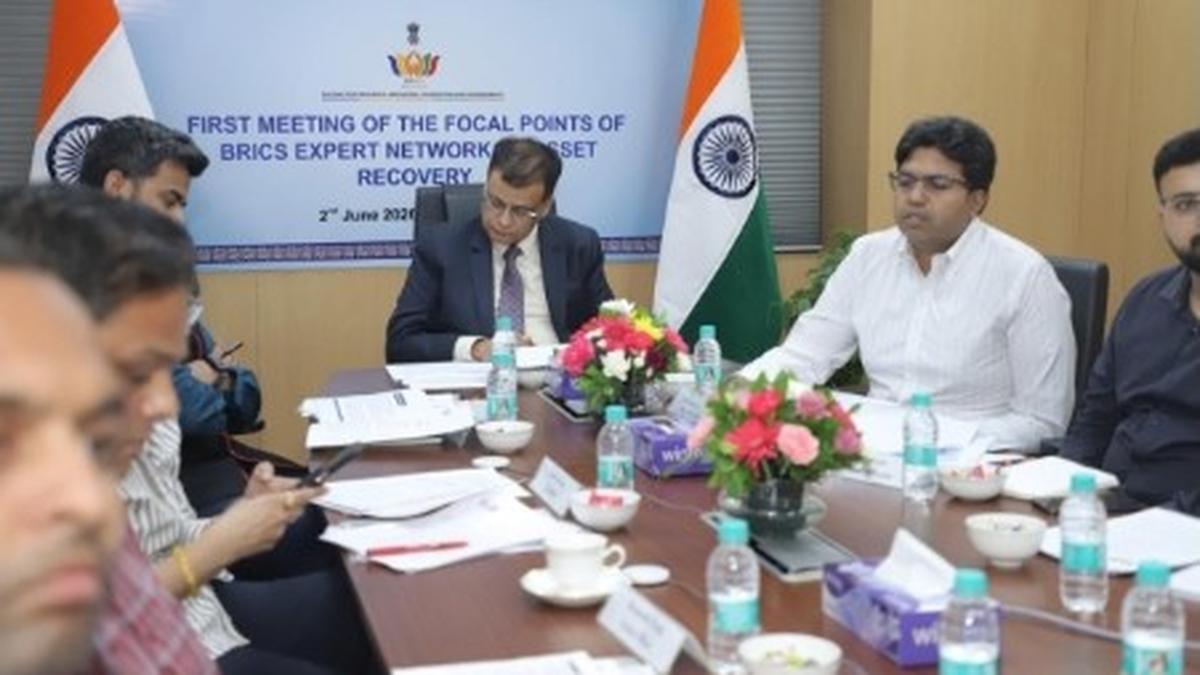
The Enforcement Directorate has frozen and attached assets worth about USD 25 billion (about Rs 2.39 lakh crore) and restored properties valued at USD 6.6 billion (over Rs 63,000 crore) to victims of financial frauds, its director Rahul Navin has said.The chief of the central agency said this during an inaugural meeting of the ‘BRICS Expert Network on Asset Recovery’ held on June 2.The meeting was part of India’s presidency of the BRICS during 2026.The participants discussed challenges faced by the members, suggestions on the way forward, development of a standard format for informal exchange of information and knowledge sharing and capacity building, according to an ED statement issued on Thursday.Asset recovery central to fighting financial crimeAsserting that asset recovery was the “central pillar” of modern anti-corruption and financial crime enforcement, Navin highlighted how cross-border money laundering and complex corporate structures “divert” critical public resources from social welfare and infrastructure.“Sharing India’s robust enforcement track record under the Prevention of Money Laundering Act (PMLA), 2002, the director highlighted ED’s role in successfully securing assets worth approximately USD 25 billion through attachment and freezing measures as well as the restitution efforts of ED, of assets valuing USD 6.6 billion to victims and legitimate claimants,” the statement said.The restoration or restitution of assets and attachment and freezing of properties is a provision available under the PMLA, a criminal law.Call for stronger global cooperationThe ED director also called for “stricter alignment” with FATF guidance to prioritise asset recovery and bolster inter-agency cooperation, the statement said.The Financial Action Task Force (FATF) is a global body that sets standards for anti-money laundering and combating financing of terrorism.Navin said that criminals were “increasingly attempting to keep the assets outside the reach of local authorities and beyond borders”.The ED chief emphasised that crime should not pay the criminals and it was the duty of the countries to cooperate with each other so that assets can be timely traced before dissipation, the statement said.The members also broadly agreed for a physical meeting to be organised by India in the near future, it said.BRICS expands its global economic footprintBRICS, initially comprising Brazil, Russia, India, China and South Africa, expanded in 2024 to include Egypt, Ethiopia, Iran, and the UAE, with Indonesia joining in 2025.It has emerged as an influential grouping as it brings together 11 major emerging economies of the world, representing around 49.5 per cent of the global population, around 40 per cent of the global GDP and around 26 per cent of the global trade.Published on June 5, 2026