Audio By Vocalize
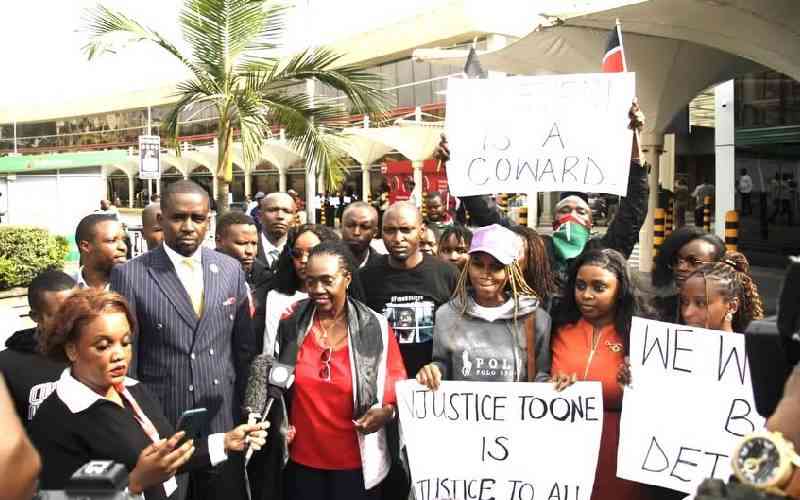
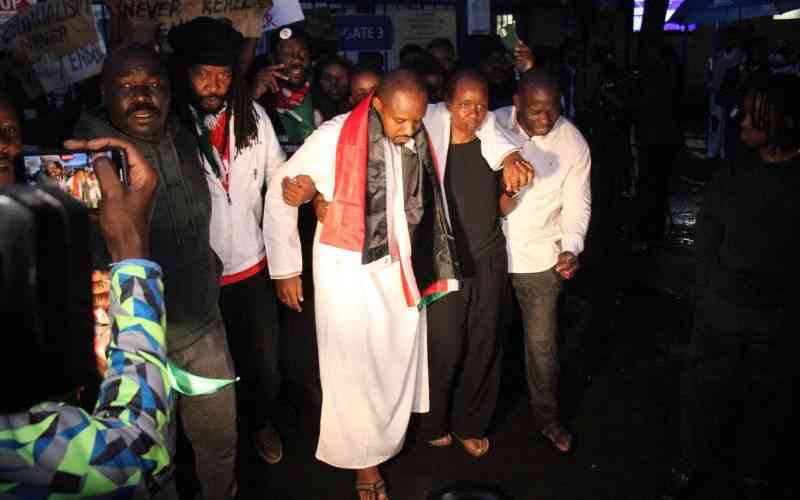
Activist Boniface Mwangi airlifted from Mombasa to Wilson Airport, on May 22, 2025. He was deported from Tanzania by road and abandoned in Ukunda. [Edward Kiplimo, Standard]
A government that values its citizens should not wait for another country to speak first when one of its own alleges detention, torture and sexual assault abroad. It may choose diplomatic language and avoid reckless confrontation, but it must still show that the safety and dignity of its citizens matter wherever they are. That is why the recent action by the United States over the ordeal of Boniface Mwangi and Ugandan activist Agather Atuhaire should embarrass Kenya.
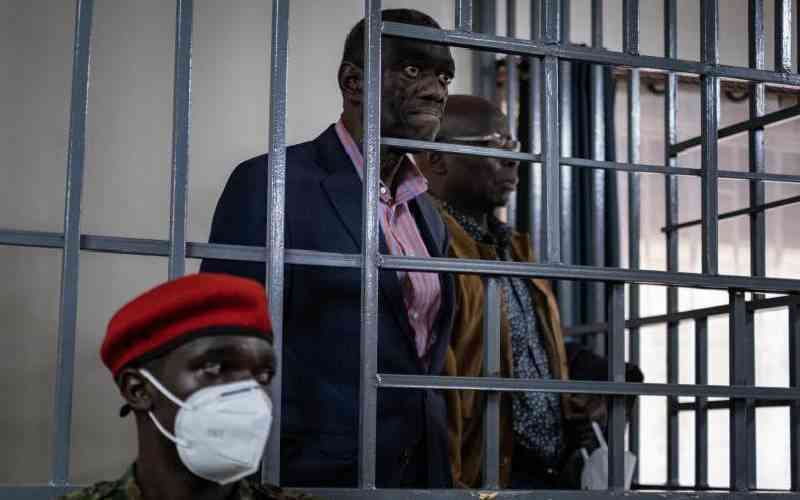
On May 21, 2026, the US State Department designated Tanzanian Police Force Senior Assistant Commissioner Faustine Jackson Mafwele under Section 7031(c), citing his alleged involvement in gross violations of human rights against Atuhaire and Mwangi. The two had travelled to Dar es Salaam in 2025 to observe the trial of Tanzanian opposition leader Tundu Lissu. What followed, according to their accounts and human rights organiSations, was detention, torture and sexual assault.
One does not need to agree with every method used by activists to understand the seriousness of that claim. A Kenyan citizen says he was violated in a neighbouring country after crossing the border in the spirit of East African human-rights solidarity, to observe a politically significant trial and stand with Tanzanians demanding due process and accountable government. The first government expected to demand answers should have been his own. Instead, the most visible public action has come from a country more than 12,000 kilometres away.