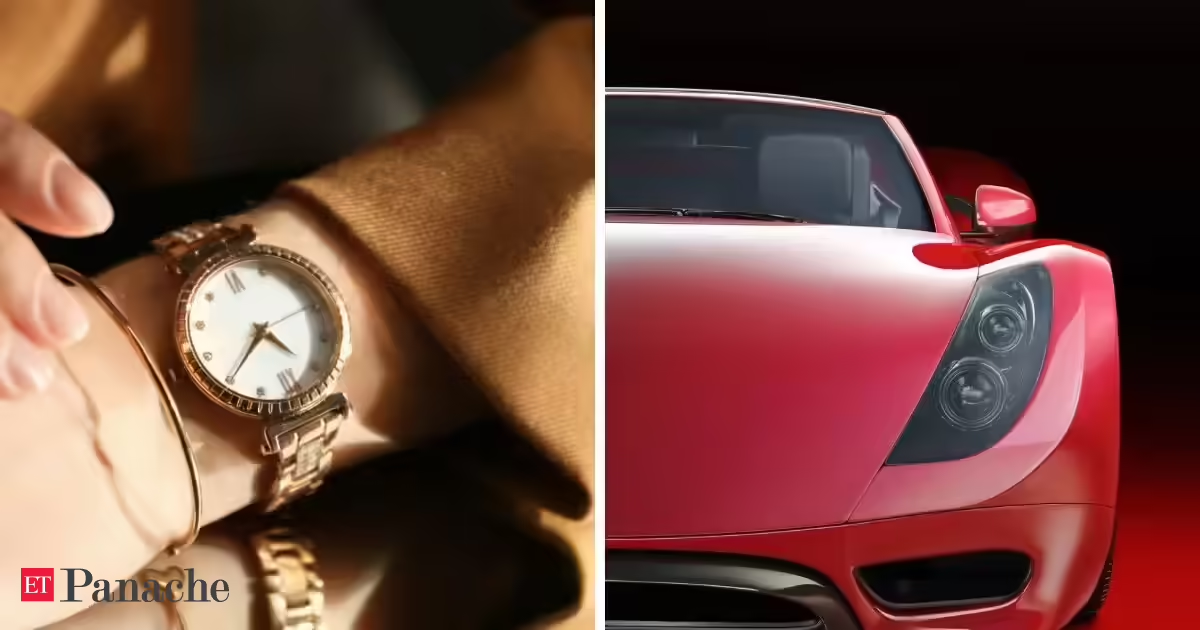
A luxury lifestyle often looks impressive from the outside. Premium cars, luxury accessories, high-end vacations, and expensive gadgets are widely seen as indicators of financial success. However, CA Nitin Kaushik believes these visible displays can sometimes create a misleading picture of a person's actual financial position.Taking to X, Kaushik challenged some of the most common assumptions people make about wealth. According to him, driving a premium German car on EMI or carrying a designer bag through Gurgaon may not be evidence of being rich at all. Instead, he suggested it simply shows that a person knows how to spend money.The difference between looking wealthy and being wealthyKaushik argued that modern society often rewards appearances. Social media platforms, advertisements, and lifestyle marketing constantly push the idea that success should be visible. As a result, many individuals focus heavily on acquiring status symbols that project affluence. Expensive vehicles, luxury fashion, and premium accessories often become tools for signalling success to others.However, Kaushik believes genuine wealth has very little to do with these outward displays. In his view, the ability to purchase expensive items does not automatically indicate financial security. He pointed out that many luxury purchases are financed through loans and EMIs, creating long-term financial obligations rather than freedom.— Finance_Bareek (@Finance_Bareek) The financial flex that really mattersAccording to Kaushik, the ultimate financial flex is not owning a Rs 10 lakh watch or any other luxury item meant to impress strangers. Instead, he said real financial strength comes from having enough savings and financial stability to walk away from a toxic work environment without worrying about the next paycheck.That level of security, he explained, offers something luxury goods cannot provide: peace of mind. A strong bank balance, adequate investments, and financial independence create options in life. They give people greater control over how they spend their time and whom they choose to work with.Why real wealth stays quietKaushik also highlighted that genuine wealth is often invisible. Rather than being displayed through expensive purchases, he described real wealth as money that remains unspent, productive assets, and investments that continue to grow over time. He specifically pointed to cash reserves, land ownership, and financial freedom as examples of assets that quietly build long-term security.These forms of wealth rarely attract attention on social media, yet they often provide far greater financial resilience than luxury consumption.Trading peace of mind for validationKaushik warned that constantly upgrading one's lifestyle to appear successful can come at a high cost. According to him, people who spend aggressively to maintain a wealthy image may unknowingly sacrifice future financial security. Chasing external validation through expensive purchases often reduces savings, increases liabilities, and limits financial flexibility.
German car, designer bag, luxury watch? CA says none of these prove you're actually rich
CA Nitin Kaushik challenges the notion that luxury goods signify wealth. He argues that visible status symbols like premium cars or designer bags, often bought on EMI, merely show spending habits, not true financial security. Real wealth, he asserts, lies in savings, investments, and the freedom to leave toxic jobs, offering peace of mind over external validation.
442 words~2 min read