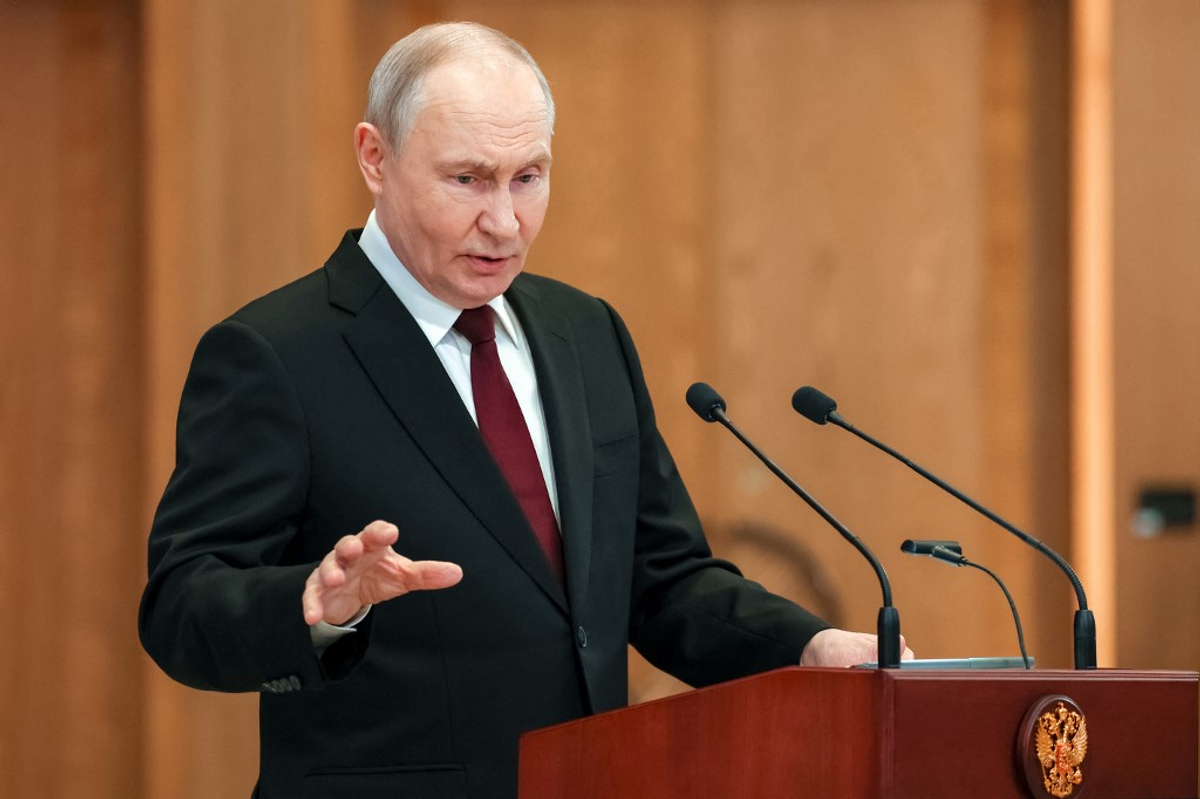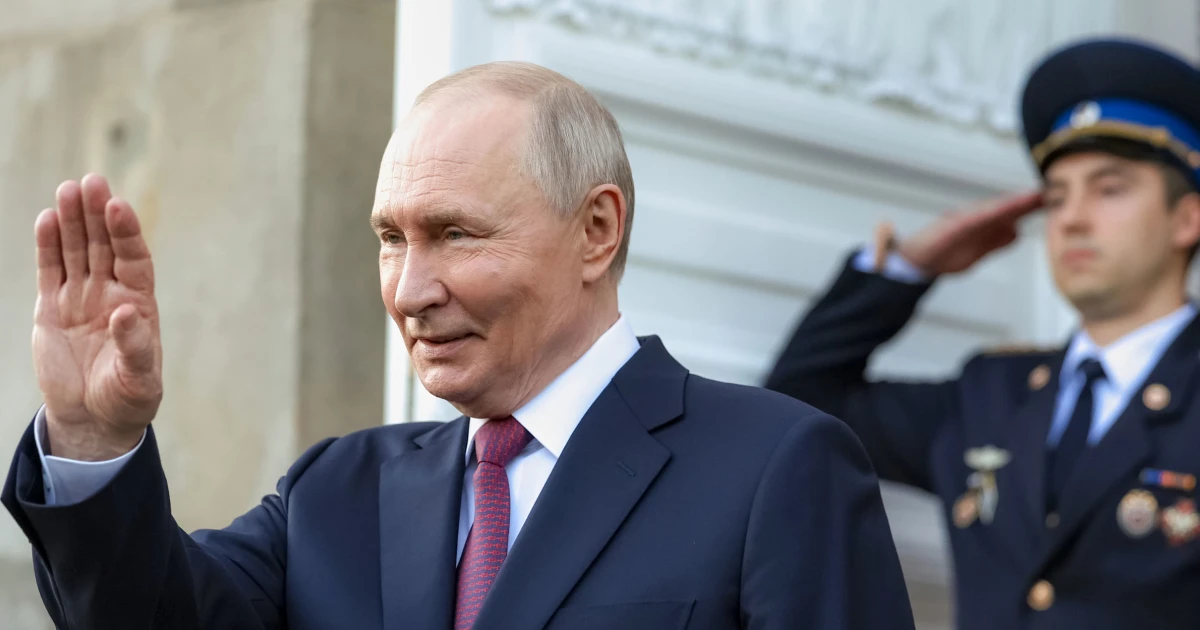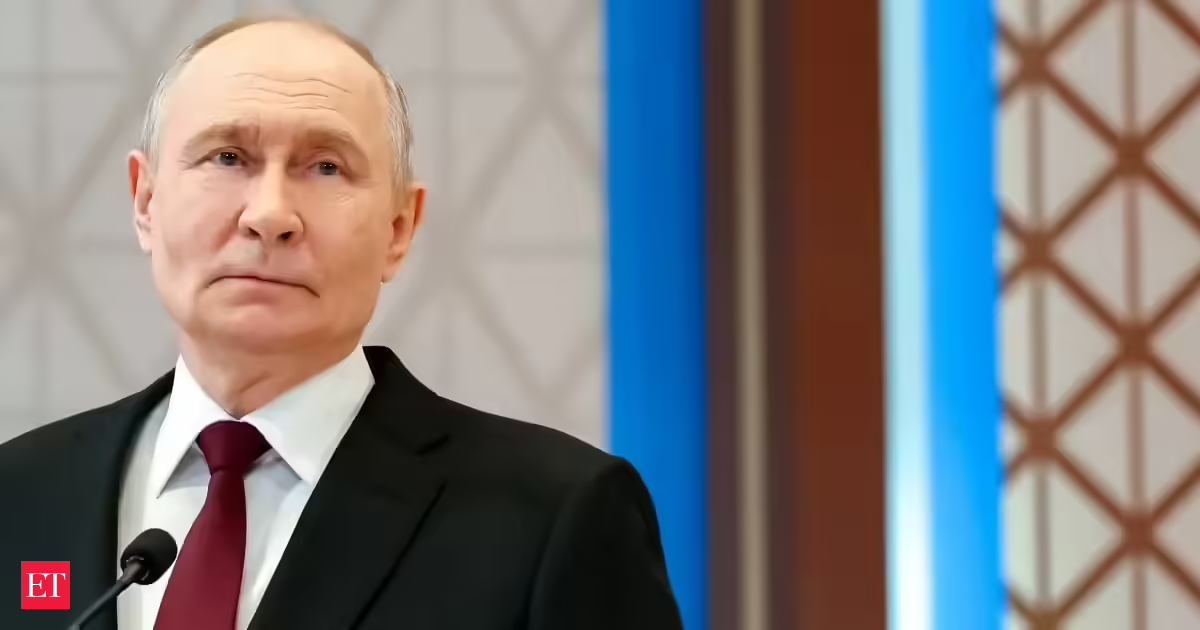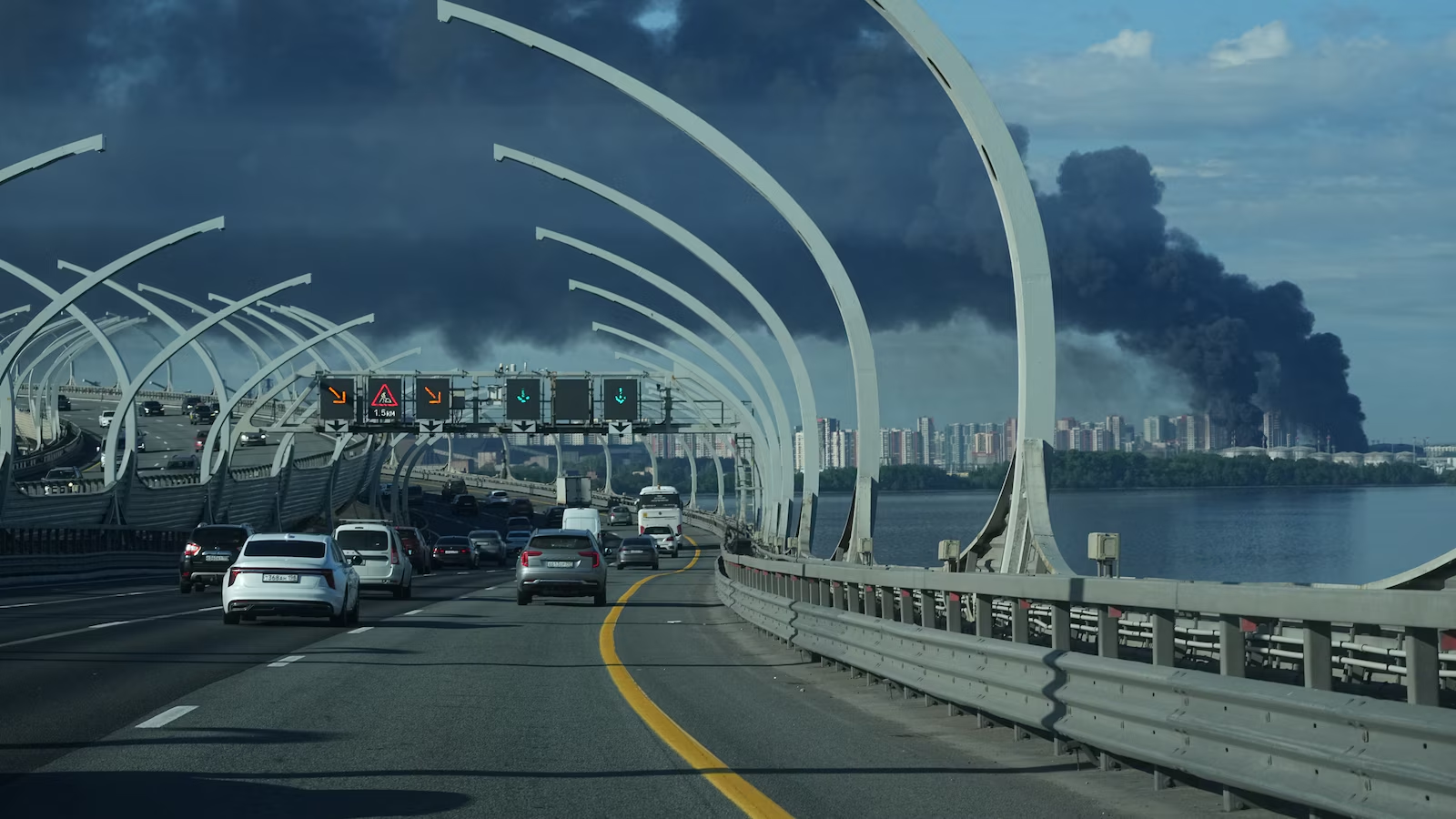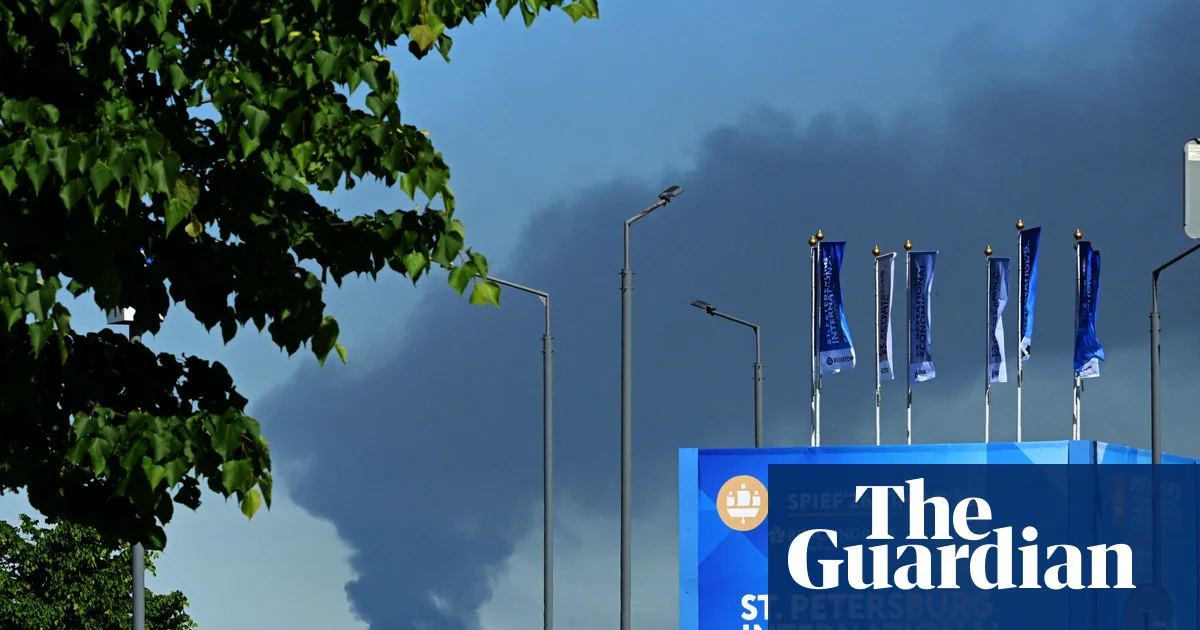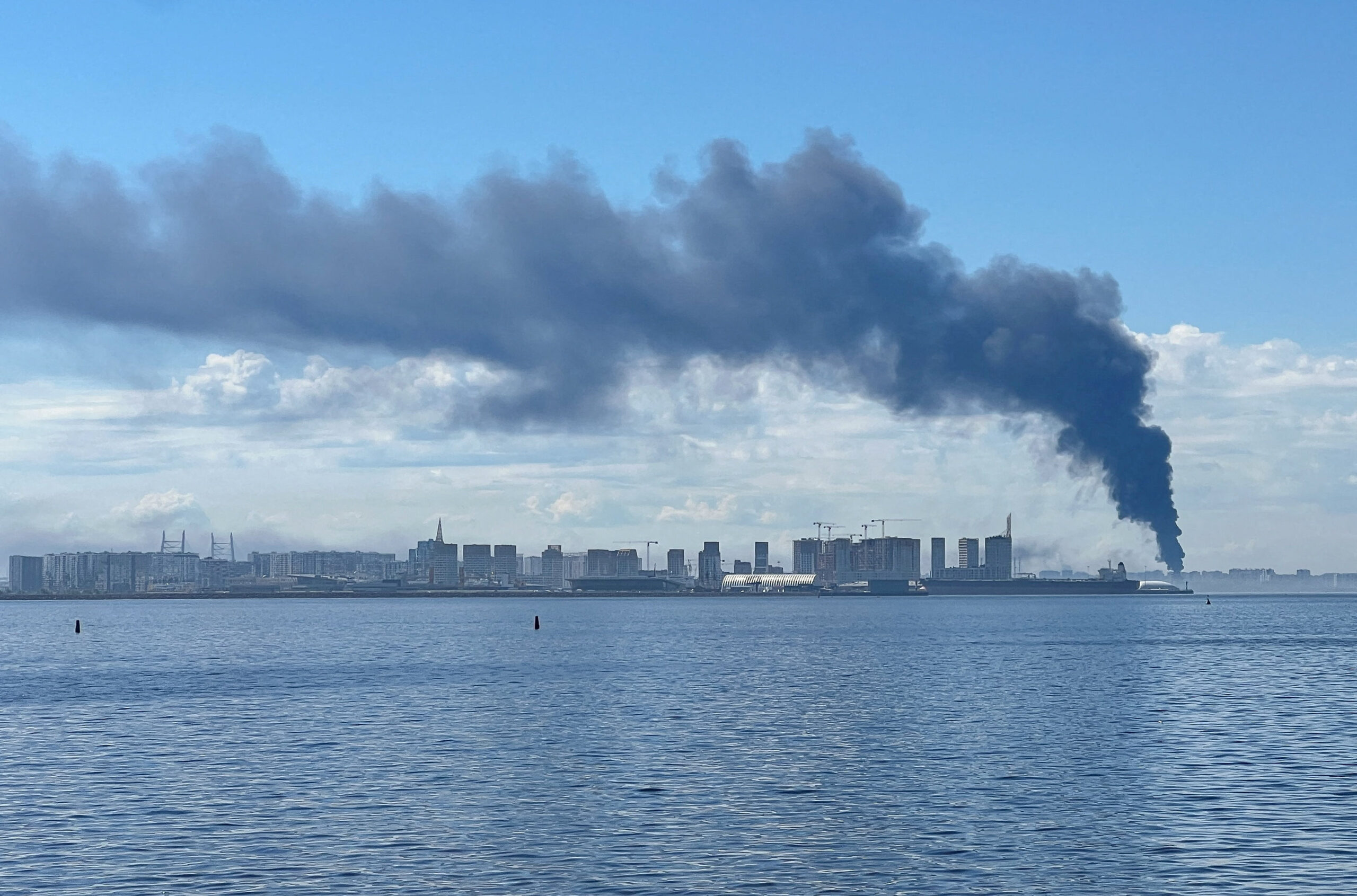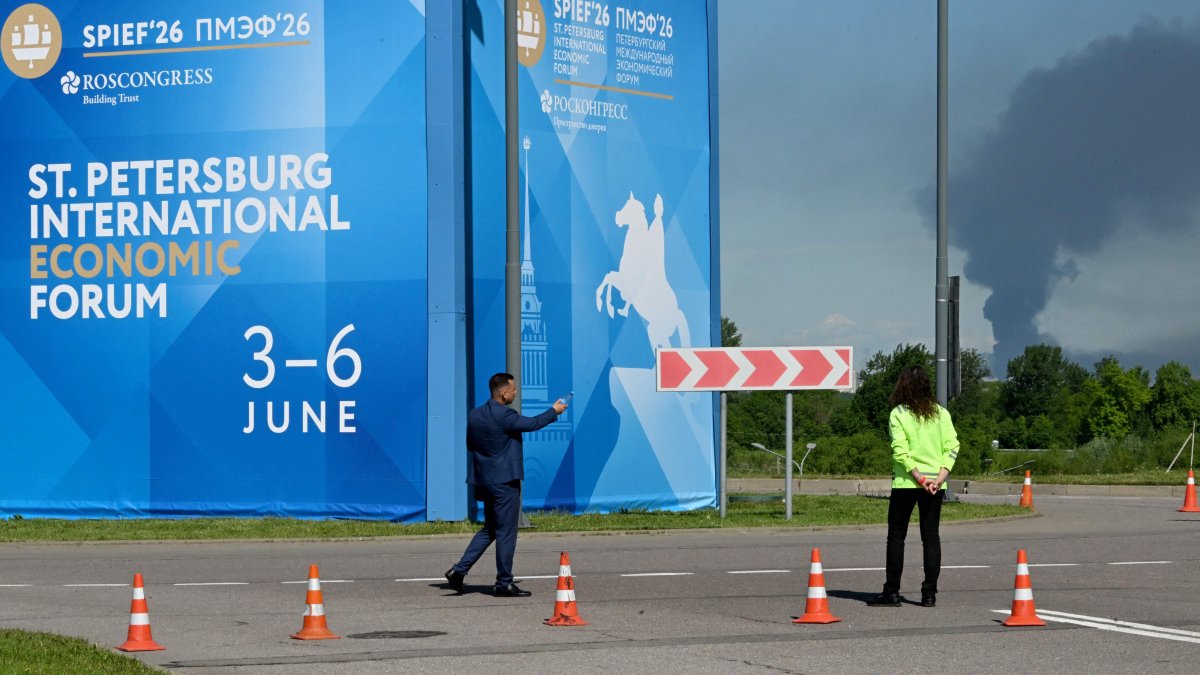
Russia's offensive has led to rising prices, tax hikes, two-decade-high borrowing costs, business shutdowns and labour shortages, putting the economy in its trickiest spot since the start of the war in 2022.Meanwhile, intensifying Ukrainian attacks on Russia's vital energy infrastructure -- oil depots, refineries, exporting hubs -- are threatening to dent Moscow's most important income stream.In a highly symbolic strike, one attack hit a facility in Saint Petersburg as the conference opened on Wednesday, with arriving dignitaries greeted by a plume of back smoke in the background."The Russian economy is entering a stagnation, with high interest rates and high inflationary pressure," Alexander Kolyandr, a London-based Russian economy expert, told AFP on the eve of Putin's speech.
Ukraine hit a facility in Saint Petersburg as SPIEF opened on Wednesday © STRINGER / AFP
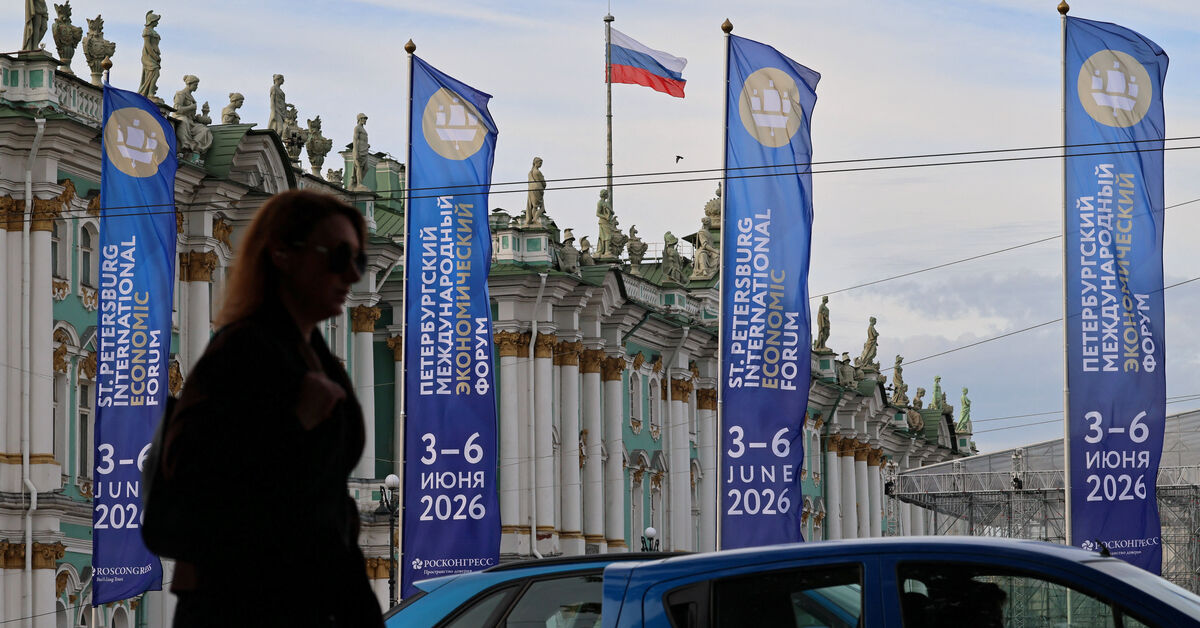
"I don't see the Russian economy entering the 1990s or something similar, it's just a slow degradation of everything," he added.Russia's GDP contracted by 0.2 percent in the first three months of the year, according to official statistics -- the first quarterly slump in three years.And the government posted an $80 billion budget deficit in the first four months of 2026 -- equivalent to 2.5 percent of annual GDP and more than was planned for the entire year.'Russian Davos'The Saint Petersburg International Economic Forum (SPIEF) was once dubbed "Russia's Davos".Western investors keen to make a buck in Russia's chaotic and fast-growing economy would gather to strike deals and hobnob with the Russian elite in the early years of Putin's rule.But since the assault on Ukraine, it has become a marker of the ex-KGB spy's new place in the world. Drones and machine guns are put on exhibition display.Guests from the likes of China and Saudi Arabia are now the top attendees. Americans and Europeans are few and far between.