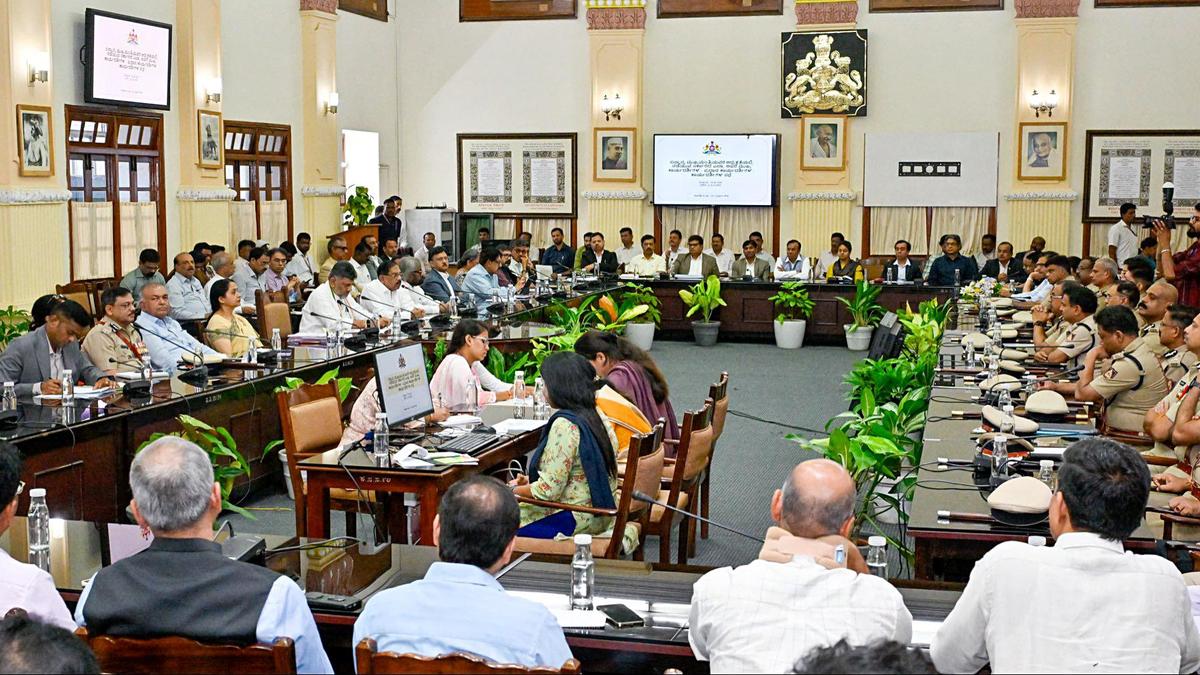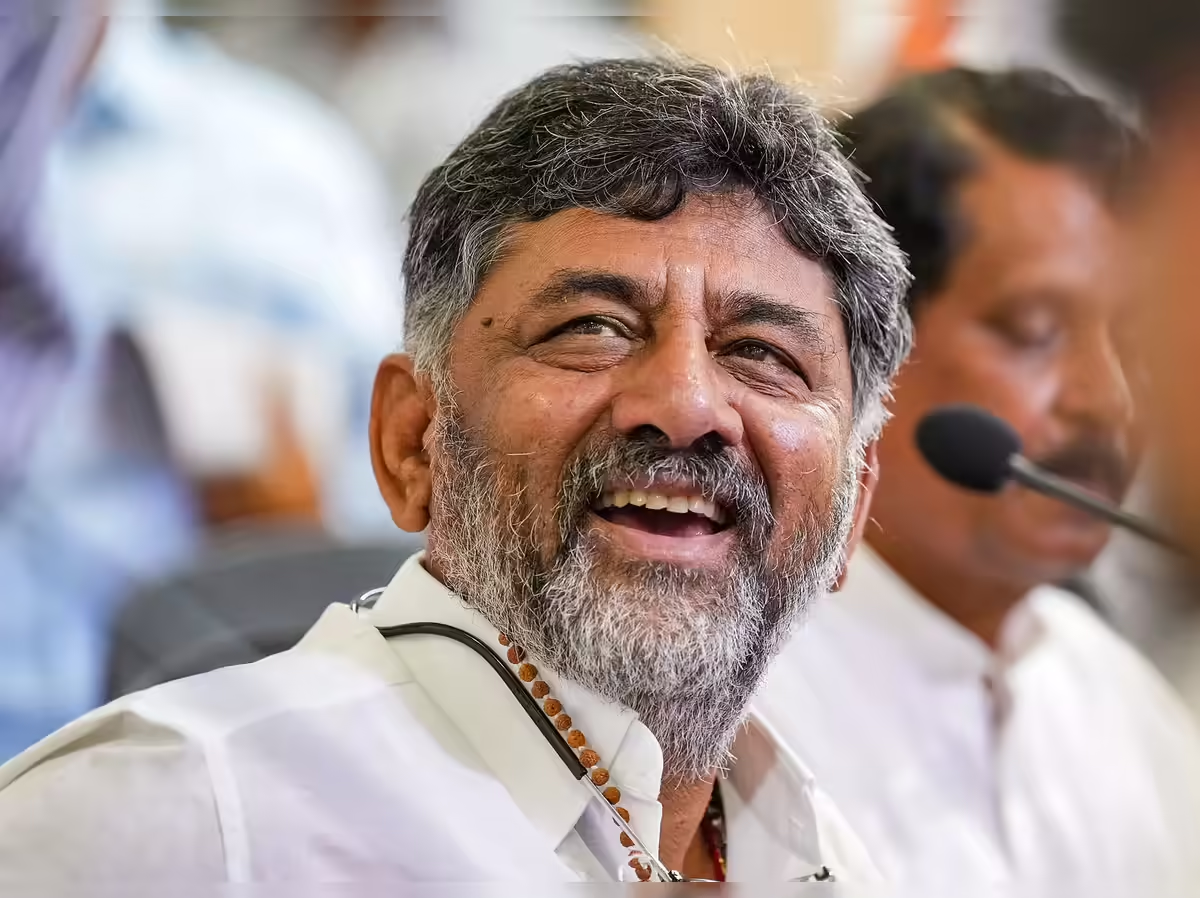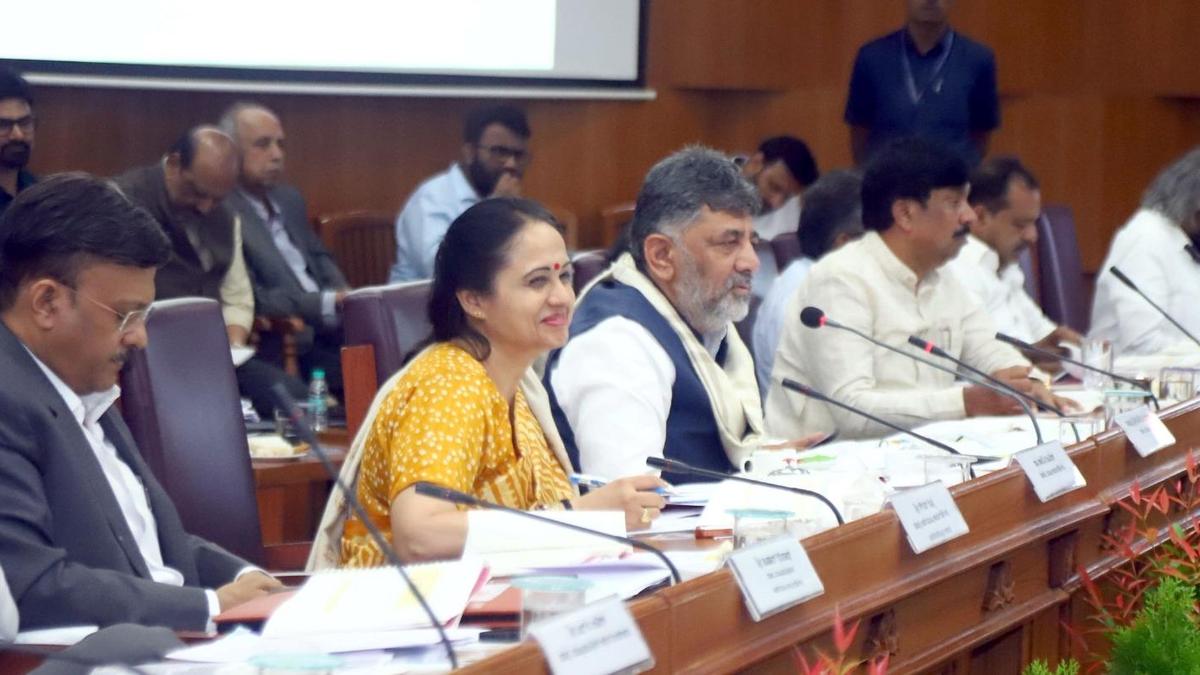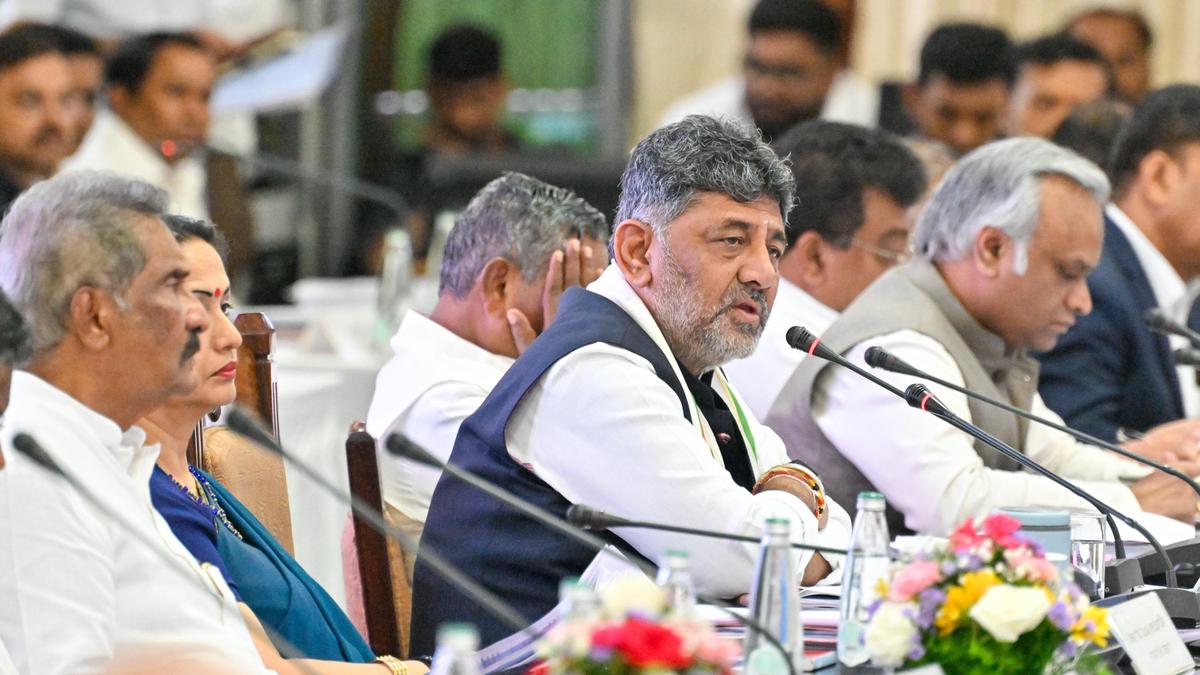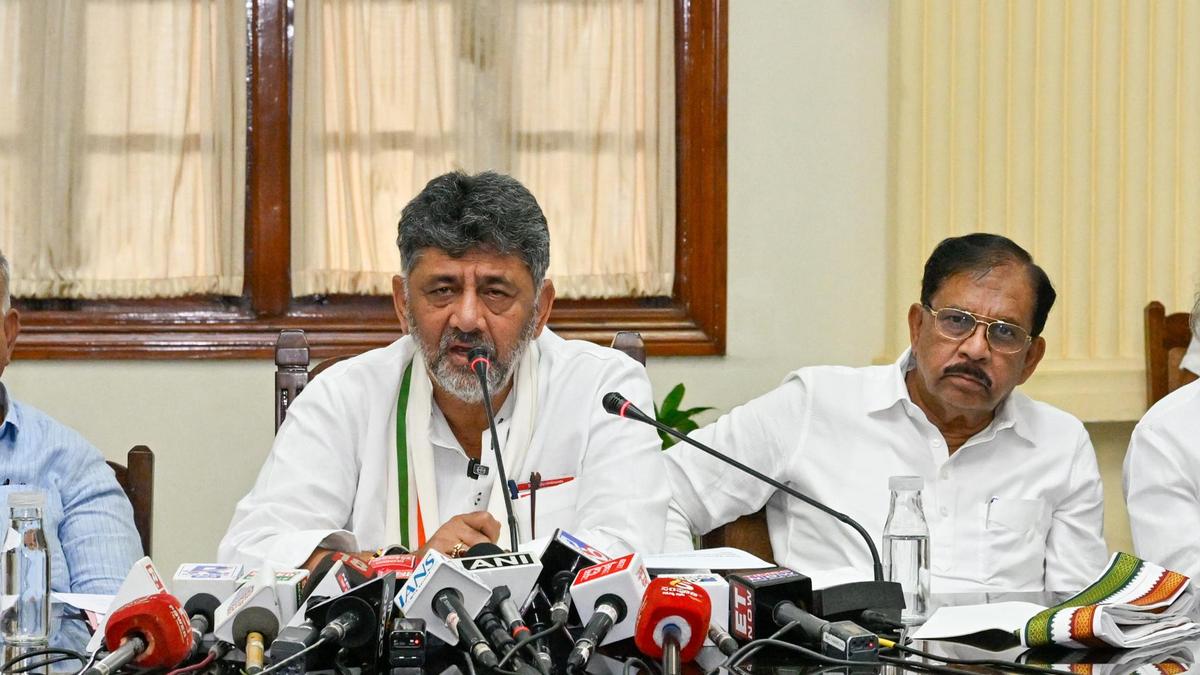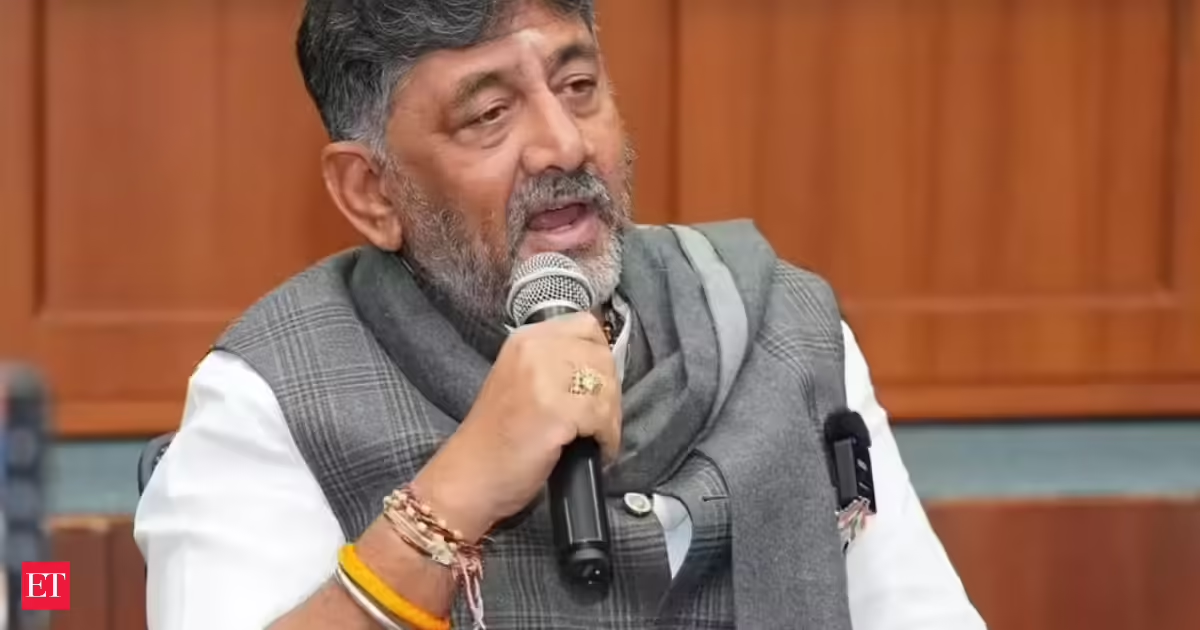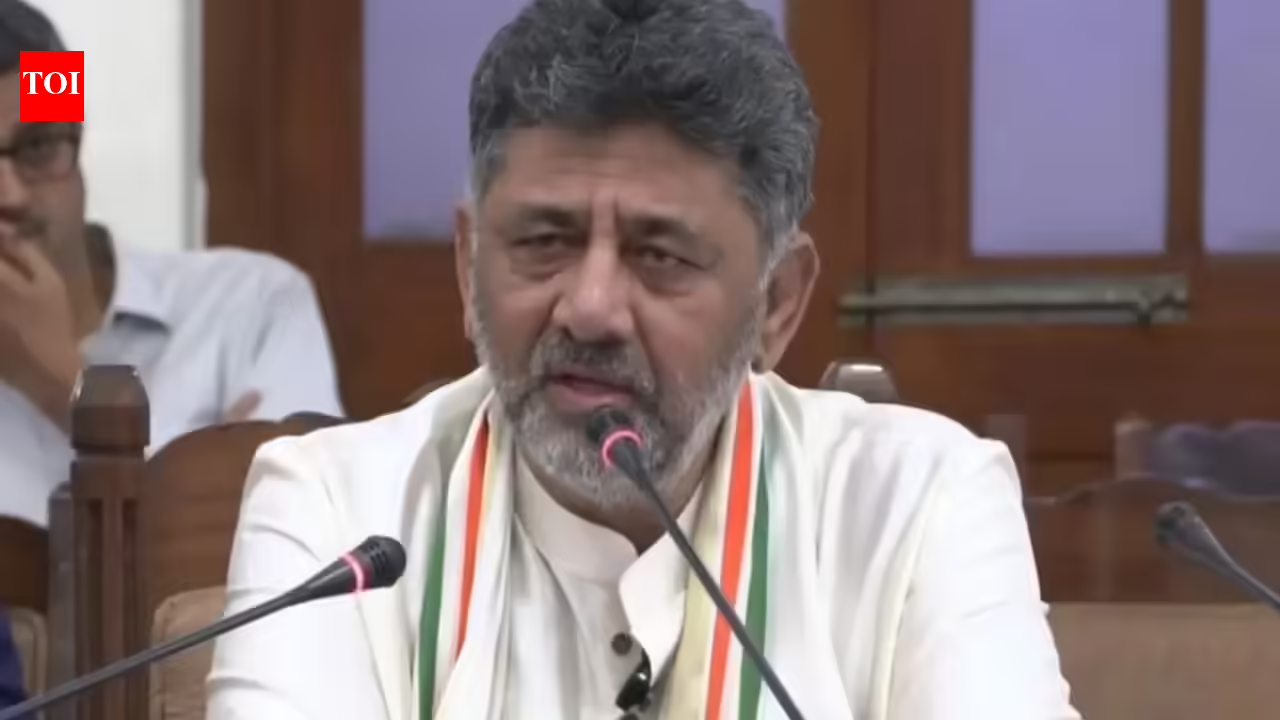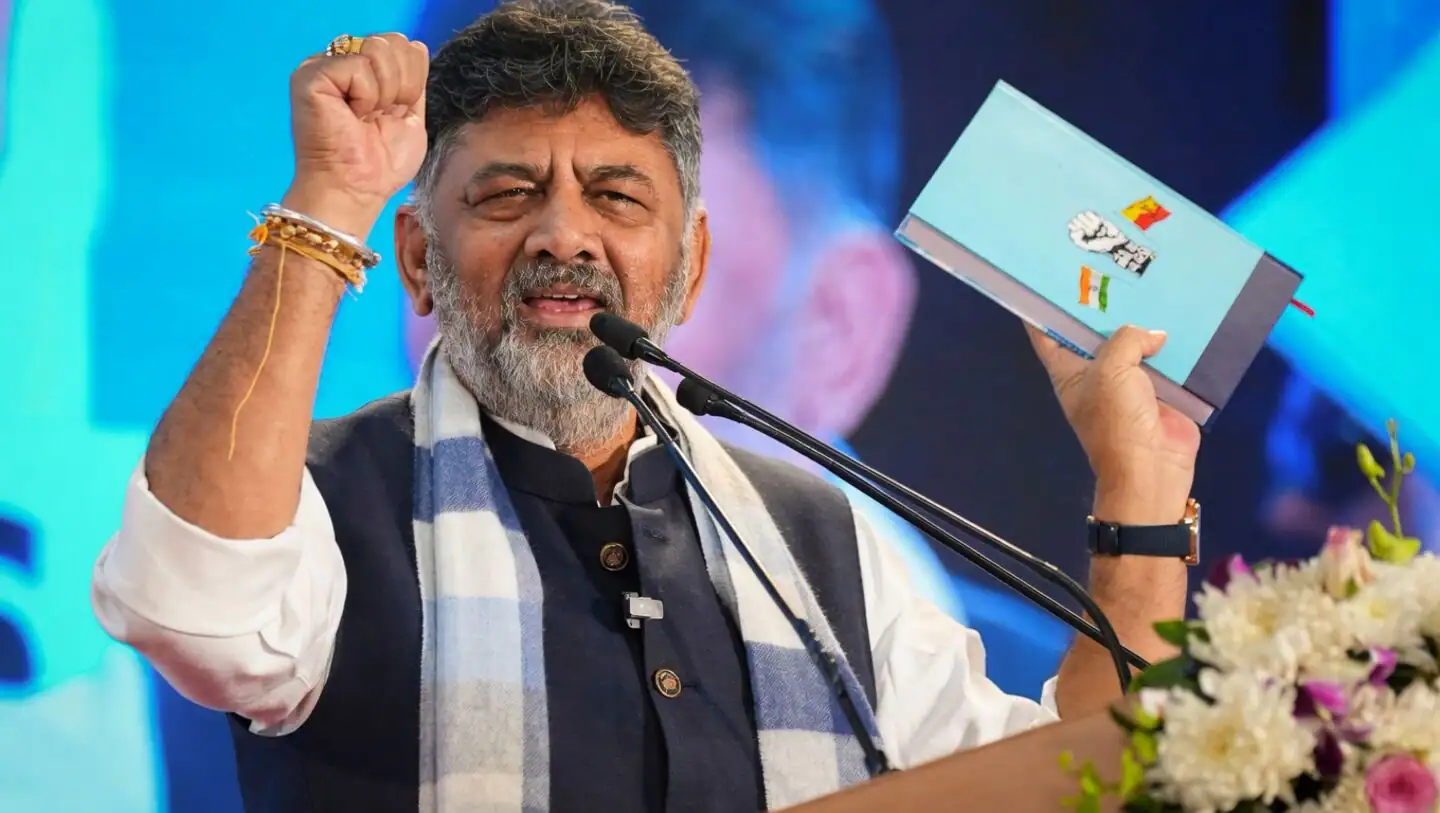
Chief minister DK Shivakumar announced on Thursday that Karnataka will create separate secretariats for public grievances and Non-Resident Indians (NRIs).K’taka CM: Will form public grievance secretariats“A separate secretariat will be established to address public grievances, and a minister will be appointed to listen to people coming to Bengaluru from across the state with complaints, demands, or issues, including those staging protests or agitations. There is a need for such a separate secretariat,” he said.The announcement came a day after Shivakumar assumed office and followed a meeting with senior bureaucrats, police officers and district administrators. Alongside the two new bodies, the government ordered reviews of welfare scheme beneficiaries, outlined plans to channel Corporate Social Responsibility funds towards schools and directed officials to prepare department-wise action plans within weeks.The Chief Minister said the volume of demonstrations and delegations arriving in the state capital pointed to the need for a more structured system. “Every day, two or three groups come here to protest. Someone has to meet them and understand their problems. It is important to determine whether their demands are legal or illegal. Officials must meet them, hear the facts, and understand their issues. Therefore, a decision has been made to establish a separate secretariat,” he said.The government also intends to create a separate NRI Secretariat to assist overseas investors and members of the global Kannada community. Shivakumar said Karnataka requires a dedicated platform to facilitate investment, provide assistance and address procedural issues faced by Non-Resident Indians. “We want a dedicated system to facilitate NRI investments, provide assistance, and create the necessary legal framework. Officials are preparing a proposal for this,” he said.The proposed body would function as a single point of contact for overseas investors seeking to do business in Karnataka.The chief minister also announced a review of the state’s use of Corporate Social Responsibility funds. According to Shivakumar, nearly ₹8,000 crore is available annually through CSR obligations, but the government lacks complete information on how the money is being spent.District administrations have been instructed to identify industries operating within their jurisdictions, determine which companies are profitable and monitor the deployment of mandatory CSR expenditure. A new CSR policy has already received Cabinet approval, and detailed guidelines are expected shortly.Alongside the policy announcements, Shivakumar delivered a message to senior officials about administrative conduct and accountability. He instructed officers not to yield to pressure from politicians, caste organisations, religious groups, influential individuals or even the Chief Minister’s Office.“I told officials not to bow to any pressure, whether from ministers, MLAs, or even my own office. They should work within the framework of the law and maintain a positive approach. Wherever there is a problem, they should find a solution within the system. That is my message,” he said.Officials have been asked to prepare departmental action plans within 15 days and submit reports on pending works and potential new initiatives within 25 days. “We want to provide an open, transparent, and corruption-free government,” Shivakumar said.On electoral administration, Shivakumar directed district in-charge secretaries to monitor the ongoing special intensive revision (SIR) of electoral rolls and ensure that eligible voters are not excluded because of administrative errors. Officials were instructed to create awareness about the process and help citizens obtain documents required for verification. “Local bodies have the authority to issue residential certificates. Since these certificates are needed for SIR, people must be helped to obtain them and other required documents,” he said.The government is simultaneously reviewing beneficiary data under the Gruha Jyothi and Gruha Lakshmi welfare schemes. Shivakumar said the exercise is intended to identify irregularities rather than reconsider the programmes themselves.Under Gruha Jyothi, which provides free electricity up to 200 units, authorities have identified cases involving alleged commercial use of domestic connections, multiple meters linked to the same beneficiary and other irregularities. “There are 1.64 crore beneficiaries under the scheme, and the government has no issue if eligible citizens receive the benefit,” he said.The chief minister said officials are also examining cases under the Gruha Lakshmi programme in which benefits allegedly continued to be transferred after the death of eligible recipients. According to Shivakumar, payments to ineligible beneficiaries total about ₹120 crore.
K’taka CM: Will form public grievance secretariats
Karnataka's CM announced separate secretariats for public grievances and NRIs, with emphasis on structured systems, CSR funds review, and administrative integrity. | India News
689 words~3 min read