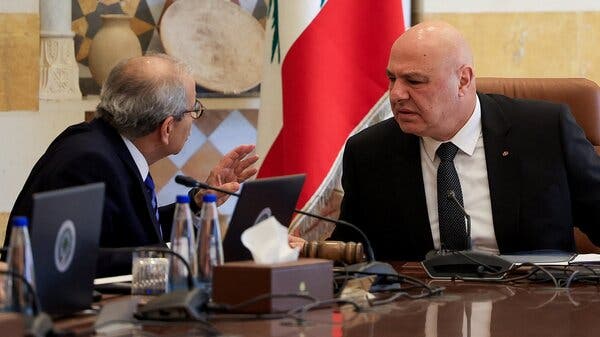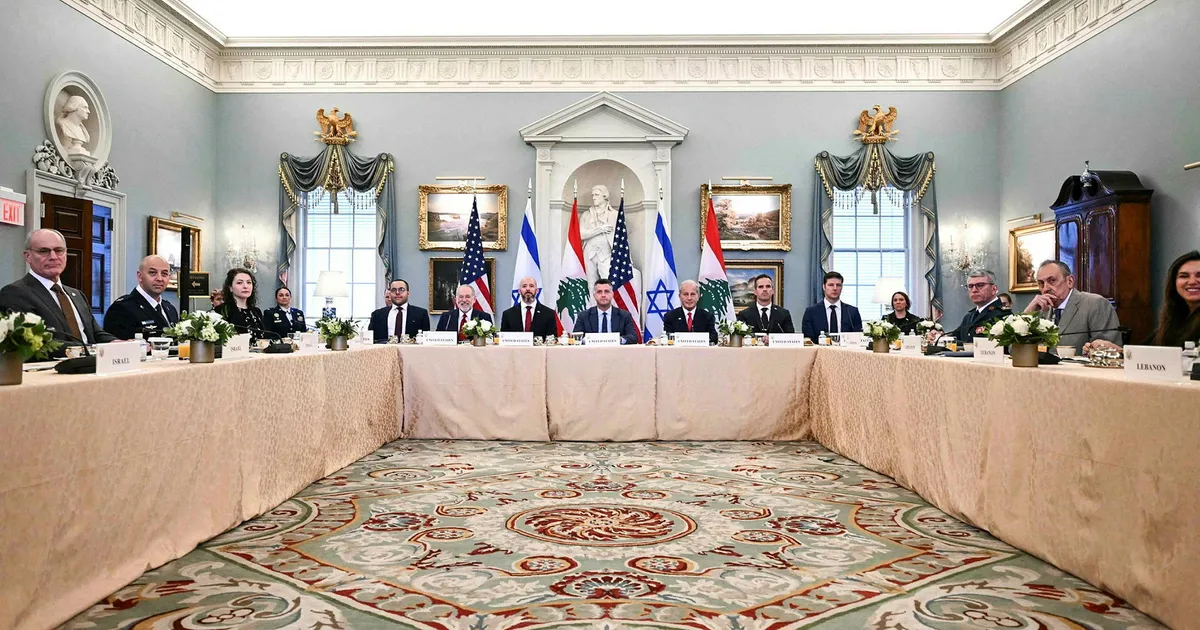
BEIRUT – Fresh from his evening shower on May 15, Ibrahim Nehme was settling onto the couch to watch the news in a quiet neighborhood in Tyre, an ancient city in southern Lebanon. There was a lot to catch up on. A Lebanese delegation had just met with Israeli officials in Washington, part of the first direct negotiations between the two countries in decades. In theory, the talks had been positive: The two sides had agreed to meet again in June and to extend the month-old ceasefire between them for 45 days.
But just as he tuned in, he heard a crackle of nearby gunfire.
“I started hearing people shouting and screaming, and people started shooting in the air,” Nehme said. The shooting could mean only one thing: An Israeli strike was coming. He grabbed his shoes, his teenage daughter and their cat, and hurtled down the stairs.
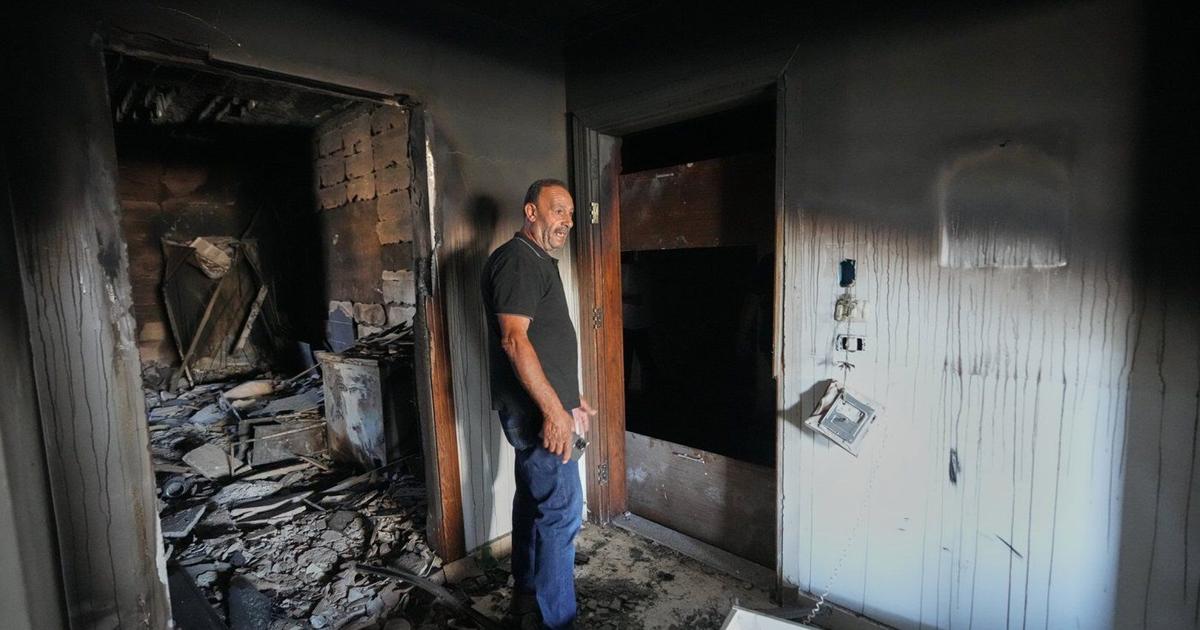
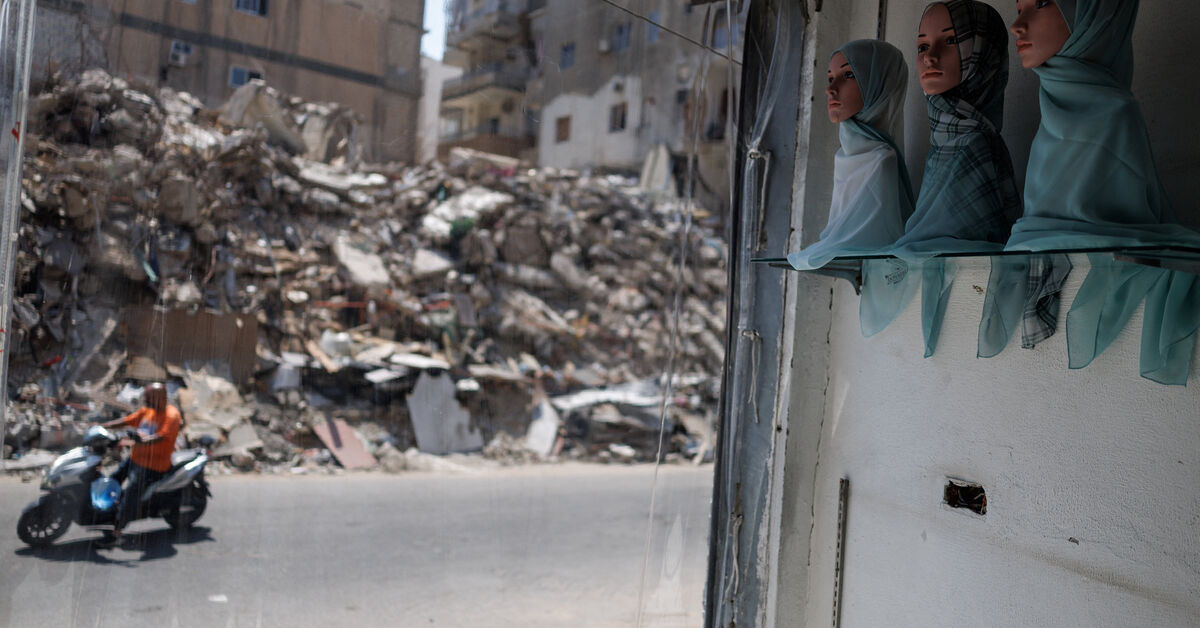
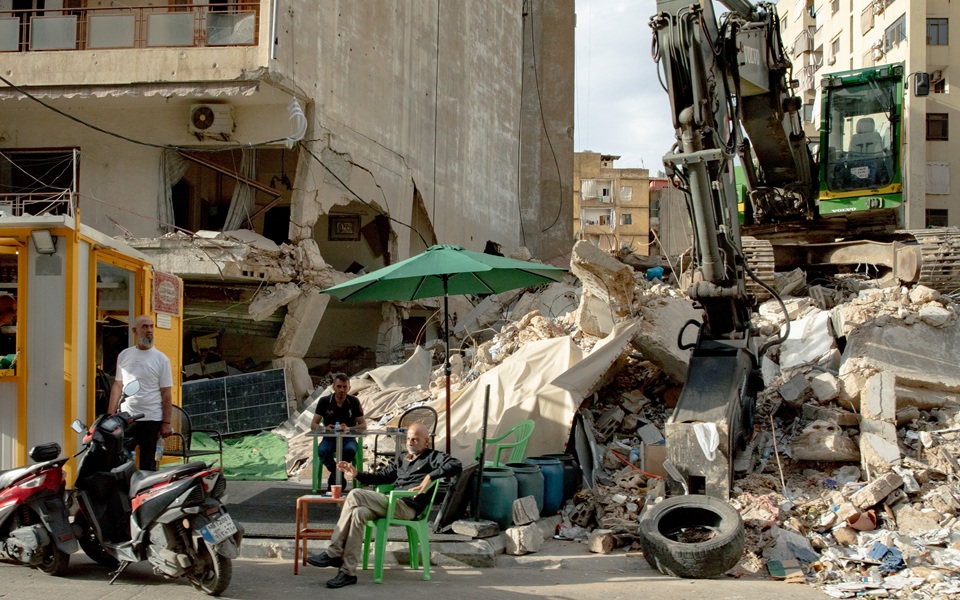
Minutes later, a missile crashed into the building next door. The blast sheared off the wall of the room Nehme had been sitting in; the sofa tumbled onto the ashen debris five stories below. Shards of glass blanketed the twin beds in his daughters’ bedrooms, and deep fissures snaked up the apartment’s exterior walls. He and his family had no idea why this placid, upscale neighborhood of elegant apartment blocks was bombed. It was a tight-knit community where everyone knew everyone, and the notion of Hezbollah fighters being among them was absurd.