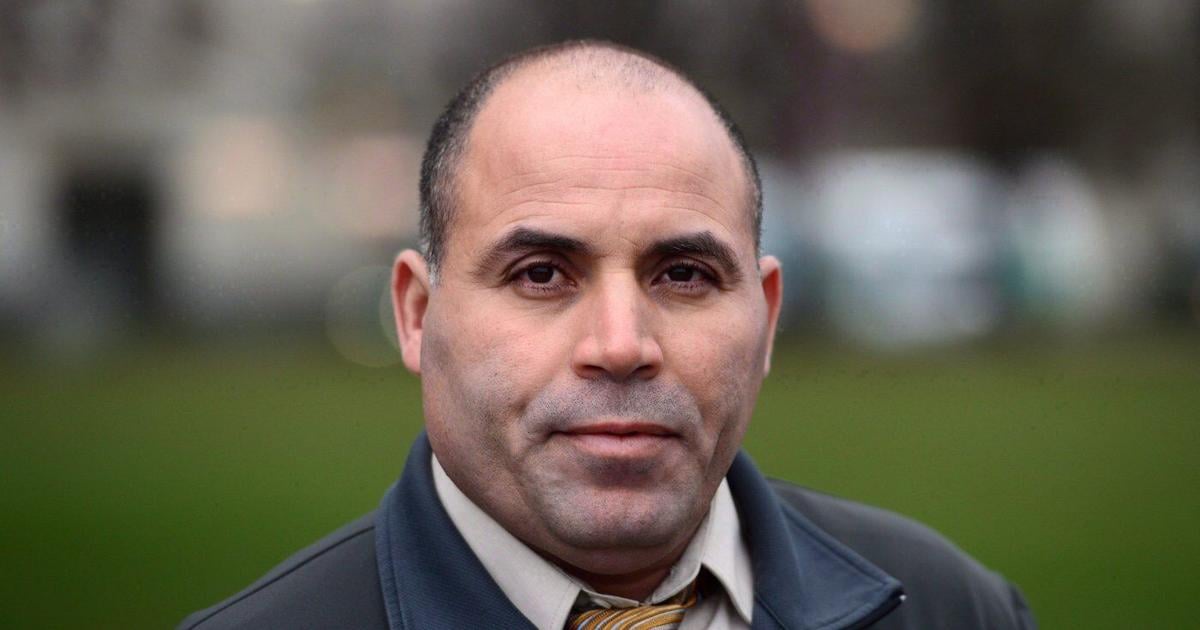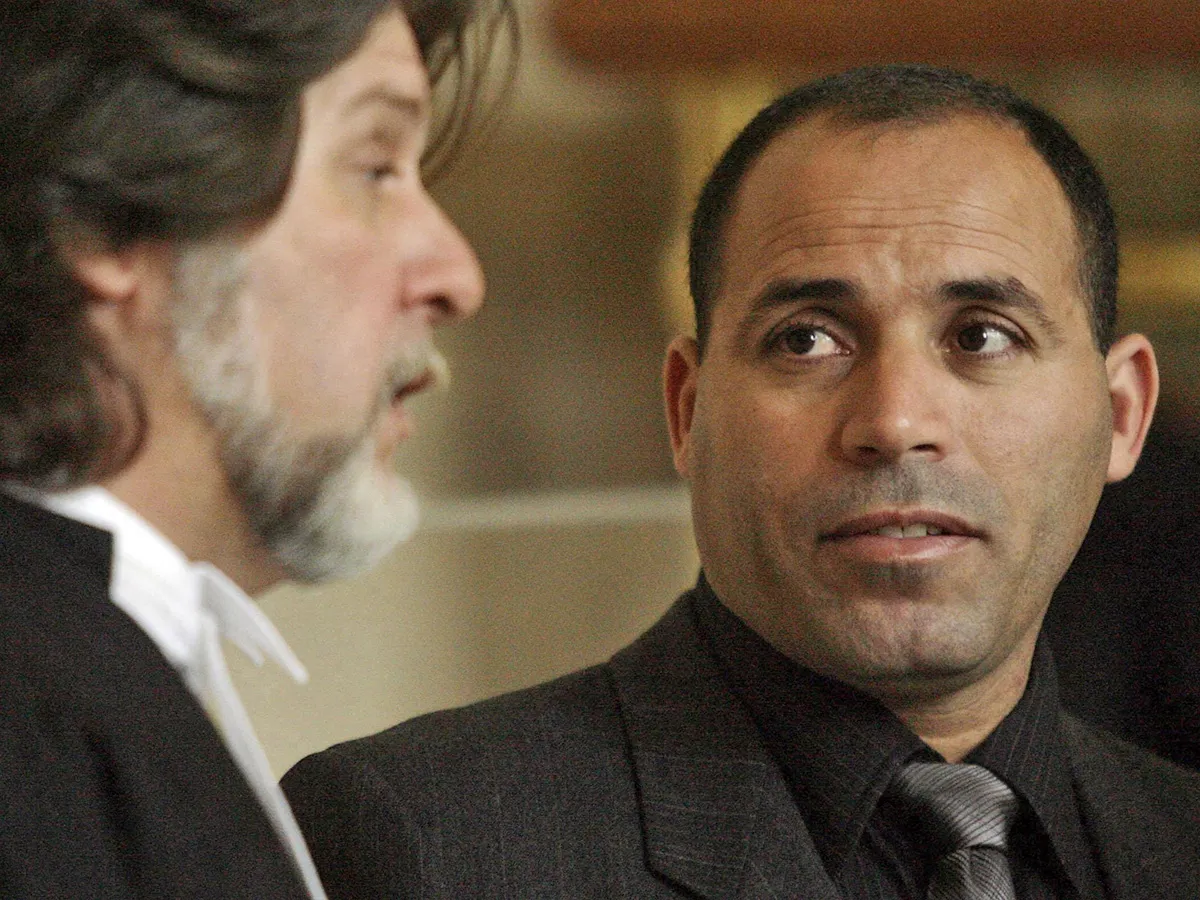
Skip to Content Subscribe Our Offers My Account Manage My Subscriptions FAQ Newsletters Canada Canadian True Crime Canadian Politics Health World Israel & Middle East Financial Post NP Comment Longreads Puzzmo Diversions Comics NP News Quiz New York Times Crossword Horoscopes Life Eating & Drinking Style Sponsored Play for Ontario Travel Travel Canada Travel USA Travel International Cruises Travel Essentials Culture Books Celebrity Movies Music Theatre Television Business Essentials Advice Lives Told Tails Told Shopping Buy Canadian Home Living Outdoor Living Tech Style & Beauty Kitchen & Dining Personal Care Entertainment & Hobbies Gift Guide Travel Guide Deals Savings National Post Store More Sports Hockey Baseball Basketball Football Soccer Golf Tennis Driving Vehicle Research Reviews News Gear Guide Obituaries Place an Obituary Place an In Memoriam Classifieds Place an Ad Celebrations Working Business Ads Archives Healthing Epaper Manage Print Subscription Profile Settings My Subscriptions Saved Articles My Offers Newsletters Customer Service FAQ Newsletters Canada World Financial Post NP Comment Longreads Puzzmo Diversions Life Shopping Epaper Manage Print Subscription HomeNewsCanadaAccused al-Qaeda sleeper agent Mohamed Harkat wins another chance at staying in CanadaMohamed Harkat's arrest in 2002 sparked an enormous legal fight that has been running up and down in Canada’s highest courts ever sinceLast updated 6 minutes ago You can save this article by registering for free here. Or sign-in if you have an account.Mohammed Harkat, right, speaks with his lawyer in the lobby of the Supreme Court of Canada in 2016. Photo by Darren Brown/Postmedia/FileAn accused sleeper agent for al-Qaeda’s terror network who Canada has been trying to deport for 24 years won another reprieve Thursday when a Federal Court judge granted him a new review instead of deportation.Enjoy the latest local, national and international news.Exclusive articles by Conrad Black, Barbara Kay and others. Plus, special edition NP Platformed and First Reading newsletters and virtual events.Unlimited online access to National Post.National Post ePaper, an electronic replica of the print edition to view on any device, share and comment on.Daily puzzles including the New York Times Crossword.Support local journalism.Enjoy the latest local, national and international news.Exclusive articles by Conrad Black, Barbara Kay and others. Plus, special edition NP Platformed and First Reading newsletters and virtual events.Unlimited online access to National Post.National Post ePaper, an electronic replica of the print edition to view on any device, share and comment on.Daily puzzles including the New York Times Crossword.Support local journalism.Create an account or sign in to continue with your reading experience.Access articles from across Canada with one account.Share your thoughts and join the conversation in the comments.Enjoy additional articles per month.Get email updates from your favourite authors.Create an account or sign in to continue with your reading experience.Access articles from across Canada with one accountShare your thoughts and join the conversation in the commentsEnjoy additional articles per monthGet email updates from your favourite authorsSign In or Create an AccountorMohamed Harkat, an Algerian citizen, came to Canada in 1995 claiming refugee protection, but in the wake of the 9/11 terror attacks on the United States the former pizza delivery driver and gas station attendant was accused of being a sleeper agent in Osama bin Laden’s global network.His arrest in 2002 sparked an enormous legal fight that has been running up and down in Canada’s highest courts ever since.Get a dash of perspective along with the trending news of the day in a very readable format.By signing up you consent to receive the above newsletter from Postmedia Network Inc.A welcome email is on its way. If you don't see it, please check your junk folder.The next issue of NP Posted will soon be in your inbox.We encountered an issue signing you up. Please try againOn Thursday, Federal Court Justice John Norris said that Ottawa’s latest effort to remove him was unreasonable. He sent the decision to be reassessed and redetermined by a different decision maker.Harkat was formally granted refugee protection in 1997. Five years later, Canada issued a security certificate against him under new laws enacted amid heightened attention and concern of Islamic terrorism after the Sept. 11, 2001, attacks.Harkat has denied the allegations.Ottawa using a security certificate to make him inadmissible to Canada on security grounds was supposed to speed his removal from the country. It didn’t. The certificate was argued in court and upheld in 2005, but the security certificate system was reworked after a constitutional challenge.In 2008, after amendments to the law, a second security certificate was issued against him. This declared him inadmissible to Canada on security grounds for engaging in terrorism, being a danger to the security of Canada, and being a member of the Bin Laden network, an organization reasonably believed has engaged in acts of terrorism.This second certificate also had to be accessed by the Federal Court, which Justice Simon Noël upheld as reasonable in 2010.Noël found in his 2010 decision that, while Harkat had been involved in the Islamist extremist movement before and after coming to Canada, there was no evidence he personally engaged in violent acts in Canada or elsewhere.His role, Noël said, “would have been largely one of logistics and facilitation.” Before Harkat came to Canada, he ran a guest house in Peshawar, Pakistan, for a known extremist, helped move mujahideen to and from training camps and ran errands, court heard. The groups involved, Noël found, had material and ideological links to bin Laden, meaning they were part of the Bin Laden Network — making Harkat part of it as well.Noël also found that while Harkat’s activities constituted a danger to the security of Canada, that danger has lessened by time his public exposure as the target of a security investigation, by his past detention, by his release on stringent conditions, and by the severing of past ties.Noël’s decision was appealed to the Federal Court of Appeal and then to the Supreme Court of Canada, which upheld the decision in 2014. That was supposed to be “conclusive proof that the person named in it is inadmissible,” meaning that a deportation (or technically a “removal order”) can move forward without a further admissibility hearing.However, immigration law generally prevents deporting someone to somewhere they are likely to face persecution or risk of torture or cruel and unusual treatment. It’s called “non-refoulement.” There are a few exceptions — one of them is when someone is inadmissible on grounds of security, and the government believes it is justified by the severity of acts or danger to Canada. Ottawa leaned on that to try to trigger Harkat’s removal.That process takes time, too. Canada Border Services Agency officials and Harkat’s lawyers went back forth with arguments and submissions for years.It wasn’t until 2018 that Ottawa determined Harkat should not be allowed to remain in Canada even under non-refoulement risk “based on the nature and severity of acts committed.”Harkat applied for a judicial review of that decision by the Federal Court as well. Harkat argued the decision was unreasonable and the process leading to it was unfair.A decision on that application was released late Thursday and Norris, the Federal Court judge, granted Harkat’s request for a judicial review.“I am not persuaded that the process followed by the decision maker breached the requirements of procedural fairness,” Norris wrote in his decision.“On the other hand, I have concluded that the delegate’s determination that the applicant should not be allowed to remain in Canada on the basis of the nature and severity of acts committed is unreasonable because a key finding by the delegate — that the applicant was complicit in acts of terrorism committed by Chechen extremists — is not reasonably supported by the delegate’s analysis of the record, including Justice Noël’s findings supporting the reasonableness of the security certificate.”Norris said that given the focus on facts deviating from the court record, to order his removal was a “fundamental flaw.”Norris also rejected requests by Harkat’s lawyers that the court order special conditions the new determination should follow.The hearing raised constitutional issues but did not formally elicit a notice of constitutional question.Under immigration law, an appeal of the decision to the Federal Court of Appeal can only be made if Norris certifies a serious question of general importance is involved. Norris left a decision on that issue open.Harkat’s lawyer did not respond to a request for comment late Thursday prior to deadline.Our website is the place for the latest breaking news, exclusive scoops, longreads and provocative commentary. Please bookmark nationalpost.com and sign up for our daily newsletter, Posted, here. Get the latest from Adrian Humphreys straight to your inbox Join the Conversation This website uses cookies to personalize your content (including ads), and allows us to analyze our traffic. Read more about cookies here. By continuing to use our site, you agree to our Terms of Use and Privacy Policy.
Accused al-Qaeda sleeper agent Mohamed Harkat wins another chance at staying in Canada
Mohamed Harkat's arrest in 2002 sparked an enormous legal fight that has been running up and down in Canada’s highest courts ever since.
1,455 words~7 min read