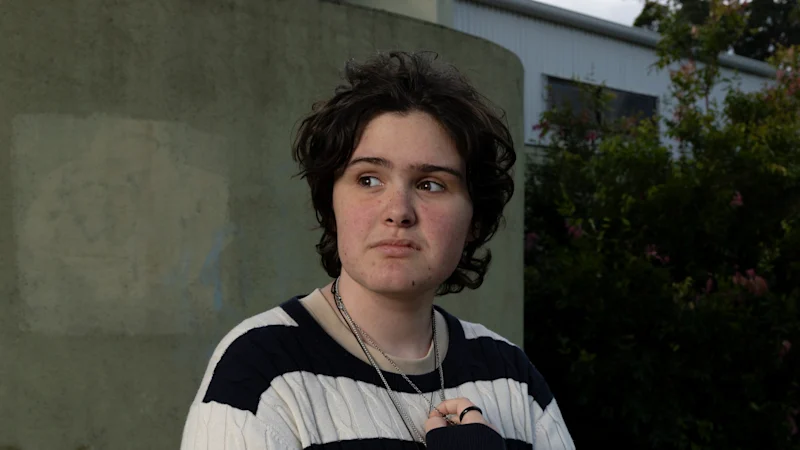
A five-year-old girl was left bleeding and screaming in pain after she was wrongly prescribed a vaginal pessary, a new report has revealed.The Parliamentary and Health Service Ombudsman (PHSO) said there were “multiple failures” in the care of the girl, which meant her mother was later questioned about possible sexual abuse.The child was taken to a GP practice in the East Midlands in March 2023 with itching and vaginal discharge, and a physician associate (PA) suspected thrush and recommended a Clotrimazole vaginal pessary and cream.Her mother, who believed her child was being treated by a GP, questioned the treatment and the size of the pessary, but was reassured it was appropriate.But the health ombudsman said after the mother administered the pessary, the girl began to bleed and scream in pain, and the cream burnt the girl’s skin.The mother questioned the treatment but was reassured it was appropriate, the ombudsman said (PA)The child later asked a doctor not to examine her internally at an out-of-hours appointment, leading the GP to raise concerns about possible sexual abuse and to contact safeguarding services. A consultant then worked out her symptoms were due to the wrongly prescribed pessary and cream.The ombudsman found failings by the staff involved, but said the out-of-hours doctor acted appropriately.It further said the prescription was not appropriate as the child’s symptoms were consistent with vulvovaginitis – not thrush – and a pessary tablet is not suitable for a five-year-old.Some children have vulvovaginitis, inflammation of the genitalia, many times before puberty but it can usually be treated and resolved at home.The investigation also found that, while PAs do not have prescribing rights and their work must be supervised by a doctor who signs off on the prescription, no such discussion had taken place.Pharmacists should also contact the prescriber when there are queries relating to a prescription, but there is no evidence that the pharmacy did this, the ombudsman said.The girl’s mother, 38, said: “I had huge guilt for doing what the PA, who I thought was a GP, told me and feeling as if I had inflicted this trauma on my daughter.“But I trusted what the doctor told me. How are we meant to trust healthcare professionals now?“The prescription went through three professionals and no one picked it up or questioned why this was being given to a child.“My daughter is neurodivergent, so it has been even harder for her to move on from the harm this caused.“This deeply affected her and added to the struggles she already faces every day, I don’t think she will ever move on from it.”Rebecca Hilsenrath, chief executive officer of health ombudsman, said: “This is a deeply troubling case in which a child suffered physically and psychologically and was left traumatised by her experience.“What makes this all the more concerning is that it could so easily have been avoided by better communication between the professionals involved in caring for this young girl.“The breakdown in communication meant that the checks and balances designed to make sure patients are treated appropriately and kept safe were not followed.”The GP practice involved in this case has now taken action, including an electronic prescribing alert to flag intravaginal pessary prescriptions for children, plus extra training for the staff involved. The pharmacy has also taken action.A report for the government last year said PAs should be banned from seeing patients who have not been reviewed by a medic to prevent the risk of “catastrophic” misdiagnoses.The study suggested a major change to the role of PAs after it acknowledged they have been used as substitutes for doctors, despite having significantly less training.Professor Gillian Leng, president of the Royal Society of Medicine, said at the time that far more detail was needed on which patients can be seen by PAs, and national clinical protocols should be developed in this area.The Royal College of GPs has said PAs should not see any children under 16.
Girl, 5, left bleeding and screaming in pain after being wrongly prescribed treatment
Her daughter’s pain meant her mother was later questioned about possible sexual abuse
651 words~3 min read