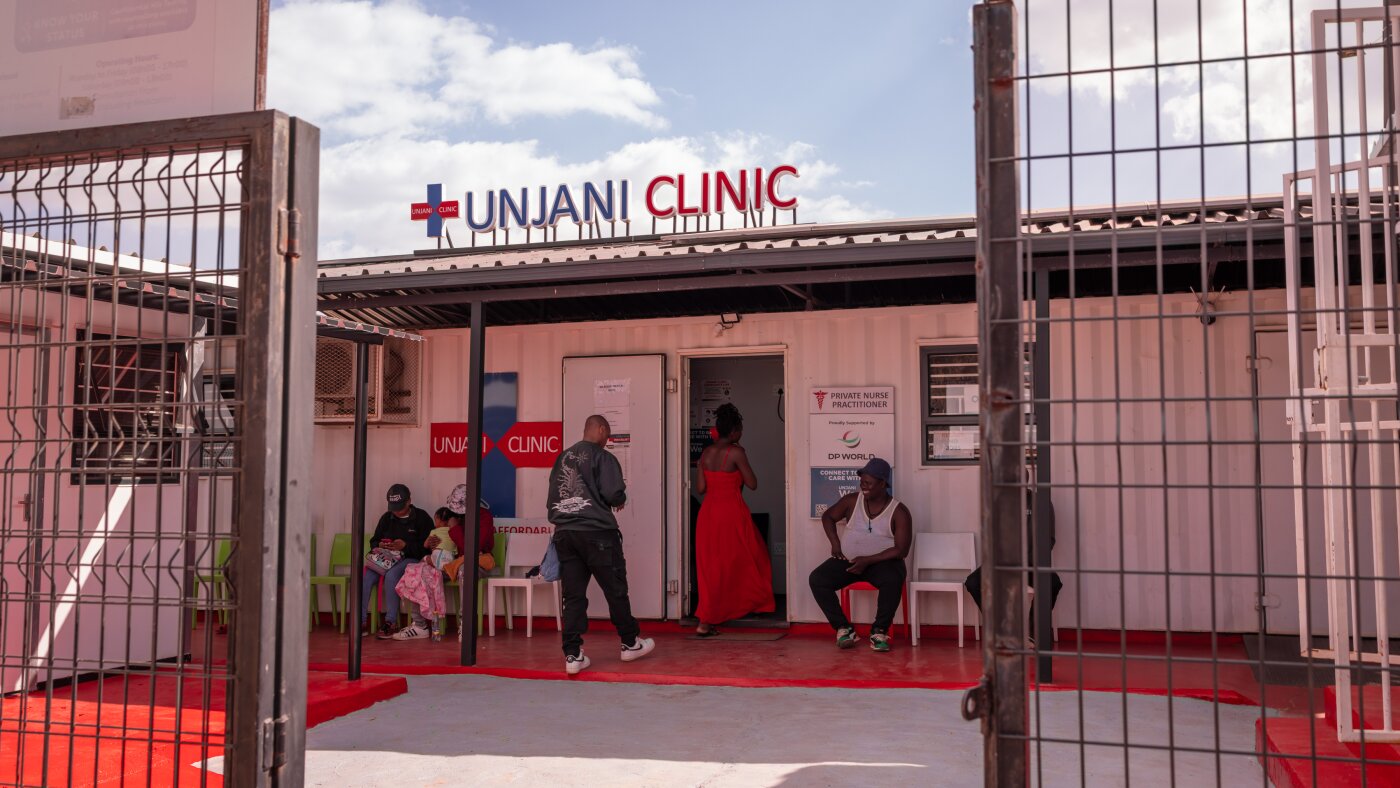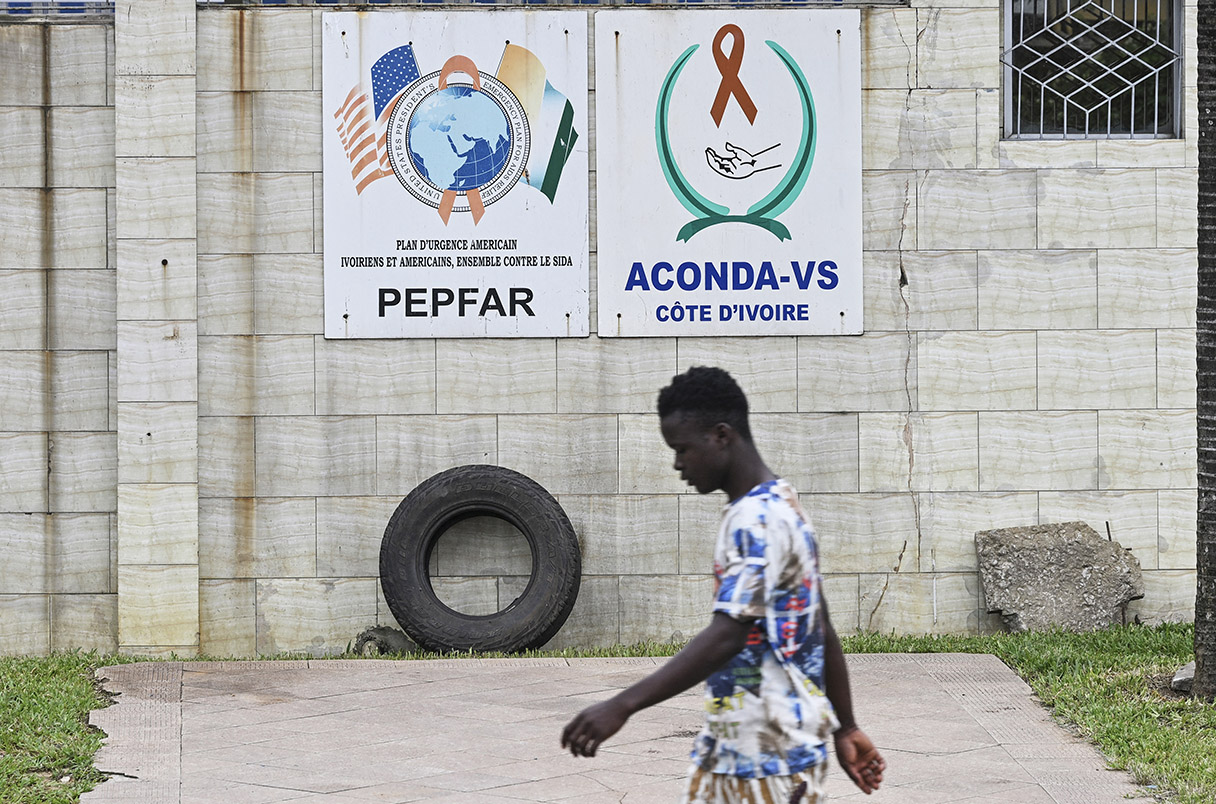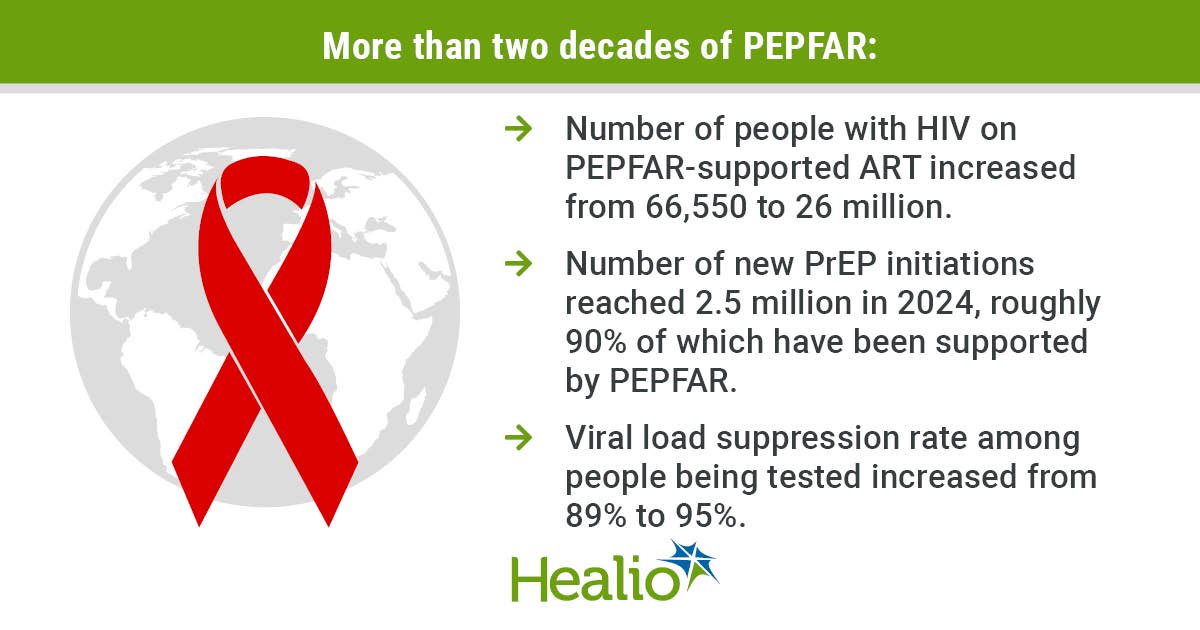
A major change to how the popular President's Emergency Plan for AIDS Relief (PEPFAR) program operates took effect on June 1, which experts warn will result in a massive decline in the U.S.'s public health presence abroad.
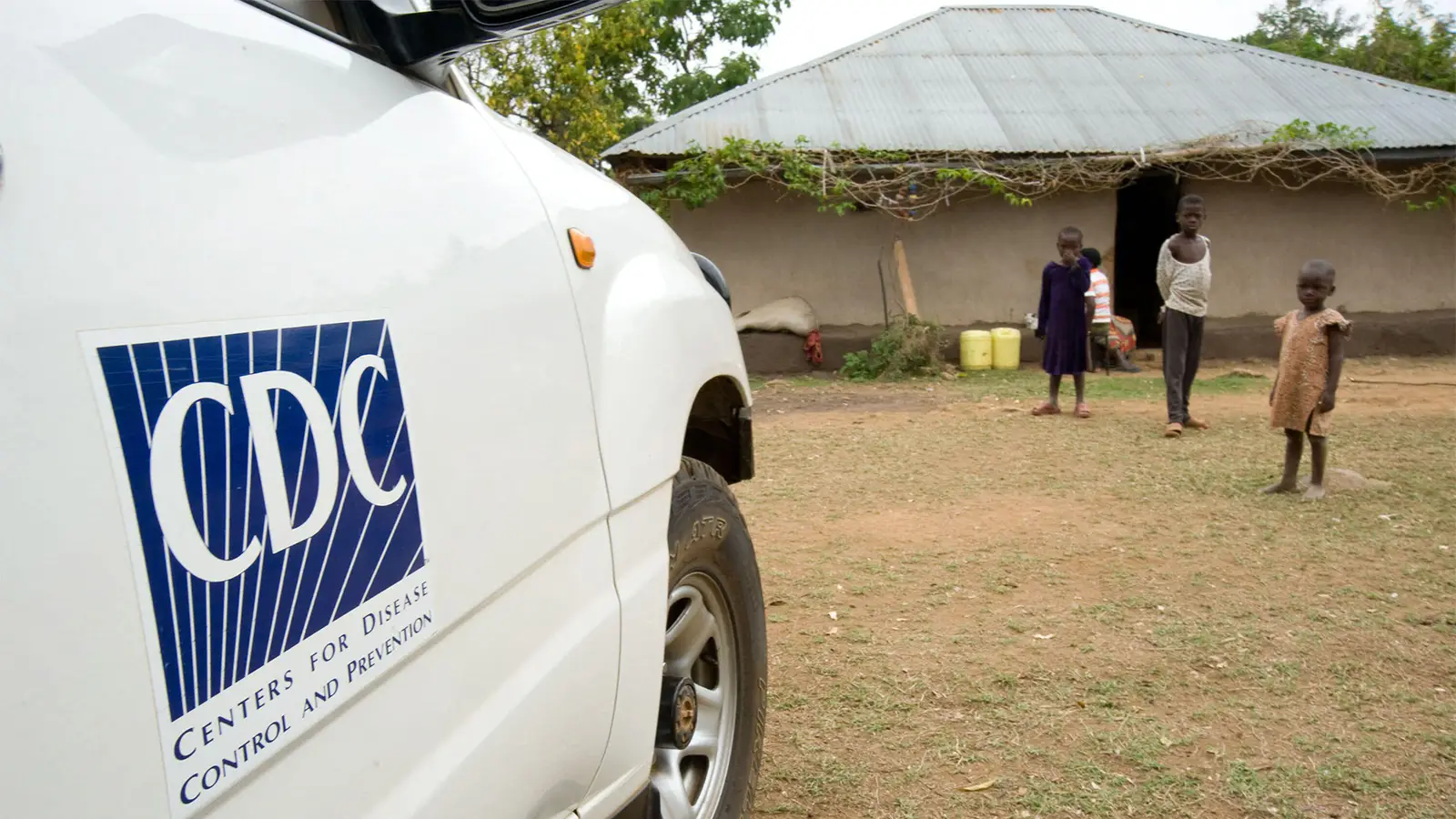
Historically, the U.S. State Department brokered Congress-appropriated dollars for PEPFAR programs and CDC would receive approximately $2 billion in PEPFAR funds annually for the agency's programs around the world. But under the new plan, foreign nations will choose à la carte what services they want to buy from CDC, though countries that receive more than $125 million in U.S. aid will have to purchase a minimum package.
The new guidance is part of the Trump Administration's "America First Global Health Strategy" and was first brought to light by Emily Bass, an AIDS activist who has written a book about PEPFAR, last month on her Substack. In a document detailing the government's strategy, the State Department claims that this "America First" approach will disrupt a "culture of dependency" in how U.S. global health programs currently operate. But slipped in there is that foreign health assistance from the U.S. could also leverage access to other countries' resources, like key minerals.