You’re reading The New Yorker’s daily newsletter, a guide to our top stories, featuring exclusive insights from our writers and editors. Sign up to receive it in your inbox.
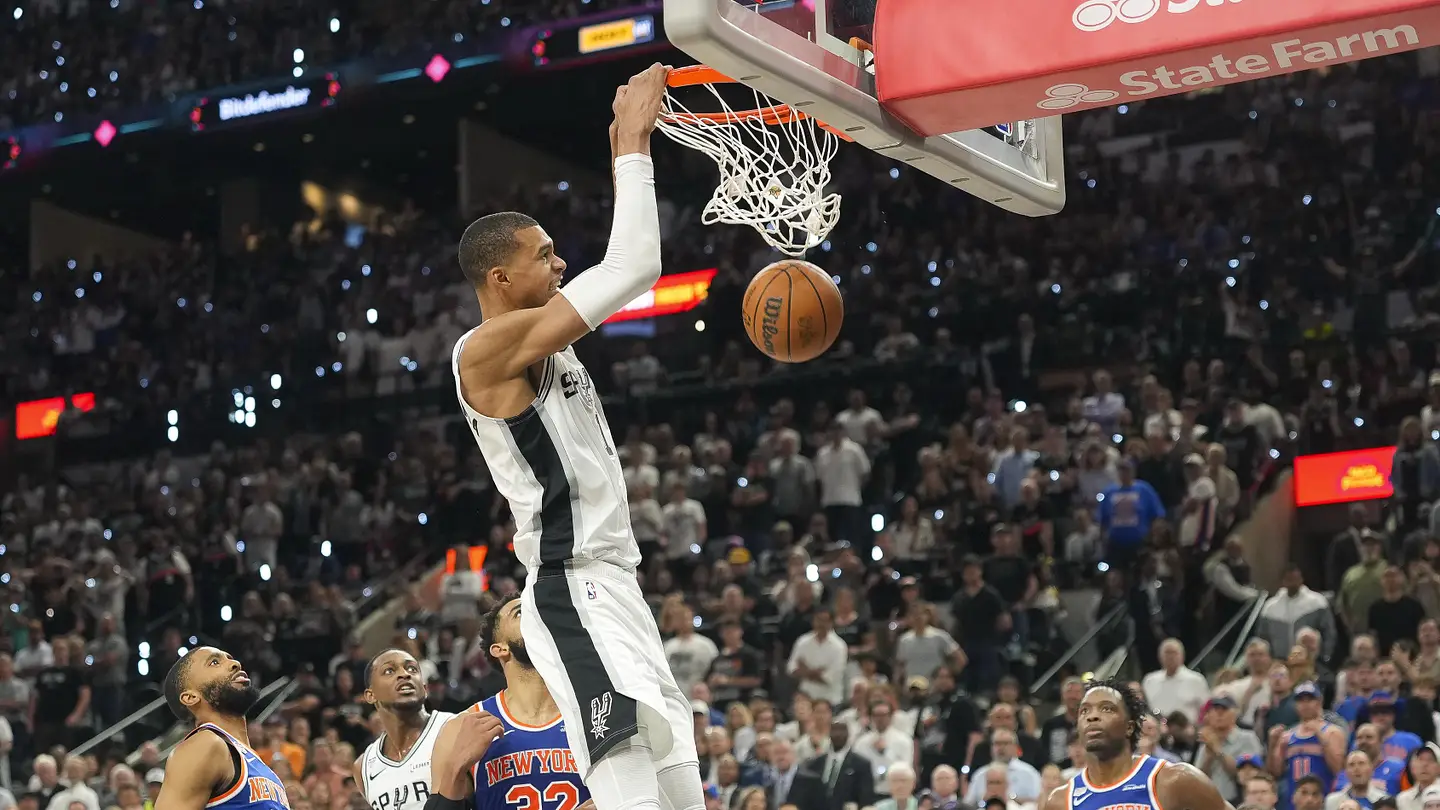
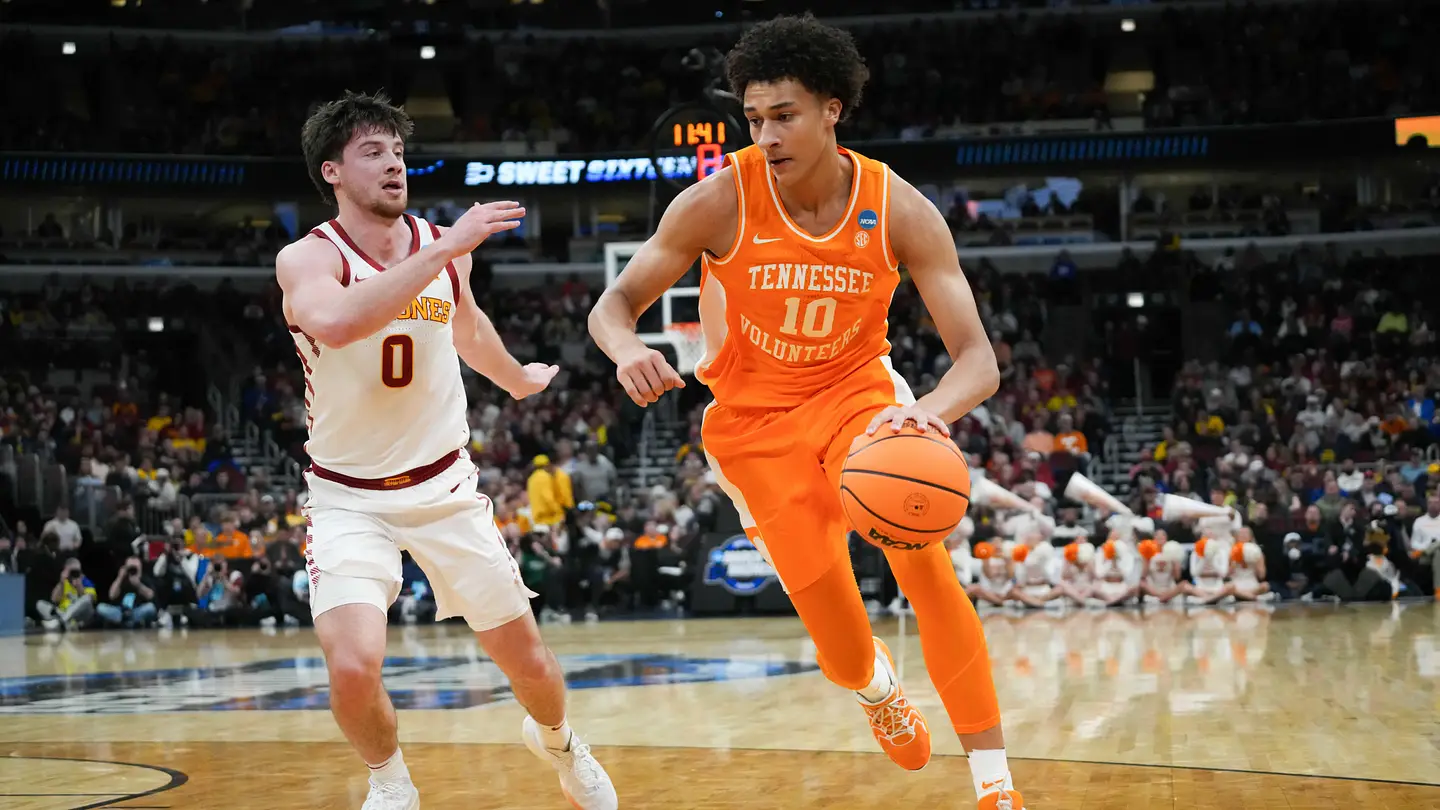
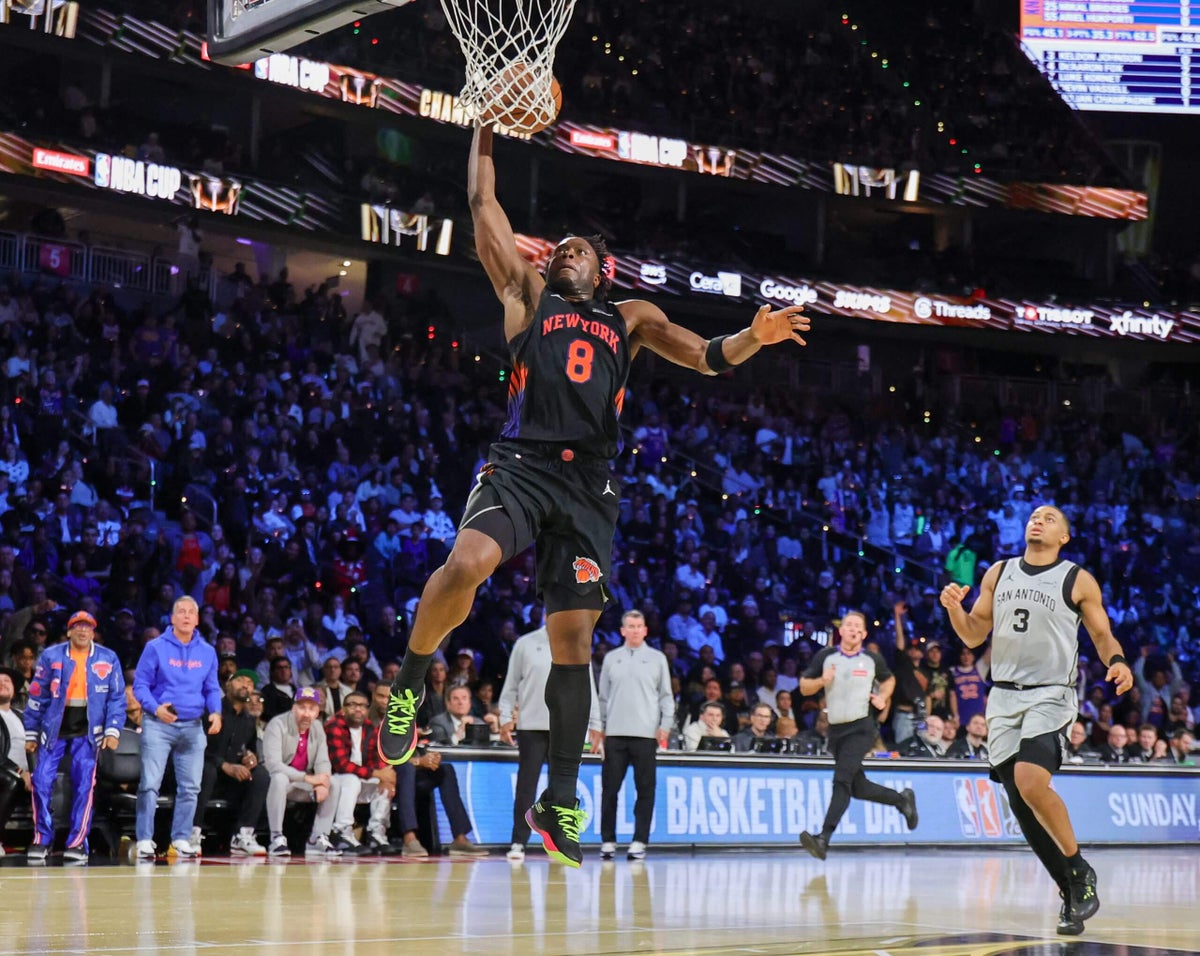
The last time I lied about my height—knowingly, at least—I was seventeen and mostly guiltless. It was “senior night” for my high-school basketball team, and our school’s athletic director had printed out commemorative pamphlets with player information and stats to give to fans when they entered the gym. No one fact-checked our submissions, so my teammates and I reimagined our heights with impunity. I was five feet nine, but bumped myself up to six feet. Our six-footers said they were six feet three. And our six-foot-four center probably got near seven feet. While our main objective was comedy, we were also participating in a long and storied basketball tradition. Height exaggeration is one of those little-kept secrets that any hooper or fan of the sport knows well: across nearly every level of competitive basketball, height documentation has been treated more as an art than as a science, and the numbers are negotiated, elasticized, or altogether manufactured.
When my editor first asked me if I’d be interested in investigating the link between N.B.A. height doctoring and what I can only describe as a wider cultural height-derangement syndrome—what else explains the rise of short kings and tiptoemaxxers and the six-foot-five finance bro being treated like a snow leopard?—I was a little dubious about what I could discover. Wasn’t height exaggeration, whether in the N.B.A. or on a dating app, just one of those things everyone accepted? Wasn’t height supremacy an informal fact of modern life? What psychology or philosophy or evolutionary science is needed to resolve a question that’s seemingly already been answered: Does height matter? Or, more intriguingly: What is presupposed by the impulse to even ask the question in the first place?