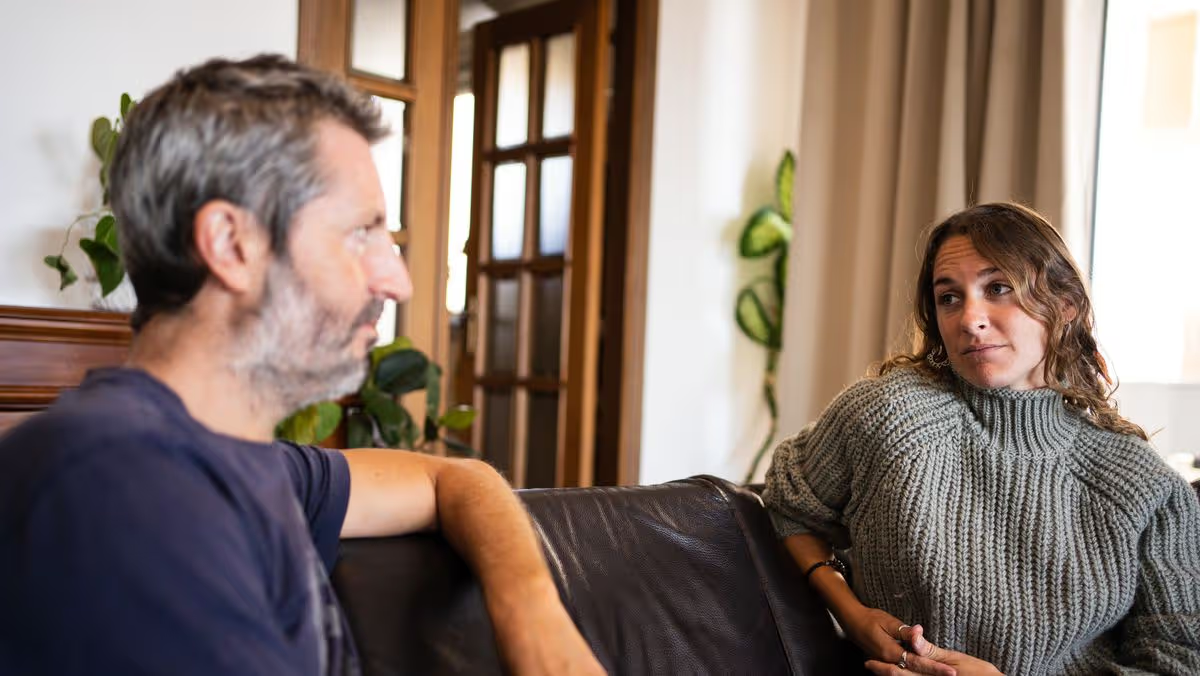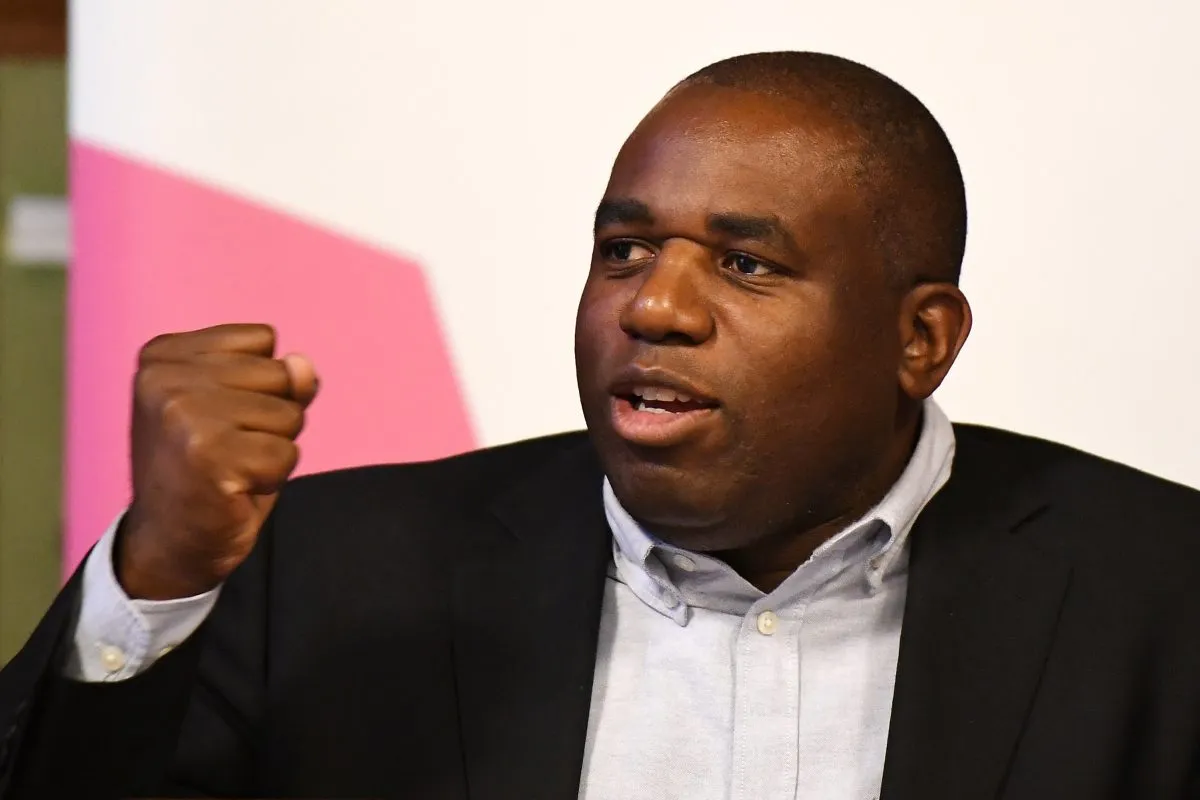
More than 3.5million cohabiting couples could gain automatic inheritance rights if one of them dies without a will under new Government proposals.New rules for dividing up property on separation and increased protections for domestic abuse survivors are also covered under potential reforms published by David Lammy's Ministry of JusticeThe broad set of rights are intended to be 'distinct and different' from those of married people, to help 'preserve the sanctity of marriage', according to the Government.Bereaved unmarried partners will have automatic rights to inheritance if a partner dies with no will, which will ensure they are not left in limbo and reduce stress at one of life's most difficult times, it says.When couples separate, individuals could gain access to a share of a house sale, under reforms the Government describes as designed to better reflect modern society.Couples should have lived together for at least three years, or share a child, and be able to satisfy a court they are in an 'enduring family relationship' to be eligible for the new rights. Cohabiting couples: Reforms to meet the needs of modern relationships are overdue, says the GovernmentThe Government is also looking at whether courts should give more weight to domestic abuse, such as controlling or coercive behaviour or economic abuse, when deciding how both married and cohabiting couples split their finances.In a further departure for married people, it wants to make pre and post-nuptial agreements legally binding in cases where they go on to divorce.At present such agreements are not watertight, although courts usually give weight to them if they are fair and follow certain rules - such as being freely entered into, and fully disclosing financial assets.The Ministry of Justice has launched a consultation, asking for views on its proposals from lawyers, academics, charities and the public, which will run until 14 August.The Government says it will consider the findings carefully before finalising reforms, which will take place when parliamentary time allows.The Deputy Prime Minister and Justice Secretary, David Lammy, says: 'When a relationship comes to an end, each partner should have the support and certainty they need to rebuild their life.'We're launching this consultation to make sure our new family law builds a fair system that offers the most vulnerable protection in the event of a breakup, and at a time where the country is facing cost of living pressures.'Whether you’ve been left bereaved by the sudden and unexpected death of a partner, or escaped horrific domestic abuse, our laws should work to protect you.'These reforms strike an important balance between tradition and modernity. I’m determined that our justice system should work for everyone who needs it.'Sam Smethers, chief executive of charity Surviving Economic Abuse, says: 'This is a once in a generation opportunity to improve protections for victim survivors of domestic abuse, whether they hold a marriage certificate or not.'Too often, cohabiting survivors are left with no safe route to separate financially from an abusive partner, forced to abandon their home, savings or financial security just to escape.'Smethers adds that it is is encouraging the Government will also explore whether courts should give greater weight to domestic, including economic, abuse when resolving finances.'Too many survivors are forced to navigate an outdated legal system that doesn’t consider the impact of these harms and is often weaponised by abusers to continue coercive control from afar.'Melanie Bataillard-Samuel, chair of Resolution, an organisation of 6,500 family professionals, says: 'For too long, unmarried partners have been placed at risk of significant financial hardship and uncertainty when their relationship comes to an end through separation or death.'The current law has simply not kept pace with changes in society, and often enables perpetrators of domestic abuse to continue that abuse after a relationship has ended.'
Cohabiting couples could gain new inheritance and property rights
The proposed rights are intended to be 'distinct and different' from those of married people, to help 'preserve the sanctity of marriage', according to the Government.
620 words~3 min read