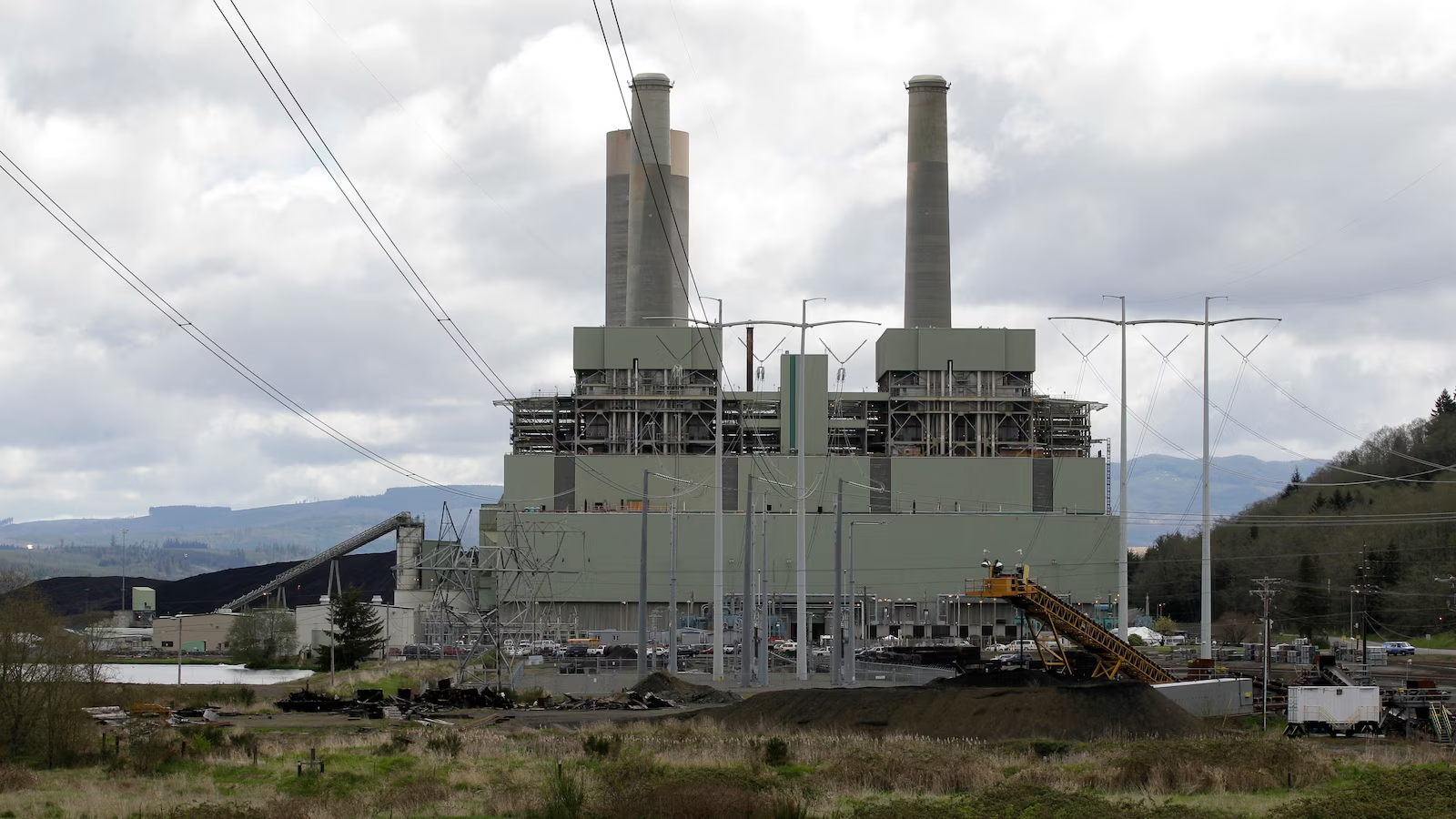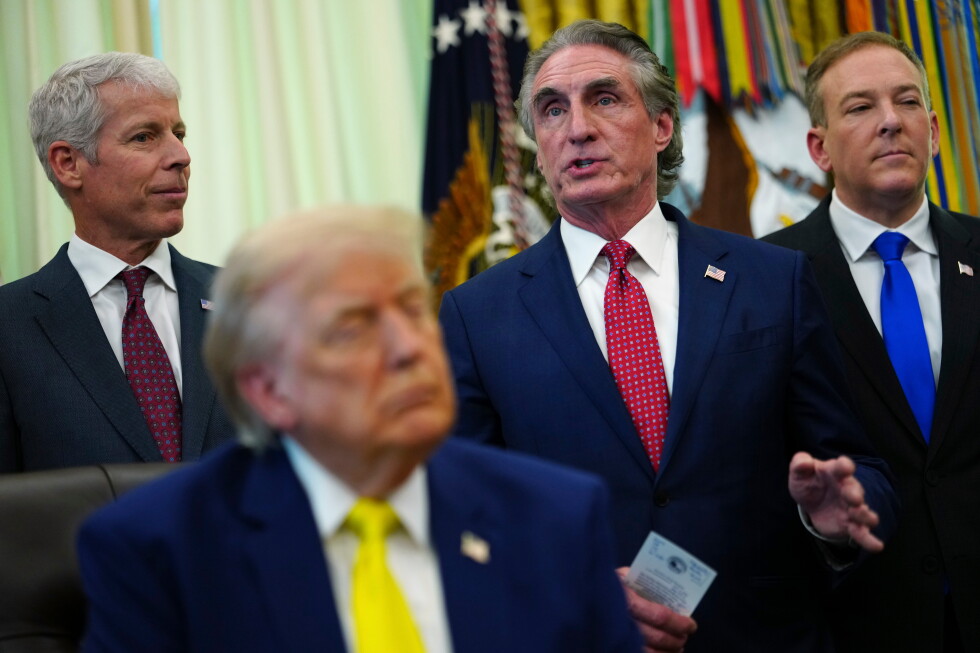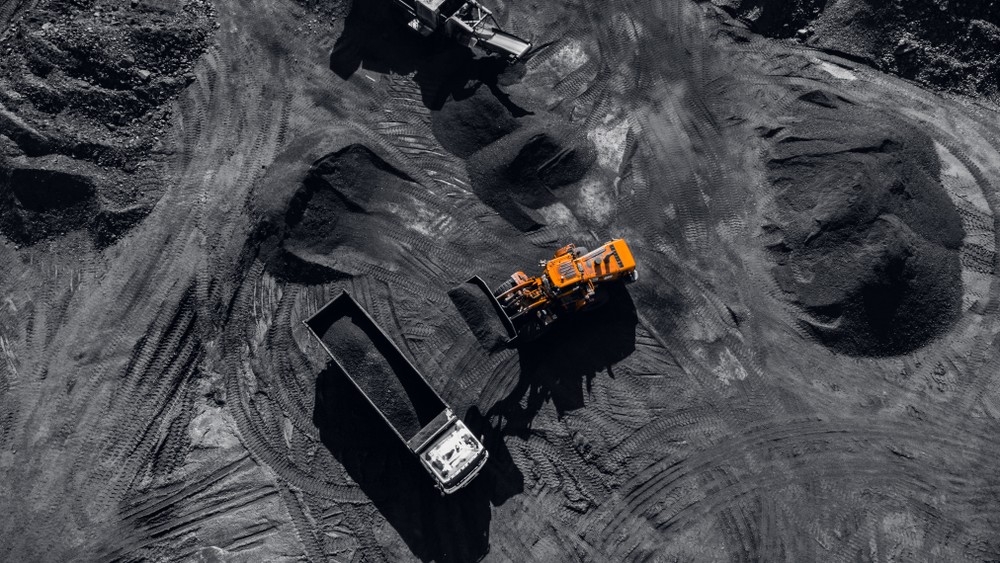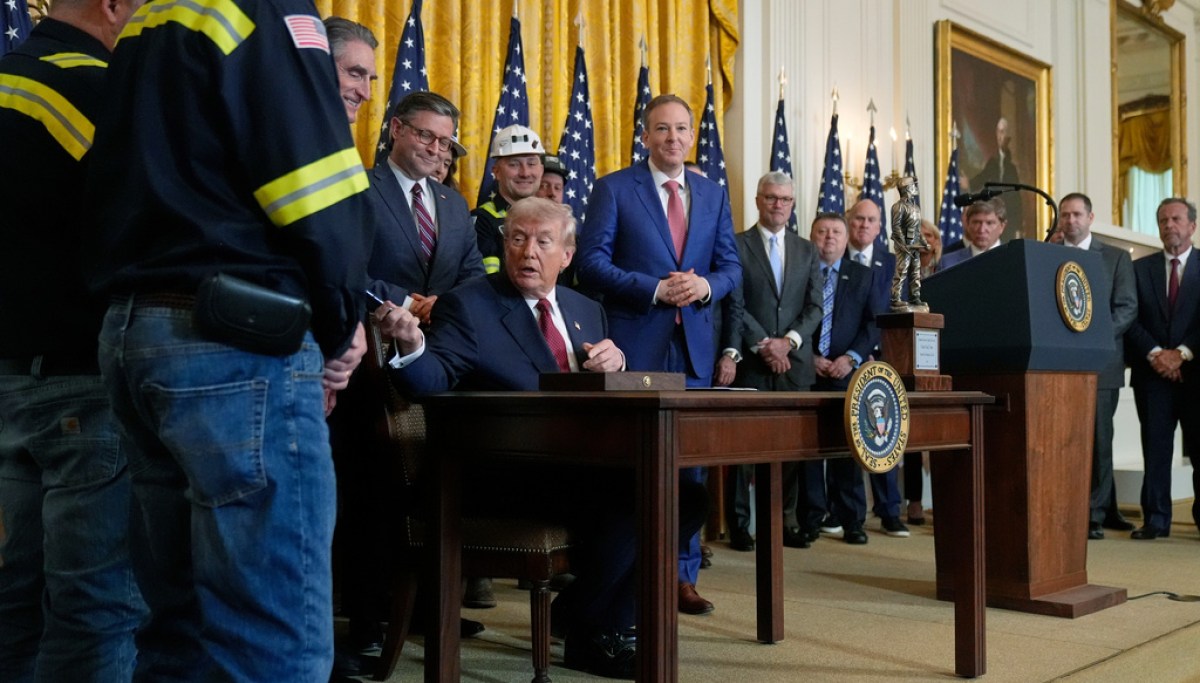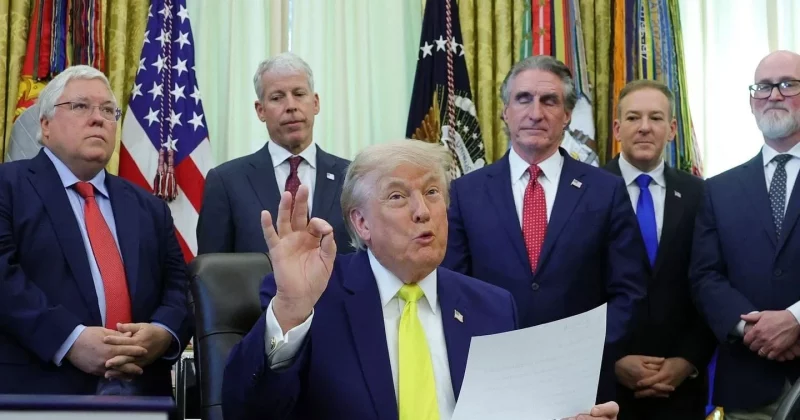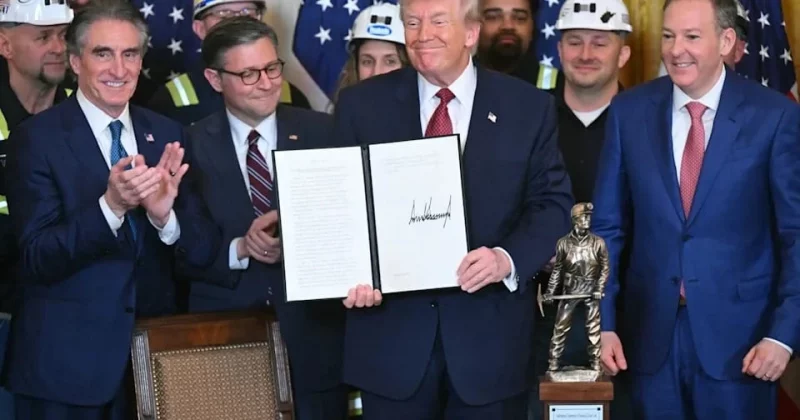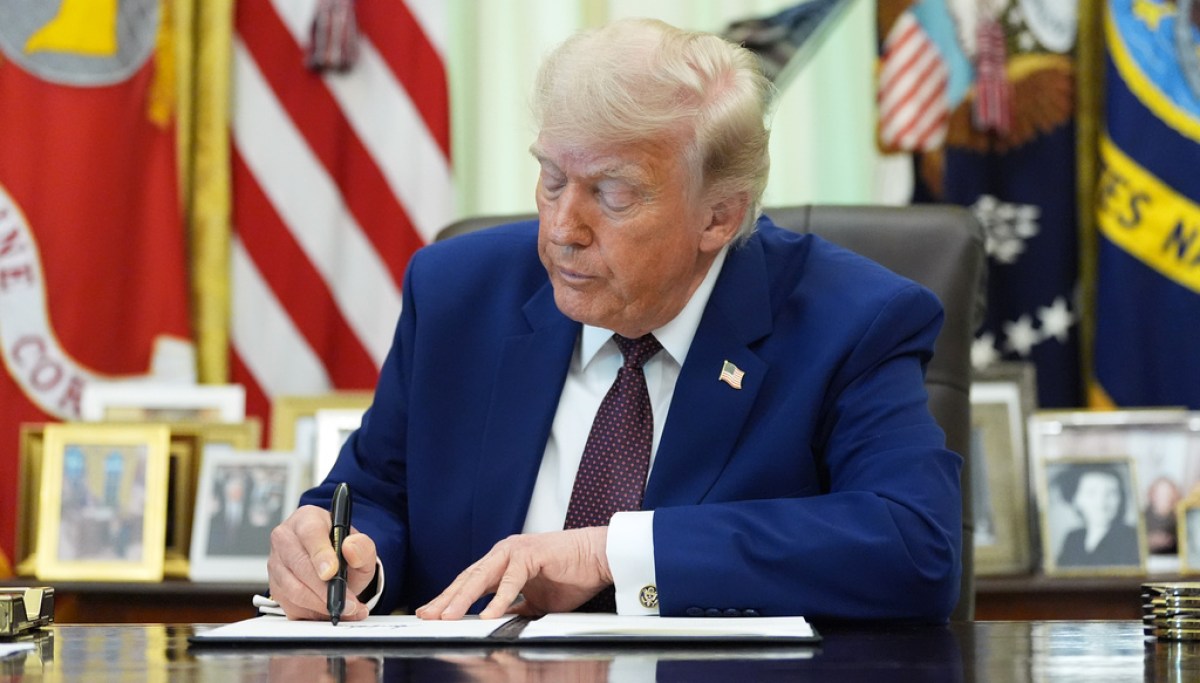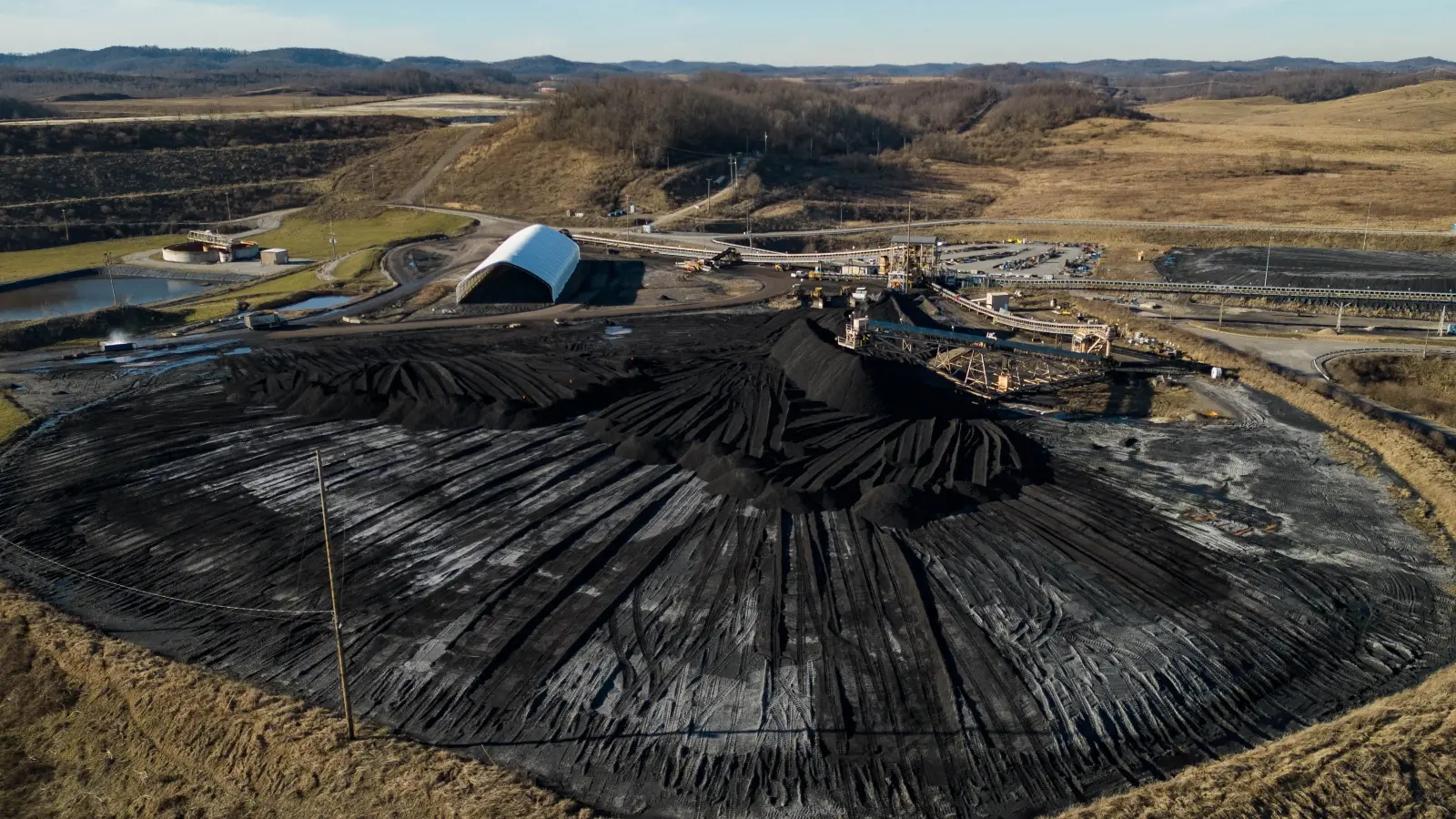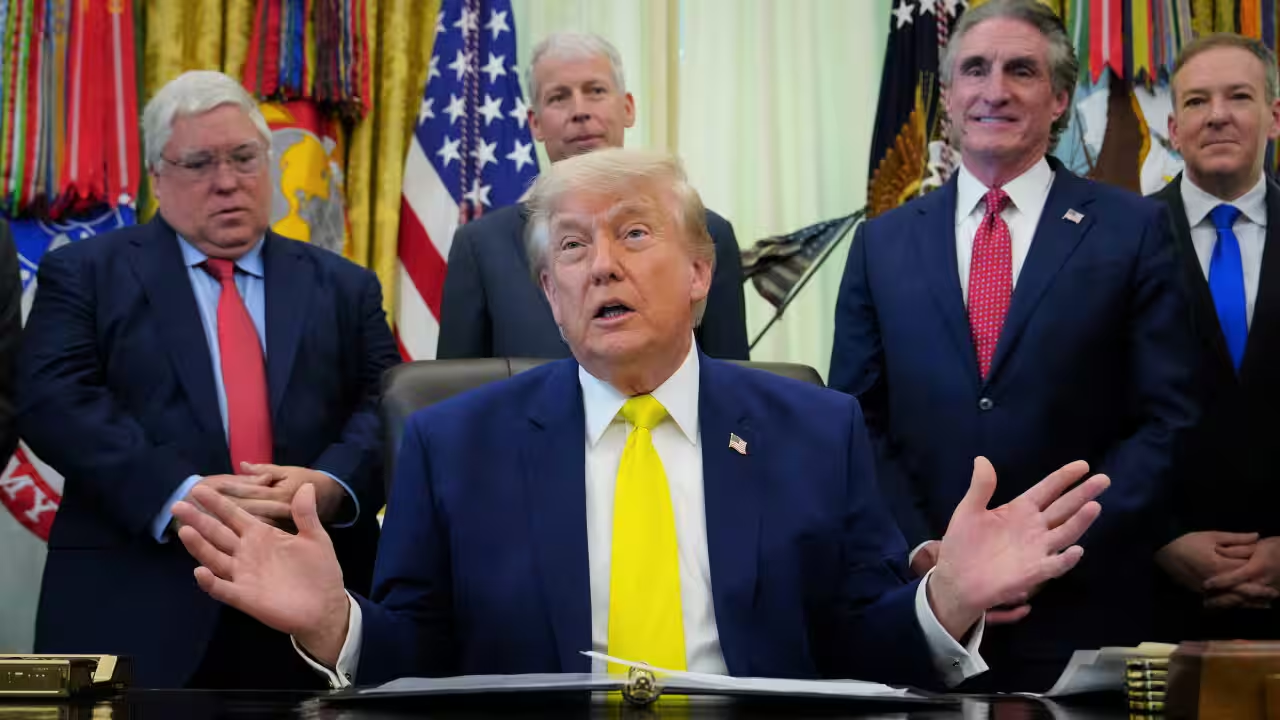
in briefTrump has invoked the Defense Production Act of 1950 to support the coal industry.$US700 million ($981m) will be spent to support existing mines, upgrade coal plants, and build a new export terminal.US President Donald Trump has invoked Cold War-era national defence powers to announce US$700 million ($981m) in support of the country's coal industry.Trump announced on Friday that he will use the Defence Production Act — a 1950 law granting presidents wide authority over national security-related industries — to upgrade more than a dozen coal power plants, build a massive West Coast coal export terminal, and match corporate funds to build new power plants."Today we're officially invoking the Defence Production Act to save 13 coal plants in West Virginia, Kentucky, North Carolina, Indiana, Tennessee, Arizona, Arkansas, Oklahoma, North Dakota and Wisconsin," Trump said at the White House."Today, we're taking historic action to bring down the price of energy and the cost of living for all Americans, with the power of clean, beautiful coal." Of the US$700 million ($981m), more than half will fund 14 coal plant upgrades, $185 million ($259m) will match corporate funds for coal facilities in traditionally coal-heavy states, and $75 million ($105m) will support the long-proposed West Gateway export terminal in Northern California.News that makes senseYour trusted source for staying up-to-date with the world around you. Get free daily news updates and analysis, straight to your inbox.Trump said the new initiative involved redirecting $200 million ($280m) from climate change projects towards new coal plants in Maryland, Alaska, and West Virginia.The new West Coast coal export terminal will be built in California with the capacity to handle 12 million tons of the fossil fuel, he added.US Energy Secretary Chris Wright said coal was "a critical source of our electricity, also a critical source for our industry."The Trump administration has framed energy issues in existential terms as it eyes the domestic need to sustain power-hungry artificial-intelligence data centres and aims to marginalise foreign adversaries that hold large fossil fuel reserves.Coal, however, has faced steady declines in US usage. It once accounted for more than half of US electricity generation, but has fallen to just 17 per cent in recent years, according to the US Energy Information Administration.Power producers have largely switched to cheaper natural gas and renewable sources, wary of fossil fuel's effect on the planet's warming climate and increasing reliance on brittle global supply chains.Trump frequently calls human-induced climate change "a hoax" and has worked since returning to power last year to wipe out a number of environmental regulations, many of which limited fossil fuel use.On February 11, Trump signed an executive order directing US Defence Secretary Pete Hegseth to enter into long-term supply contracts with US coal power plants.In a photo op at the White House signing of that order, the president was feted as the "undisputed champion" of coal, surrounded by miners in hard hats.The next day, Trump repealed a 2009 EPA "endangerment finding," foundational legislation underpinning US climate regulations. A coalition of environmental and health groups has challenged the action in court.Global average temperatures are likely to continue at or near record levels this year, and for the next four years afterwards, the United Nations warned last week.UN climate chief Simon Stiell said the "main culprit" of warming temperatures was humanity's burning of coal, oil and gas, which is the primary driver of climate change. Coal is the fuel that emits the highest levels of greenhouse gases.The world built and commissioned more coal power in 2025, but used the polluting fuel less, with the United States the only major economy to substantially increase generation, analysis by the Global Energy Monitor shows.For the latest from SBS News, download our app and subscribe to our newsletter.
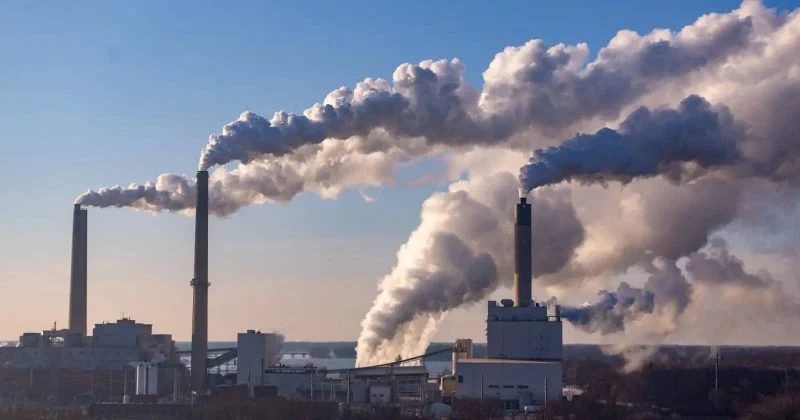
Trump announces $981 million support package for highly polluting energy source
The White House has hosted lawmakers and governors from coal-rich states to announce further support for "beautiful, clean coal."
620 words~3 min read