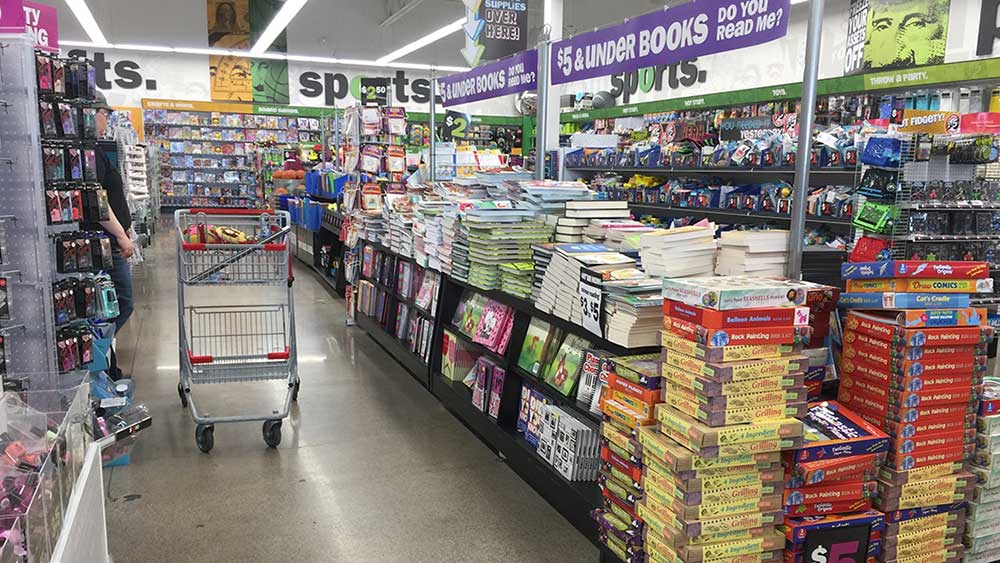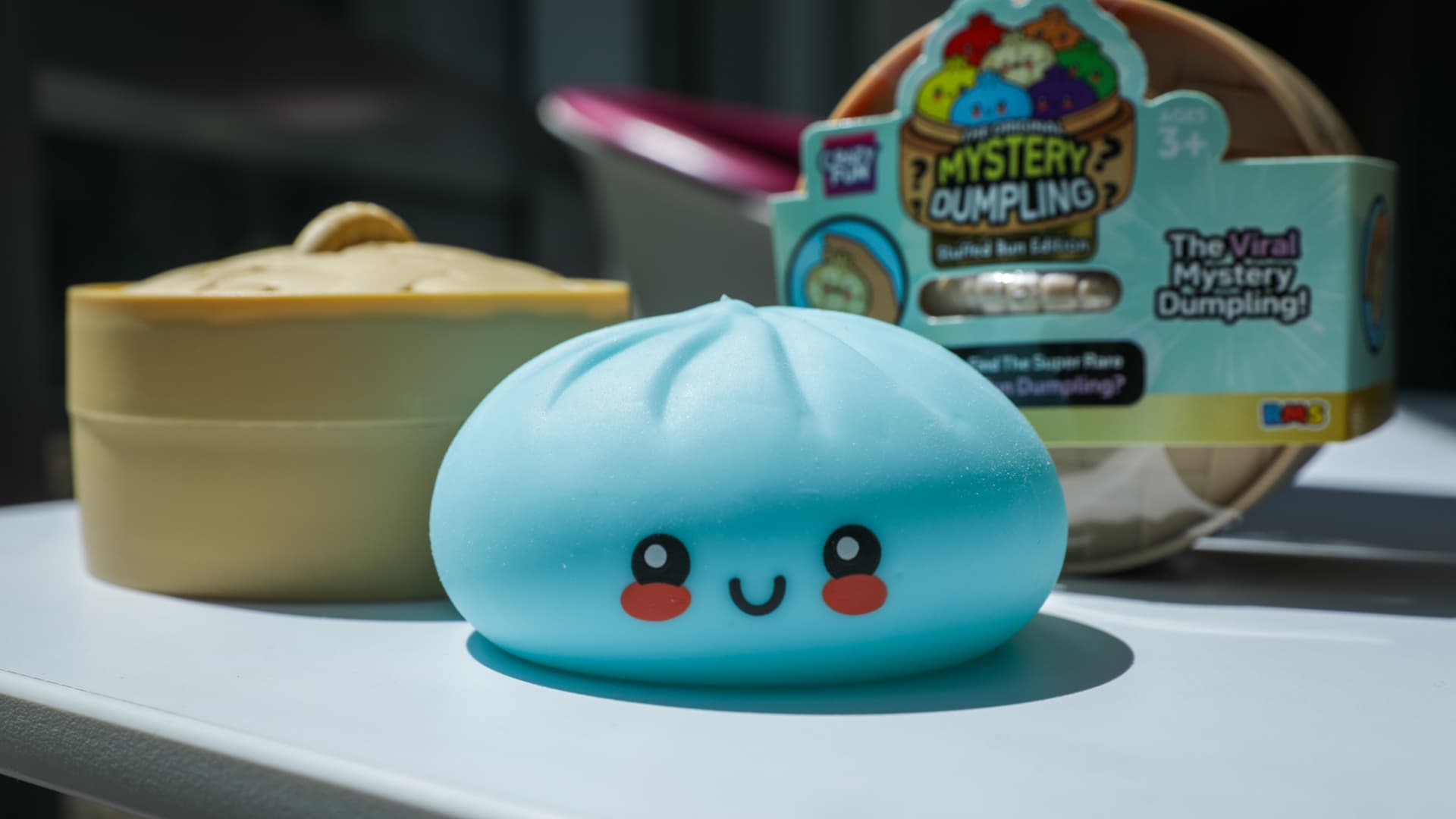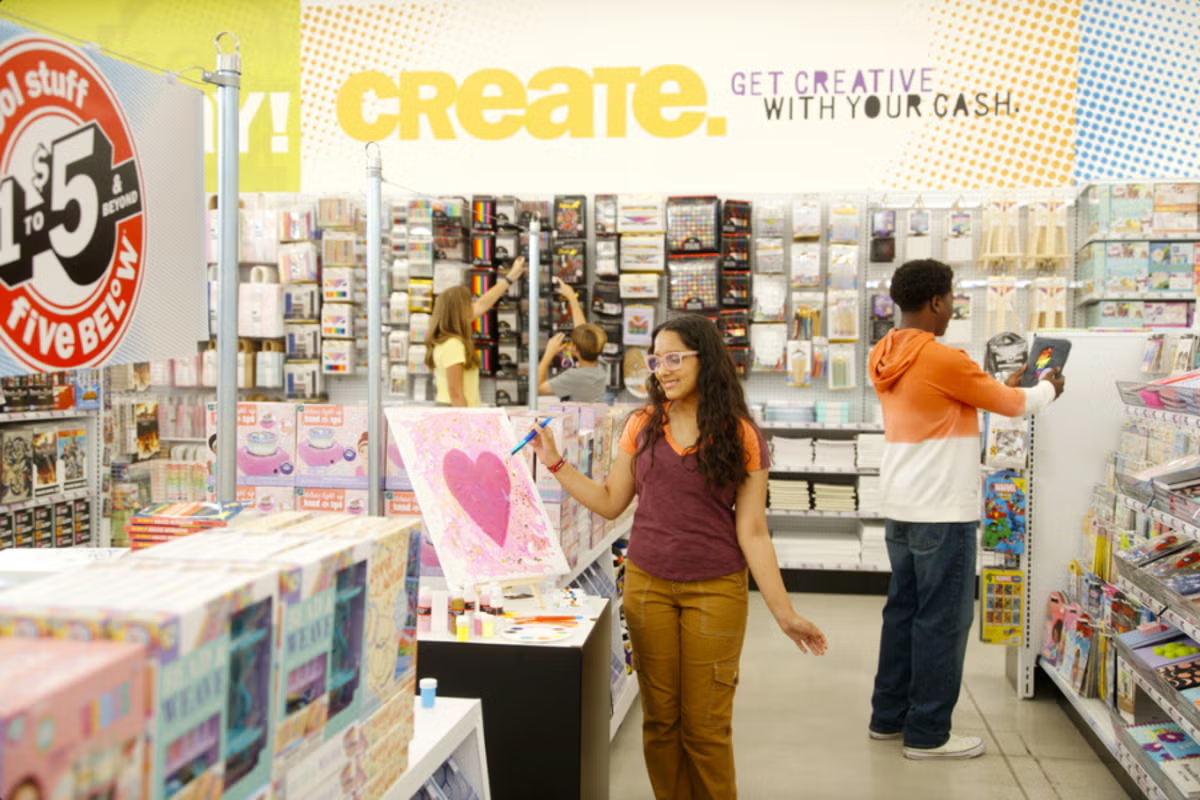
Turns out Five Below shoppers didn’t care for its pricier Five Beyond section, and removing it actually boosted sales.The discount retailer scrapped the dedicated area for higher-priced items, once marked in-store with a yellow banner across the section, and instead folded products like $15 mirrors and Bluetooth speakers into their regular aisles, CEO Winnie Park told analysts on an earnings call Wednesday, Retail Dive reports. The change comes alongside a strong first quarter for the company. Net sales jumped 32.5 percent to nearly $1.3 billion, according to a Wednesday release, while comparable sales rose 22.7 percent. Five Below also raised its full-year outlook, now expecting sales between $5.4 billion and $5.48 billion.Growth came across multiple categories, with especially strong momentum in games and toys, which were boosted by the continued popularity of viral “squishy” products, executives said. The company rounded prices to whole-dollar amounts while working to make the value of items above $5 easier for customers to understand, according to Retail Touch Points. “We have not seen resistance on prices above $5 if we can pack enough relative value,” Park said. “The customers have definitely voted for it.”Five Below scrapped its Five Beyond section and folded higher-priced items back into its regular store shelves (Five Below)The Five Beyond section, seen here in the back of the photo, was marked with a yellow banner (Five Below)While executives admit Five Below did not originate the viral squishy dumpling trend, it helped amplify it after the toy had already been in its assortment for years. The company said it leaned into social media buzz by spotting rising interest in the popular sensory fidget toy designed to look like a smiling steamed bao bun, boosting engagement online and expanding its lineup of squishy products to build on the momentum.Executives also pointed to a mid-May in-store “squishy dumpling” event, which drew attention as a cultural moment. However, they said it had limited impact on quarterly results since it was a one-day promotion with constrained supply.While the trend helped drive more customer traffic, it also led to smaller average purchases, with shoppers buying more frequently but spending less per visit compared to typical baskets.
Five Below ditched this shopping section – and sales improved. Here is the change
Demand for viral ‘squishy’ products also helped the discount retailer’s strong first quarter
359 words~2 min read