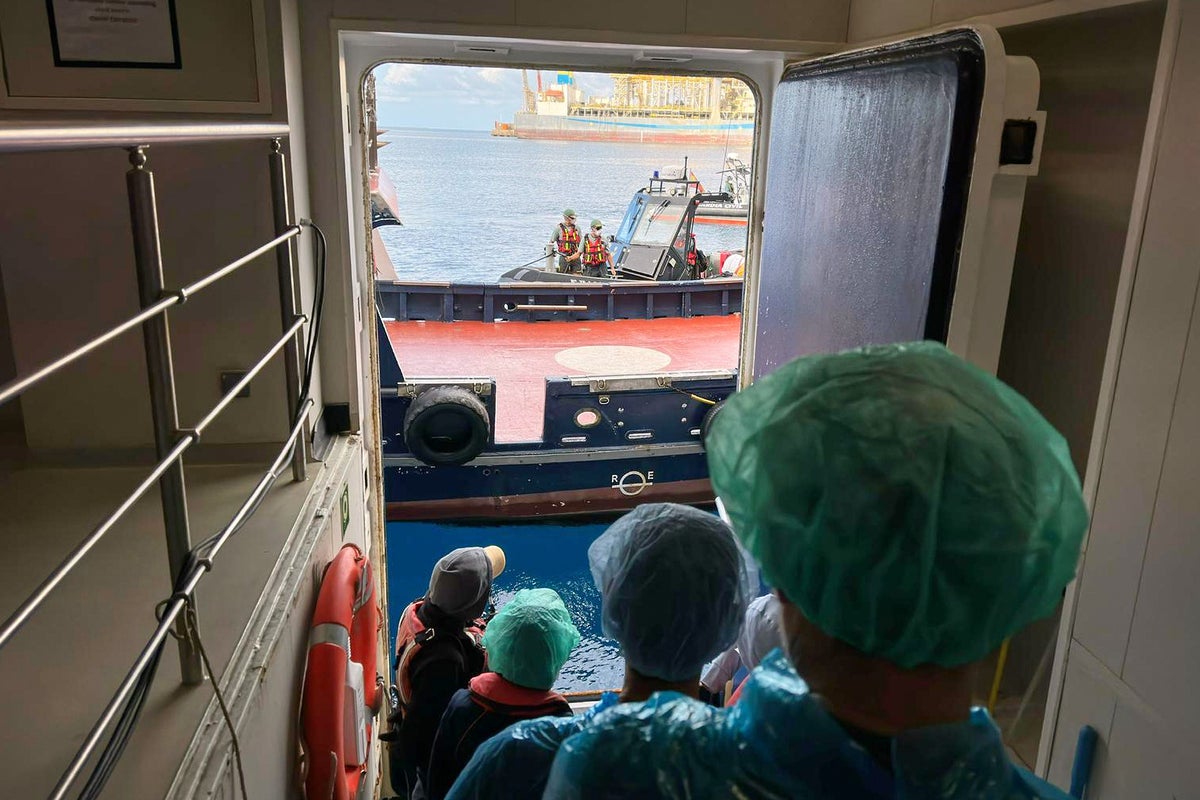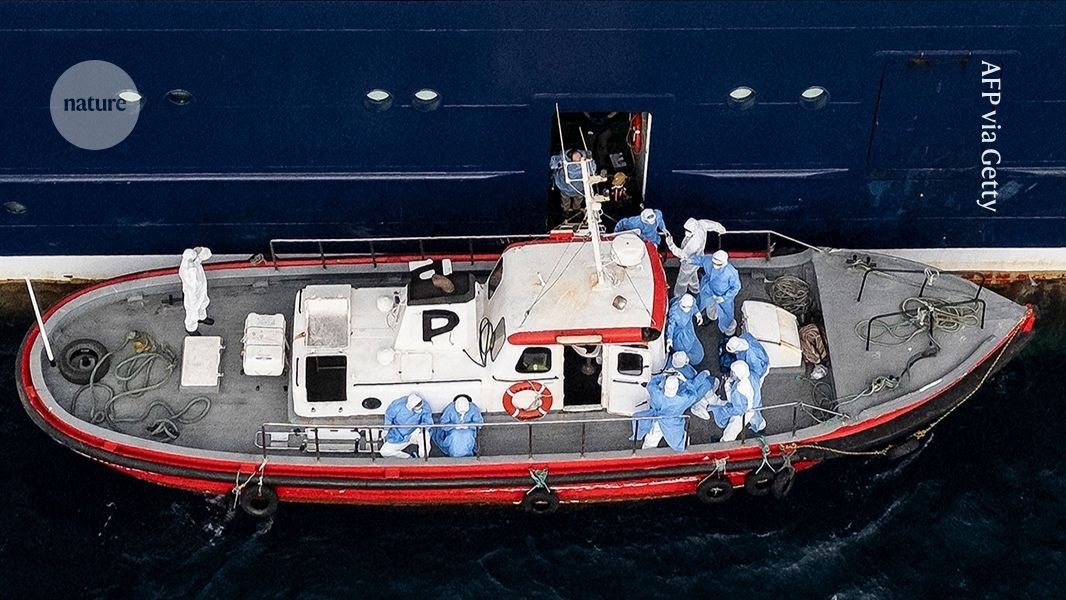
SANTIAGO, Chile -- When a rare but deadly rodent-borne virus struck passengers on a cruise ship and seemed to be spreading, there were no treatments for those who fell ill and no vaccines to protect others.
That was the case even though it wasn't a novel germ that the world had never seen before, like the virus that caused the coronavirus pandemic. It was a hantavirus, one of a family of viruses that have been known for decades and are thought to exist around the world.
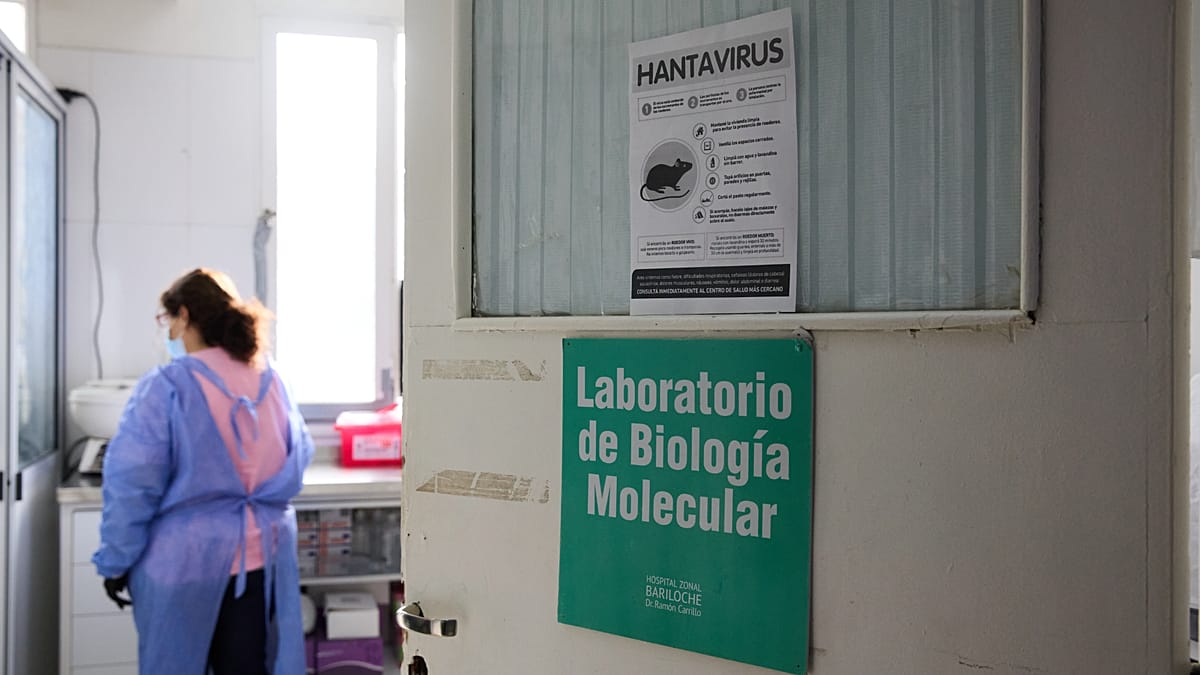
Teams of researchers, including in Chile, Argentina, and the United States, have long been trying to find and develop drugs and vaccines. But because the viruses are relatively rare and don't spread easily between people, there hasn't been enough sustained investment by governments, global health groups, or drug companies to pay for the extensive safety and efficacy testing needed to make them available.
Still, there have been some promising developments. Researchers on Wednesday published a hint that a drug used for an autoimmune disease may help hantavirus patients fight off the most deadly symptoms.
They and others hope the attention that the cruise ship outbreak brought to the virus -- and concern that hantavirus infections could become more common as a changing climate is expected to increase contact between people and rodents -- may bring new momentum to the hunt.