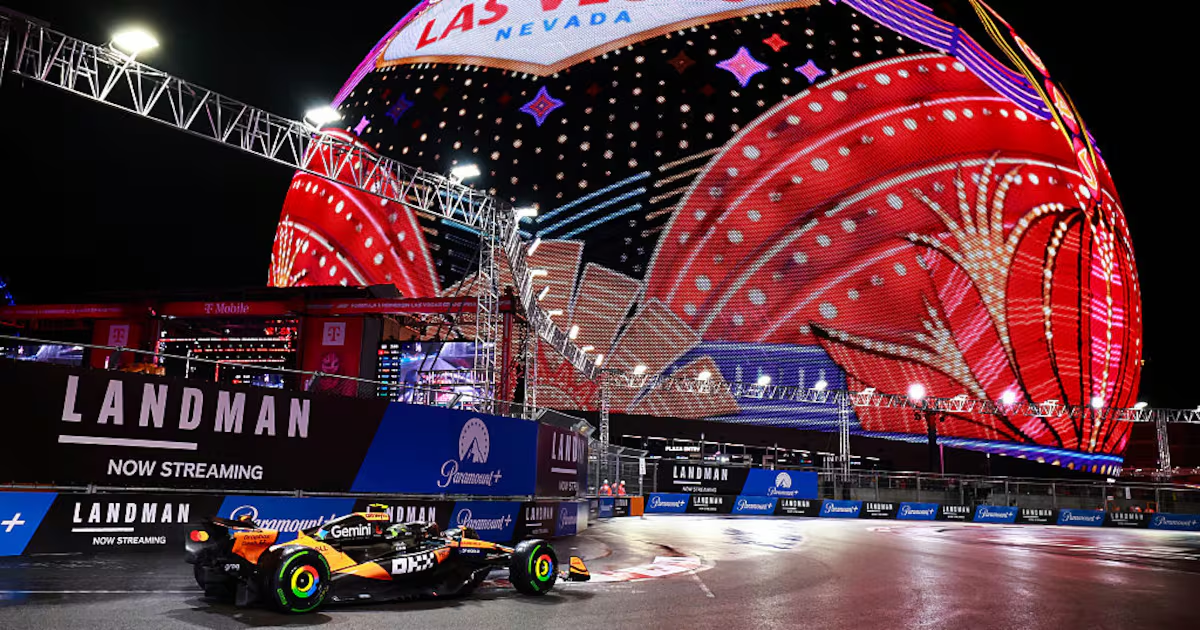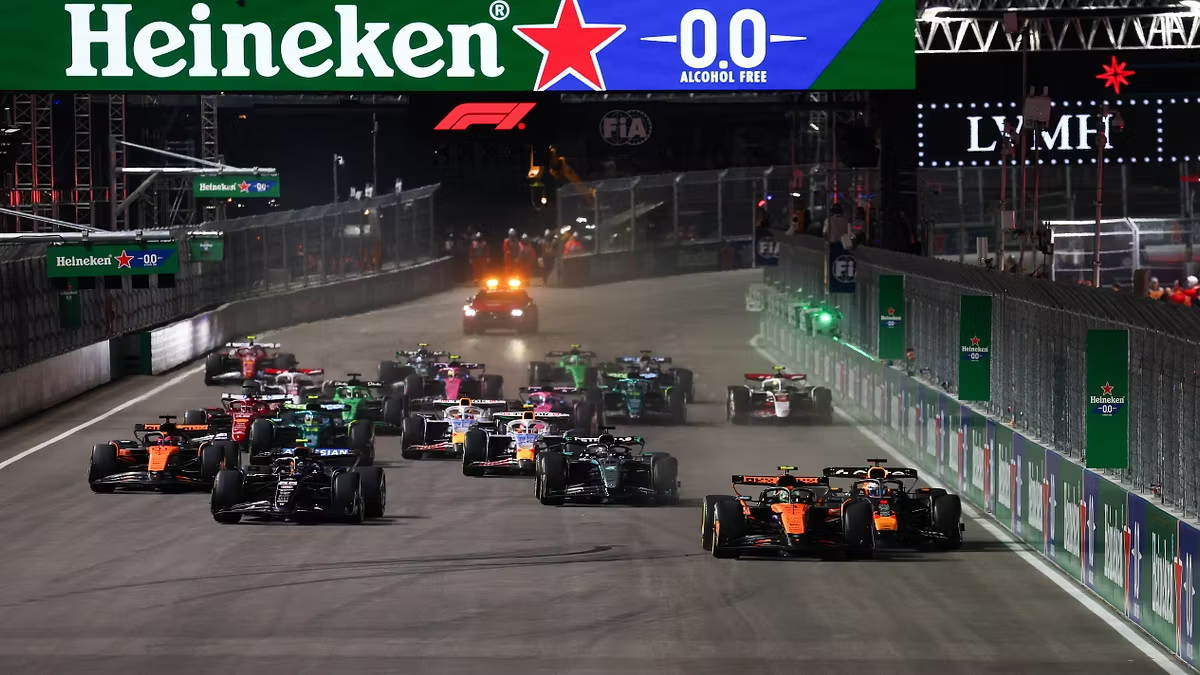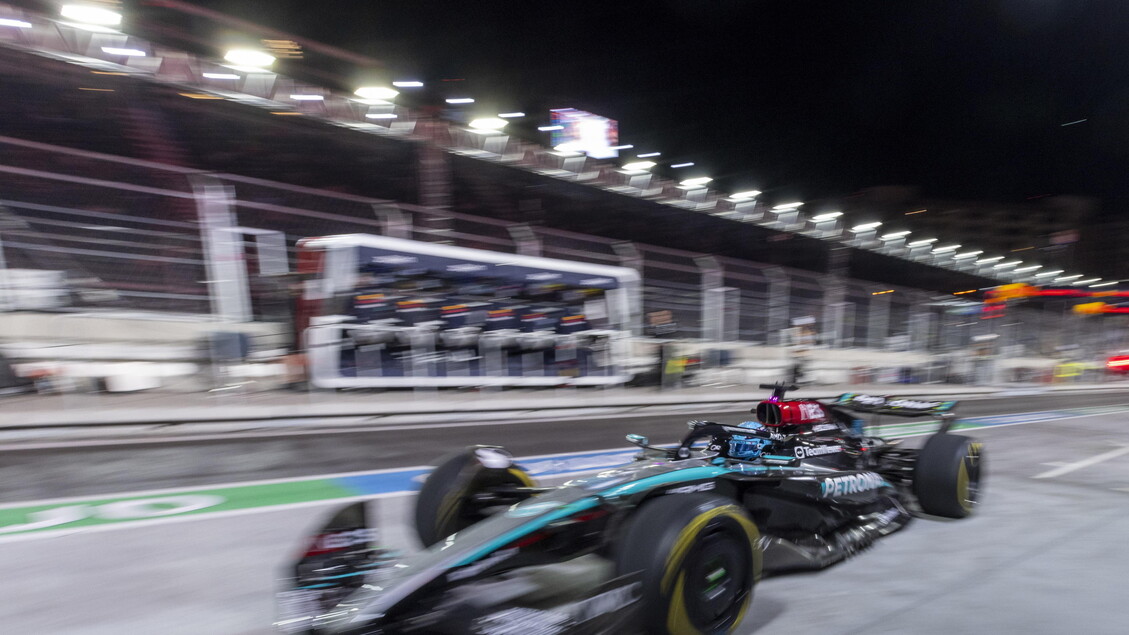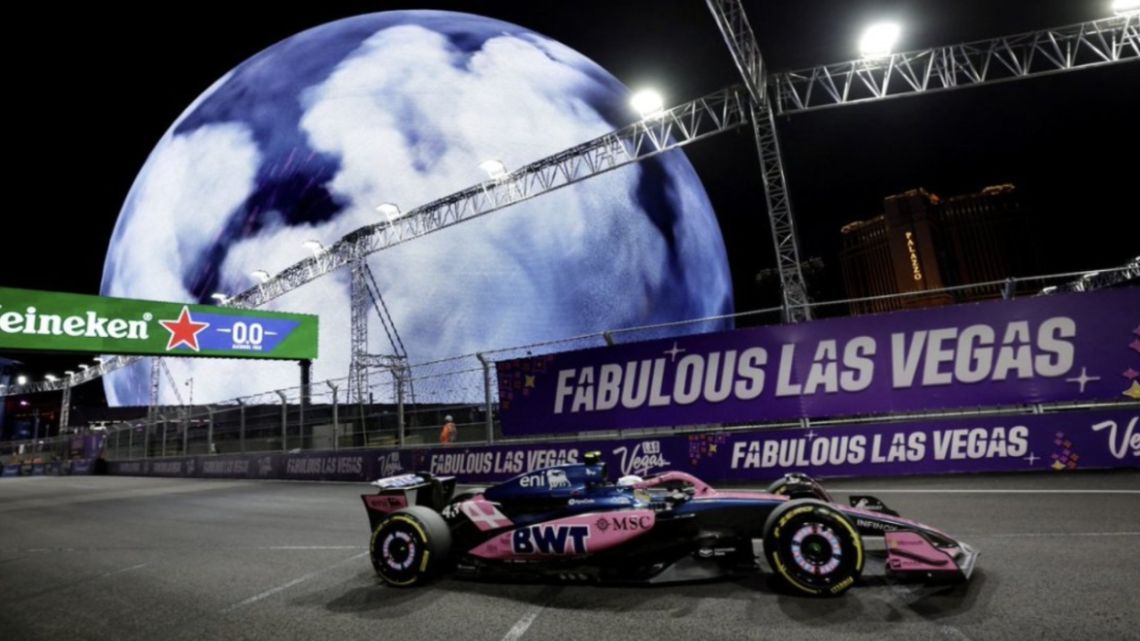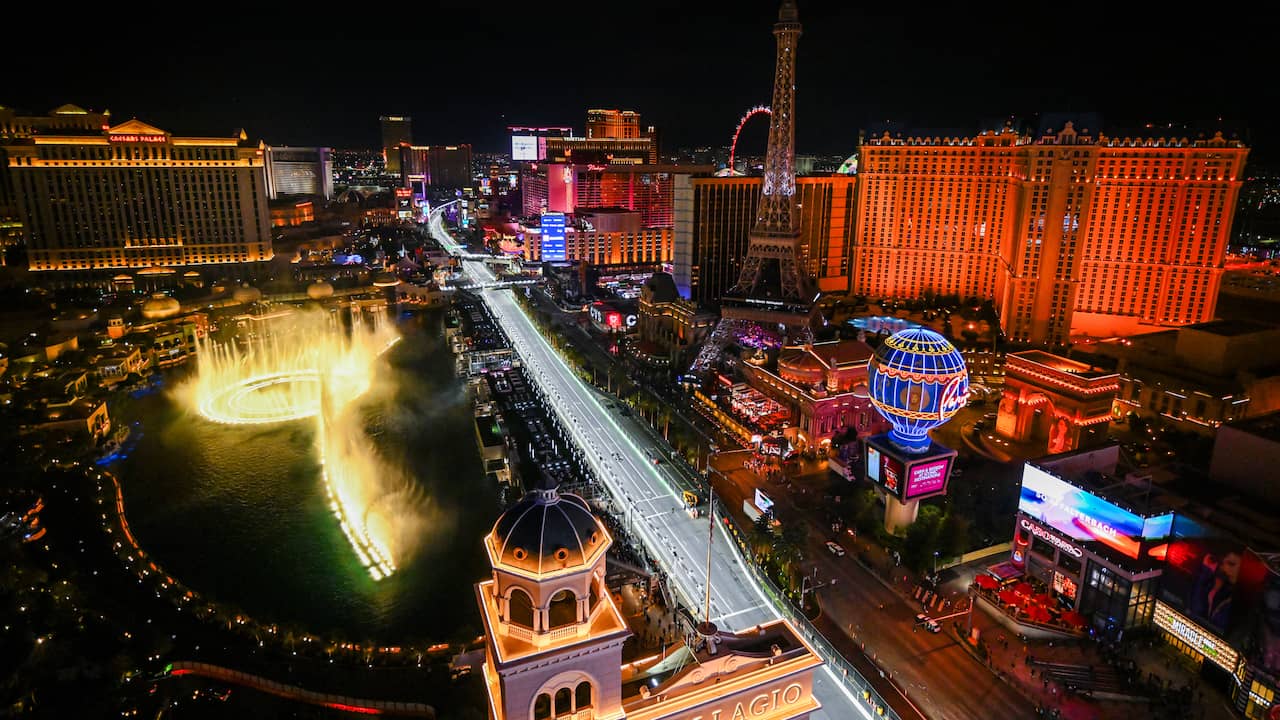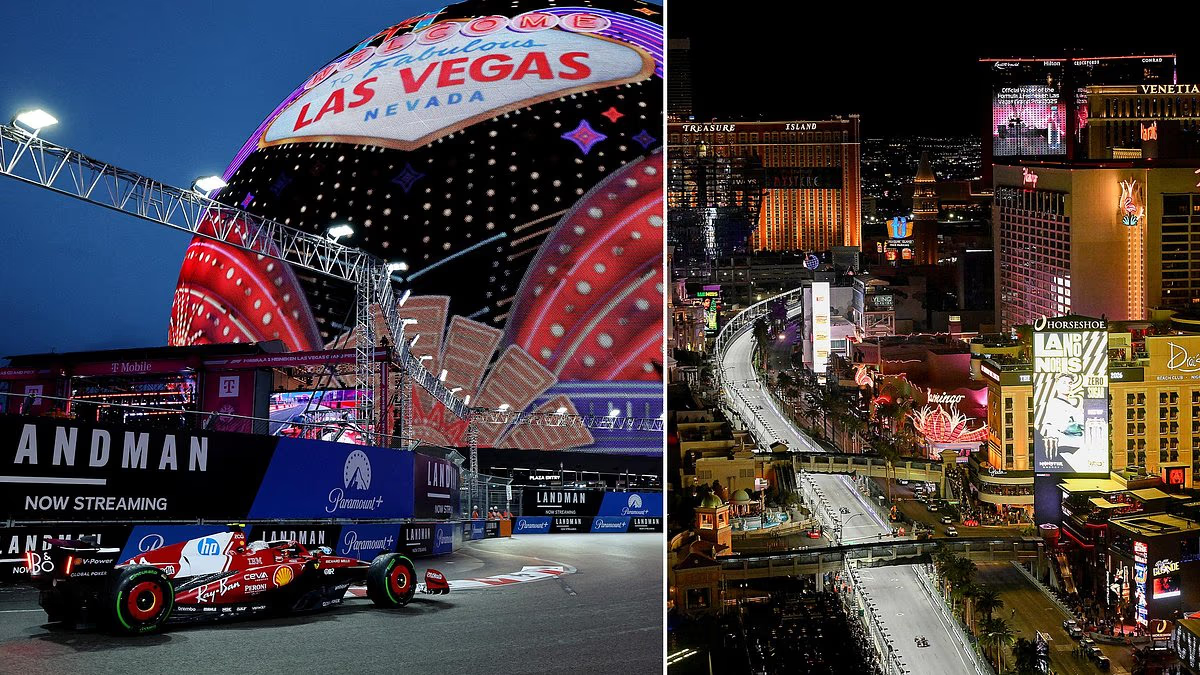
MONACO — After weathering water valve cover issues and traffic headaches in its first few seasons, the Las Vegas Grand Prix is here to stay on the F1 calendar for another decade.Clark County commissioners in Nevada approved the 10-year extension of the Las Vegas GP, which made its debut in 2023, in mid-May after reviewing its economic and local impacts.“Formula 1 has a huge opportunity for growth in the US — it’s a fantastic nation of true sports lovers,” Stefano Domenicali, President & CEO of Formula 1, said in a written statement. “We’re learning respectfully from established sports like NBA and NFL how to be relevant to both existing fans and those who are new and curious about F1.”“We’ve gone from one race to three in the USA in just a few short years, and this 10-year extension to the Las Vegas Grand Prix shows our commitment both to North America and to working with our partners over the long-term to deliver investment that will continue to elevate the event and deliver something new and exciting every year.”This long-term contract, which will keep the race on F1’s calendar through 2037, allows Las Vegas GP to make necessary infrastructure investments to streamline logistics and consolidate setup and teardown timelines.Inside the Commission Chambers in the Clark County Government Center on May 19, seven members met to discuss a variety of matters for the regular Board of County Commissioners meeting. One of those was whether to approve a contract extension for the Las Vegas GP.This race hasn’t always had the community’s widespread support. When the Las Vegas GP was announced in March 2022, F1 had 18 months to create an operational street circuit that included the Las Vegas Strip, one of the most famous streets in the U.S.Steve Hill, the CEO and president of the Las Vegas Convention and Visitors Authority (LVCVA), the public tourism body that brokered the race’s Strip deal and funds it annually, said that the inaugural race didn’t leave enough time to prepare properly, including understanding the impact on the community.“The complaints were fair, and I’ve said, ‘If we had to do year one each year, it was too hard, we wouldn’t do it,’” Hill told The Athletic.Lando Norris in the 2025 Las Vegas GP (Alex Bierens de Haan/Getty Images)Members of the local community raised numerous concerns in the build-up to the 2023 Las Vegas Grand Prix. The city endured months of repaving, particularly in dense traffic areas like Las Vegas Boulevard and Koval Lane, which led to commuting headaches. Some businesses claimed they saw a loss in profit with decreased foot traffic, as well.Several businesses filed suits against race organizers, Liberty Media, and Clark County. Ferraro’s Ristorante, Stage Door Casino, Battista’s Hole in the Wall, and Ellis Island all pursued legal action, with race officials ultimately settling each case out of court, according to the Las Vegas Review-Journal.With the paving project now in the rear-view mirror, Hill estimated that alone “takes about 60 percent of the disruption away.” Race organizers say they’ve slowly learned to set up and tear down more efficiently, with crews starting setup in late September and dismantling ending in early December for the late-November race.The 10-year extension, in theory, allows for real investment into the race, largely from an infrastructure standpoint. As Hill said, “You can’t really invest capital dollars if you’re going to have only certainty for three years or two years.”The push for better community relations seems to have yielded results. At the commissioners’ meeting, the motion passed unanimously after just two minutes of deliberation, a stark contrast to the contentious hearings that defined 2024. Hill said about the commissioners’ meeting: “The conversation around the race at this point was an acknowledgment of Formula 1 stepping up in the community, and how they have now made such a difference in Las Vegas and Clark County.”Committing to a longer contract extension should allow the race to evaluate and improve the logistics of the Las Vegas GP.Emily Prazer, the president and CEO of Las Vegas GP, said plans needed to be in place to make a race economically friendly from a logistics perspective as well, “because unlike other race tracks, where they can invest in permanent infrastructure, there’s only so much permanent infrastructure that we could ever invest in” as a downtown street circuit.One of LVGP’s permanent properties is Grand Prix Plaza, the 300,000-square-foot pit building complex Liberty Media built for $500 million on the northeast corner of Harmon Avenue and Koval Lane. It’s open year-round. This 10-year extension may allow the race to improve infrastructure around the property and “for consolidation of build times, which the county needs,” she said.“The temporary nature of what we’ve been doing means that we’ve done short-term revolving contracts with different suppliers, which just isn’t efficient,” Prazer said. “Now we’ve got the opportunity to either buy some of that infrastructure, keep it permanent, but also evaluate building permanent team hospitality as an example.”Other ideas include putting permanent power in for the overhead lights, a logistical challenge that a majority of tracks don’t face, considering this is a street circuit and a night race, and permanent bridges instead of the three temporary structures currently in place.Creating the temporary bridges means shutting down a major intersection for a week to set it up and a week to tear it down, which amounts to closing it to traffic for roughly four to five percent of the year.“We’ve gotten to the point now where we think we can make weeks of improvement with capital investment, but without that capital investment, I think we’re just tweaking things on the fringe, and that’s not really … we want to take the next thing,” Hill said.
F1 Las Vegas Grand Prix extended through 2037 after Clark County approval
The 10-year deal should unlock infrastructure investment after rocky early years of the race.
951 words~4 min read