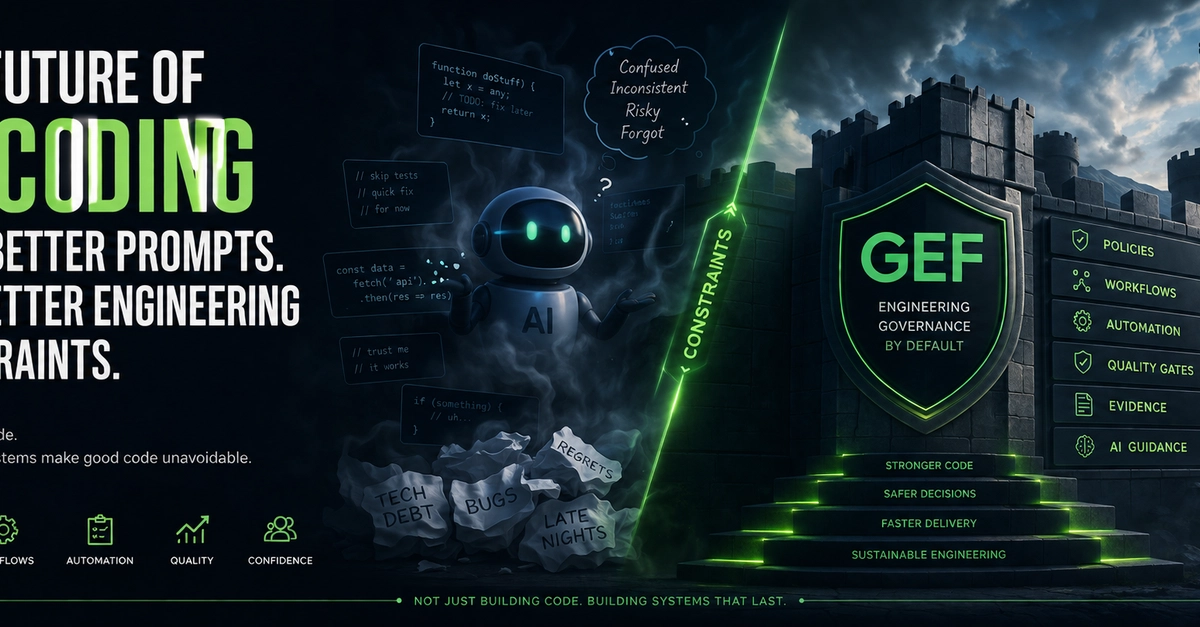
Imagine deploying an autonomous AI agent to handle your production database migrations, customer support, or code reviews. On day one, it performs beautifully. On day two, it encounters a novel edge case, misinterprets its instructions, and fails.
In a traditional software engineering workflow, this failure triggers a frantic manual patch. An engineer opens a prompt file, manually rewrites the instructions to handle the edge case, redeploys, and prays that the modification doesn't break ten other things.
This is the Prompt Engineering Loop of Death. It is fragile, unscalable, and fundamentally unscientific.
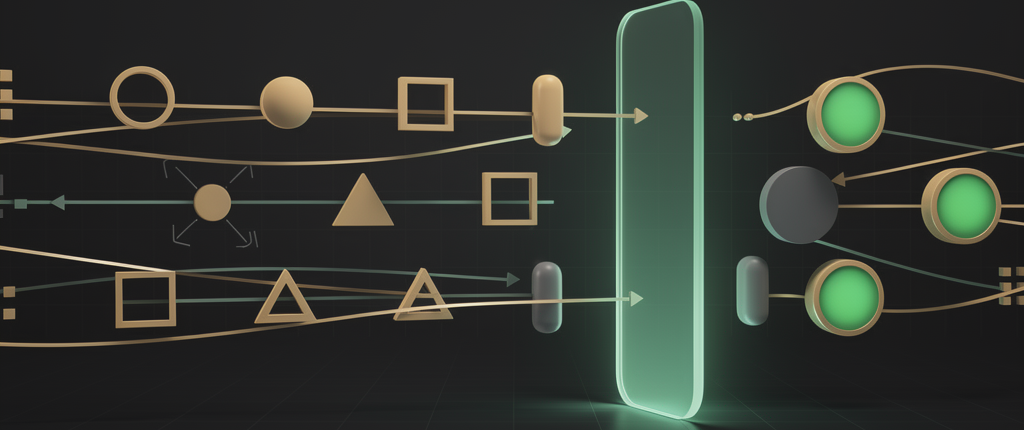
But what if your AI agent could treat its own failures not as fatal errors, but as learning signals? What if, instead of waiting for a human developer, the agent could automatically capture its failures, analyze what went wrong, run a genetic optimization algorithm on its own instructions, test the new variants against a validation suite, and deploy a hardened version of its own codebase?
This is not science fiction. It is the architecture of the Self-Evolution Pipeline—a closed-loop learning system that transforms autonomous agents from static instruction-followers into self-improving systems that grow their own competence trees.