view more
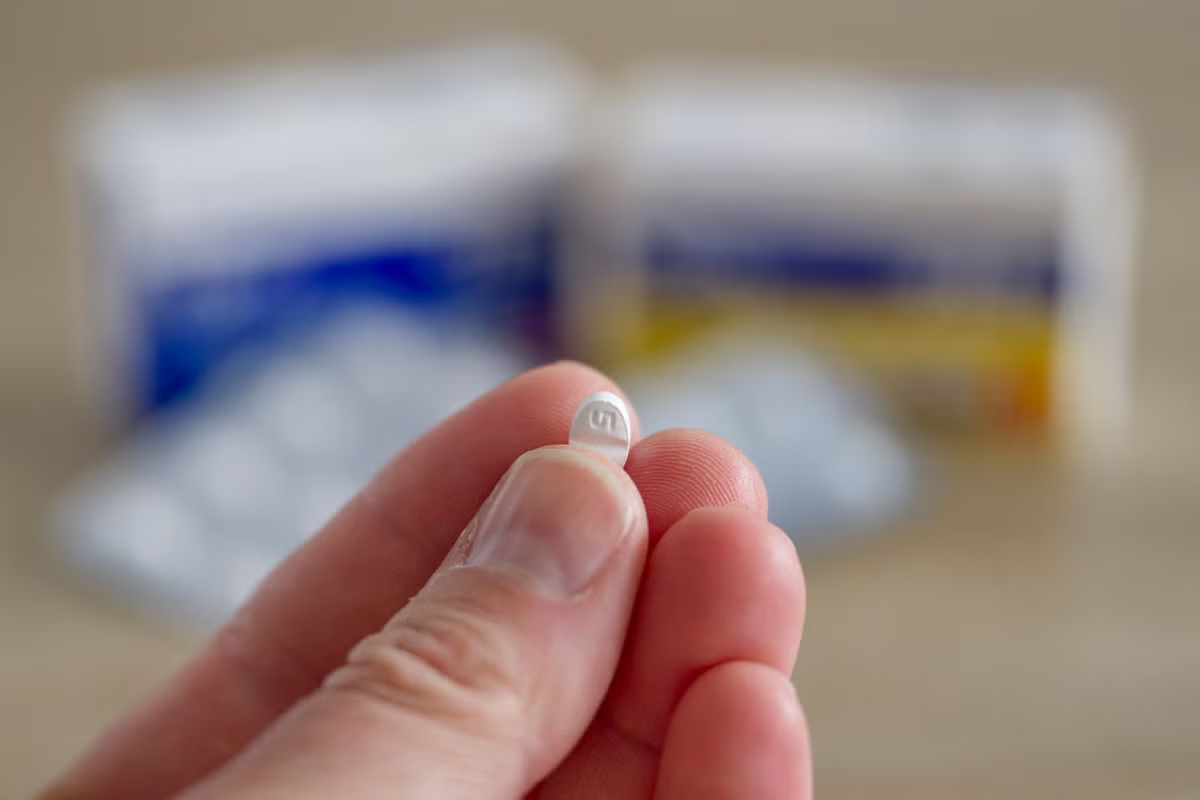
Depression, anxiety and sleep disorders are among the conditions often treated with antidepressant drugs. Yet, up to 90% of these drugs pass through the body into wastewater. They’re also difficult to remove during water treatment, presenting a possible risk of environmental contamination and threats to ecological and human health. Now, researchers reporting in ACS’ Environmental Science & Technology found some antidepressant drugs at levels that could be harmful to aquatic wildlife in North Carolina waterways.
“Effective remediation strategies for these pharmaceuticals are urgently needed to eliminate them from wastewater and mitigate this escalating challenge.” – Erin Baker
“Findings from this study, along with others, reveal that pharmaceuticals are increasingly detected in waterways across the globe, especially near wastewater treatment plant discharge sites, posing a mounting environmental concern,” says Erin Baker, the corresponding author of the study.
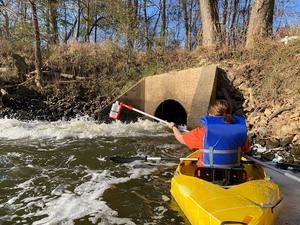
To determine the scale of the problem, Emily Vincent from Baker’s research group at the University of North Carolina at Chapel Hill and colleagues determined the levels of antidepressant drugs in four rivers near outflows from wastewater treatment plants and an isolated lake in North Carolina. They assessed samples collected in December 2024 for 34 compounds in major antidepressant medication categories, including selective serotonin reuptake inhibitors (SSRIs), selective norepinephrine reuptake inhibitors (SNRIs) and norepinephrine-dopamine reuptake inhibitors (NDRIs).