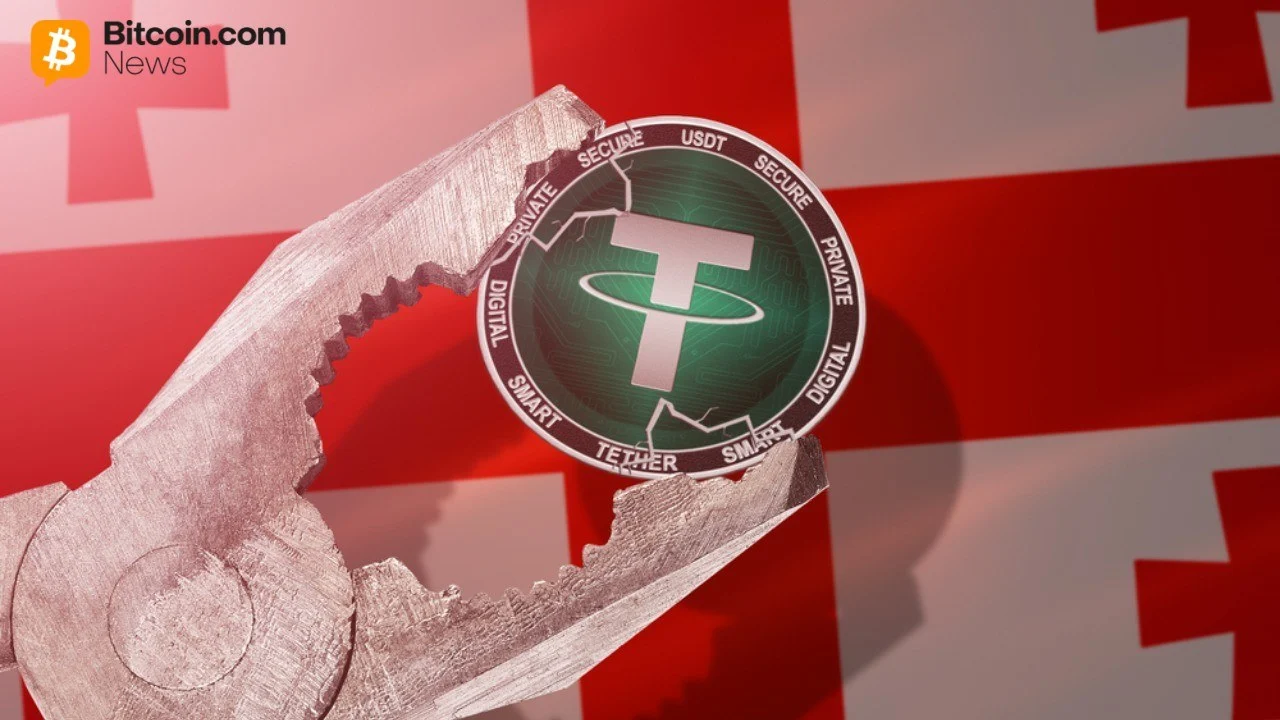
Tether, the world's largest stablecoin issuer, has announced a major investment in Georgia and plans to launch GEL?, a digital token pegged one-to-one to the Georgian lari, a currency used only within the country of 3.7 million. The move signals growing crypto ambitions in the South Caucasus, but also raises concerns about transparency, as it comes with full backing from the authoritarian-leaning Georgian government.Stablecoins are designed to hold a fixed value, typically pegged to the US dollar, offering a far less volatile alternative to cryptocurrencies, which are prone to dramatic swings. Often dismissed by crypto enthusiasts as the “boring” side of the market, they are intended for fast, low-cost cross-border transfers with minimal risk.Tether is privately owned, and its collaboration with a government has raised questions. Reuters described the project as “unusual,” noting that the new stablecoin is “being launched by a private company in partnership with a government,” while adding that Tether has not clarified the nature of that partnership, or whether the so-called “official” stablecoin amounts to a central bank digital currency.Georgia’s ruling Georgian Dream party has fully embraced the initiative. Watchdog groups have long argued that major economic decisions tied to the government and its billionaire founder, Bidzina Ivanishvili, tend to be driven by private financial interests, a concern now swirling around the Tether deal.Speaking in Tbilisi at the project’s presentation, Prime Minister Irakli Kobakhidze framed the investment as a vote of confidence. “The arrival of Tether in Georgia sends a powerful signal to the international investment community,” he said. “It shows that confidence in our country is steadily growing, and that Georgia is seen as a reliable and trustworthy partner by global companies.” He added that Tether is planning “large-scale investments across various sectors,” including social and educational initiatives.Tether CEO Paolo Ardoino struck an equally ambitious tone, positioning the project as more than just a stablecoin launch. He spoke of the “digitalization of the Georgian economy” and “digitalization of assets,” promising “a new ecosystem that will expand and help Georgia to be embraced more broadly and openly across the world.” He also made sure to praise Georgian wine.On paper, GEL? is straightforward. A digital token equal to one lari. But its success will depend on trust, something in short supply in Georgia’s current political climate. Critics question whether the government can be relied upon to manage a financial tool embedded in the public sector, especially amid ongoing political tensions.At the same time, Georgia has quietly become a major player in cryptocurrency mining. In 2025, mining activity increased roughly seven times compared to the previous year, driven by low electricity costs and relatively light regulation. Tether says its move was encouraged by the National Bank of Georgia’s stablecoin framework, which has made the country increasingly attractive to digital asset businesses.Global financial institutions remain wary. The Bank for International Settlements, often called the central bank for central banks, issued a warning last year, arguing that privately issued stablecoins could threaten financial stability and undermine monetary sovereignty. It urged countries to accelerate the development of their own digital currencies instead.For Georgia’s government, Tether’s arrival also serves an important image-building role, reinforcing its narrative of a country open for business and moving forward, even as critics argue that key democratic institutions and public accountability mechanisms continue to erode. Over the last two years, the Georgian government has shunned a constitutional mandate to pursue accession to the European Union, while increasingly adopting positions that align more closely with Russia and boost economic ties with China.By EurasianetMore Top Reads From Oilprice.comOil Prices Dip as Israel-Lebanon Ceasefire Revives Iran Deal HopesTrump Plans $700 Million Lifeline for U.S. Coal Power PlantsKuwait Says Oil Output Won't Recover for 10-12 Weeks After Hormuz Reopens
Georgia’s Government Backs a Controversial Crypto Push | OilPrice.com
Tether’s planned Georgian lari stablecoin could boost Georgia’s crypto ambitions while intensifying concerns over transparency, state influence, and financial sovereignty.
618 words~3 min read