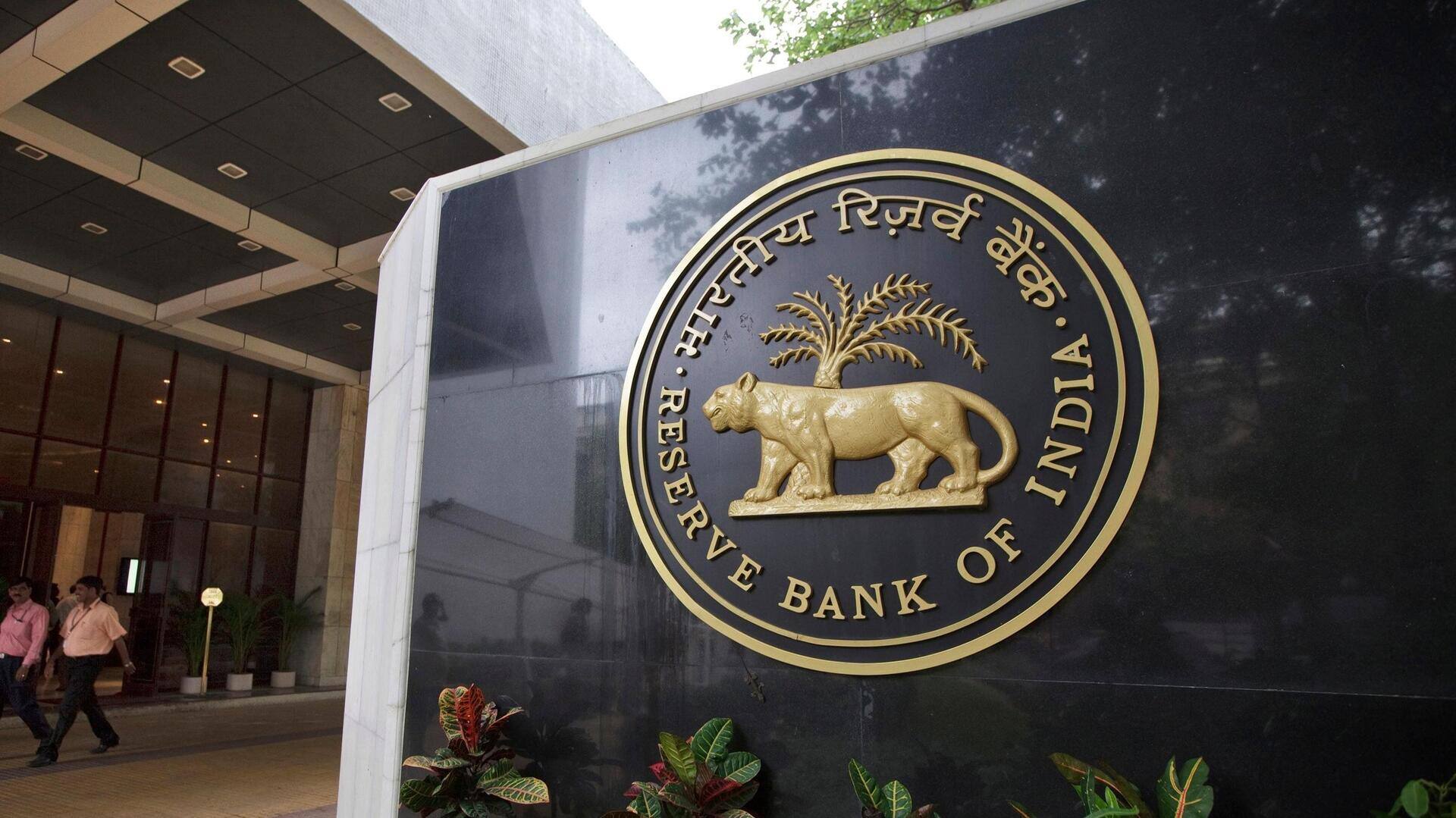
SynopsisIn a strategic bid to entice foreign investors, India is simplifying tax regulations on select securities. This initiative is designed to boost investment flows despite recent sell-offs by investors in Indian equities driven by global trends. The newly revised tax structure, which will see modifications in capital gains and withholding taxes, aims to streamline investment processes.ET OnlineRepresentative ImageThe Union Cabinet reportedly okayed easing tax rules via an Ordinance for foreign investors in some categories of securities on Wednesday. Tax relief to foreign portfolio investors will, indeed, affect flows at the margin. But a host of other factors will need to be fixed before interest in Indian markets revives. Tax rates here are broadly in line with international yardsticks. But India taxes capital gains in the country. This is a departure from international practice of taxing overseas investments at home. The other variation from global norms is withholding tax on interest earned that affects performance of investments in debt. Harmonising these variations should reduce friction over investing in India, and over the long run should make cross-border investments seamless.Short-term effects of the move are harder to determine. FPIs are on a record selling spree in Indian equities over the country's energy vulnerability to the US war on Iran, and a concentration of investor interest in AI infrastructure. FPI inflows in government debt are positive as the country eased investment limits and was included in key global bond indices afterwards. This is where withholding tax on interest affects returns for FPIs, particularly if they face no tax on interest at home. Capital gains tax on equity investments has to be seen in conjunction with rupee's depreciation that is affecting returns for FPIs.RBI is expected to offer a coordinated response to the tax changes, although it may not raise interest rates just yet. Drawdown in reserves and pass-through of energy prices will stabilise the rupee. An undervalued rupee should ease the strain on exports. But the prospects of higher inflation and slower growth will have a bearing on equity outflows. Indian equities are coming off rich valuations, but have not corrected enough to rekindle FPI buying interest in a hypercharged AI environment. By offering easier access to its equity and debt markets, India is laying the pitch for a strong recovery down the line, not immediately. ...moreElevate your knowledge and leadership skills at a cost cheaper than your daily tea.Subscribe Now
Easier FPI access to equity, debt markets - The Economic Times
In a strategic bid to entice foreign investors, India is simplifying tax regulations on select securities. This initiative is designed to boost investment flows despite recent sell-offs by investors in Indian equities driven by global trends. The newly revised tax structure, which will see modifications in capital gains and withholding taxes, aims to streamline investment processes.
398 words~2 min read