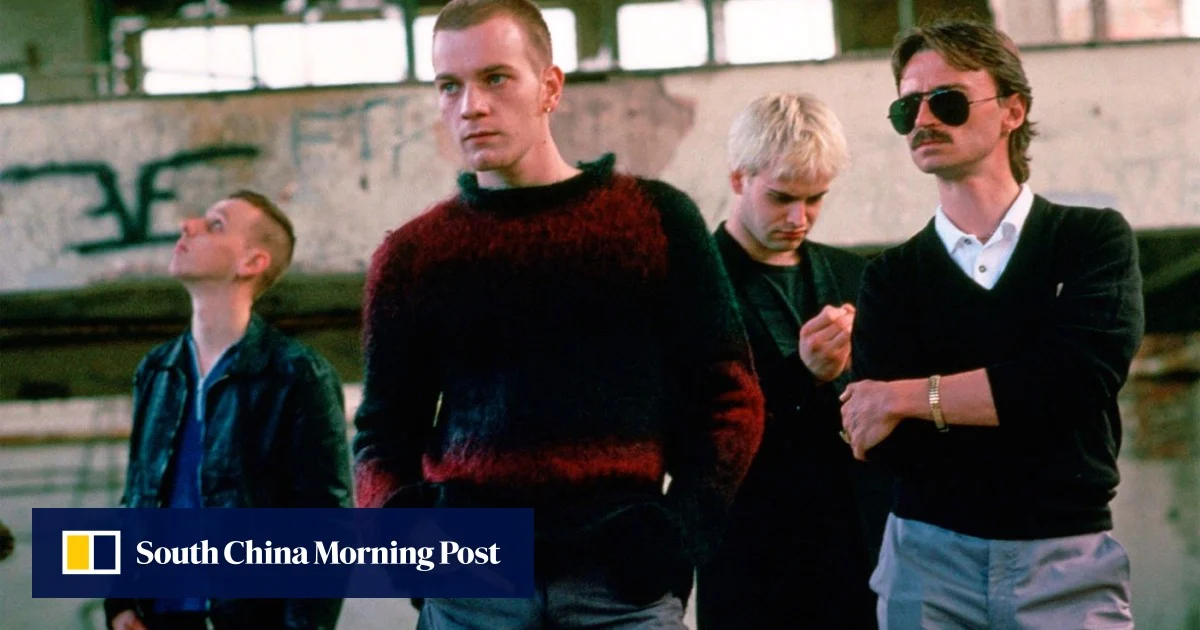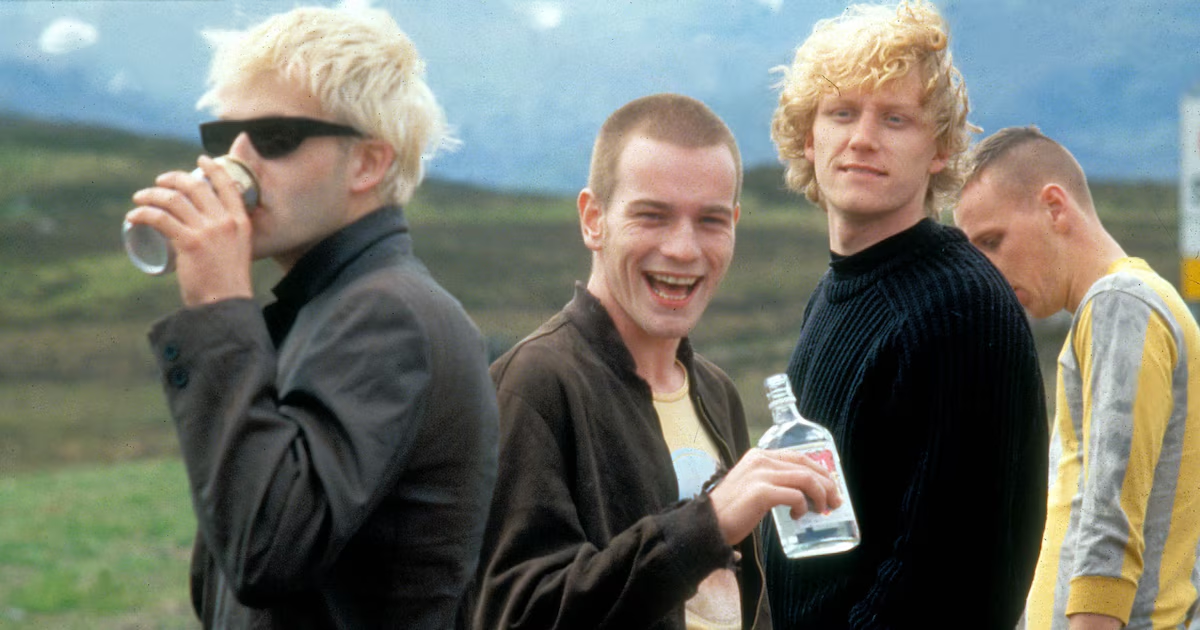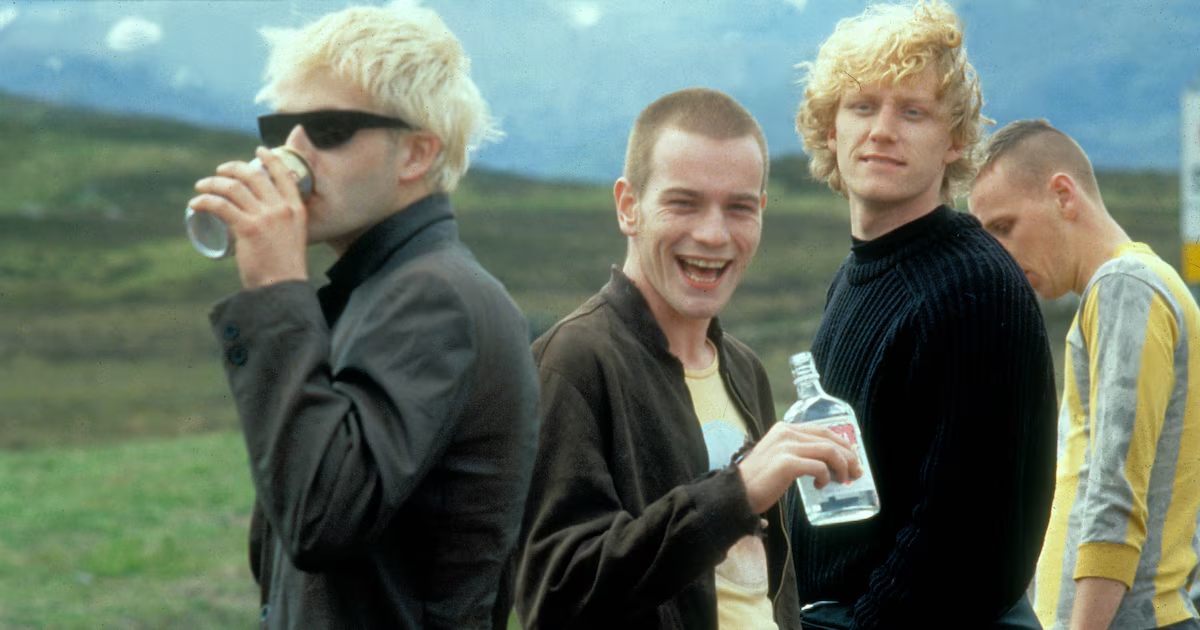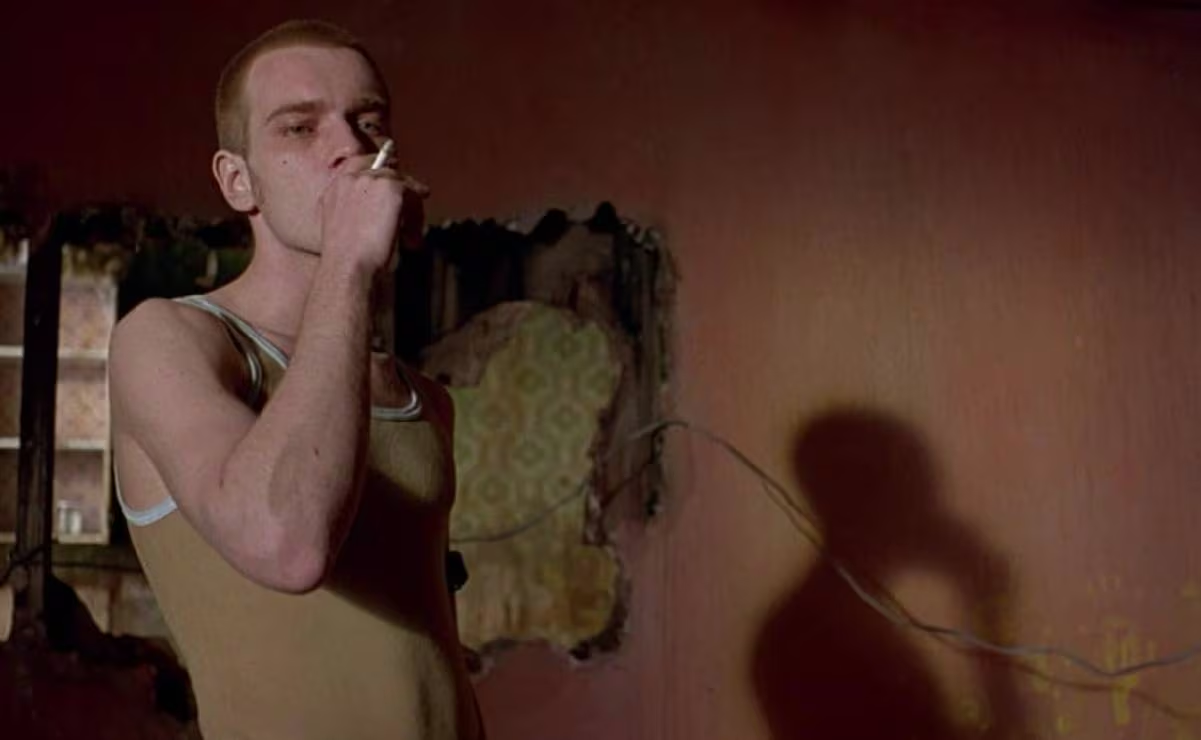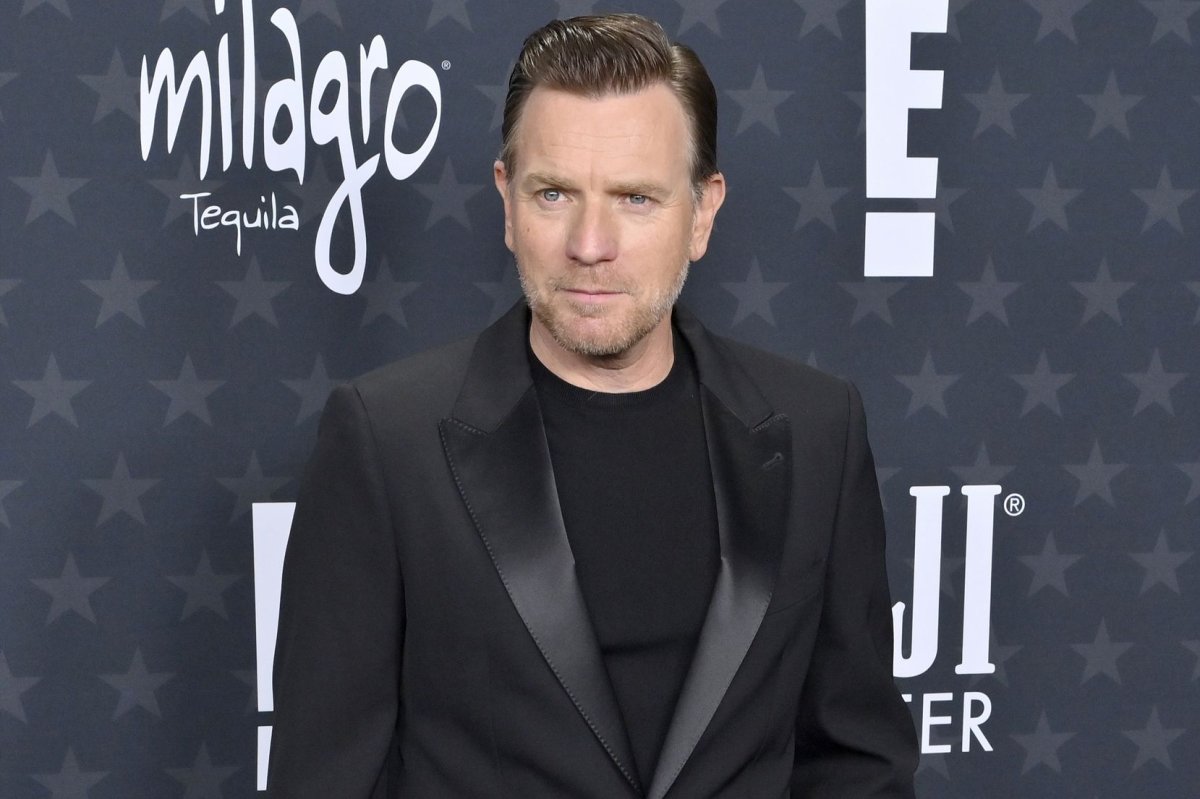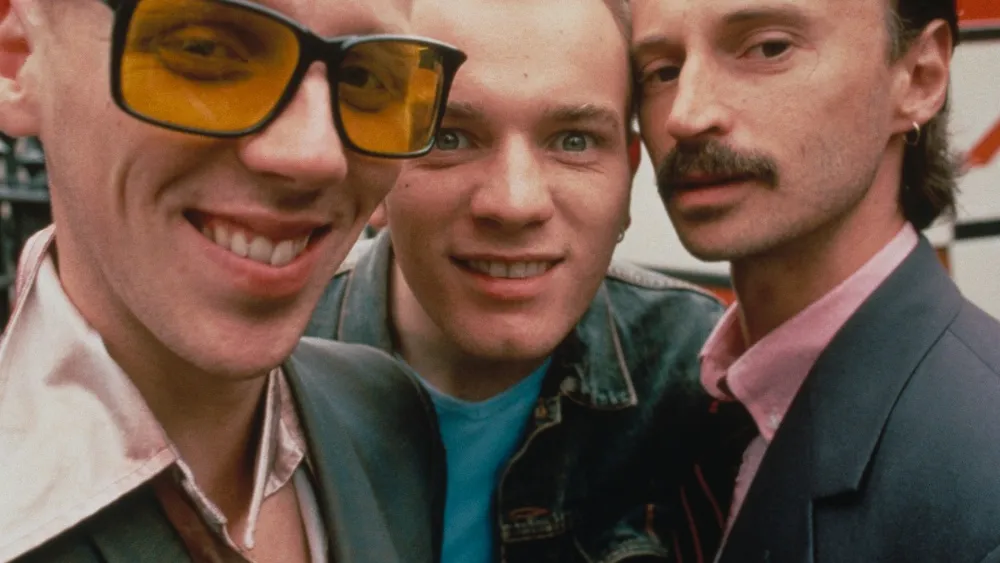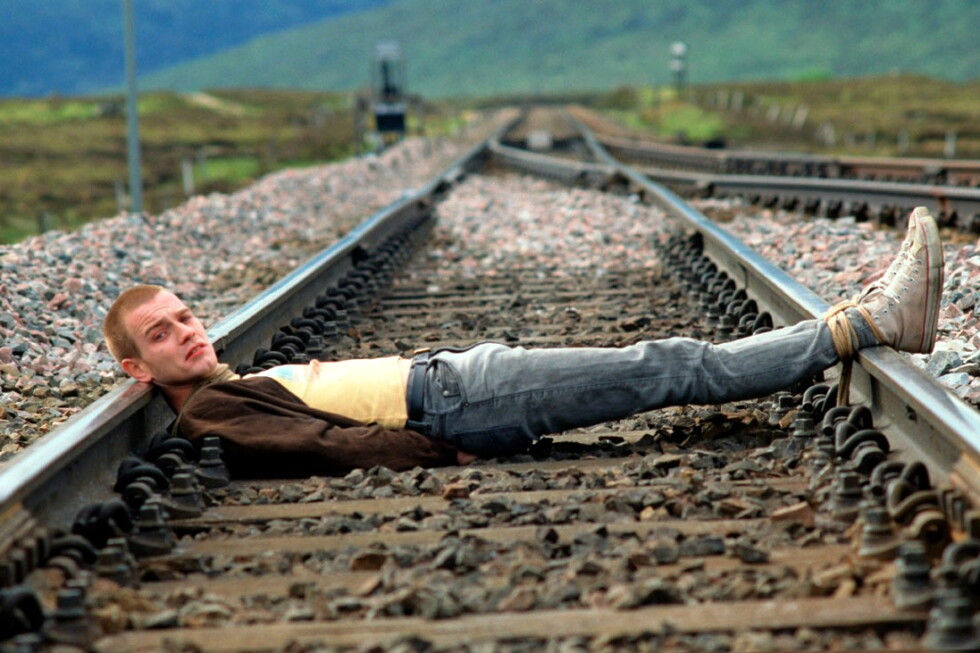
Ewan McGregor, for a fleeting moment after “Trainspotting” came out, felt like a rock star. It wasn’t his first significant project; it wasn’t even his first film with director Danny Boyle. And he was, in his words, fairly arrogant and cocksure at the time. But that kinetic film about four heroin addicts in late-1980s Scotland was and, 30 years later, remains defining — in his career, in the culture and in his understanding of what true artistic satisfaction can feel like.“It’s very much in that early part of my career, and of course, even today, probably the most important piece of work that I was involved in, just because it had such a massive effect on my life. Not only because of what it did, but because of how it felt to make,” McGregor told The Associated Press in a recent interview. “It set the bar unknowingly high because it’s been quite hard to match ever since.”
Both McGregor and Boyle are a little wistful about the time, and what they made, on the eve of its 30th anniversary re-release. Starting Friday, a 4K digital restoration will be in theaters nationwide. Though “Trainspotting” was very much of its moment with its Britpop soundtrack, its Thatcher-era grit, its darkly comedic tone and shrewd blend of giddy highs and tragic lows, it’s also one that has stood the unforgiving test of time.“You get kids coming up to you who are 17 who said they’d just seen it,” Boyle said. “I could be their grandfather … yet it still spoke to them.”