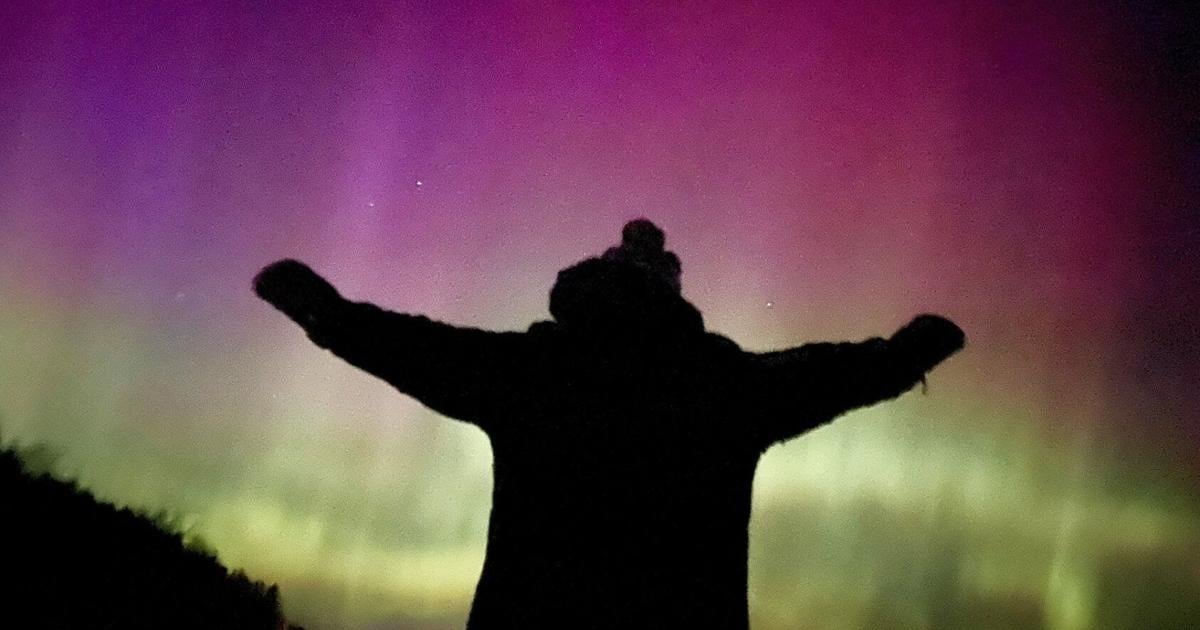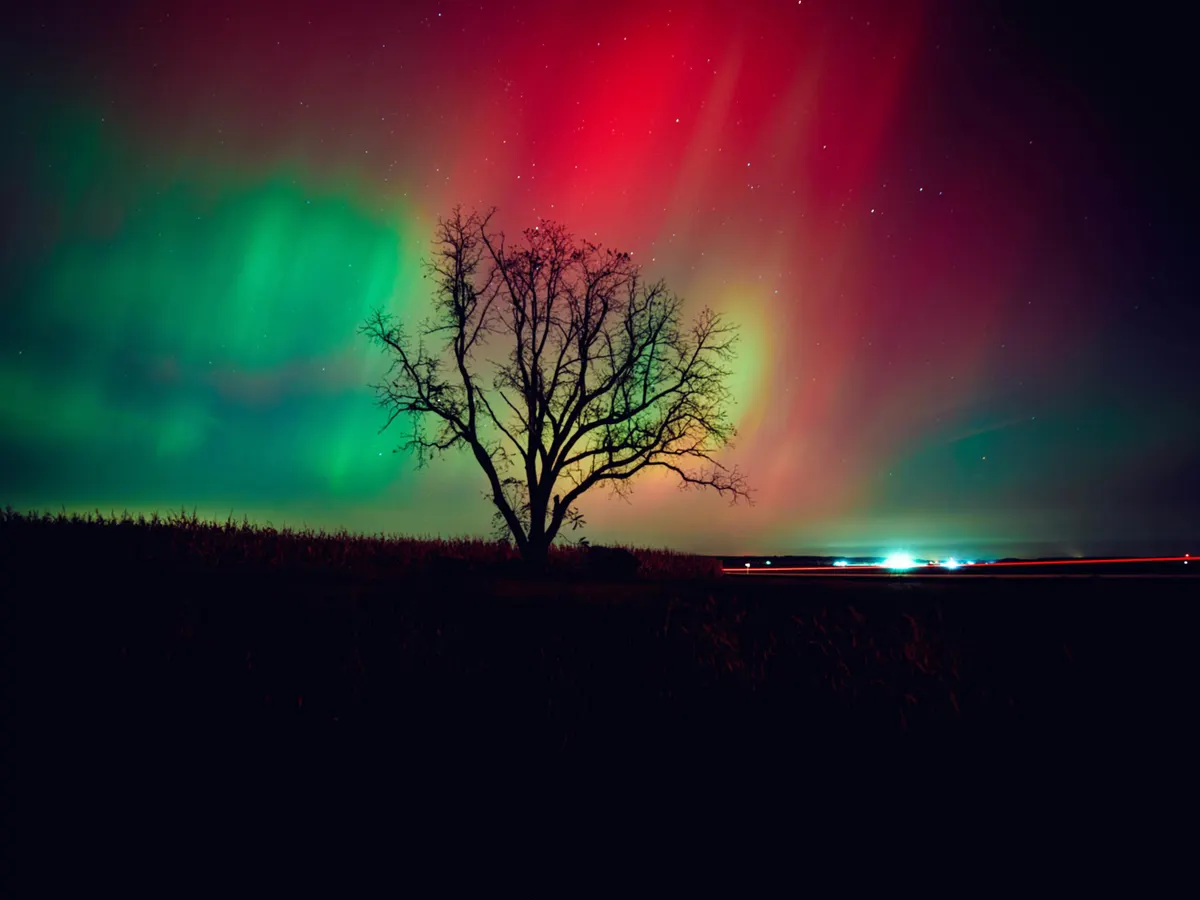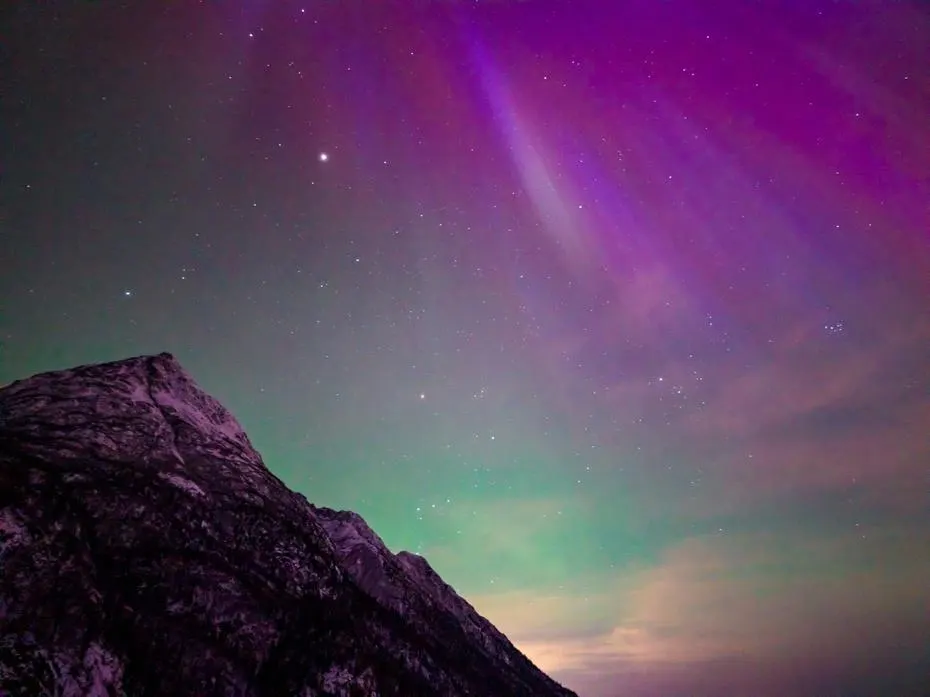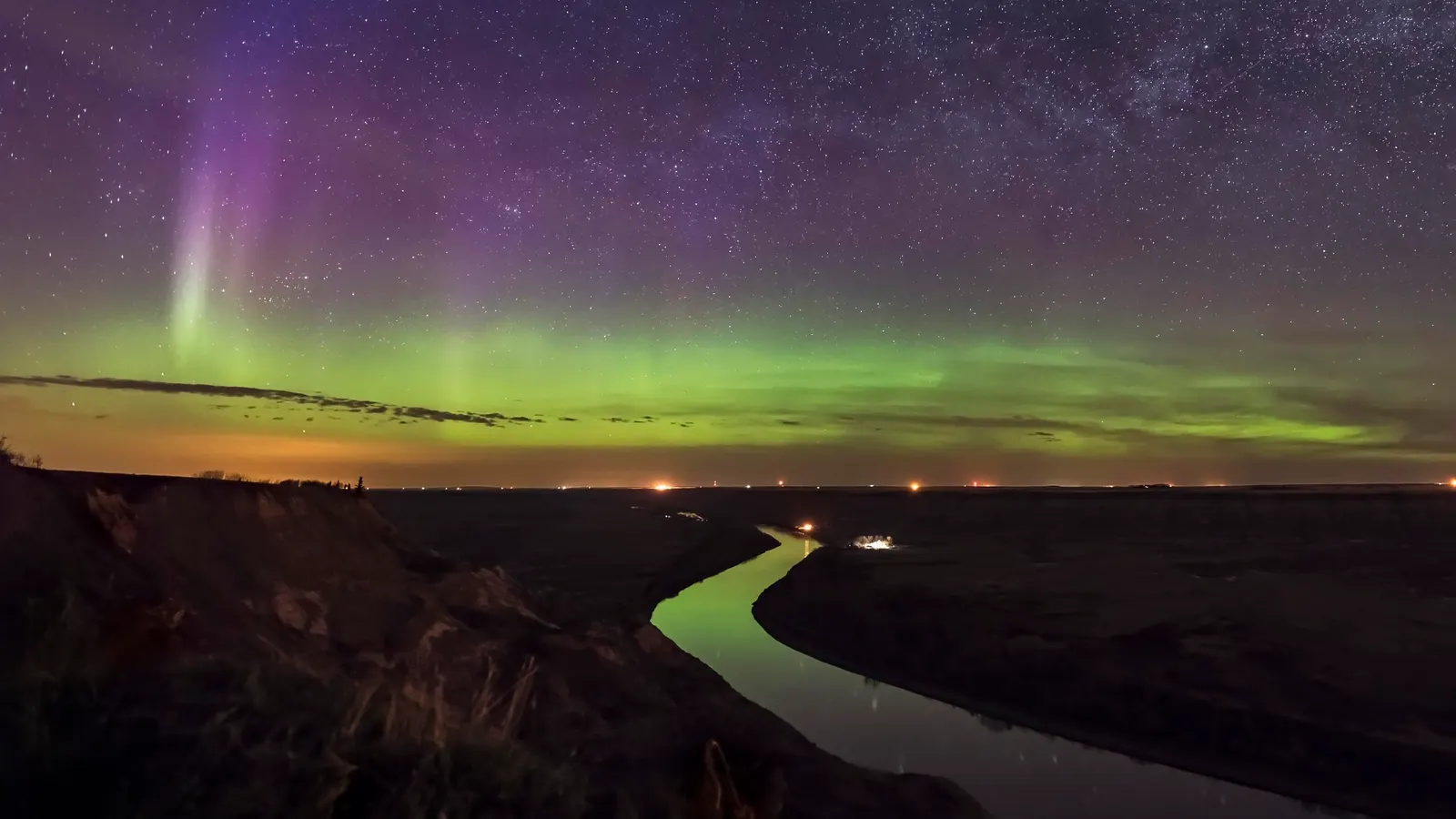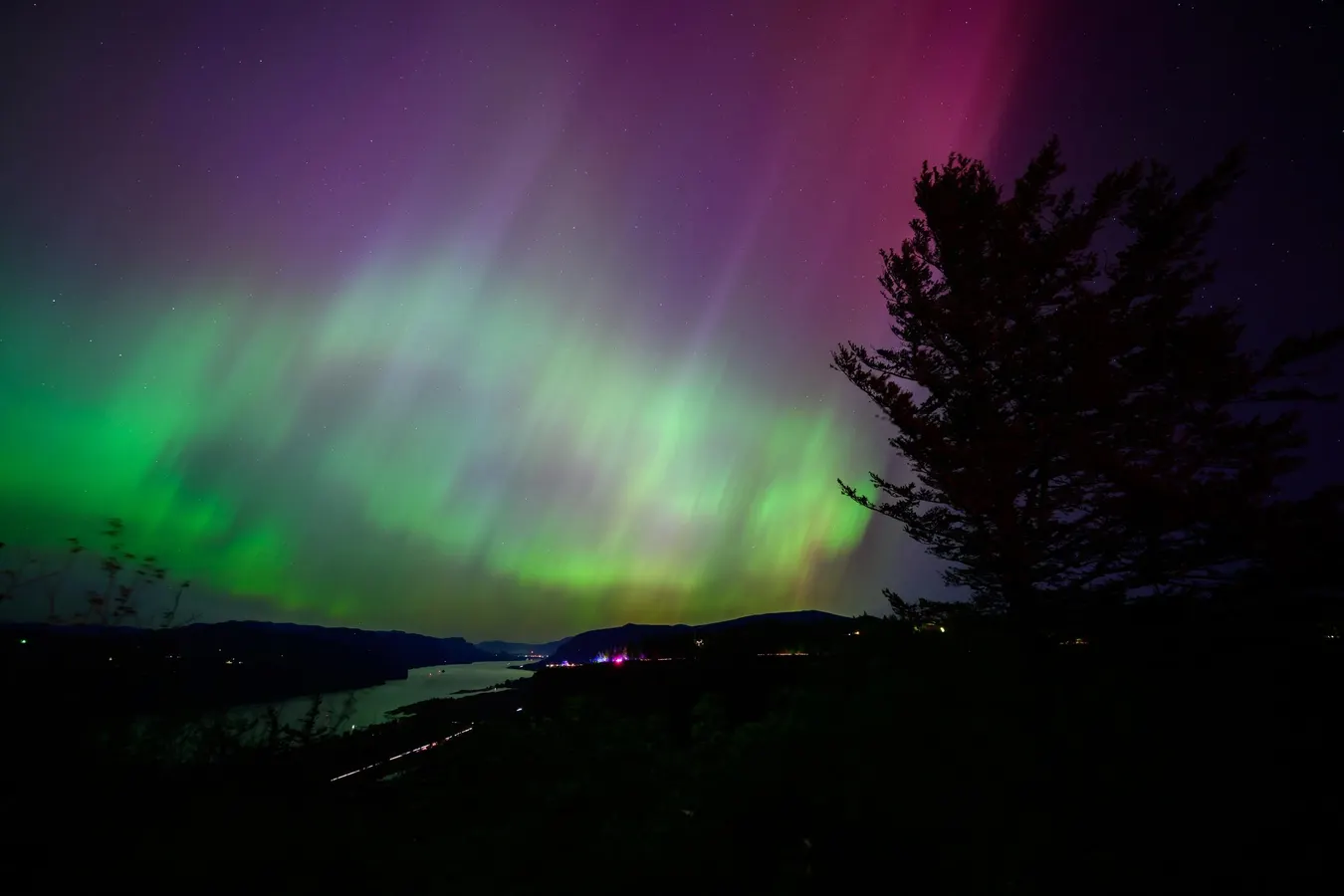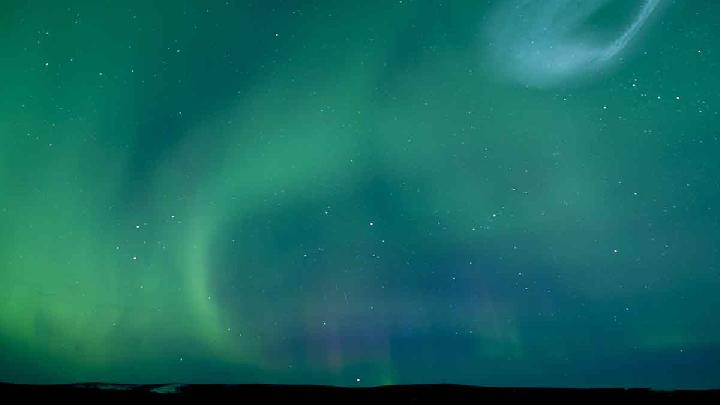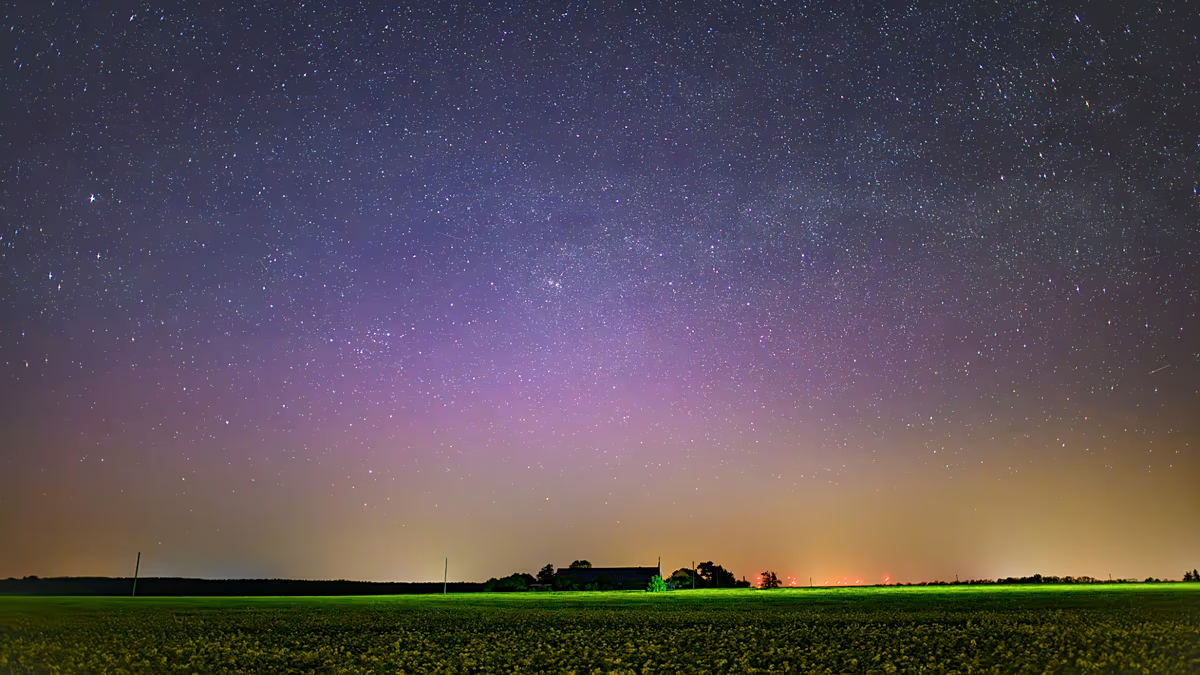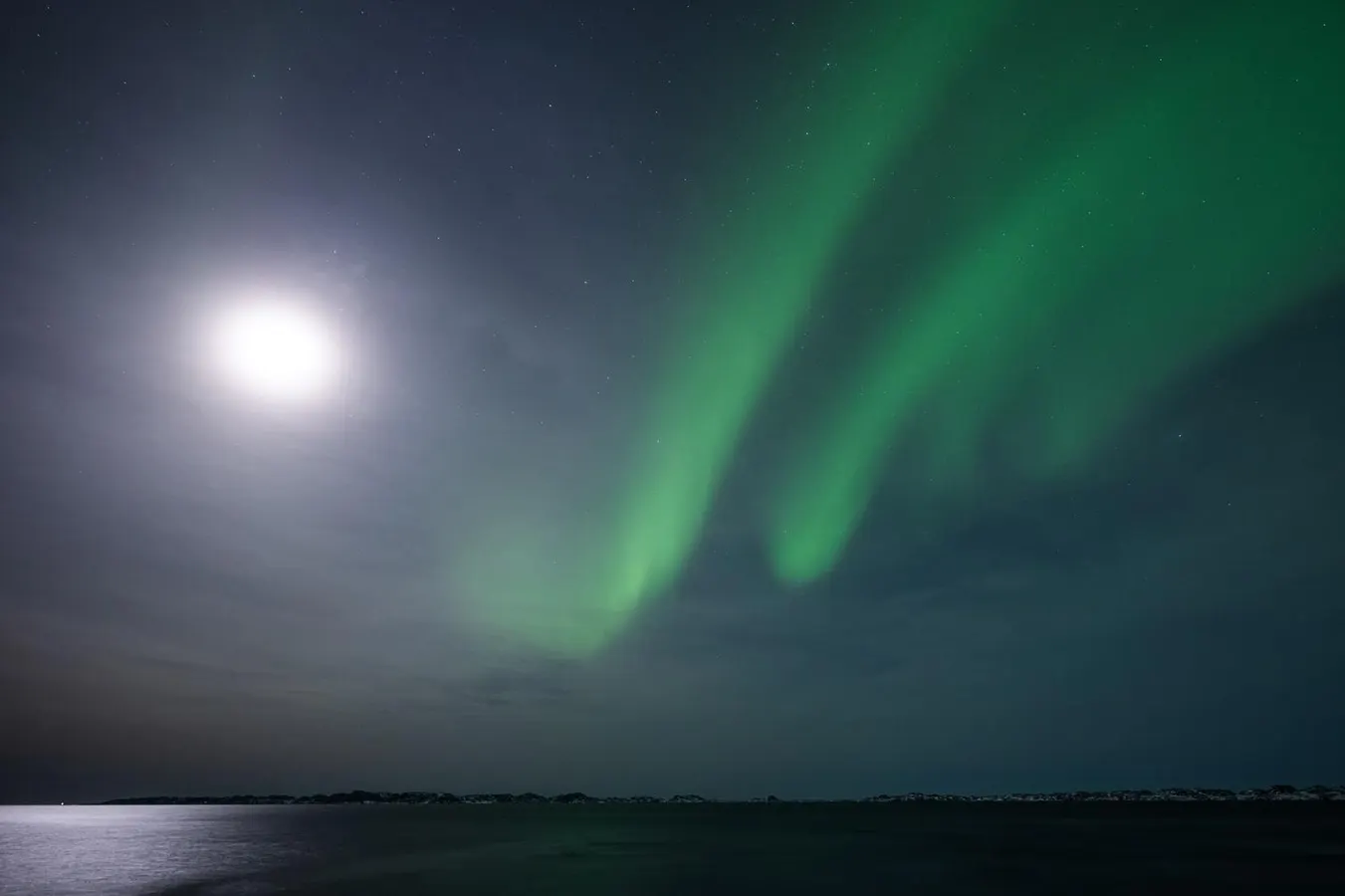
Skip to Content Subscribe Our Offers My Account Manage My Subscriptions FAQ Newsletters Canada Canadian True Crime Canadian Politics Health World Israel & Middle East Financial Post NP Comment Longreads Puzzmo Diversions Comics NP News Quiz New York Times Crossword Horoscopes Life Eating & Drinking Style Sponsored Play for Ontario Travel Travel Canada Travel USA Travel International Cruises Travel Essentials Culture Books Celebrity Movies Music Theatre Television Business Essentials Advice Lives Told Tails Told Shopping Buy Canadian Home Living Outdoor Living Tech Style & Beauty Kitchen & Dining Personal Care Entertainment & Hobbies Gift Guide Travel Guide Deals Savings National Post Store More Sports Hockey Baseball Basketball Football Soccer Golf Tennis Driving Vehicle Research Reviews News Gear Guide Obituaries Place an Obituary Place an In Memoriam Classifieds Place an Ad Celebrations Working Business Ads Archives Healthing Epaper Manage Print Subscription Profile Settings My Subscriptions Saved Articles My Offers Newsletters Customer Service FAQ Newsletters Canada World Financial Post NP Comment Longreads Puzzmo Diversions Life Shopping Epaper Manage Print Subscription HomeNewsCanadaScienceSpaceNorthern lights expected to be visible across Canada tonight. Here's how to see themA strong geomagnetic storm is expected to hit Earth, increasing chances of seeing the northern lights in all of Canada.Last updated 21 minutes ago You can save this article by registering for free here. Or sign-in if you have an account.The northern lights shine above the boreal forest outside Fort McMurray on November 12, 2025. Photo by Vincent McDermott/Fort McMurray Today/Postmedia NetworkCanadians across the country are in with a chance of seeing the northern lights tonight.Enjoy the latest local, national and international news.Exclusive articles by Conrad Black, Barbara Kay and others. Plus, special edition NP Platformed and First Reading newsletters and virtual events.Unlimited online access to National Post.National Post ePaper, an electronic replica of the print edition to view on any device, share and comment on.Daily puzzles including the New York Times Crossword.Support local journalism.Enjoy the latest local, national and international news.Exclusive articles by Conrad Black, Barbara Kay and others. Plus, special edition NP Platformed and First Reading newsletters and virtual events.Unlimited online access to National Post.National Post ePaper, an electronic replica of the print edition to view on any device, share and comment on.Daily puzzles including the New York Times Crossword.Support local journalism.Create an account or sign in to continue with your reading experience.Access articles from across Canada with one account.Share your thoughts and join the conversation in the comments.Enjoy additional articles per month.Get email updates from your favourite authors.Create an account or sign in to continue with your reading experience.Access articles from across Canada with one accountShare your thoughts and join the conversation in the commentsEnjoy additional articles per monthGet email updates from your favourite authorsSign In or Create an AccountorThat’s because a geomagnetic storm is expected to hit Earth today, after the National Oceanic and Atmospheric Administration’s (NOAA) Space Weather Prediction Centre issued a G3 geomagnetic storm watch for Thursday and Friday.G3 is NOAA’s classification for a “strong” geomagnetic storm. In the event of such storms, “Intermittent satellite navigation and low-frequency radio navigation problems may occur, HF radio may be intermittent, and aurora has been seen as low as Illinois and Oregon,” NOAA says.The event is driven by solar activity, in this case a solar flare that occurred on Wednesday, directing three coronal mass ejections (CMEs) — which are eruptions of plasma and magnetic fields from the Sun — towards Earth.Get a dash of perspective along with the trending news of the day in a very readable format.By signing up you consent to receive the above newsletter from Postmedia Network Inc.A welcome email is on its way. If you don't see it, please check your junk folder.The next issue of NP Posted will soon be in your inbox.We encountered an issue signing you up. Please try againThese particles interfere with Earth’s magnetic field, triggering the colourful light display known as the aurora borealis, or the northern lights.NOAA’s current forecast predicts CME arrival around mid-afternoon EDT on June 4. “CME passage would likely continue into the evening and possibly overnight hours of June 5,” the agency added.However, there remains some uncertainty around timing, and NOAA notes that outliers show arrival six to eight hours earlier, while others suggest it could arrive up to eight hours later.If CME arrival is too early, much of the activity can occur before dark, meaning there is less chance of seeing the northern lights. In addition, late spring is not always the best time to view the lights, because of the later sunsets and fewer hours of darkness.The best way to keep up to date with the latest timing predictions is to keep checking the Space Weather Prediction Centre.Strong geomagnetic storms can push auroral activity into the northern U.S., meaning there’s a chance of catching the northern lights across much of Canada.NOAA said of the current storm watch: “The aurora may be visible over many of the northern (U.S.) states and some of the lower Midwest to Oregon.”It added: “The general public should consider monitoring our page for the latest information and updates.While the northern lights may be visible across Canada, the best viewing conditions will be in Eastern Canada, because skies are expected to be largely clear overnight on Thursday.On the West Coast and in the Prairies there will be more cloud cover, so viewing opportunities will be more limited.For the best chance of seeing the lights, stargazers should head away from areas with significant light pollution, such as city centres and brightly lit neighbourhoods.And if the display appears faint, try using your smartphone camera. Phone cameras are often more sensitive to auroral light than the human eye and can reveal colours and details that may otherwise be difficult to see. The Canadian Space Agency says anyone can catch a glimpse of the northern lights given the right conditions. Photo by JAY THAKER /Getty ImagesWhat is a geomagnetic storm?According to Space Weather Canada, a geomagnetic storm is a temporary disturbance of the Earth’s magnetosphere caused by sudden strong variations in solar wind.The largest of these storms are associated with CMEs, which come from an explosion of activity on the Sun.These events can cause disruption to GPS-related navigation, interfere with low-orbit communication satellites and radio signals, and create harmful currents in power grids and pipelines. However, impacts of that scale are not expected from the storm forecast for tonight.According to NOAA, G3 storms like this one occur on 130 days during each 11-year solar cycle (or roughly 12 days in every year).The strongest geomagnetic storms, classified as G5 or “extreme” storms, occur on only four days per solar cycle and can cause widespread disruption, including blackouts. In these cases, the northern lights can be seen as far south as Florida and southern Texas.Our website is the place for the latest breaking news, exclusive scoops, longreads and provocative commentary. Please bookmark nationalpost.com and sign up for our daily newsletter, Posted, here. Join the Conversation This website uses cookies to personalize your content (including ads), and allows us to analyze our traffic. Read more about cookies here. By continuing to use our site, you agree to our Terms of Use and Privacy Policy.
Northern lights expected to be visible across Canada tonight. Here's how to see them
A strong geomagnetic storm is expected to hit Earth, increasing chances of seeing the northern lights in all of Canada
1,189 words~5 min read