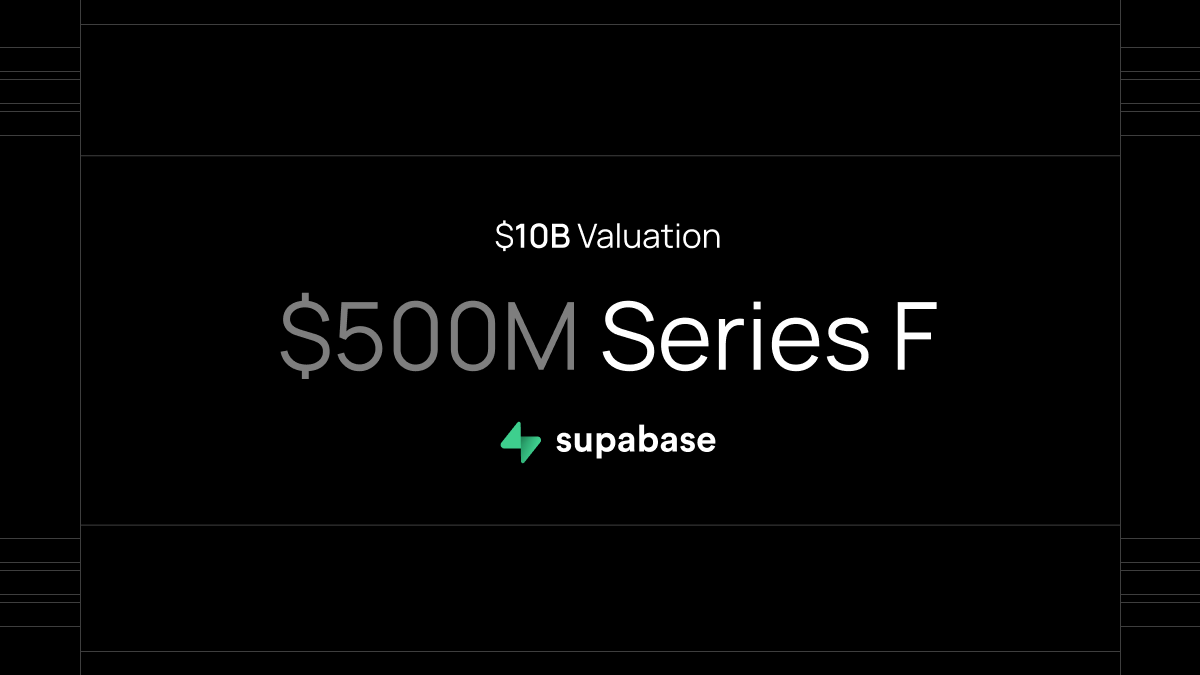
Supabase’s AI backend tools just propelled the company to a $10.5 billion valuation—a jump fueled by the “vibe coding” phenomenon sweeping AI development. As investor dollars flood into AI infrastructure, Supabase stands out for giving both expert and non-technical builders the core backend stack they need to turn AI-generated prompts into real, working products. This post breaks down how Supabase became the default for AI-driven apps, why vibe coding is enabling a new era of developer productivity, and what it actually looks like to use Supabase on a modern AI stack.
[[IMG: scene]]
What is the vibe coding phenomenon and how is it driving AI app development?
Vibe coding is the rise of AI-powered workflows that let anyone—developers and non-developers—build apps, scripts, and products simply by describing what they want in text. Tools like Anthropic’s Claude Code and OpenAI’s Codex parse natural language prompts and generate multi-file, working application code, skipping the boilerplate and much of the syntax grind.
This approach shaves weeks or months off prototyping, lowers barriers to entry, and expands the field to a wider mix of creators. You tell the AI: “Build a feedback portal for my SaaS with SSO, analytics, and email reports.” The system spits back an opinionated scaffold—frontend, backend, integrations—then iterates instantly on changes. The bulk of new AI-generated apps don’t start in a spec doc or even Figma—they begin and evolve in chat-like interfaces.