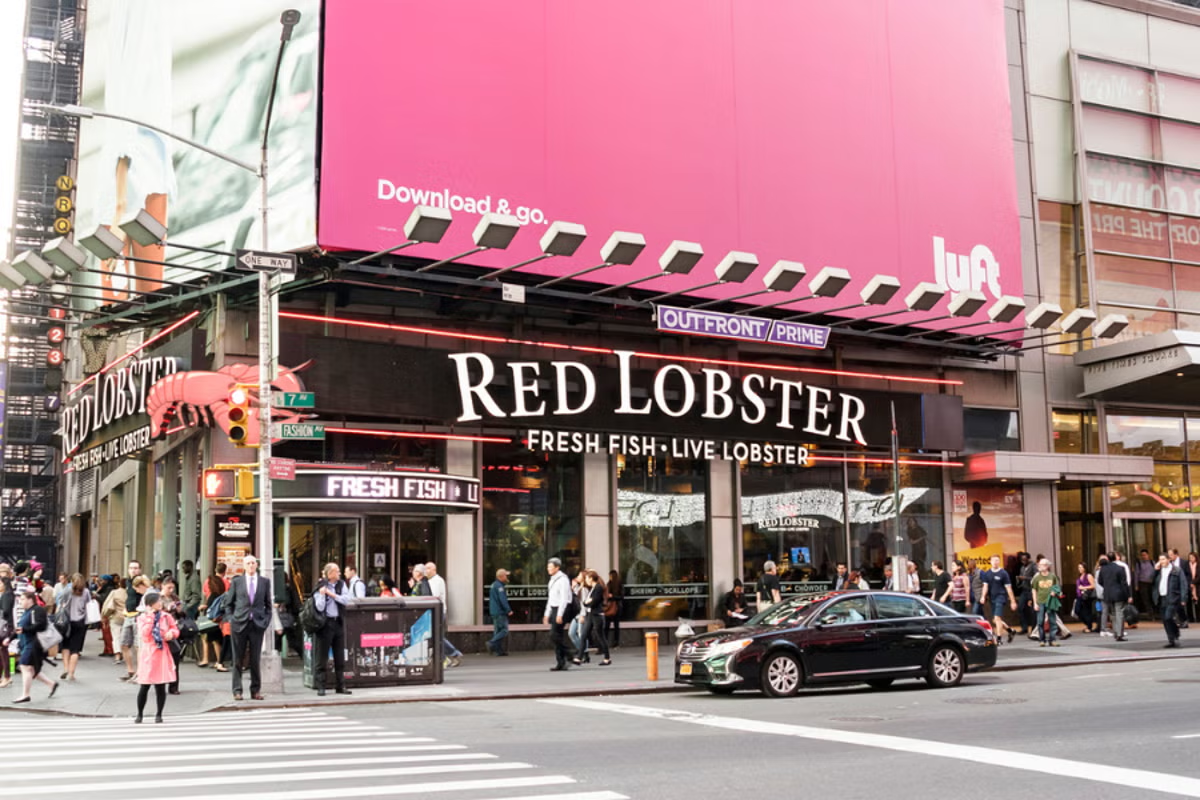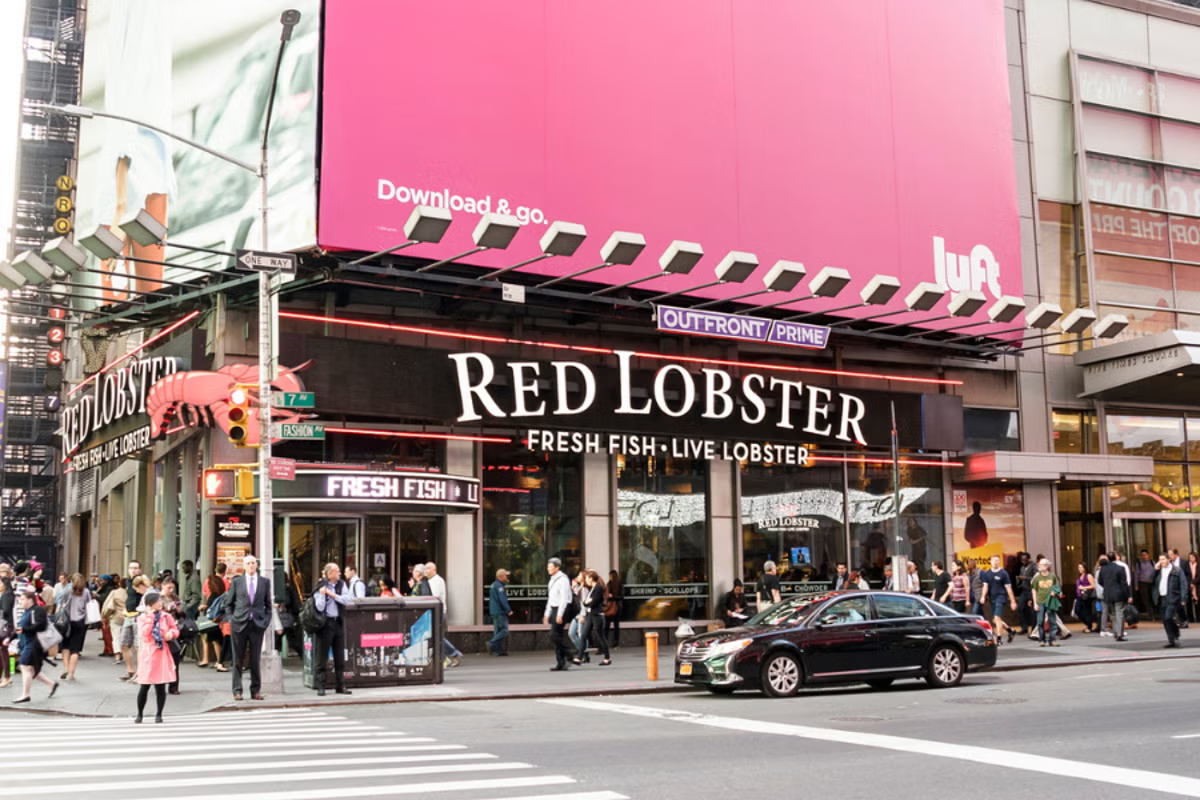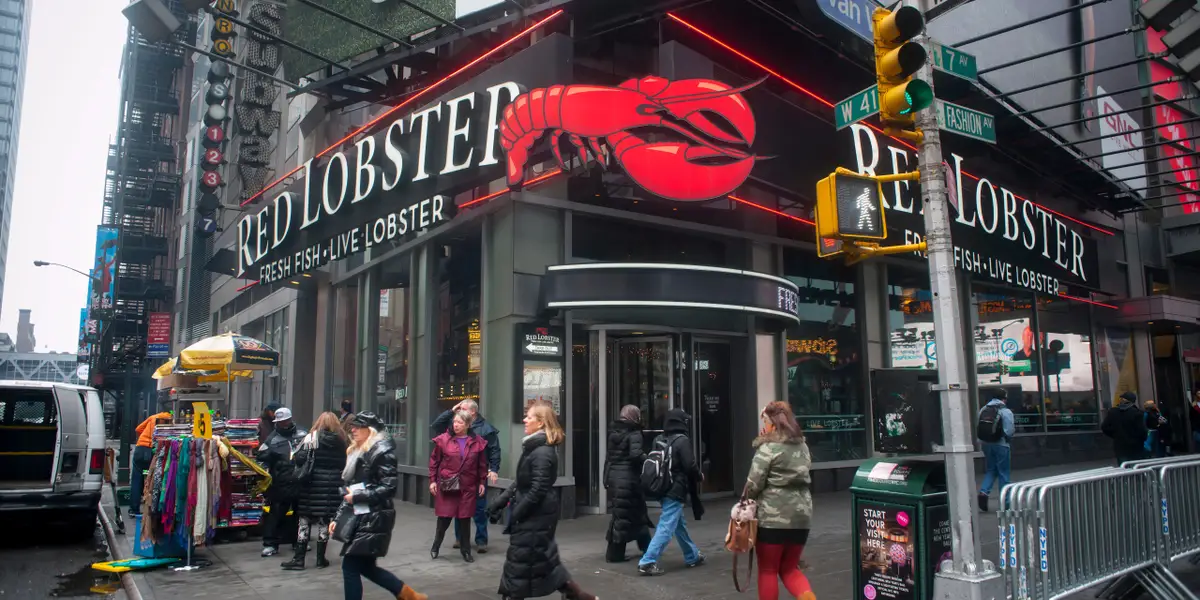
Red Lobster is closing its Times Square flagship restaurant after 23 years. It's a sign the chain is committed to trimming the fat post-bankruptcy.
Richard B. Levine/Getty Images
When I visited Red Lobster's Times Square location in March for the first time since the chain's bankruptcy filing, I came away with an unexpected conclusion: Red Lobster is getting better.Inside, servers bustled between a few packed tables carrying steaming Cheddar Bay biscuits, shrimp platters, and seafood pasta dishes. The food was tastier, the portions were big, and the chain finally seemed to understand what customers wanted: quality food and exciting new menu offerings that felt worth coming back for.Still, despite these promising updates under new CEO Damola Adamolekun, the sprawling restaurant felt noticeably quiet for Times Square during the lunch rush. As I stood inside the multi-level dining room, I was struck by the challenge restaurants this large must face.This week, Red Lobster announced the Times Square flagship, which has occupied one of Manhattan's most famous corners for 23 years since its opening in 2003, will permanently close on June 14.In some ways, the closure highlights a strange reality: Red Lobster itself appears to be in better shape than the Times Square restaurant that once symbolized the brand's success.Since filing for bankruptcy in 2024, Red Lobster has appointed Adamolekun, revamped its menu, exited Chapter 11 protection, and has begun seeing encouraging sales gains. Adamolekun told The Wall Street Journal in February that sales were up 10% year over year.Yet, even as the chain gains momentum in a challenging casual-dining market, one of its most iconic locations has become harder to justify.