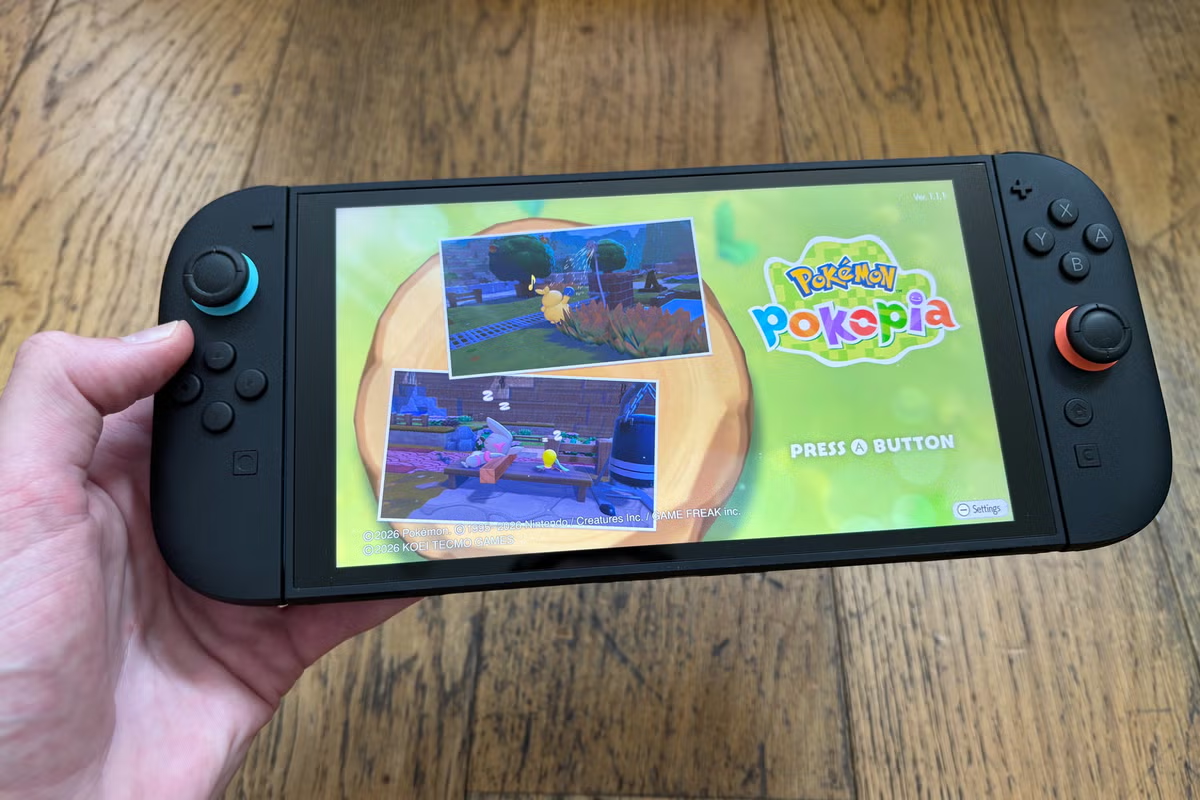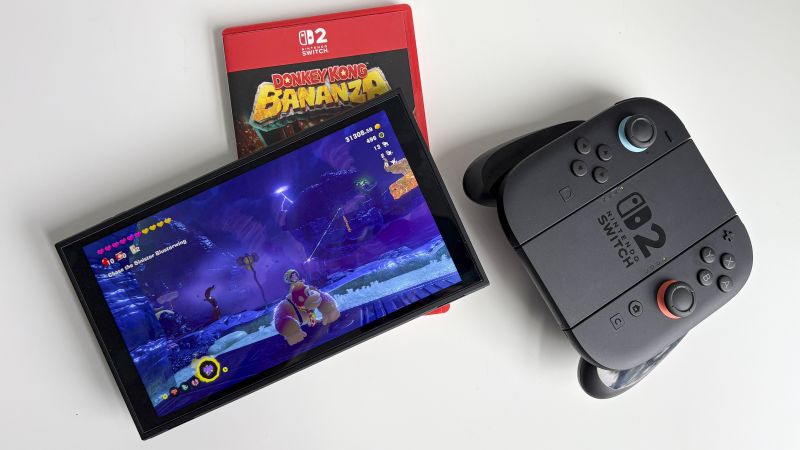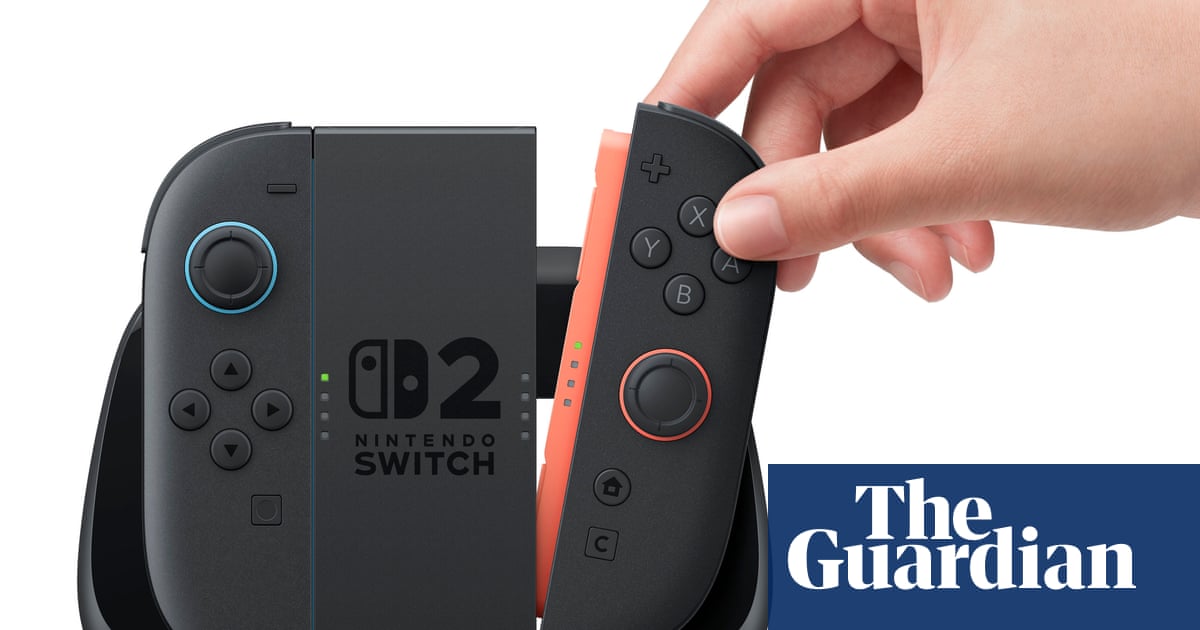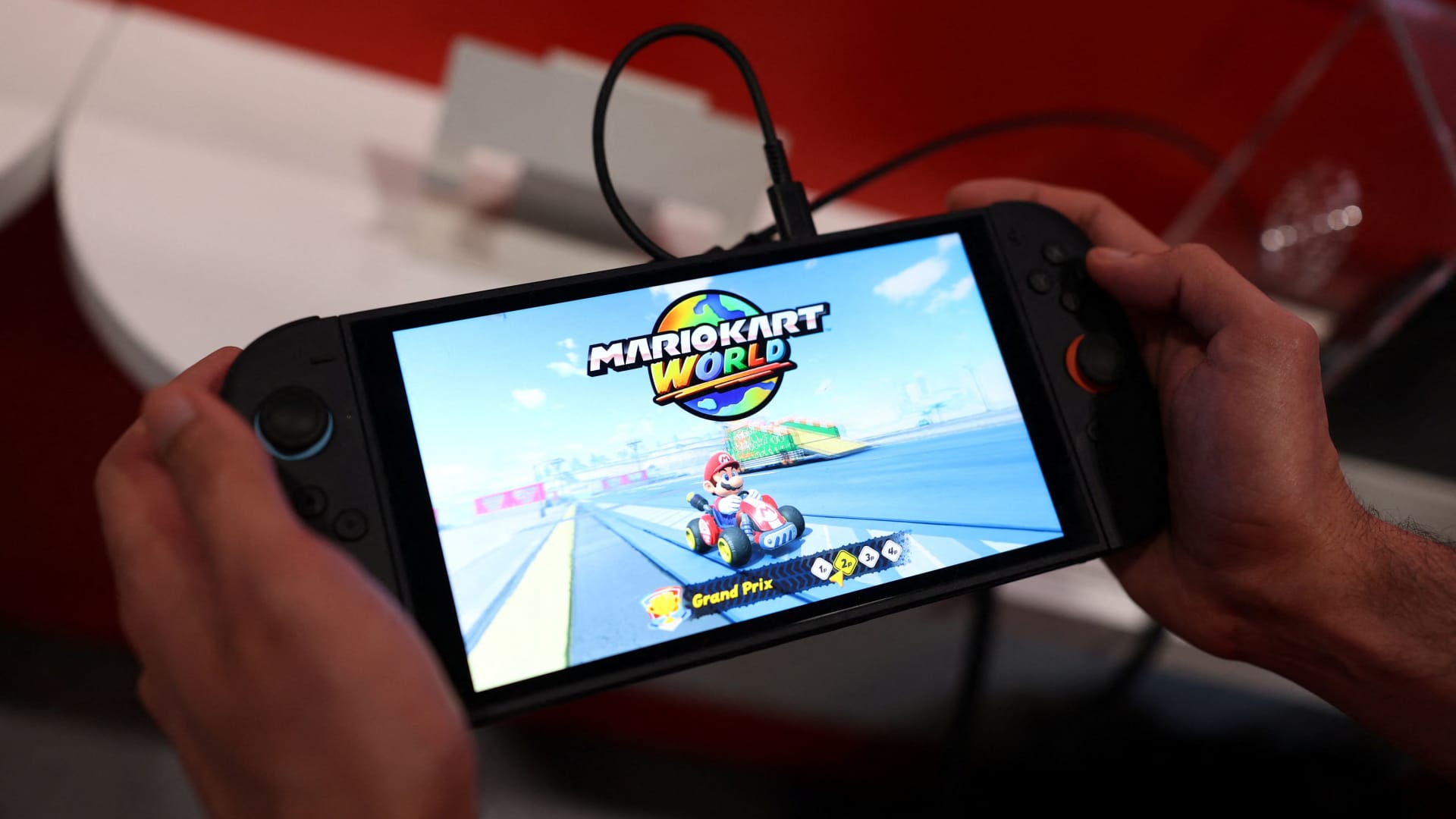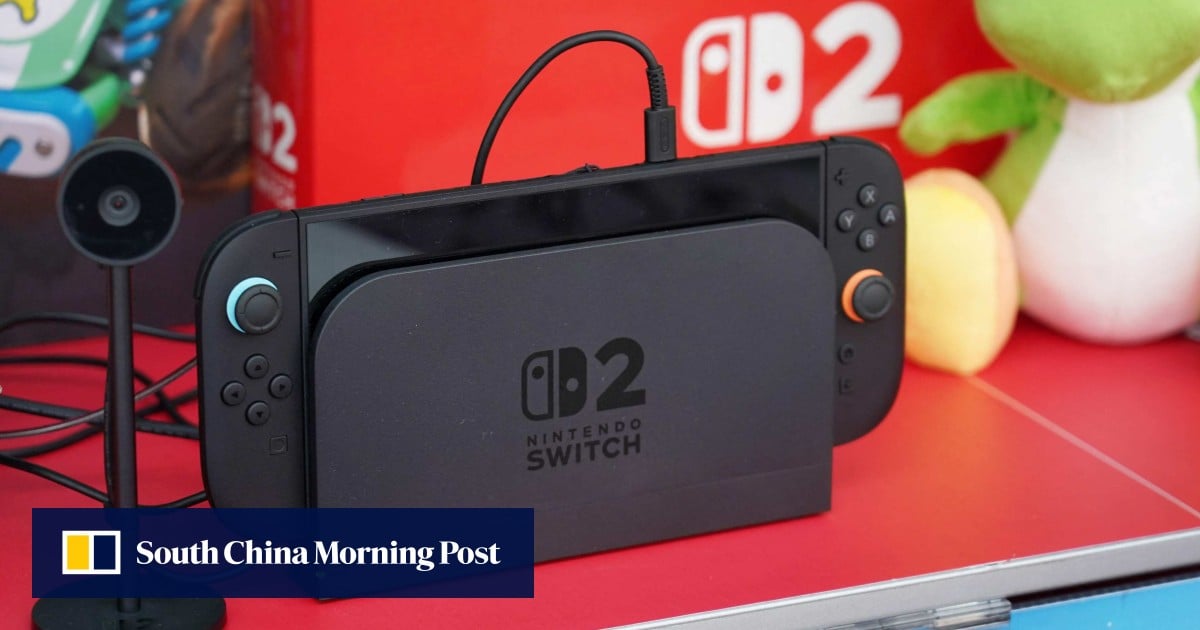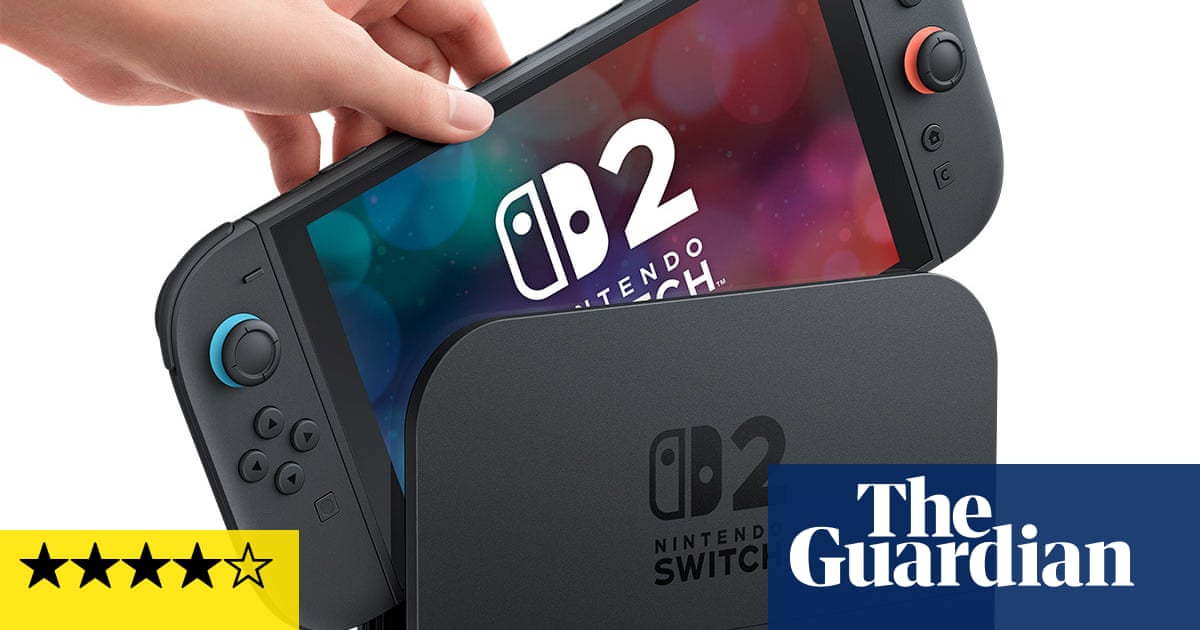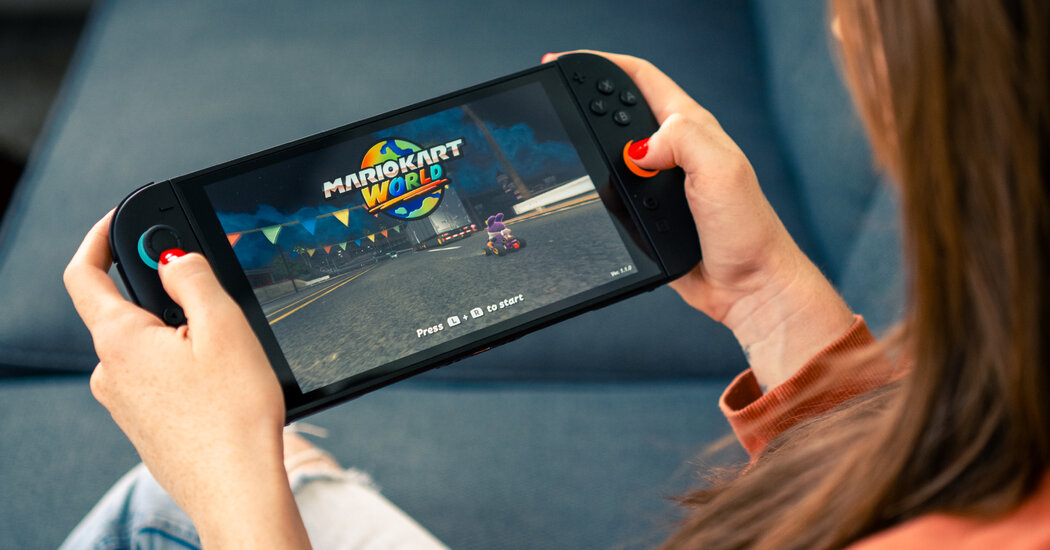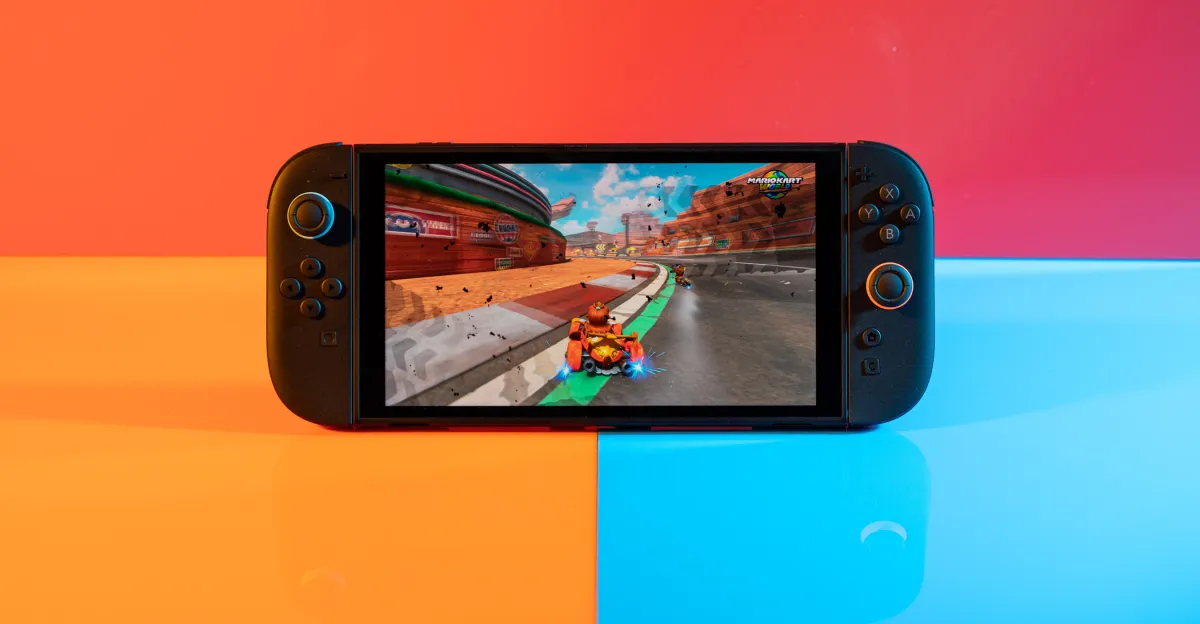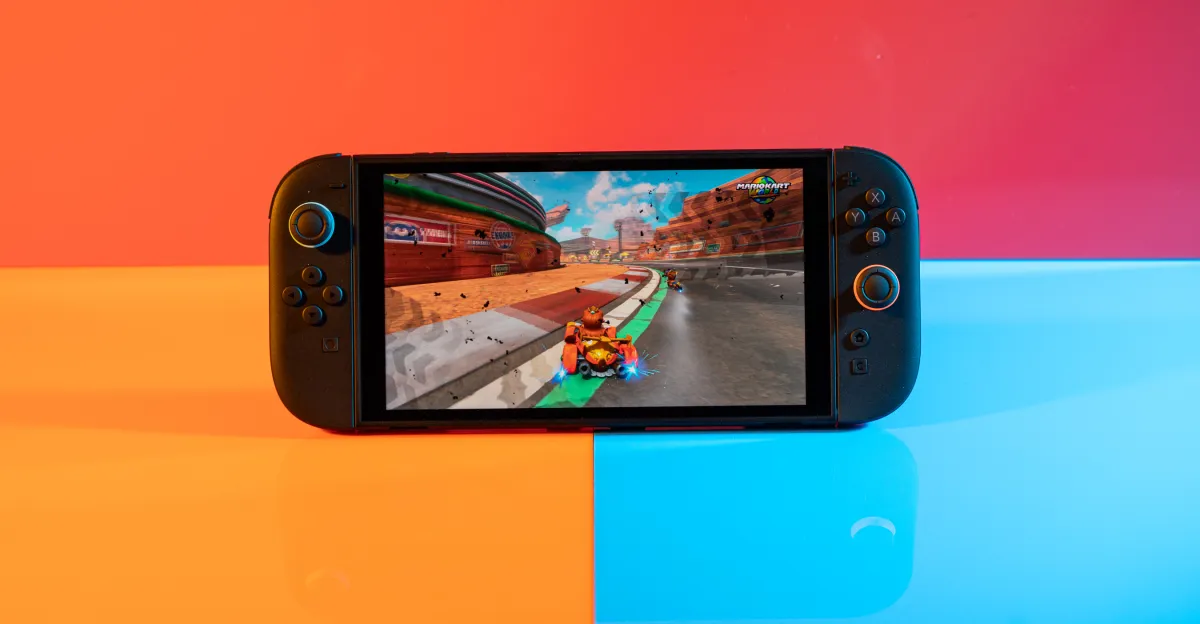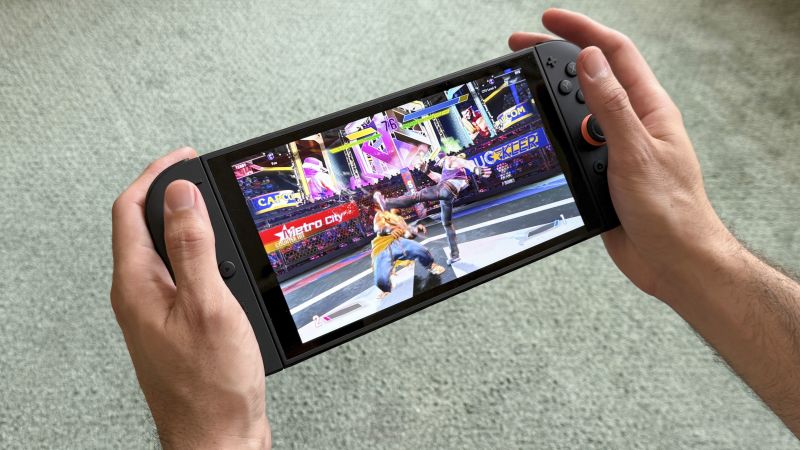
The Nintendo Switch 2 isn’t a revolution; it’s simply a newer, better Nintendo Switch. And I don’t mean that in a bad way. Over the past year with Nintendo’s console, I’ve smashed my way through the colorful underworlds of “Donkey Kong Bananza” on an airplane, practiced my “Street Fighter 6” combos at my coffee table and drained countless three-pointers in “NBA 2K26” on my TV, and the system’s titular ability to switch between all three styles of play feels as novel now as it did when the original dropped in 2017. When you factor in meaningful improvements like better controls and smooth 4K gaming, it’s hard to blame Nintendo for simply making one of the best consoles ever a little better.
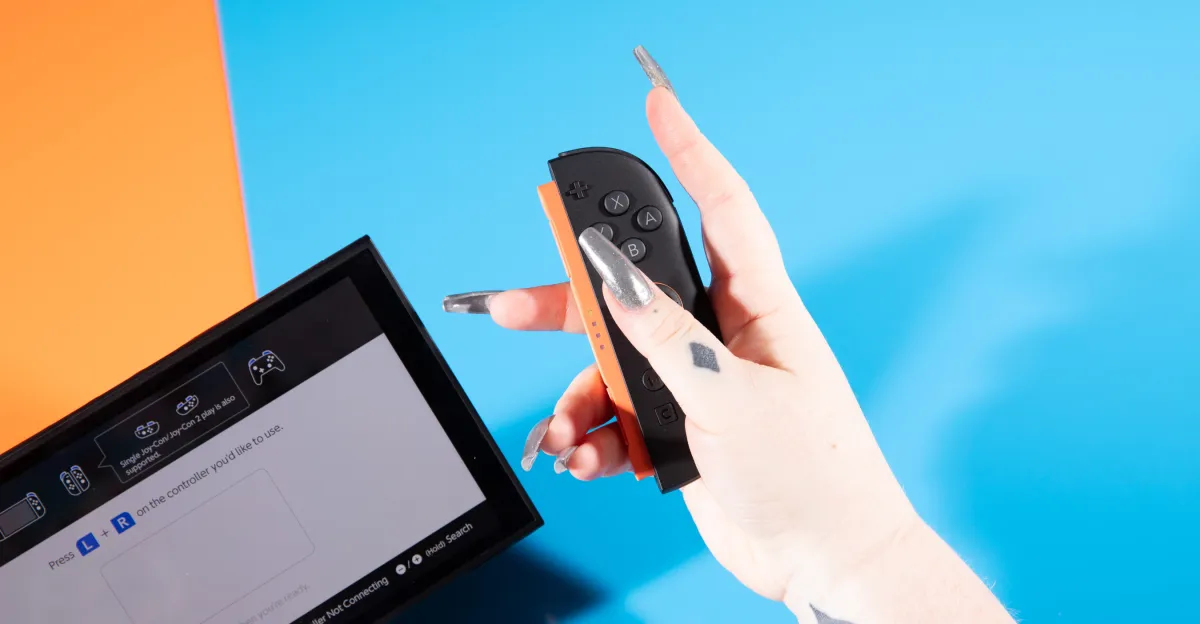
That’s not to say the Switch 2 doesn’t deliver moments of novel Nintendo magic. Playing “Fortnite” using your Joy-Con as a mouse is a game changer, and being able to seamlessly hop into an online video chat without a microphone in sight is arguably even cooler. And while its game library was a bit sparse to start, it’s since grown to include some all-time great Nintendo games as well as some excellent ports of titles that your PlayStation and PC friends have been raving about for years.
But does that all add up to a package that starts at a hefty $450 and is only set to get more pricey? And what’s the real expense when you factor in the ballooning price of games and storage? After playing the Switch 2 obsessively for the past year, I’ve got answers for you.