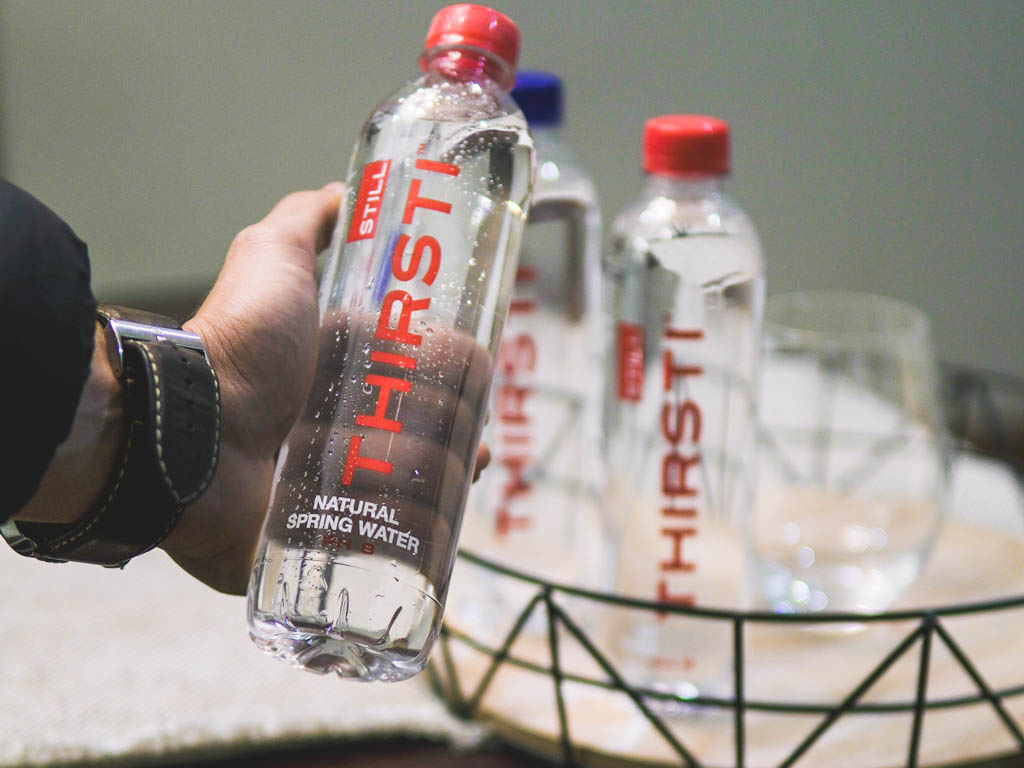
Environmental justice groups have questioned Thirsti’s groundwater abstraction at its KwaZulu-Natal facility, alleging use beyond its authorisation as the company seeks a water use licence from the department
Environmental justice groups have questioned the legality of groundwater abstraction at bottled water producer Thirsti‘s KwaZulu-Natal facility, alleging that the company has for years extracted water beyond the limits of its existing authorisation while awaiting the outcome of a water use licence application.
The allegations, made by the Sisonke Environmental Justice Network (SEJN) and All Rise Attorneys for Climate and Environmental Justice, centre on Thirsti’s bottling operation in Normandien near Newcastle and have prompted calls for the department of water and sanitation (DWS) to investigate.
All Rise and the SEJN argued that Thirsti’s existing general authorisation permits abstraction of only 36 000 cubic metres of groundwater a year from a single borehole. “It does not cover any of the other seven boreholes or the total abstraction volume of 281 371 m³ per year,” they said.
The groups allege only about 13% of current use falls within the authorisation, with the remainder unlawful. They further claim the authorisation excludes boreholes within 500m of a wetland and that Thirsti’s own reports show all eight boreholes fall within that buffer zone.