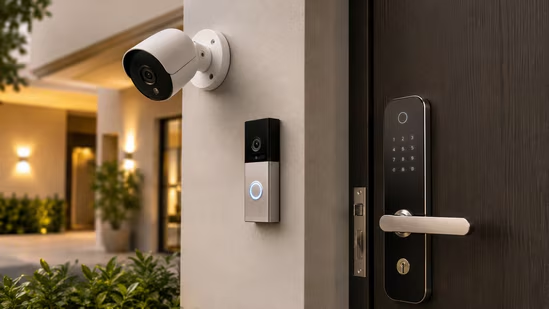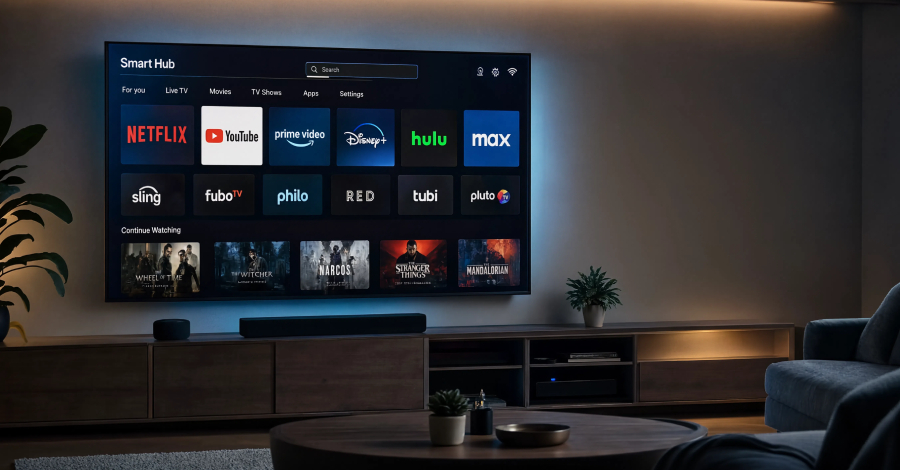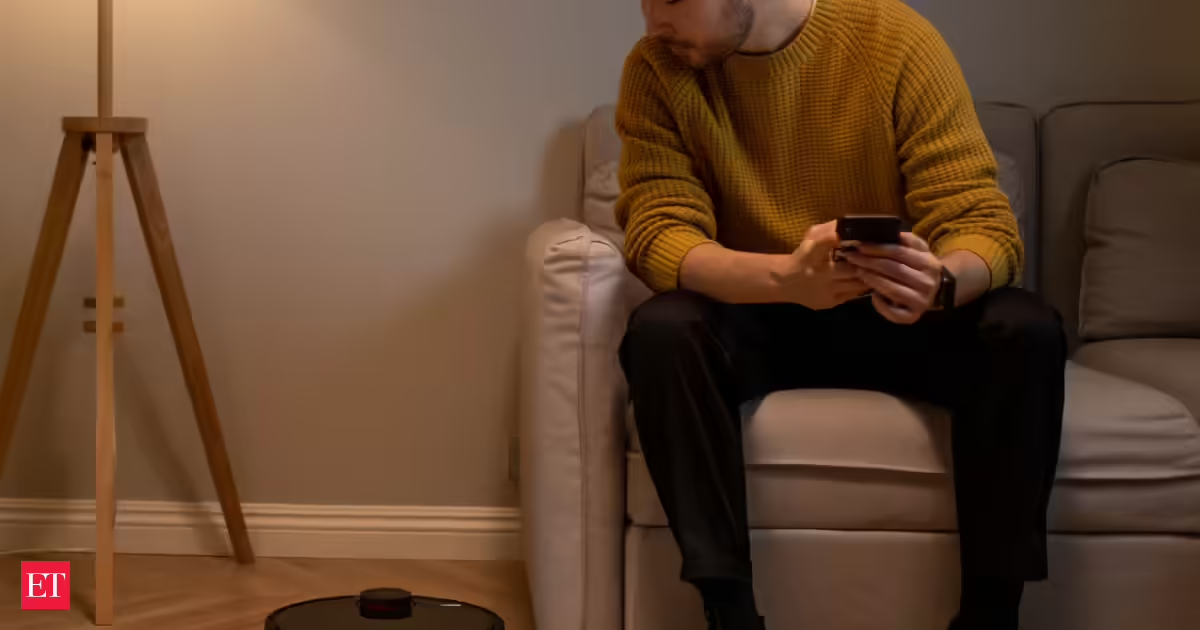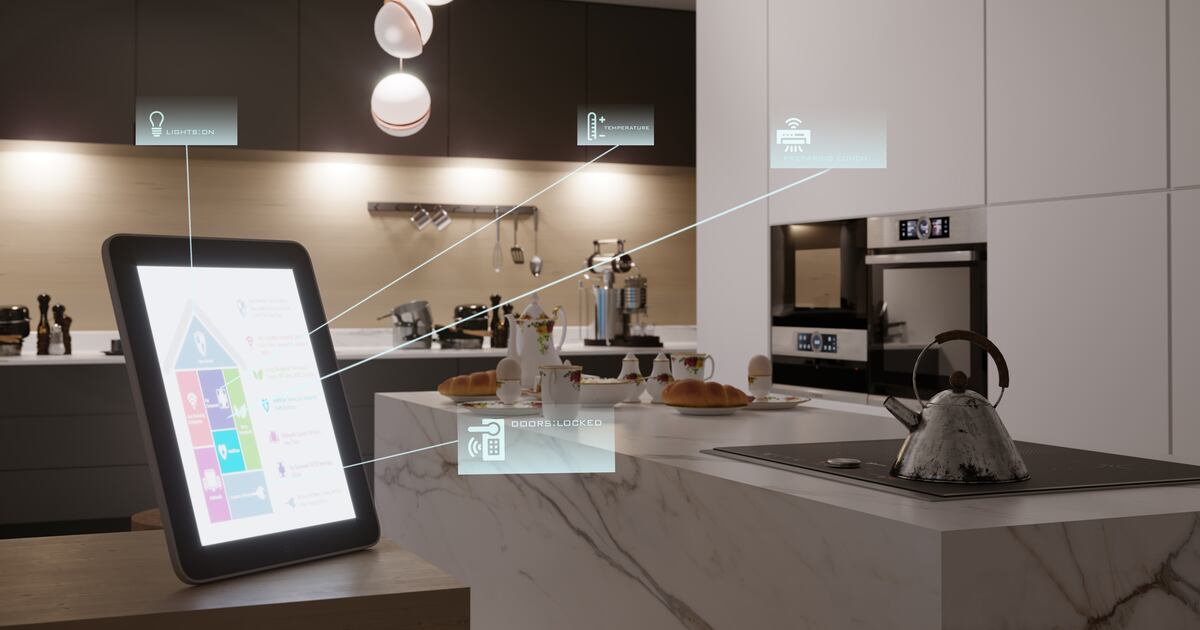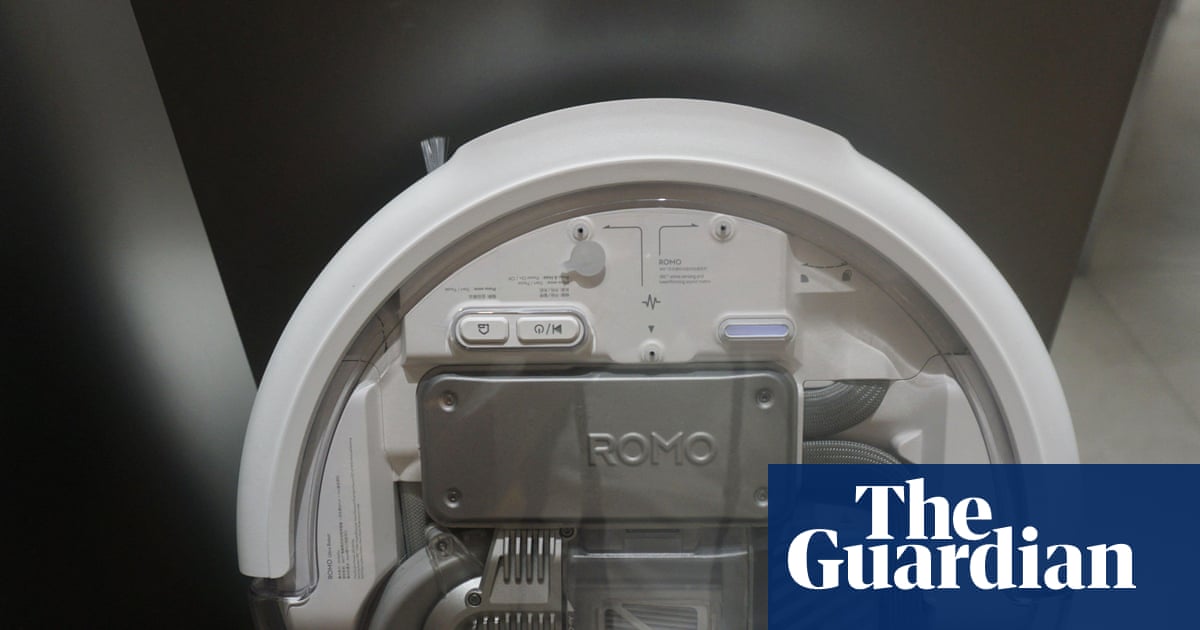
Most developers I know have locked-down laptops — password managers, 2FA everywhere, encrypted drives. Then they go home and have a robot vacuum with a cloud-synced floor plan of their apartment, a smart TV that screenshots their screen every few minutes, and a doorbell camera on default settings.
The home network is the gap. Here's a device-by-device audit you can run in 30 minutes, with the specific settings to change on each platform.
The Problem: Smart Home Defaults Are Set for Data Collection, Not Privacy
Every smart home device ships with a companion app and a terms of service most people skip. The defaults in those apps are almost universally set to maximize data collection — because that data has value to manufacturers, advertisers, and in some cases, third-party brokers.
A few concrete examples before we get into the audit: