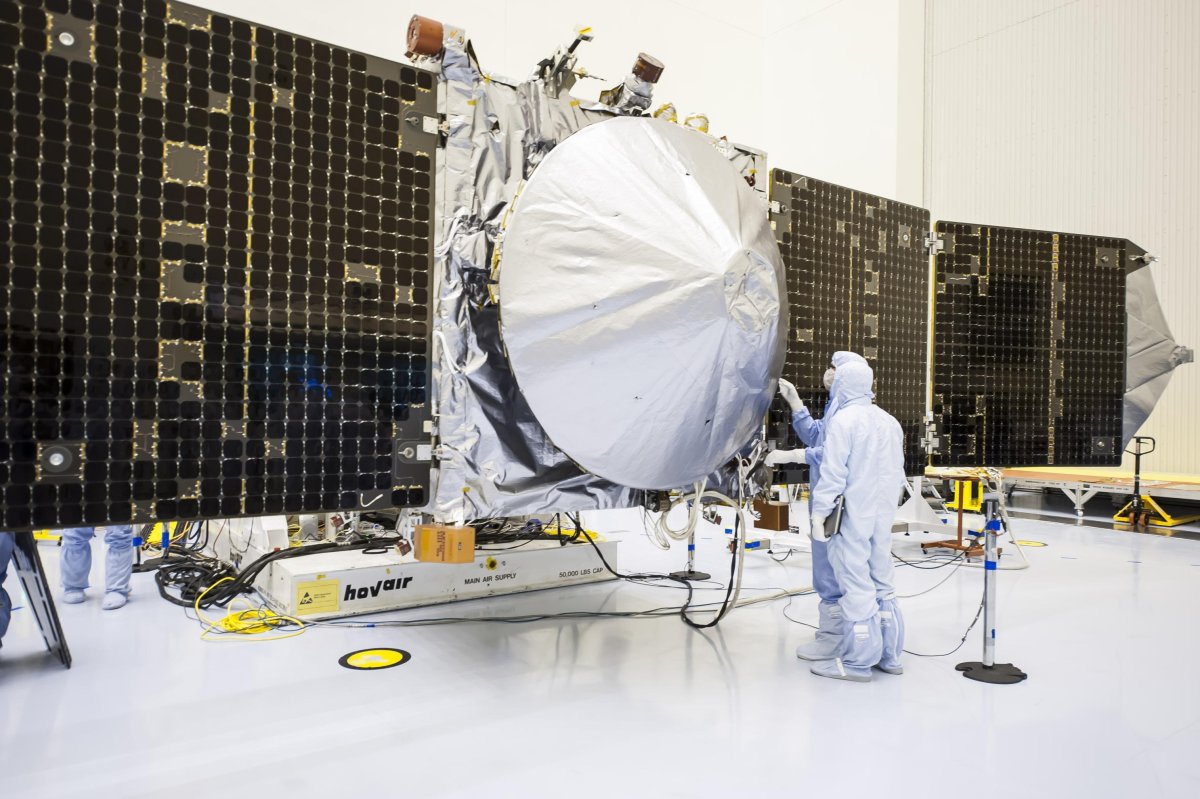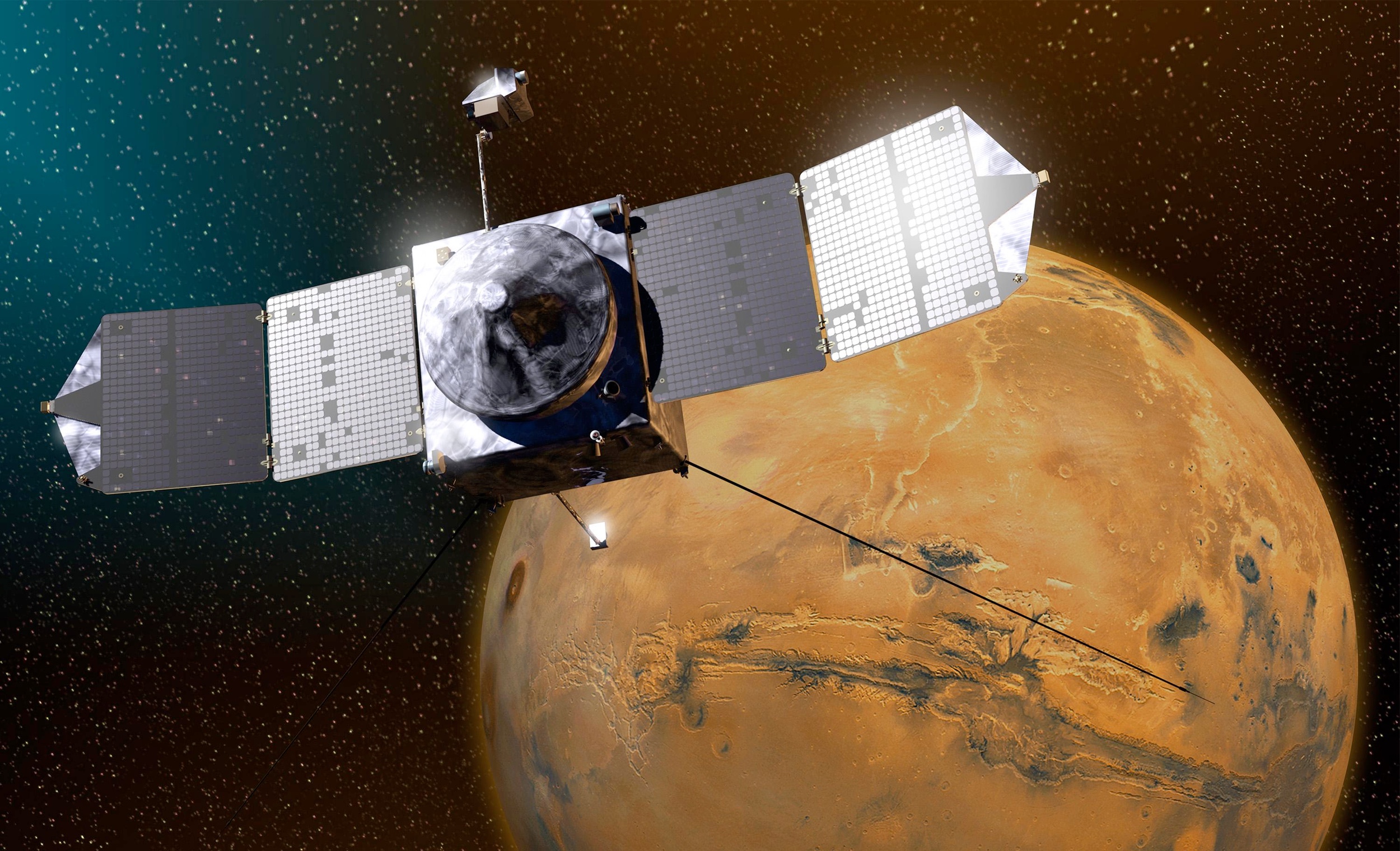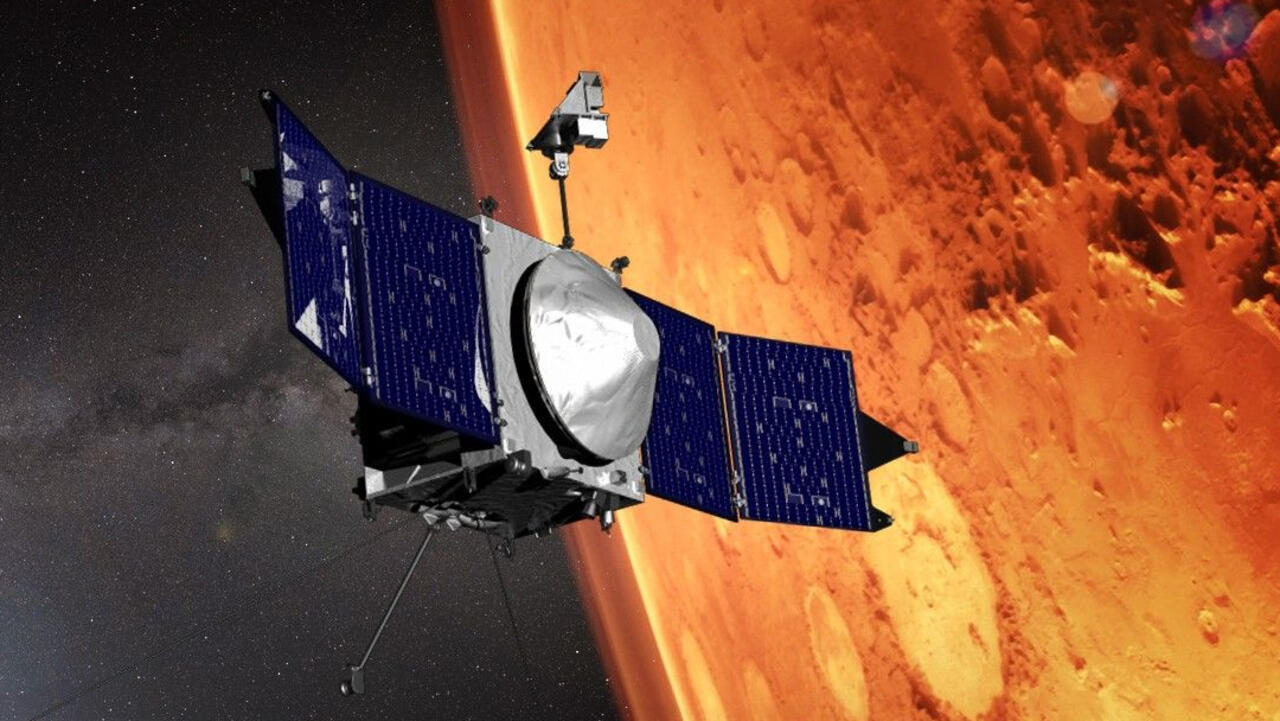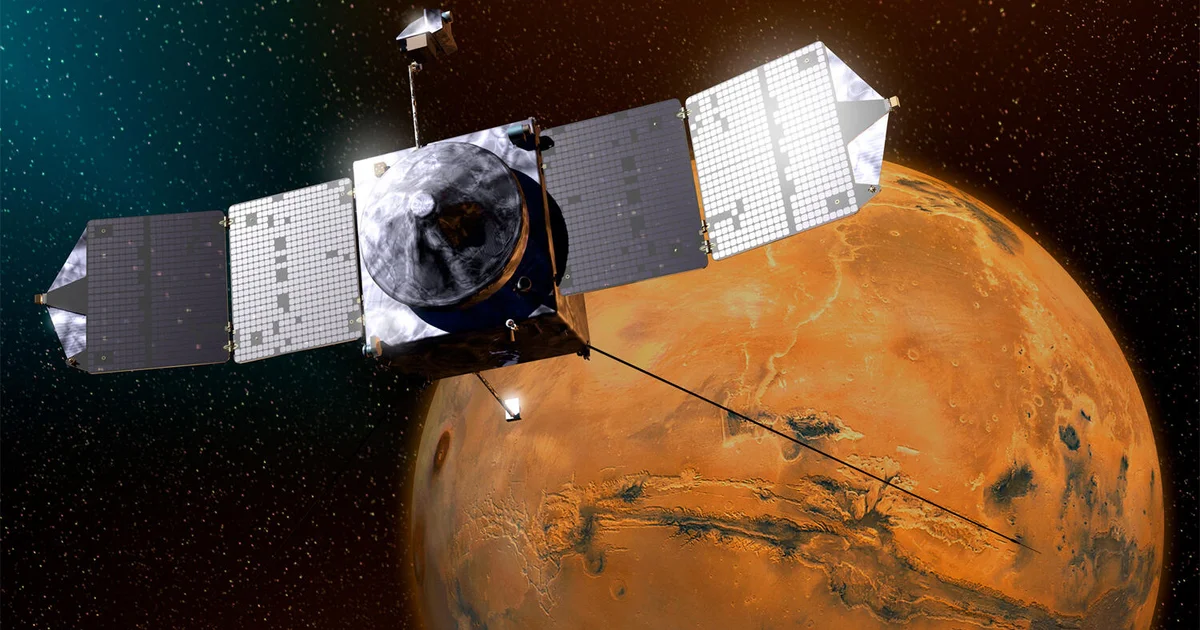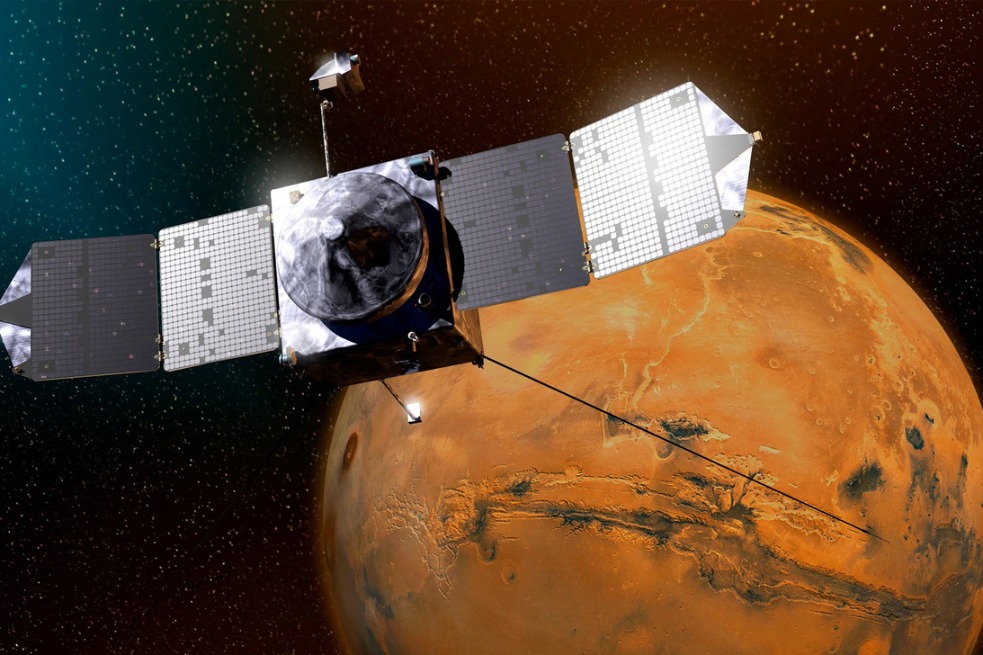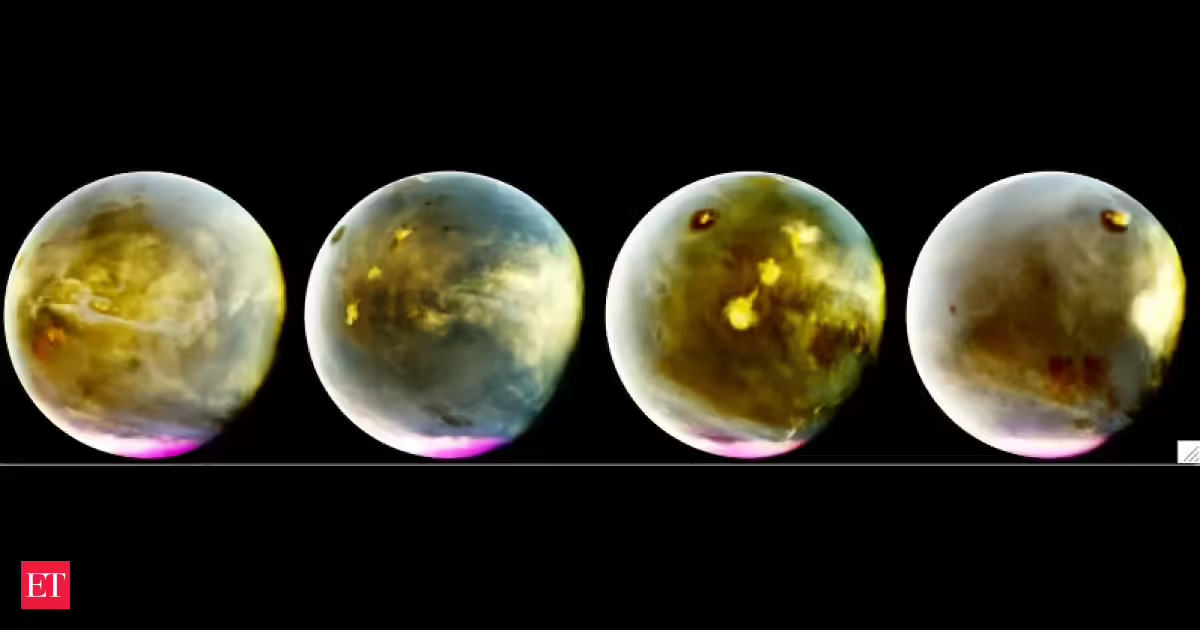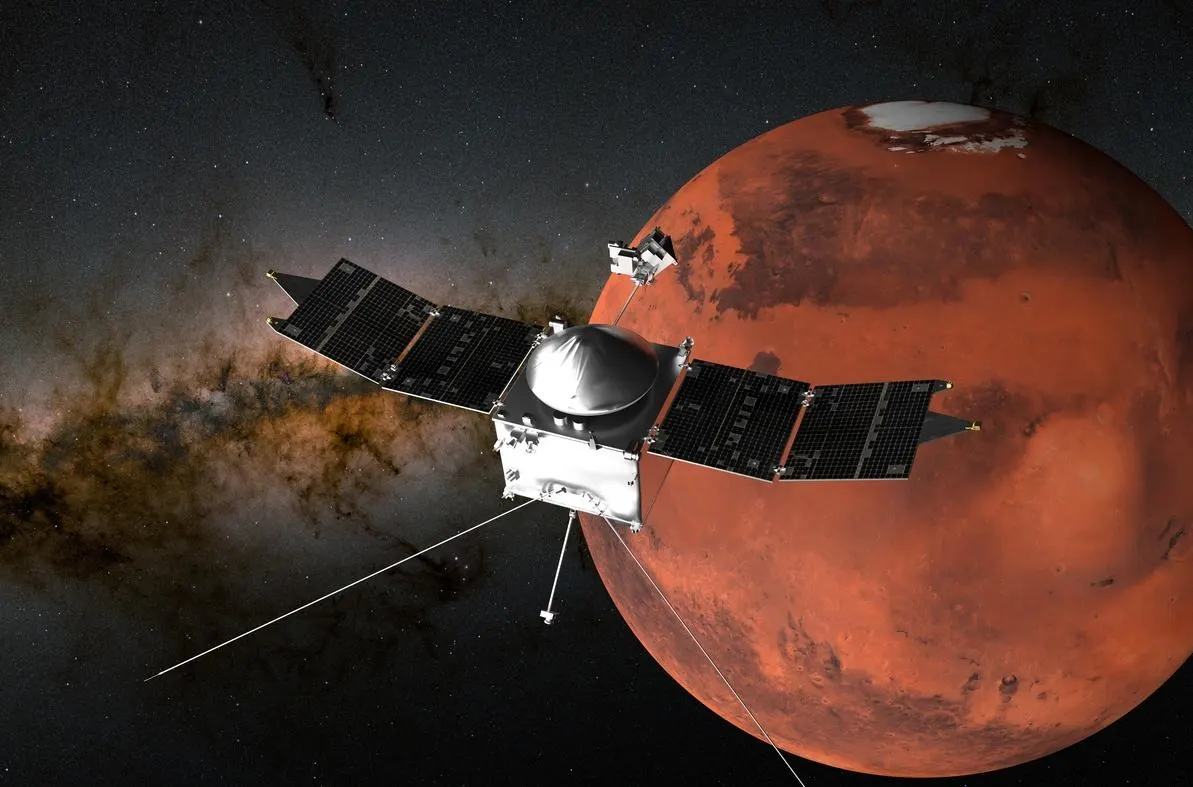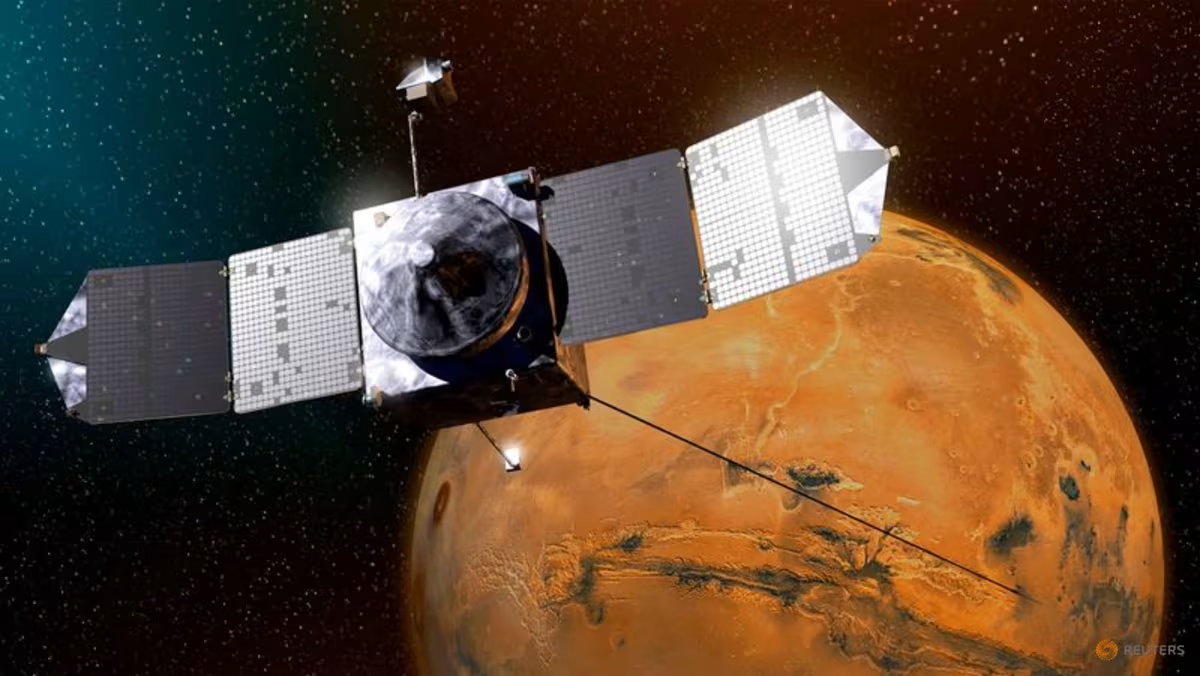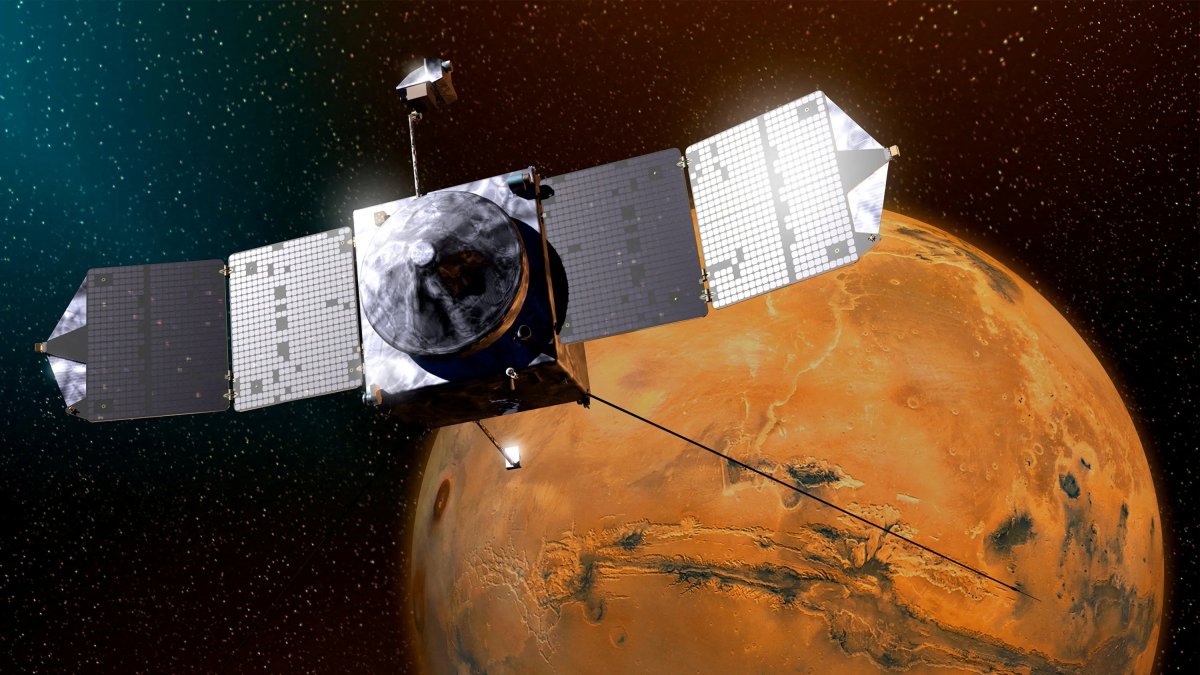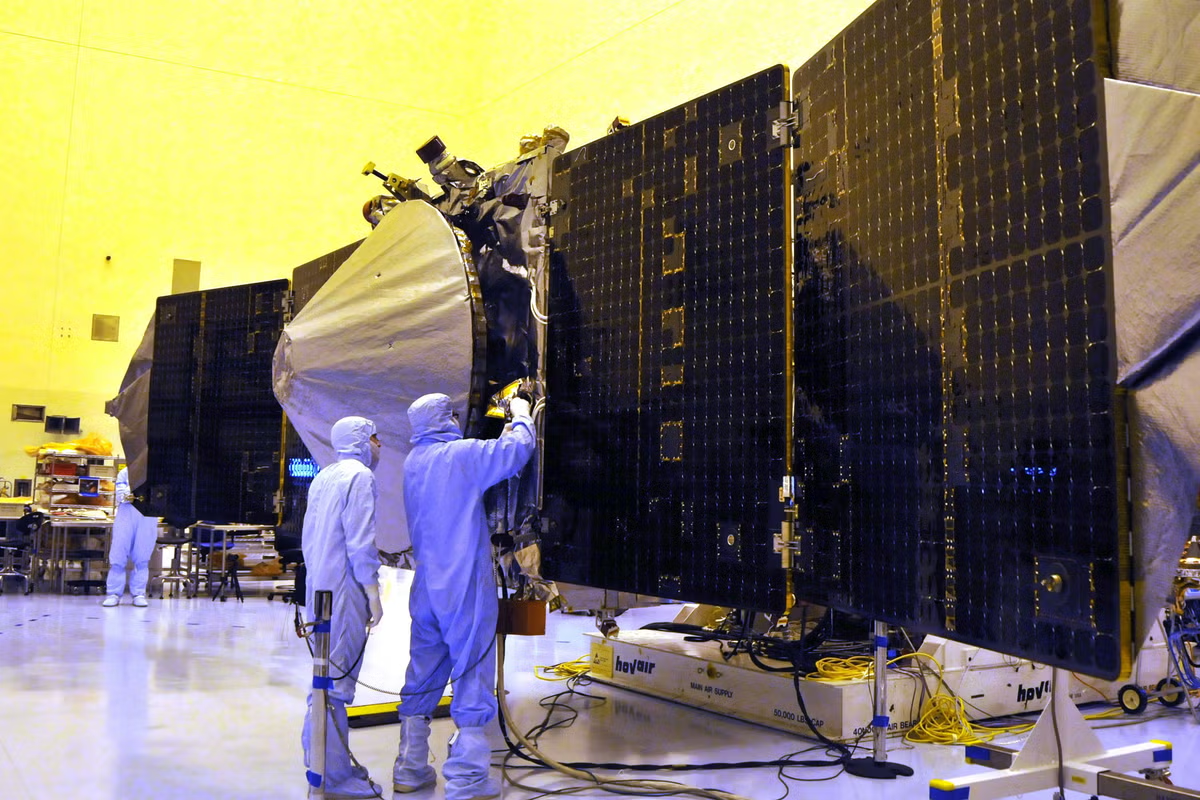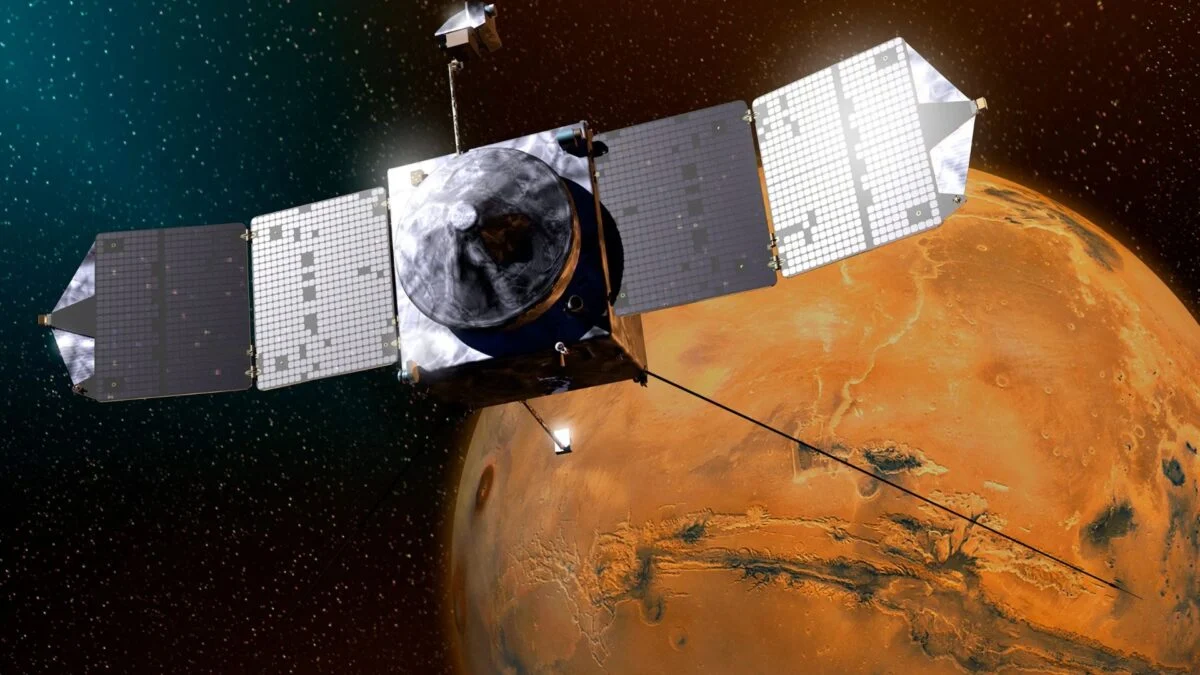
After more than a decade in space, a vital Mars satellite suddenly went dark in December. NASA has spent the last six months trying to reestablish contact with the orbiter, but now, the agency has finally thrown in the towel. NASA formally ended the Mars Atmosphere and Volatile Evolution (MAVEN) mission on Wednesday, explaining that the spacecraft is “not recoverable” and is “no longer capable of performing its science and data relay mission.” This is the update the planetary science community has been dreading for months. The data MAVEN collected over its 11 years in Mars orbit significantly advanced our understanding of the Red Planet, helping researchers unravel the mystery of how its ancient water and atmosphere depleted. “The science MAVEN has given us is key to informing what kind of radiation protection and safety measures we must take before sending humans to Mars,” Louise Prockter, director of the Planetary Science Division at NASA Headquarters in Washington D.C., said in an agency statement. “The data collected from MAVEN will continue to provide valuable insight into Mars for decades to come.” Gone but not forgotten MAVEN launched in November 2013 and reached Mars less than a year later. Its mission was originally supposed to last one year, but the orbiter remained operational for a decade longer, gathering copious observations of the Martian atmosphere and its evolution.
NASA Just Delivered the Mars Orbiter Update Nobody Wanted to Hear
The agency's efforts to regain contact with the MAVEN spacecraft have culminated in unfortunate news.
591 words~3 min read