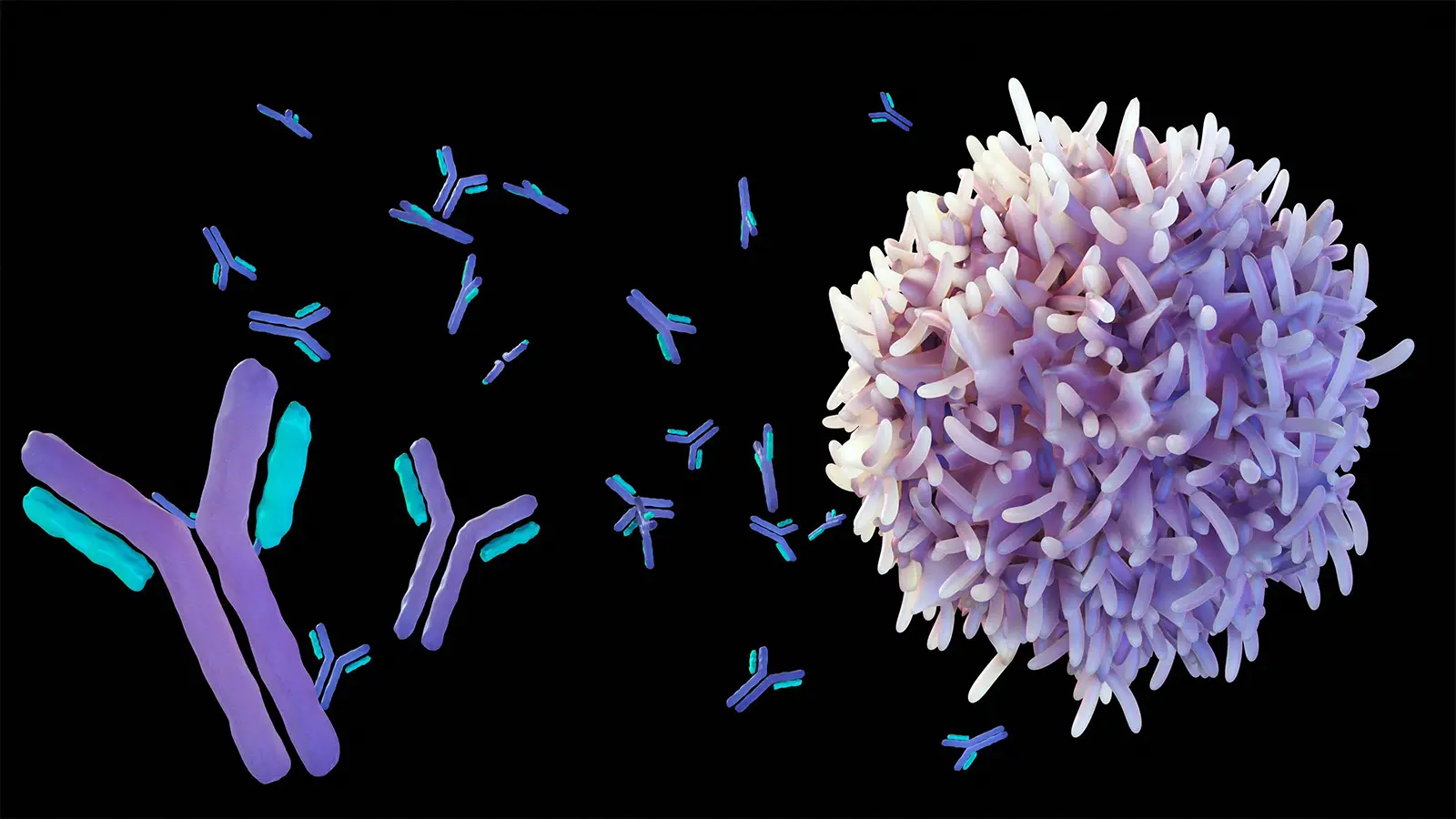
LONDON -- In yet another effort to repurpose oncology drugs for autoimmune disease, a researcher reported here that low doses of blinatumomab (Blincyto) given to patients with treatment-resistant rheumatoid arthritis (RA), while not reprogramming the immune system to a fully normal state, did restore patients' responsiveness to more conventional RA drugs.
Of 15 patients receiving blinatumomab under this protocol, initially all of them obtained some degree of clinical improvement, with 11 achieving ACR50 response (50% reduction in RA severity by American College of Rheumatology criteria), but 14 of the group relapsed after a mean of 5 months, according to Laura Bucci, MD, of Friedrich-Alexander-Universität Erlangen-Nürnberg in Germany.
Some of those 14 were then treated again with targeted disease-modifying anti-rheumatic drugs (DMARDs), usually the same ones they had previously tried and failed -- and this time, a majority showed responses that lasted up to 6 months, she told attendees at the European Alliance of Associations for Rheumatology's (EULAR) annual meeting.
The concept, Bucci said, is called "immune dimming," in that it does not "reset" the immune system to terminate all anti-self activity, as is the goal with chimeric antigen receptor (CAR) T-cell therapy, pioneered a few years ago for autoimmune diseases by Georg Schett, MD, at the same institution. (Schett is a co-author for the current study.)