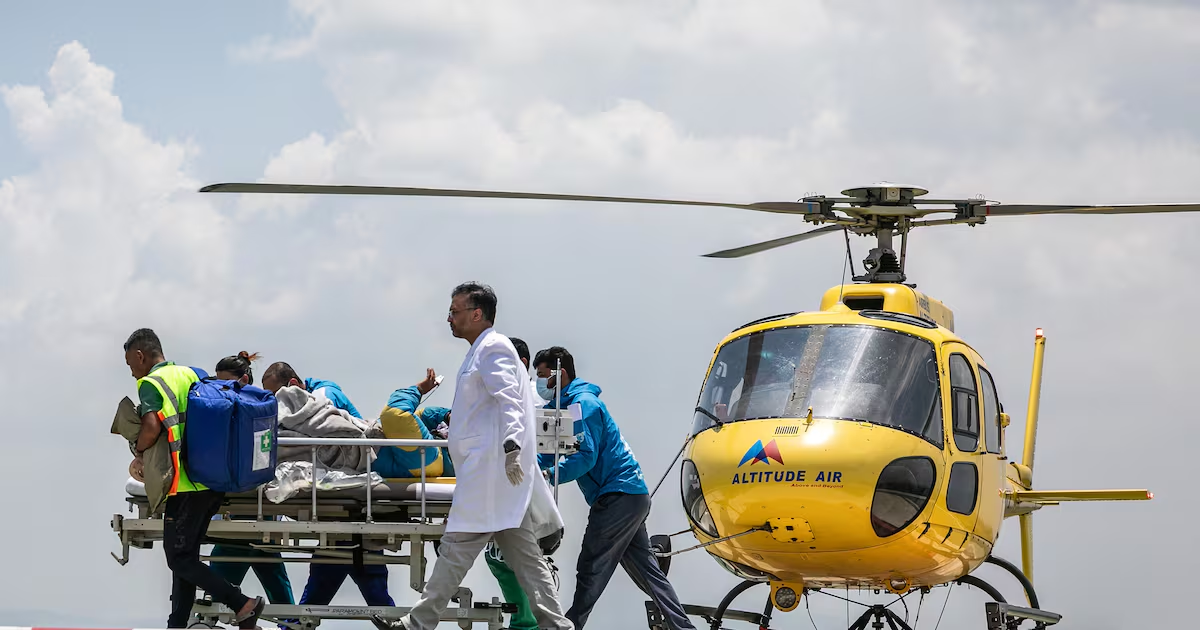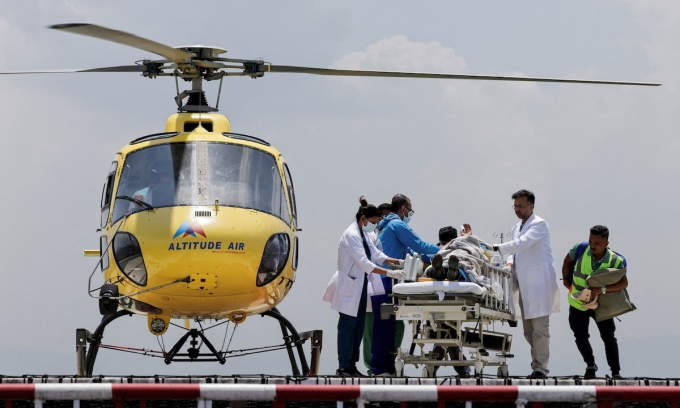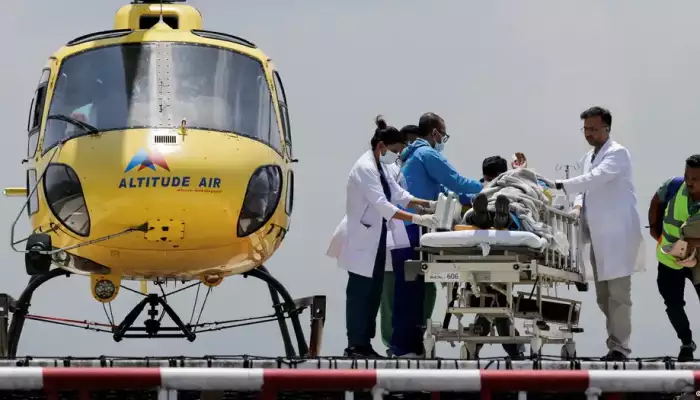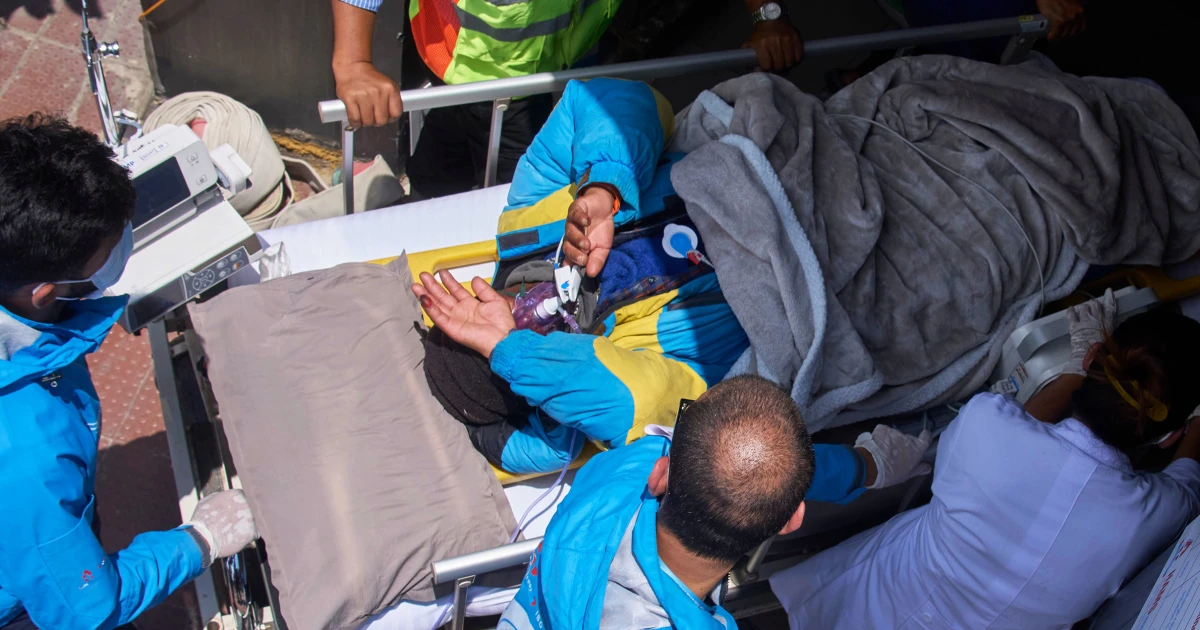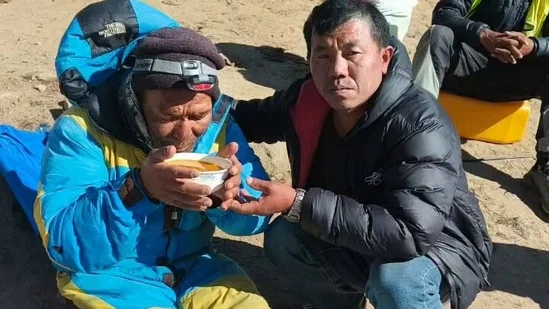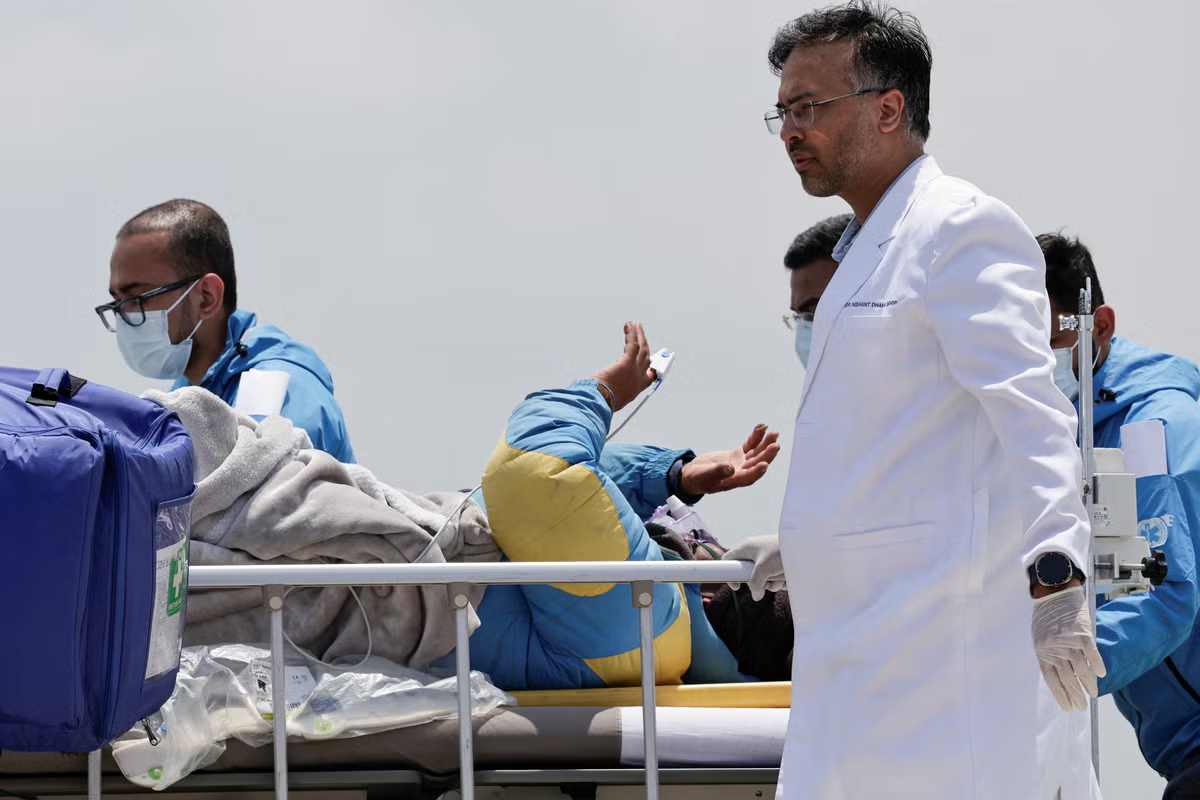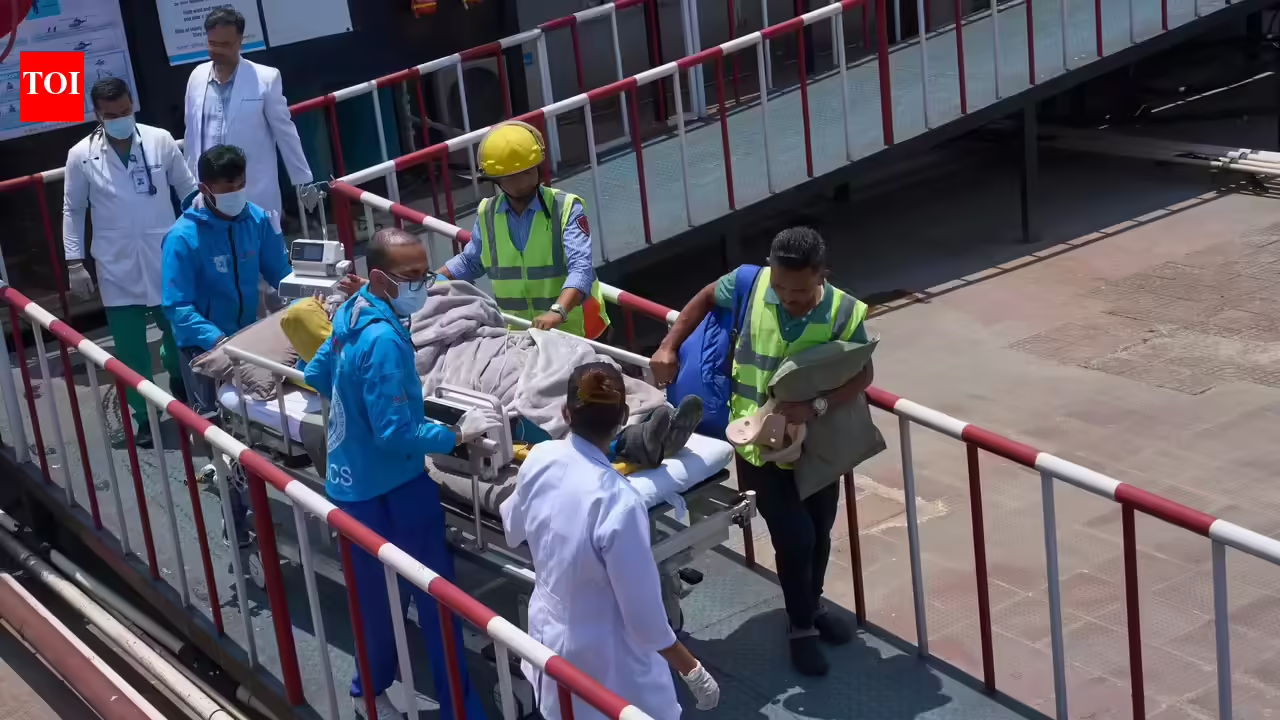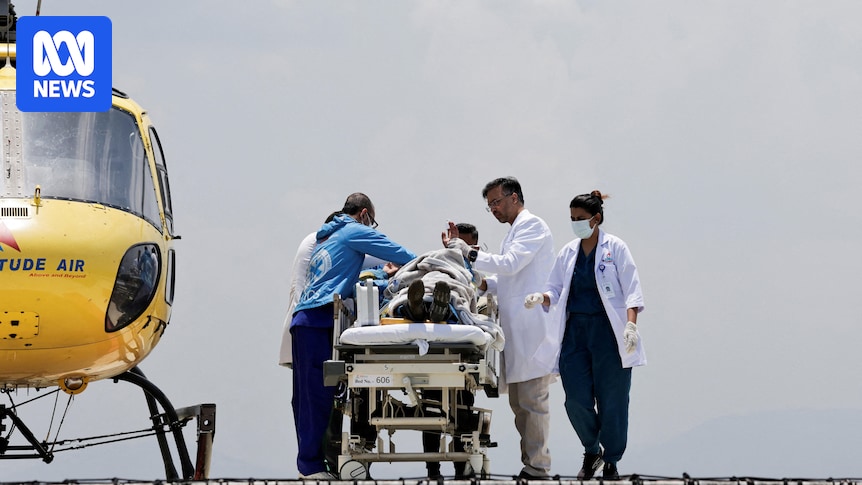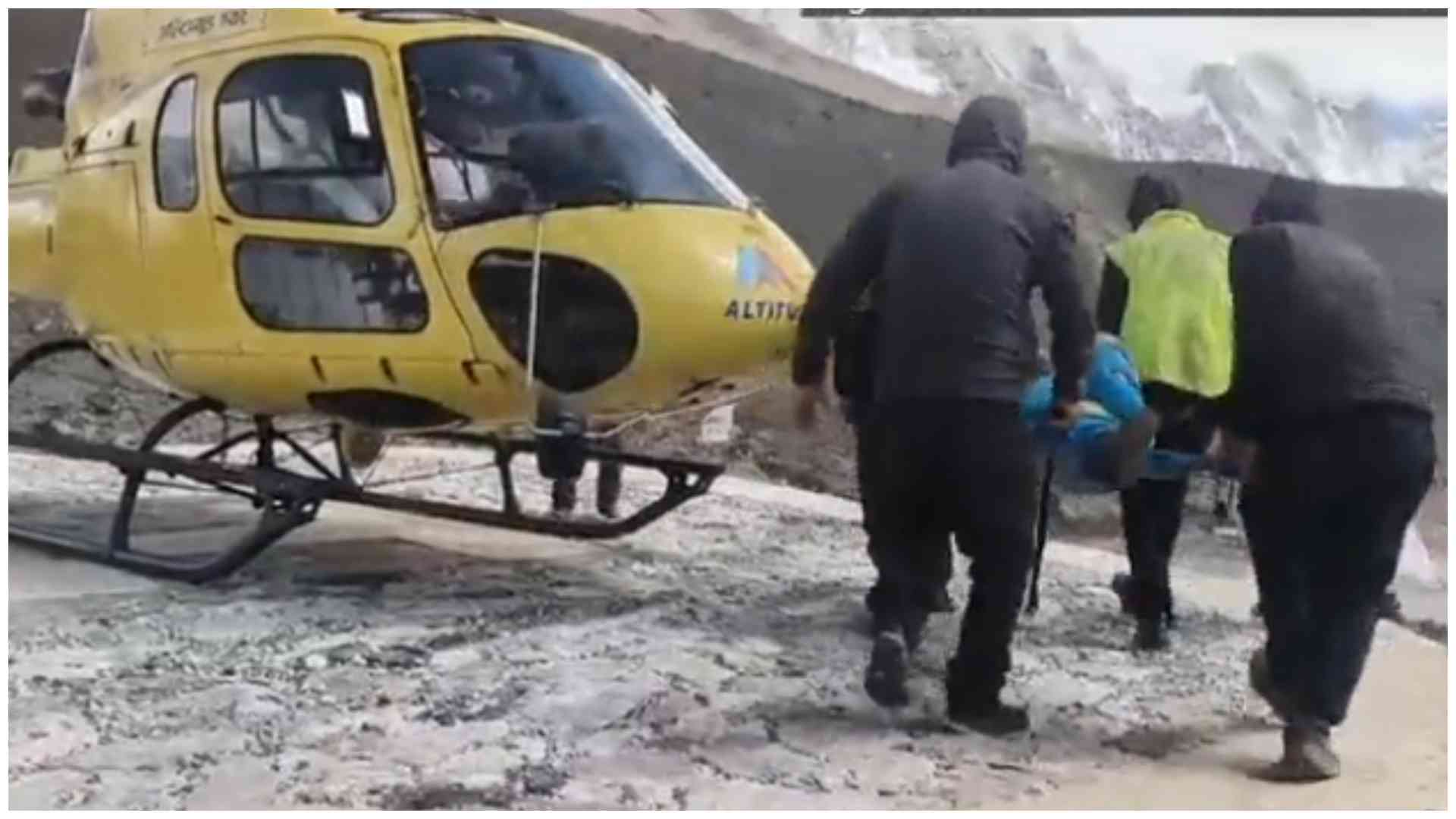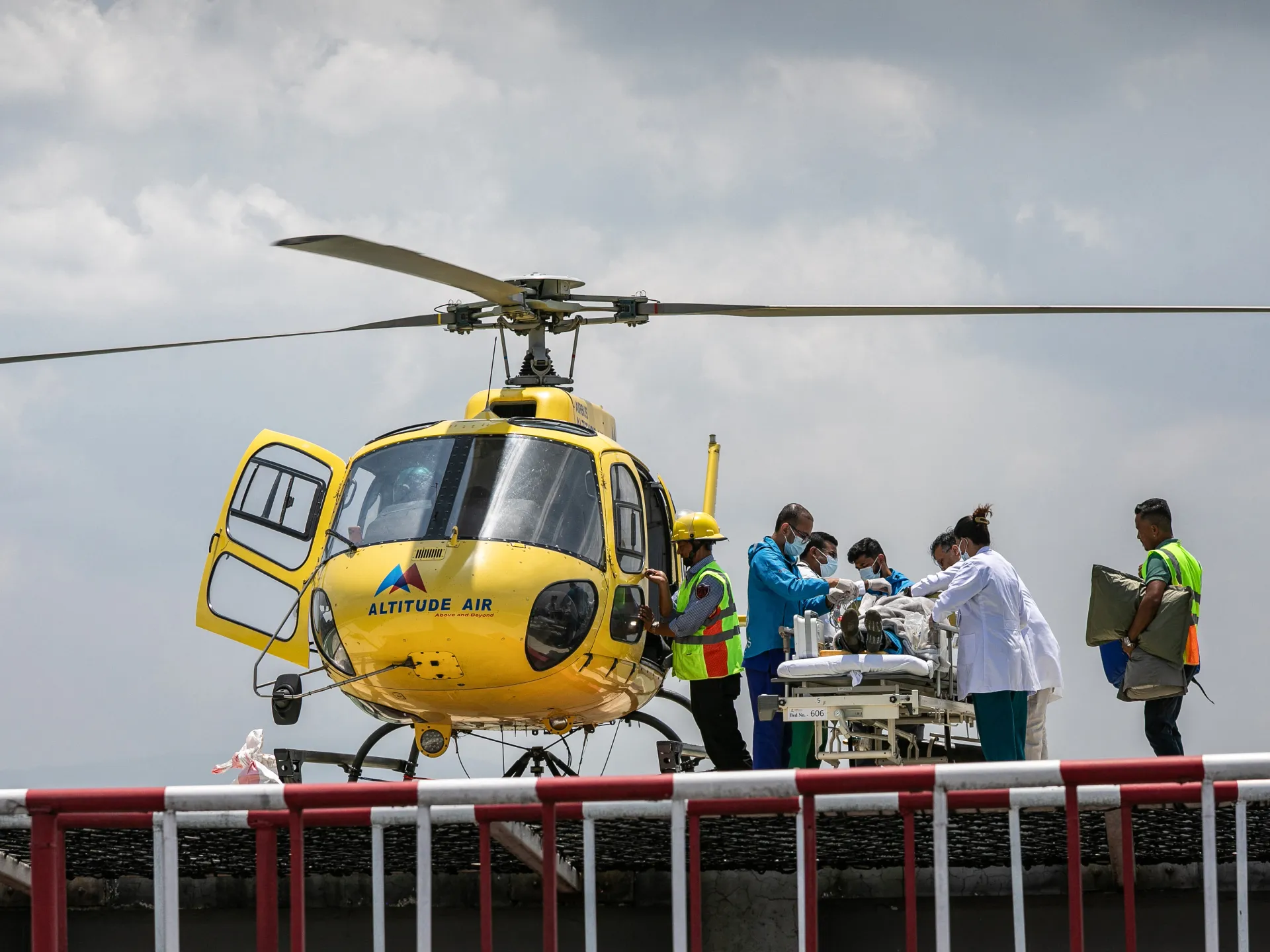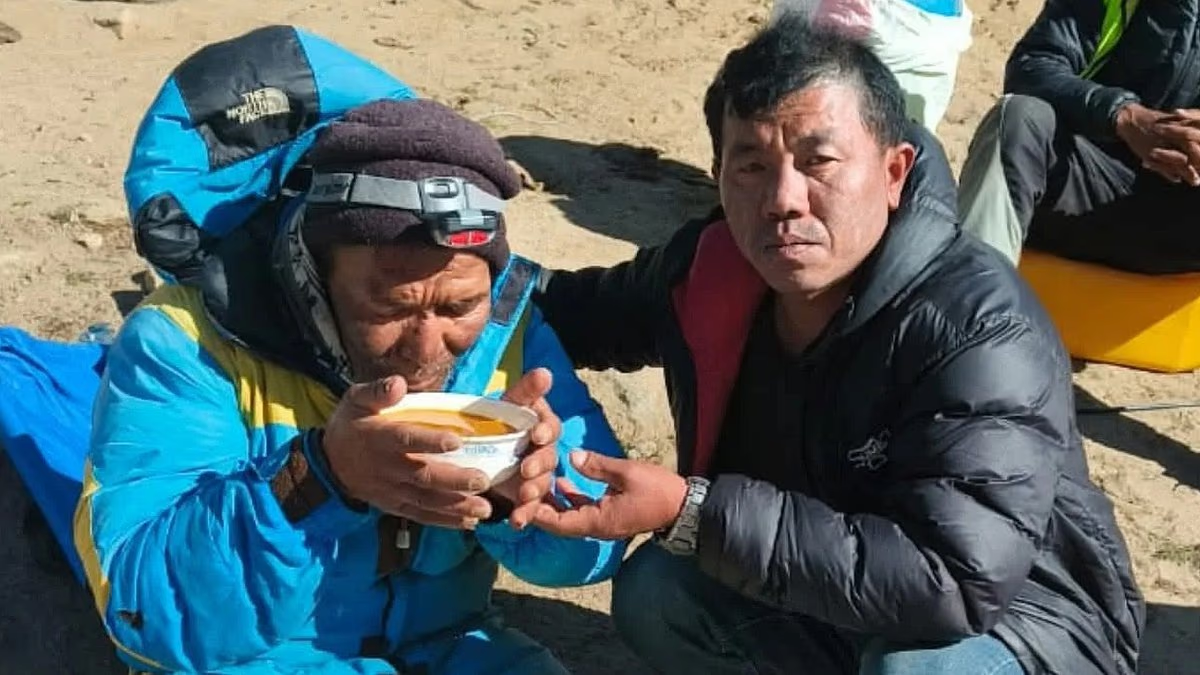
A Nepali Sherpa guide who became stranded on Mount Everest for six days without food or oxygen has been rescued.Dawa Sherpa, 52, was returning with a Polish climber after failing to reach the 8,849-metre (29,032-foot) summit when he went missing between Camp III and Camp IV.The pair were also with a Briton who successfully summited the peak, but told of the extreme conditions which made the expedition take twice as long to complete. Dawa was known as 'Hillary', after the climber Edmund Hillary, and was last seen on May 29 and was presumed to be dead and his wife had even begun to offer last rites prayers for his soul. He had crawled alone almost all the way to base camp and was found near the Khumbu Icefall on Thursday morning by the Sagarmatha Pollution Control Committee (SPCC).'He was found by a team of SPCC this morning close to the base camp - he was crawling down,' said Pemba Sherpa, of 8K Expeditions, which was overseeing search and rescue efforts.A base camp manager for another expedition company said Dawa had survived by eating a 'small packet of biscuits' and ice after losing his bag and boots.Once found, the guide was rescued by helicopter and rushed from the helipad to hospital on a stretcher. Dawa Sherpa, 52, (left) has been found after he became stranded on Mount Everest for six days without food or oxygen The guide was rescued by helicopter and taken to hospital on a stretcherHe is said to be doing well and undergoing treatment for frostbite and other complications.'He is awake and undergoing treatment,' Nishant Dhakal, a doctor in the intensive care unit of Kathmandu's HAMS Hospital, said.'We are managing his frostbites, cold injuries, hydration and trauma. He is being further evaluated and will be in our ICU.'Dawa Sherpa's wife, Damu Sherpa, said her family was overjoyed.'We were very happy to hear the news, we had given up hope. We also began puja [last rites prayers] yesterday.'His daughter, Mendo Lhamu Sherpa, said they almost did not believe it when they received a telephone call to say that he was found.'At first we were not sure if it was him - but they sent us photos to confirm, and then I was happy,' she said.In a social media post, the Nepal Mount Everest hiking company said his survival in the extreme conditions was 'nothing short of a miracle.' Dawa was presumed to be dead and his wife had even begun to offer last rites prayers for his soul He is said to be doing well and undergoing treatment for frostbite and other complications'Dawa survived alone for nearly a week without food, water, or supplemental oxygen navigating the treacherous Khumbu Icefall (even after the fixed ladders were removed for the season).' The stretch between Camp III and Camp IV on Mount Everest is considered to be an incredibly dangerous leg of the climb and requires entering the notorious 'Death Zone.'The area is above 8,000 metres (26,000 feet) and survival is tested by critically low oxygen levels. The body is unable to acclimatise, which can lead to severe physical exhaustion, cognitive impairment, and altitude sicknessClimber Chris Thrall, a former British Royal Marine, said he successfully summited the 8,849-metre (29,032-foot) peak with Dawa around 5.00pm on May 29.He posted a video message on Instagram on Wednesday, paying tribute to his guide, whom he thought was dead.He called him an 'absolute gentle giant of a man and a true tiger of the mountains.'Mr Thrall described how on May 30 he had begun to descend from Camp Four - at around 7,950 metres, just below the low-oxygen 'Death Zone'. Dawa's wife, Damu Sherpa (left), at the hospital where he was receiving treatmentHe said that as he descended, Dawa Sherpa stopped.'He sat down for a rest with his backpack, these guys carry huge loads,' he said.'And I turned and I said, "Hillary, are you okay, brother?" He said, "Yes, yes, fine Chris, please go, go!" This is nothing new, you know, I'd go ahead, he'd go ahead.'As Mr Thrall went down, he found a Polish climber who was struggling after running out of supplementary oxygen and had suffered frostbite.'It had been a long summit push. What should have been five days to the summit and back took us 11 days, that's how challenging the conditions were,' said Mr Thrall.'So, do I go back for Sherpa, who's probably going to rock up and be fine, as he has done hundreds of times before?'Or do I help my fellow climber, who's got no oxygen, frostbite in his fingers, and obviously you're never far off hypothermia up there?'Mr Thrall described tough conditions, sharing his oxygen cylinder with the Polish man as they descended, taking 11 hours to get to Camp Three - which typically takes only two hours.'I realised we had a really serious situation,' he said.The climb was one of the last of the season, meaning that there were few other mountaineers on the peak.A record number of more than 1,000 climbers and their guides scaled Everest this season, with the government issuing 494 permits. Five climbers and guides died on Everest this season, officials said.Many climbers were stranded at base camp after a towering block of glacial ice delayed the opening of the route to the world's tallest peak in April.Just last week, a deaf BBC presenter was left stranded on Mount Everest's 'death zone' for several hours after he lost his local guide.Michael Woods, a Sign Language presenter, summited the world's highest peak on Thursday but lost contact with his Sherpa during his descent near the Hillary Step, which sits at nearly 29,000 feet above sea level.After safely returning from his expedition, Woods, 36, took to social media to talk about his ordeal, in which he described the exhaustion and isolation he felt while becoming stranded in the so-called 'death zone', where oxygen levels are critically low.Initial reports suggested Woods had to be rescued at the summit. Still, he has insisted he survived the most dangerous phase of the descent before being reunited with his Sherpa guide halfway down the mountain.
Sherpa rescued after six days stranded on Mount Everest without food
Dawa Sherpa, 52, was returning with a Polish climber after failing to reach the 8,849 meter (29,032 ft) summit, when he went missing between Camp III and Camp IV.
1,016 words~5 min read