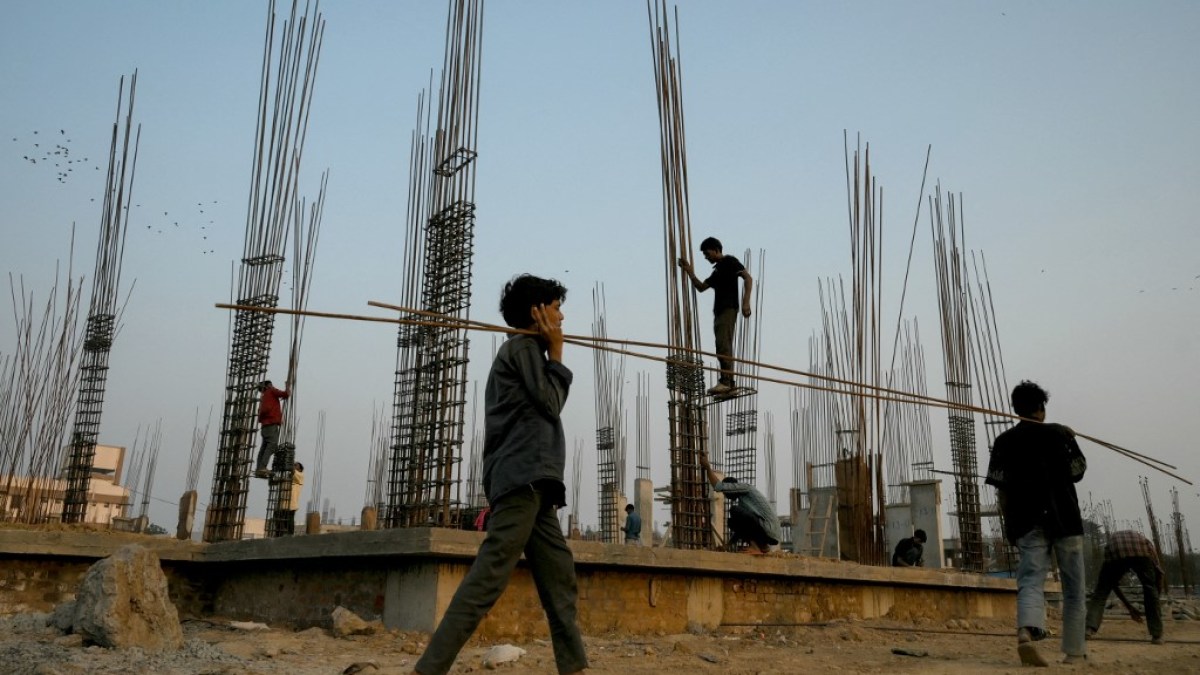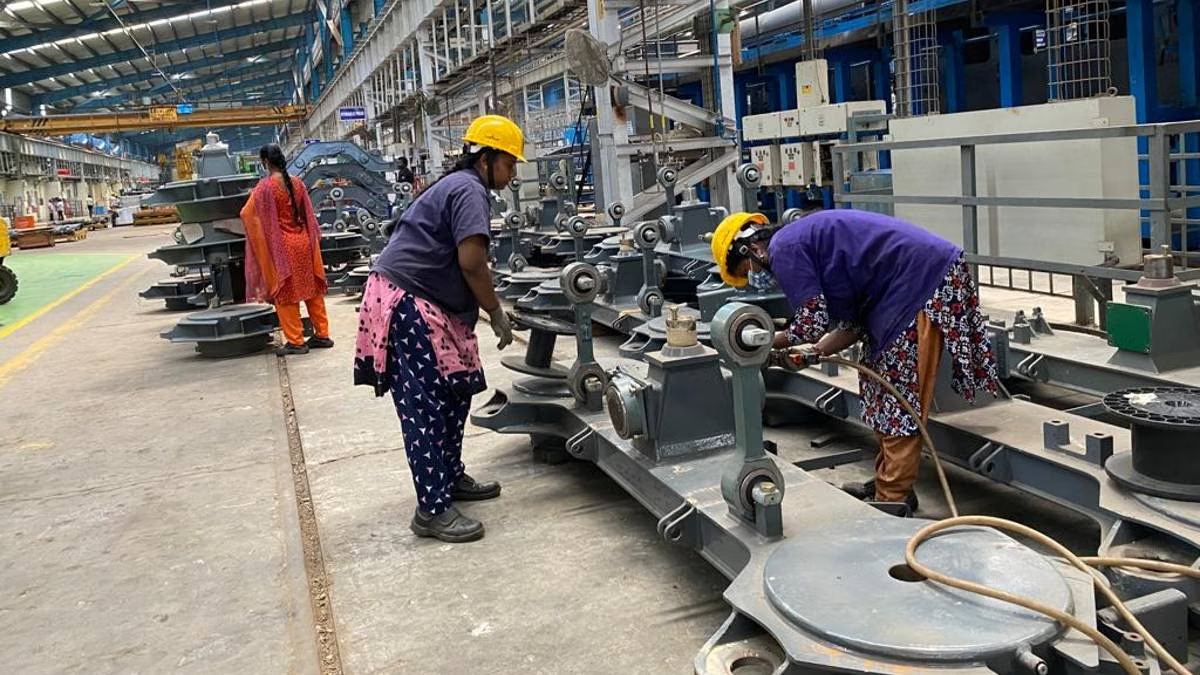
Of the four Labour Codes that came into effect on 1 April 2026, the Occupational Safety, Health and Working Conditions (OSHWC) Code, 2020 is perhaps the most structurally ambitious. India’s pre-existing occupational safety framework imposed meaningful safety, health, and welfare obligations on covered establishments, but the more persistent problem was one of fragmented architecture and uneven reach.
Thirteen separate Acts governed different worker categories and thresholds, leaving many either outside formal coverage or subject to safety standards that existing inspector regimes rarely enforced in practice. The OSHWC Code thus is less a response to absent standards than to their uneven applications as it subsumes sector-specific legislation covering factories, mines, plantations, docks, construction, beedi and cigar workers, journalists, contract, and migrant workers under a single mandate. The rationale is compelling in principle: simpler compliance lowers entry costs and increased licensing thresholds draw more firms into the formal economy, broadening the base of regulated employment. The implications, however, are more equivocal.
Key legislative changes under the OSHWC Code
The changes to the employment thresholds are the most consequential features of the OSHWC Code. It does not apply a single uniform threshold but uses different tiers by worker-counts. The factory definition threshold doubles from 10 to 20 workers for premises using power. The contractor licensing threshold rises from 20 to 50 workers, with license validity extended from one to five years. Several other provisions represent stated advances over the previous regime. The standardisation and digitisation of employment documentation regardless of sector, annual health examinations for all workers above the age of 40, migrant portability, extension of night shifts for women, gender-inclusive facilities, and mandatory safety committees, all connotate procedurally meaningful progressions. The Shram Suvidha Portal now handles registration, returns, and accident reporting. Certificates are auto-generated within seven days if unprocessed. The Inspector-cum-Facilitator replaces the old inspectorate cadre, with cross-designation across all four Labour Codes and a mandate for risk-based rather than complaint-based inspection. State-level implementation