Mention of Brazil’s ‘market reserve policy’ is still capable of sending a chill through technology enthusiasts of a certain age. Introduced in the 1970s, when the country labored under a military dictatorship, the policy sought to impose a ‘Brazil-first’ approach to new developments in computing and data-processing. Imports of newly popular ‘minicomputers’ were strictly controlled.
It didn’t go well. The country’s ‘own-made’ computers were expensive and often clones of the leading American brands. A black market flourished. And young entrepreneurs were left watching the rest of the world leap ahead in technology.
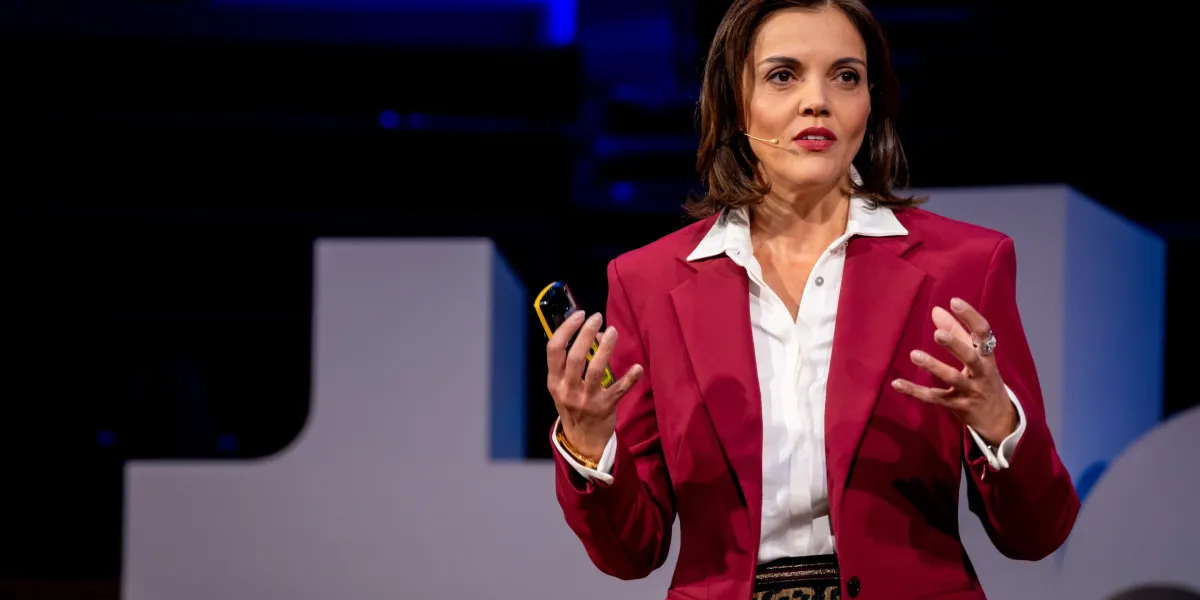
Ana Paula Assis was one of them. Now senior vice president and chair for IBM Europe, Middle East, Africa and Asia Pacific, she told me that the attempt to control the global market for tech was a fool’s errand.
“Achieving sovereignty should not force a trade‑off with the openness and flexibility European organizations need to compete in the age of AI” Ana Paula Assis, senior vice president and chair for IBM Europe, Middle East, Africa and Asia Pacific
“I lived in Brazil during the period of the market reserve policy, which didn’t allow the importation of mini-computers and micro-computers to the country,” she said. “In the early 1990s, when they decided to abolish the policy, we found out how much further behind we were, to the point that you had to really go to the black market. I think we have very practical examples that reservation or protectionism is not the way to go.”