Martinez, California, is about as far as you can get from Silicon Valley and still be in the San Francisco Bay Area. Perched on the northeast edge of the bay, the small city is home to Hello Robot, a startup that itself is about as far as one can get from the maximalist promises of its robotics rivals 45 miles south.
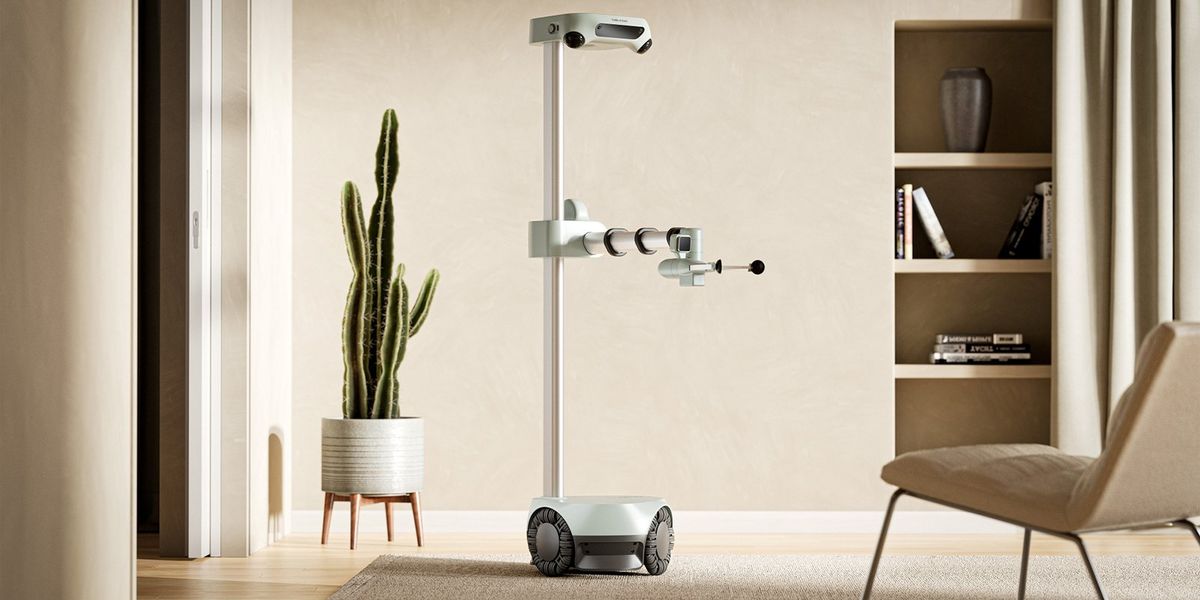
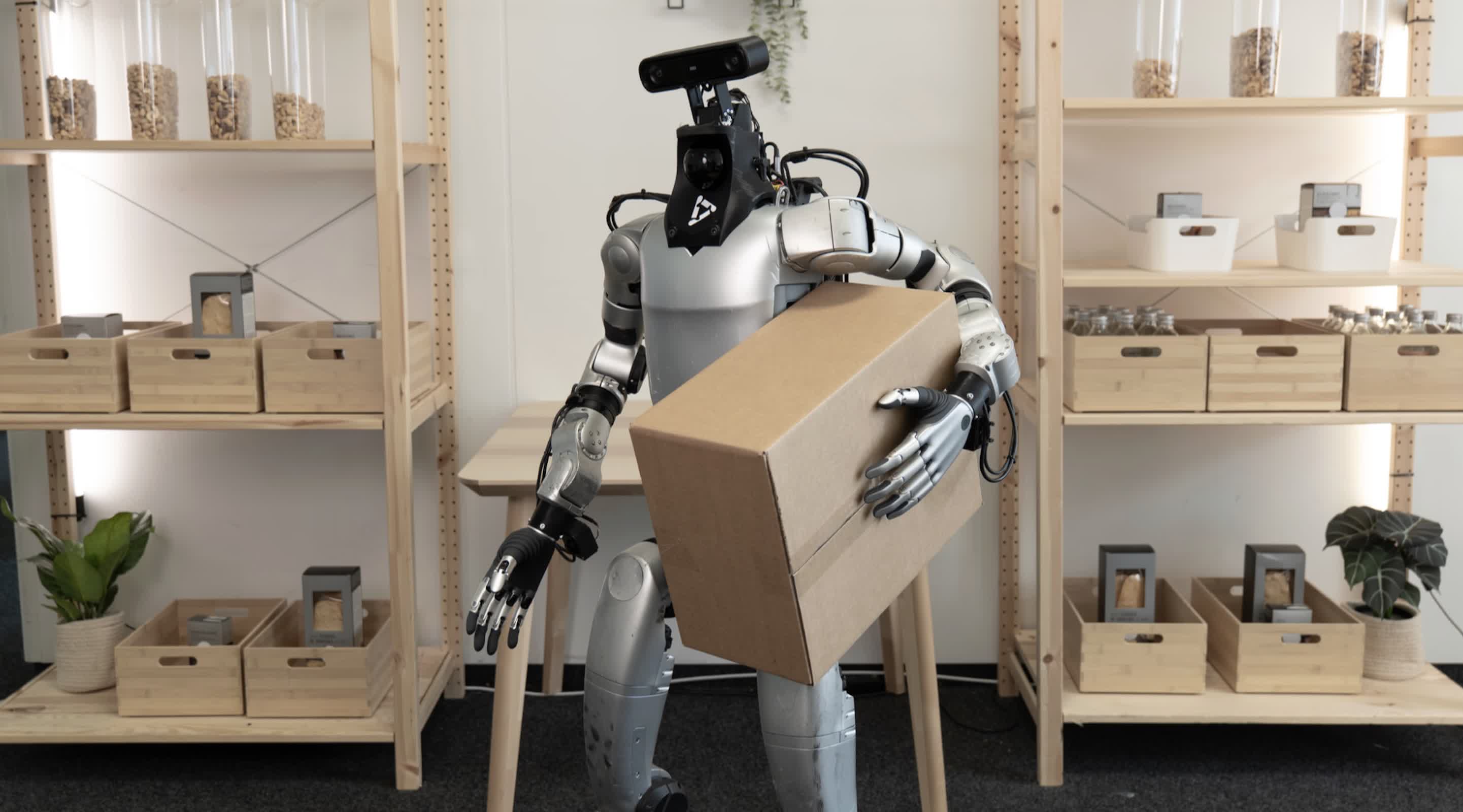
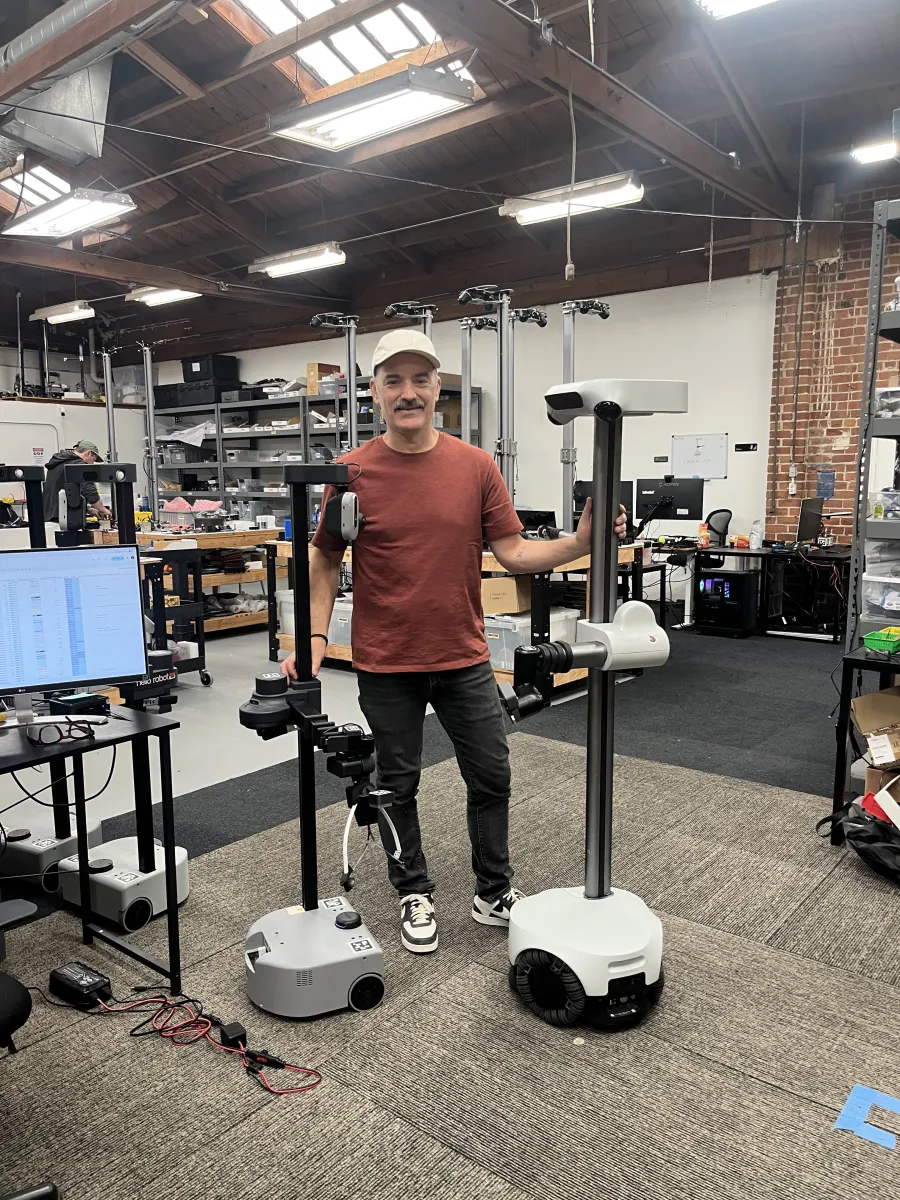
Hello Robot released the fourth iteration of its home assistance robot, Stretch, last month. And you might stretch to call it a humanoid robot. While Stretch boasts a vaguely human torso and sensor-studded head, its telescoping arm has a pair of pinchers, and it rides around on a heavy, omnidirectional wheeled base.
When Stretch’s batteries run down, lights around its “eyes” glow — “it looks angry,” Blaine Matulevich, an engineer at the company, jokes.
Hello Robot, founded in 2017 by CEO Aaron Edsinger, a former director of robotics at Google, and CTO Charlie Kemp, a professor at the Georgia Institute of Technology, is not building a foundation model or promising to take over every job a human can do. Hello Robot developed Stretch to do something many other robots aren’t doing: Working in real homes, with real people, at a time when most are behind glass in laboratories.
This is vital. While the latest advances in artificial intelligence promise more capabilities for robots, there is a dearth of useful training data. And while simulation is improving, investors are increasingly focused on deployment.