I’ve been integrating OnScanner into my workflow recently as part of external security assessment and bug bounty reconnaissance, and it made me rethink how modern vulnerability scanners are evolving.
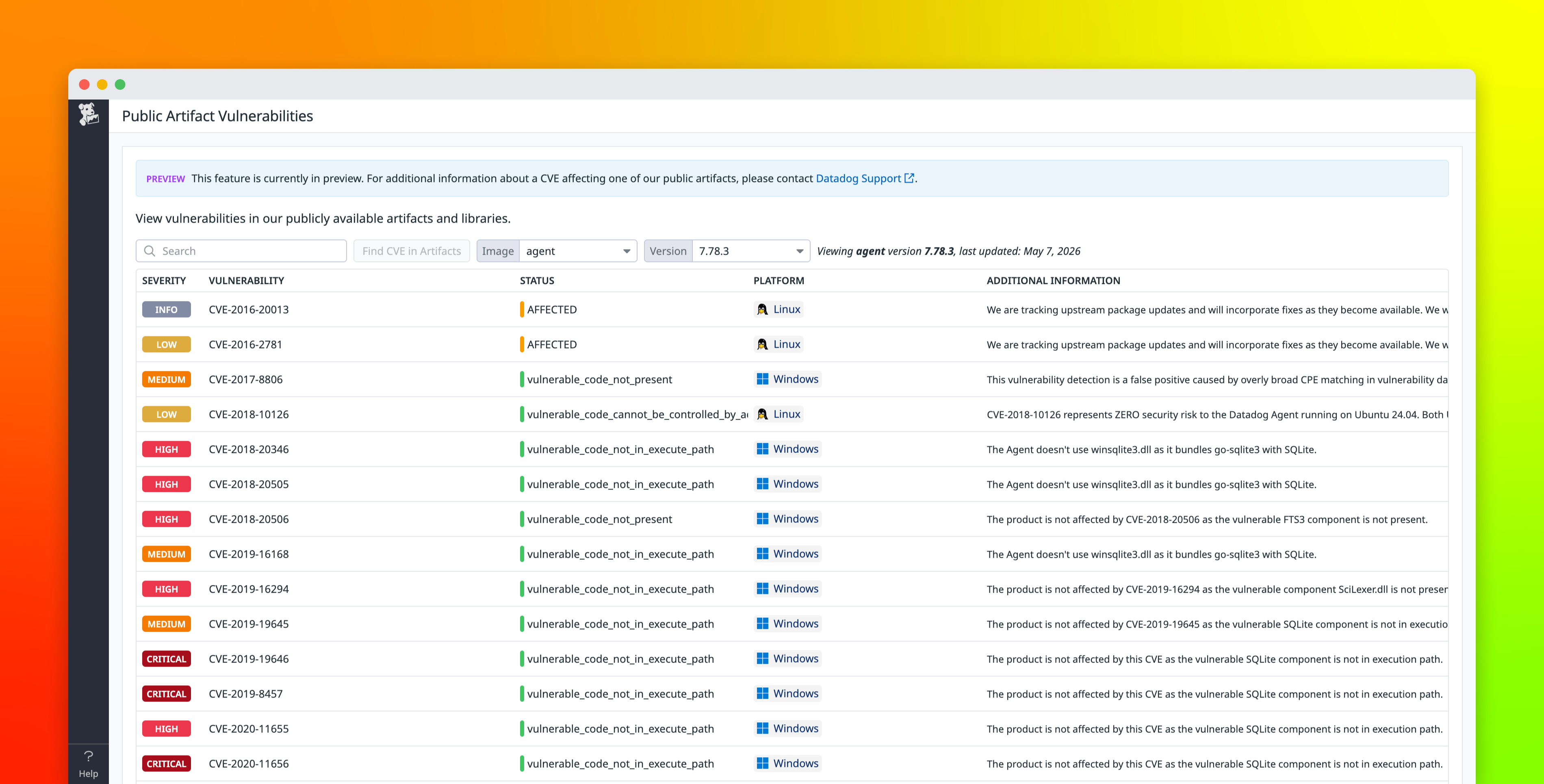
Most traditional scanning approaches still rely heavily on fingerprinting services and mapping versions to known CVEs. While that’s useful, it often leaves a gap: you end up with “potentially vulnerable” findings that may not actually be exploitable in the target environment.
What I found interesting in this newer approach is the focus on validation rather than just detection.
Instead of stopping at version-to-CVE correlation, the system attempts to verify whether a vulnerability is actually present in practice. That changes the output from theoretical risk to something closer to confirmed exposure.
From a workflow perspective, it combines several layers that are usually separate tools: